

A freshly mulched garden bed looks clean, polished, and professional. Mulch helps your soil retain moisture, regulates its temperature, and adds valuable nutrients as it decomposes. However, this perfect picture can quickly be ruined by the stubborn and persistent growth of weeds. They compete with your plants for water, sunlight, and nutrients, turning a beautiful landscape into a constant battle. Learning how to keep weeds out of mulched areas is a fundamental skill for any home gardener, ensuring your flower beds and vegetable patches remain healthy and look their best all season long.
Why a Weed-Free Mulch Bed Matters
Maintaining a weed-free mulch bed is about more than just appearances. When weeds are allowed to thrive, they create a cascade of problems for your garden’s ecosystem. They are aggressive competitors, often growing faster than your desired plants and robbing them of essential resources. This can lead to stunted growth, reduced flowering, and a smaller harvest. Furthermore, dense weed growth can harbor pests and diseases, creating an unhealthy environment for your plants. By preventing weeds from taking root in your mulch, you are actively promoting the health and vitality of your entire garden, saving you time and effort in the long run.
7 Step Methods Guide on How to Keep Weeds Out of Mulched Areas
Step 1: Clear the Area Completely
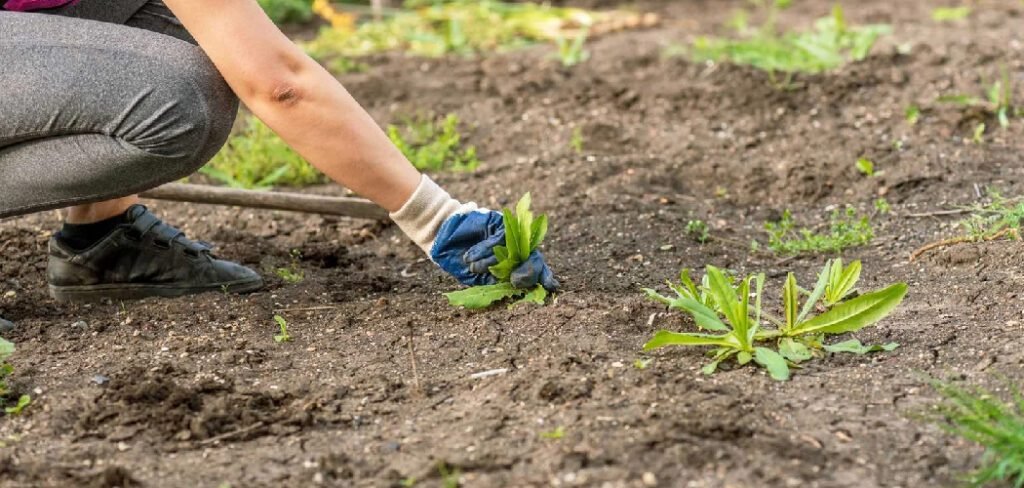
Before you even think about laying down mulch, you must start with a clean slate. This is the most critical step for long-term success. Begin by thoroughly removing all existing weeds, grass, and other debris from the garden bed. Be sure to pull weeds out by the root; simply cutting them at the surface will only encourage them to grow back stronger. For stubborn or deep-rooted weeds, a garden fork can be an invaluable tool to loosen the soil and extract the entire root system, preventing regrowth from the start.
Step 2: Create a Defined Edge
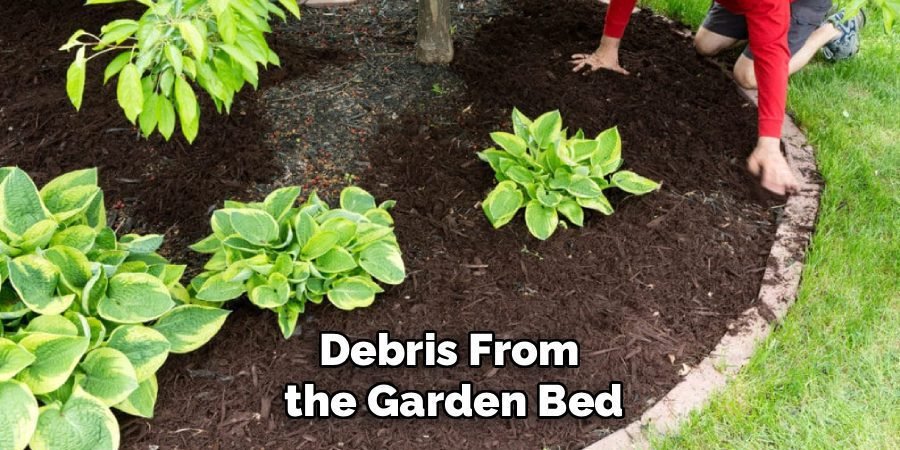
A clean, sharp edge not only gives your garden beds a professional look but also serves as a physical barrier against encroaching lawn grasses and creeping weeds. Use a spade or a half-moon edger to cut a distinct trench, about four to six inches deep, around the perimeter of your mulched area. This simple trench makes it much harder for invasive roots to cross over from your lawn into the nutrient-rich soil of your garden bed, effectively stopping one of the main sources of weed infiltration.
Step 3: Lay Down a Weed Barrier
To significantly boost your weed-prevention efforts, install a barrier between the soil and your mulch. Landscape fabric is a popular choice, as it allows water and air to pass through to the soil while blocking sunlight, which weeds need to germinate. Overlap the edges of the fabric by at least six inches to prevent weeds from finding their way through the seams. Alternatively, a thick layer of cardboard or several sheets of newspaper can serve as an effective, biodegradable weed barrier that will decompose over time, adding organic matter to your soil.
Step 4: Apply a Thick Layer of Pre-Emergent Herbicide
For an extra layer of protection, consider applying a pre-emergent herbicide to the cleared soil before you add your mulch. These products work by preventing weed seeds from germinating in the first place, creating an invisible shield in the soil. It is important to choose a product that is safe for your existing plants and to follow the application instructions carefully. A pre-emergent won’t kill existing weeds, which is why Step 1 is so important, but it is highly effective at stopping a new generation from ever starting.
Step 5: Choose the Right Type of Mulch
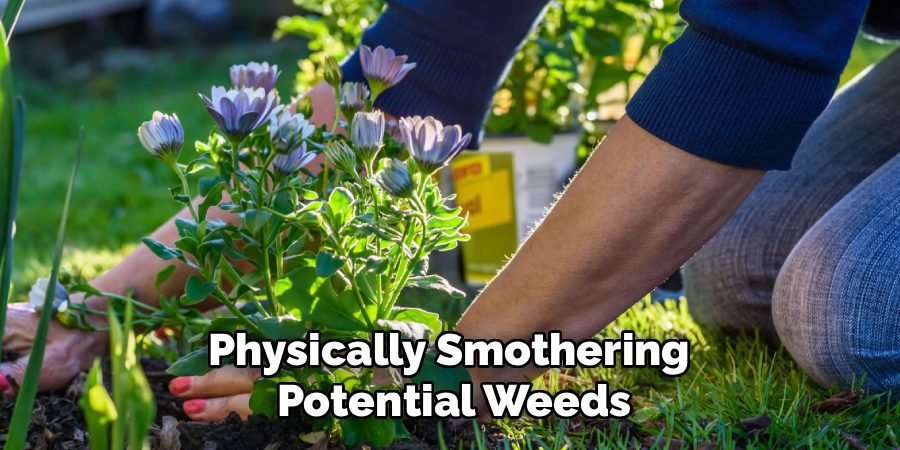
Not all mulches are created equal when it comes to weed suppression. Denser, chunkier materials like wood chips or bark nuggets are more effective at blocking sunlight and physically smothering potential weeds than lighter materials like straw or grass clippings. Fine-textured mulches can sometimes break down into a soil-like medium that actually encourages weed seed germination. Consider the specific needs of your garden and choose a high-quality, coarse mulch that will create a durable and effective barrier.
Step 6: Apply a Deep Layer of Mulch
One of the most common mulching mistakes is not applying a thick enough layer. A thin layer of mulch might look nice initially, but it won’t do much to stop weeds. For effective weed control, you need to apply a layer that is at least three to four inches deep. This depth is sufficient to block the sunlight that dormant weed seeds need to sprout. Be careful not to pile mulch directly against the stems or trunks of your plants, as this can trap moisture and lead to rot and disease.
Step 7: Practice How to Keep Weeds Out of Mulched Areas with Regular Spot-Weeding
Even with the best preparation, a few determined weeds may eventually find their way through your defenses. The key is to address them immediately. Make it a habit to walk through your garden every few days and pull any new sprouts you see. When weeds are small, their roots are shallow, making them easy to remove. This proactive approach is far less work than tackling a major weed infestation later and is a crucial part of learning how to keep weeds out of mulched areas effectively.
Replenish Your Mulch Annually
Mulch is not a permanent solution; organic mulches decompose over time, and all types of mulch can become compacted or displaced. To maintain its weed-blocking power, you should top off your mulch layer each spring. Add a fresh one- to two-inch layer to bring the total depth back up to the recommended three to four inches. This annual replenishment ensures your weed barrier remains thick and effective, keeps your garden looking fresh, and continues to provide benefits to your soil.
Frequently Asked Questions (FAQ)
What Is the Best Low-Maintenance Way to Keep Weeds Out of Flower Beds?
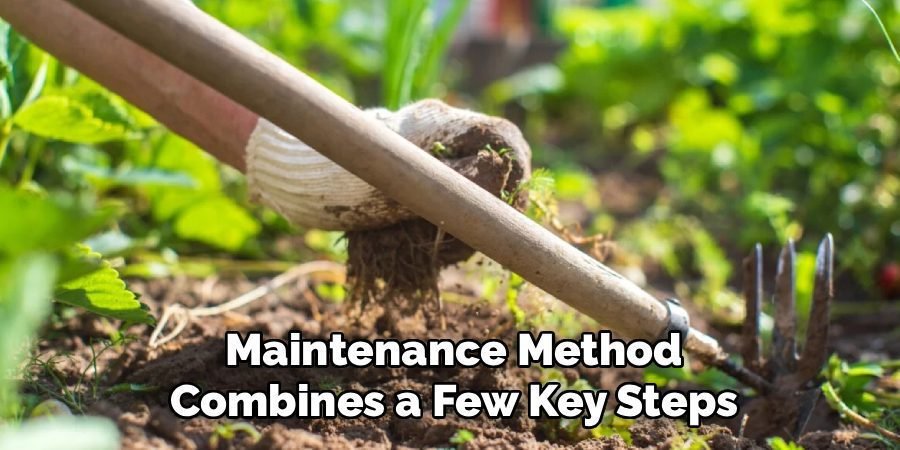
The most effective low-maintenance method combines a few key steps. Start by laying down a high-quality landscape fabric or a thick layer of cardboard over cleared soil. Then, apply a three-to-four-inch layer of a dense, coarse mulch like wood chips or bark. This combination physically blocks weeds and sunlight, drastically reducing germination. An annual top-off of mulch is all that’s needed to maintain this highly effective, long-lasting weed barrier with minimal ongoing effort from you.
Can I Put Mulch Down Without a Weed Barrier?
Yes, you can apply mulch directly onto soil without a barrier, but it will be less effective at suppressing weeds. A very thick layer of mulch (four to five inches) can block most sunlight and prevent many weed seeds from germinating. However, you will likely spend more time pulling the weeds that do manage to push through. For the best results and less work over time, using a barrier like landscape fabric or cardboard underneath your mulch is highly recommended.
How Do You Stop Weeds From Growing Through Landscape Fabric?
Weeds can sometimes grow in the mulch on top of the fabric or through any tears or seams. To prevent this, ensure you overlap the fabric edges by at least six inches during installation. Additionally, use a deep, three-to-four-inch layer of mulch on top to prevent airborne weed seeds from reaching the fabric and germinating. If a weed does appear, pull it immediately before its roots can become established and potentially penetrate the fabric, compromising your barrier.
Is It Better to Pull Weeds or Spray Them in Mulch?
Pulling weeds is almost always the better option in mulched beds, especially for beginner gardeners. Hand-pulling removes the entire plant, including the root, which prevents it from growing back. It is also completely safe for your surrounding flowers and shrubs. Chemical sprays can drift and damage or kill your desirable plants. Sprays are best reserved for large, unmanageable infestations in areas away from your prized plants, whereas targeted pulling is perfect for maintaining the pristine look of a garden bed.
Does Vinegar Kill Weeds Permanently?
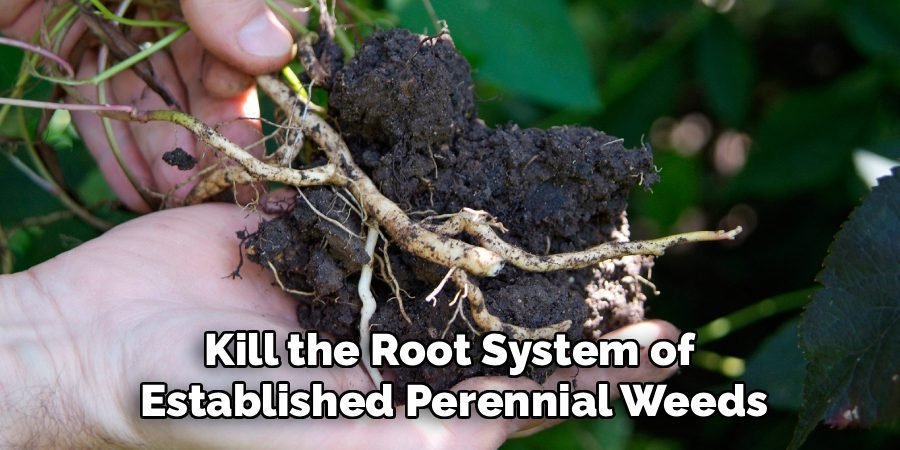
Vinegar, specifically horticultural vinegar with a high acetic acid concentration, can kill the top growth of weeds. It acts as a contact herbicide, burning the leaves it touches. However, it does not typically kill the root system of established perennial weeds, meaning they will likely grow back. It is most effective on young, annual weeds. While it can be a useful organic option for a quick knockdown, it is not a permanent solution for persistent or deep-rooted weed problems.
Conclusion
A beautiful, thriving garden is a source of great pride, and keeping it free from invasive weeds is a major part of its care. By following a clear strategy—clearing the area, creating an edge, using a barrier, and applying a deep layer of quality mulch—you can create a landscape that is both beautiful and easy to maintain. Regular, minor upkeep will ensure your hard work pays off all season. Now that you know how to keep weeds out of mulched areas, you are well-equipped to protect your plants and enjoy the full beauty of your garden.

About Ravuk Barg
B.Sc. Horticulture Science | Certified Master Gardener
Ravuk Barg has spent more than a decade with his hands in the soil and his head full of questions about why some gardens thrive while others struggle. What started as a single raised bed of tomatoes and basil in a modest backyard has grown into a deep, working knowledge of everything from seed germination and soil amendment to companion planting and seasonal pruning.
Over the years, Ravuk has gardened through drought summers, waterlogged springs, and pest invasions that would make most gardeners hang up their trowels for good. Those hard seasons, he’ll tell you, taught him more than any perfect growing year ever could. He writes from that earned experience—covering vegetable growing, ornamental planting, houseplant care, composting, and garden design with equal confidence and curiosity.
Philosophy & Approach
Ravuk’s approach to gardening is rooted in practicality. He favors organic methods not out of dogma, but because they work long-term—resulting in healthier soil, fewer inputs, and stronger plants. He has a particular fondness for heirloom vegetable varieties (the kind with proper flavor), unruly cottage-style flower beds, and the stubborn houseplants that everyone else gave up on.
The Mission: Give readers the honest, experience-backed advice that helps them actually succeed in their gardens—not just the ideal version, but the real one; weeds, failures, and all.
Education & Credentials
-
B.Sc. in Horticulture Science
-
Greenfield Agricultural University
-
Focus: Plant Physiology, Soil Ecology, and Sustainable Crop Production
-
-
Master Gardener Certification
-
Cooperative Extension Service
-
Focus: 200+ hours of hands-on practical training and community garden work
-
Continuing Education
-
Organic Pest Management
-
Native Plant Landscaping
-
Sustainable Crop Production