

Rats in your greenhouse can destroy months of hard work in just one night. These sneaky pests love the warm, protected space that greenhouses provide. They eat seeds, nibble on young plants, and leave droppings everywhere. But don’t worry! Learning how to keep rats out of greenhouse spaces is easier than you might think.
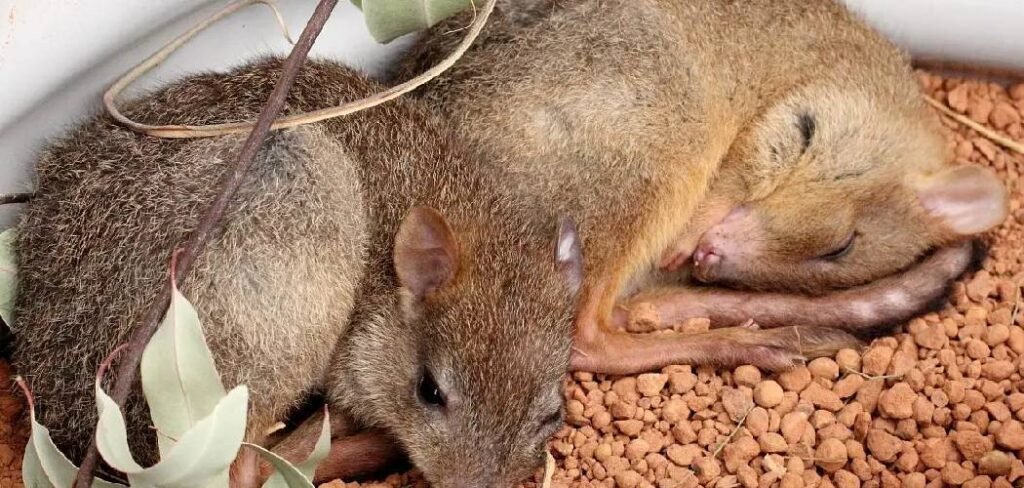
Many gardeners face this problem every year. Mice are smart and can squeeze through small holes. They breed very quickly, so a small problem can quickly become a big one. The good news is, there are many ways to keep mice from entering your greenhouse without using harmful chemicals.
Why Rats Love Greenhouses
Before we learn how to keep rats out of greenhouse areas, let’s understand why they come in the first place. Greenhouses offer everything rats need to survive:
- Warmth and shelter from cold weather and predators
- Food sources like seeds, fruits, and tender plant shoots
- Water from irrigation systems and plant watering
- Safe nesting spots in corners, under benches, and in storage areas
- Protection from outdoor dangers like cats and birds of prey
Rats are most active at night, which is why you might not see them during the day. They leave behind clear signs like droppings, chewed plants, and small holes in walls or screens.
10 Effective Methods on How to Keep Rats Out of Greenhouse
1. Seal All Entry Points
The first step in how to keep rats out of greenhouse spaces is blocking their way in. Rats can fit through holes as small as a quarter. Check your greenhouse carefully for:
- Gaps around doors and windows
- Holes in screens or vents
- Cracks in the foundation
- Openings where pipes enter the structure

Use steel wool, wire mesh, or caulk to seal these gaps. Steel wool works great because rats can’t chew through it. Check these areas every few months, as weather can create new gaps.
2. Install Hardware Cloth Barriers
Hardware cloth is a strong wire mesh that rodents cannot chew through. Place it around the base of your greenhouse, burying it 6 inches deep in the ground. It will prevent rodents from digging under the walls. You can use hardware cloth to cover vents and openings that need air circulation. Choose mesh with holes smaller than ¼ inch to keep even baby rodents out.
3. Keep the Area Clean and Tidy
A clean greenhouse is less attractive to rats. Remove all food sources that might draw them in:
- Clean up fallen fruits and vegetables immediately
- Store seeds in metal containers with tight lids
- Remove plant debris and dead leaves regularly
- Keep compost piles far from your greenhouse
- Don’t leave pet food or bird seed nearby
Sweep the floor daily and wash down surfaces weekly. This removes food smells that attract rats from far away.
4. Use Natural Rat Repellents
Many plants and scents naturally repel mice. These safe options are perfect for organic gardeners learning to keep mice out of greenhouse spaces:
Peppermint oil: Soak cotton balls in peppermint oil and place them around your greenhouse. Replace them every week.
Ammonia: Place small bowls of ammonia in corners. The strong smell will keep mice away, but keep them away from plants and children.
Coffee grounds: Sprinkle used coffee grounds around the greenhouse. Many gardeners swear by this method.
Garlic and onion: Plant them around your greenhouse or scatter the cut pieces inside.
5. Remove Water Sources
Rats need water to survive. Make your greenhouse less appealing by:
- Fixing leaky pipes and faucets immediately
- Using drip trays under plants to catch excess water
- Emptying water containers at night
- Improving drainage to prevent puddles
- Storing watering equipment properly
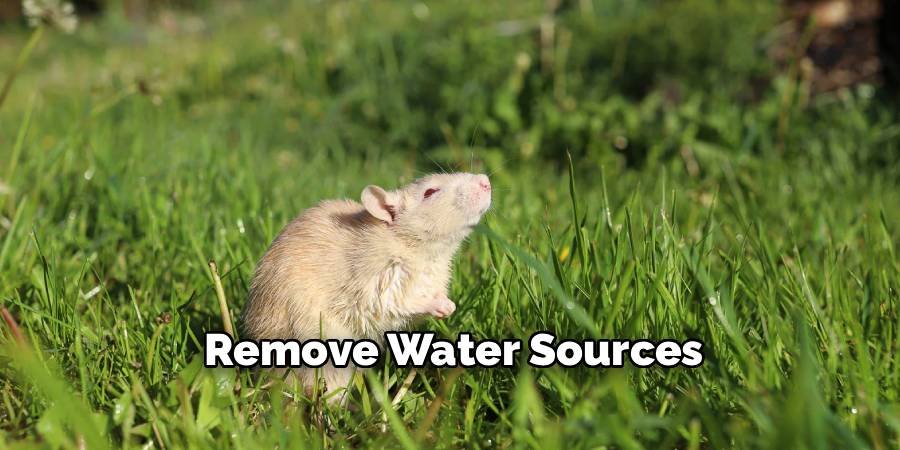
If you must keep water readily available, use a container that rats cannot easily access.
6. Install Motion-Activated Lights
Mice prefer dark places and avoid bright lights. Motion-activated LED lights can scare them away without disturbing your plants. Place lights around the greenhouse at rodent height (about 12 inches off the ground). Solar-powered options work well and don’t require an electrical connection. Sudden bright lights scare mice away, forcing them to seek out dark hiding places elsewhere.
7. Use Ultrasonic Deterrent Devices
Electronic devices that produce loud noises can help keep mice away. These sounds are too loud for humans to hear, but are annoying to mice. Place these devices around your greenhouse, paying attention to entryways and corners where mice like to hide. Be sure to move the devices every few weeks, as mice can become accustomed to the noise if the noise is left in one place for too long.
8. Create Physical Barriers
Make it hard for rats to climb into your greenhouse by:
- Trimming tree branches that hang over the structure
- Moving storage items away from walls
- Installing smooth metal sheeting on walls up to 18 inches high
- Keeping grass and weeds cut short around the greenhouse
- Removing brush piles and debris from nearby areas
These barriers force rats to find easier targets elsewhere.
9. Use Safe Trapping Methods

If you already have mice in your greenhouse, humane traps can help get rid of them. Live traps will help you catch the mice without harming them. Place the traps near walls where you can see droppings or chewing marks. Use peanut butter, dried fruit, or nuts as bait. Check the traps daily and release any caught mice at least 2 miles away from your property. Always wear gloves when setting traps.
10. Encourage Natural Predators
Nature provides excellent rodent control through predators. Encourage these helpful predators around your property:
- Barn owls: Install owl boxes nearby to attract these nighttime rat hunters
- Cats: Outdoor cats are excellent at keeping rat populations down
- Snakes: Some snake species eat rats and are harmless to humans
- Hawks: These daytime hunters can catch rats in open areas
Be careful with this method if you have small pets or children in the area.
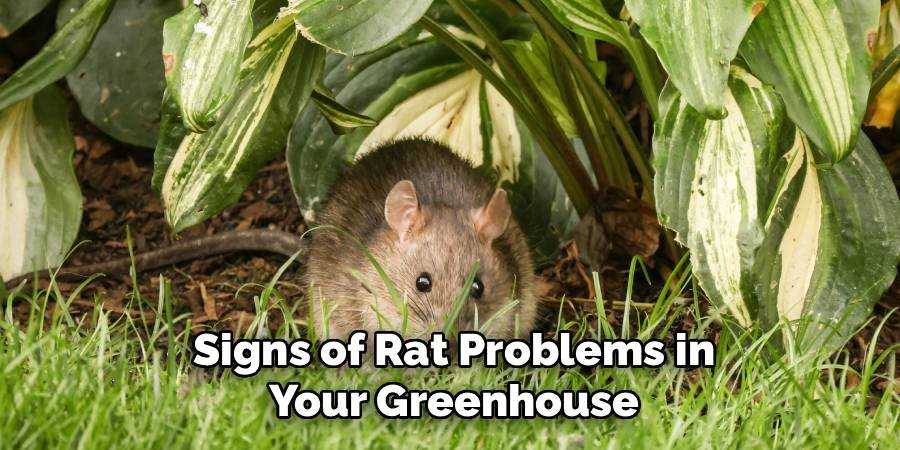
Signs of Rat Problems in Your Greenhouse
Knowing how to spot rat activity helps you act quickly. Look for these warning signs:
- Small, dark droppings about the size of rice grains
- Chewed or damaged plants, especially seedlings
- Small holes in bags of soil or fertilizer
- Grease marks along walls where rats travel
- Strange scratching or scurrying sounds at night
- Strong, musky odors in corners or hidden areas
Early detection makes rat removal much easier and prevents serious damage to your plants.
Prevention Tips for Long-Term Success
Learning how to keep rats out of greenhouse spaces is an ongoing process. Follow these tips for lasting protection:
- Inspect your greenhouse monthly for new holes or damage
- Keep detailed records of when and where you see rat signs
- Rotate your repellent methods so rats don’t get used to them
- Work with neighbors to control rat populations in your area
- Store all gardening supplies in sealed, rat-proof containers
Consistency is key to keeping your greenhouse rat-free year-round.
When to Call Professional Help
Sometimes, despite your best efforts, rat problems become too big to handle alone. Call a pest control professional if:
- You see rats during the day (this means a large population)
- Damage to plants is severe and getting worse
- You find multiple nests or breeding areas
- Your efforts aren’t working after several weeks
- You’re dealing with other pest problems too
Professional exterminators have tools and knowledge that can solve serious rat problems quickly and safely.
Frequently Asked Questions (FAQs)
Q: How small of a hole can rats squeeze through? Answer: Mice can get in through holes as small as a quarter (about 1 inch). Smaller mice can get in through even smaller holes. This is why it is so important to seal all openings when learning how to keep mice out of greenhouse structures.
Q: What time of year are rats most likely to enter greenhouses? Answer: Rats typically seek shelter in the fall and winter when outside temperatures drop. However, in warmer climates, they can be a problem year-round. Spring is also a problem as they seek a safe place to give birth.
Q: Are rat droppings dangerous to my plants? Answer: Yes, rat droppings can spread diseases that affect both plants and humans. Always wear gloves when cleaning up droppings and wash your hands thoroughly afterward. Remove droppings immediately to prevent contamination.
Q: How often should I check for rat entry points? Answer: Inspect your greenhouse at least once a month, but weekly inspections are best during rodent infestation season (fall and winter). Weather changes can create new gaps, so regular monitoring is essential for effective rodent prevention.
Q: Can rats climb up smooth surfaces to enter my greenhouse? Answer: Rats are excellent climbers but may struggle with very smooth surfaces like metal or glass. They can climb rough wood, brick, and most other building materials. This is why smooth metal barriers work well as deterrents.
Conclusion
Learning how to keep rats out of greenhouse spaces doesn’t have to be complicated or expensive. The key is to use multiple methods together for the best protection. Start by sealing entrances and keeping your greenhouse clean. Add natural deterrents and physical barriers for added protection.
Remember that it is much easier to prevent mice than to remove them once they are in. Regular inspections and maintenance will prevent small problems from becoming larger. With patience and consistency, you can enjoy a mouse-free greenhouse where your plants can grow safely.
The methods outlined in this guide are safe for both your family and your plants. They work together to create an environment that mice find unwelcome. By following these steps and being vigilant, you will protect your hard work and enjoy successful greenhouse gardening for years to come. Most importantly, don’t be discouraged if you see signs of mice. With the right approach and persistence, you can win the battle against these unwanted visitors and keep your greenhouse thriving.

About Ravuk Barg
B.Sc. Horticulture Science | Certified Master Gardener
Ravuk Barg has spent more than a decade with his hands in the soil and his head full of questions about why some gardens thrive while others struggle. What started as a single raised bed of tomatoes and basil in a modest backyard has grown into a deep, working knowledge of everything from seed germination and soil amendment to companion planting and seasonal pruning.
Over the years, Ravuk has gardened through drought summers, waterlogged springs, and pest invasions that would make most gardeners hang up their trowels for good. Those hard seasons, he’ll tell you, taught him more than any perfect growing year ever could. He writes from that earned experience—covering vegetable growing, ornamental planting, houseplant care, composting, and garden design with equal confidence and curiosity.
Philosophy & Approach
Ravuk’s approach to gardening is rooted in practicality. He favors organic methods not out of dogma, but because they work long-term—resulting in healthier soil, fewer inputs, and stronger plants. He has a particular fondness for heirloom vegetable varieties (the kind with proper flavor), unruly cottage-style flower beds, and the stubborn houseplants that everyone else gave up on.
The Mission: Give readers the honest, experience-backed advice that helps them actually succeed in their gardens—not just the ideal version, but the real one; weeds, failures, and all.
Education & Credentials
-
B.Sc. in Horticulture Science
-
Greenfield Agricultural University
-
Focus: Plant Physiology, Soil Ecology, and Sustainable Crop Production
-
-
Master Gardener Certification
-
Cooperative Extension Service
-
Focus: 200+ hours of hands-on practical training and community garden work
-
Continuing Education
-
Organic Pest Management
-
Native Plant Landscaping
-
Sustainable Crop Production