

A garden pond can be a beautiful and tranquil centerpiece for your outdoor space, attracting birds, dragonflies, and other delightful wildlife. However, it can also become an unwelcome breeding ground for mosquitoes, turning your peaceful oasis into a source of itchy bites and buzzing frustration. Fortunately, there are many effective and natural ways to manage these pests without harming your pond’s ecosystem. This guide will walk you through a series of simple, actionable steps on how to keep mosquitoes away from garden pond, ensuring it remains a healthy and enjoyable feature of your yard for years to come.
Why Mosquitoes Are Attracted to Garden Ponds
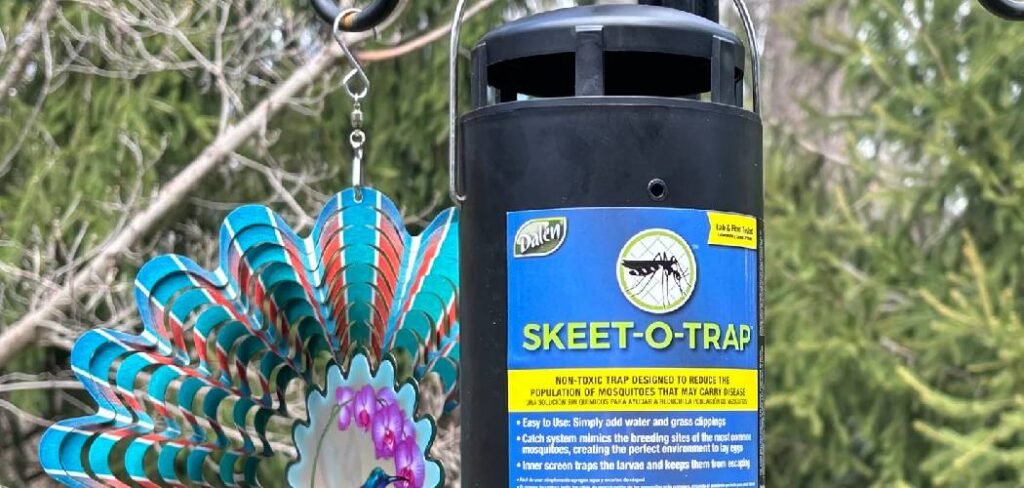
Understanding why your serene water feature is a magnet for mosquitoes is the first step toward effective control. The answer is simple: water. Female mosquitoes require standing, stagnant water to lay their eggs. A single female can lay hundreds of eggs at a time, which hatch into larvae, pupate, and emerge as flying adults in as little as a week.
A garden pond, especially one with still water and minimal surface movement, provides the perfect nursery. The larvae, often called “wrigglers,” feed on algae and microorganisms present in the water, thriving in the calm environment. Decomposing leaves, overgrown aquatic plants, and other organic debris offer both food and shelter, hiding the larvae from natural predators. Without intervention, a small pond can produce thousands of new mosquitoes every few weeks, creating a significant nuisance and potential health risk for you and your family.
8 Step-by-Step Guide on How to Keep Mosquitoes Away From Garden Pond
Step 1: Introduce Movement to the Water
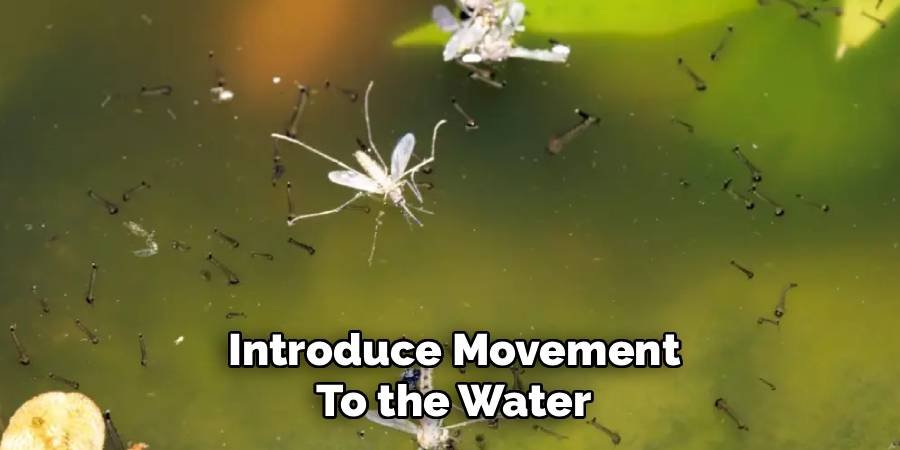
Mosquitoes exclusively lay their eggs in still, stagnant water. The easiest and most effective way to deter them is to keep the surface of your pond in constant motion. Installing a fountain, waterfall, or aerator will continuously disturb the water, making it unsuitable for mosquito breeding. The ripples and currents prevent females from landing to lay eggs and also make it difficult for any existing larvae to breathe at the surface. A simple submersible pump is often enough to create the necessary circulation for small to medium-sized ponds, enhancing both the beauty and health of your water feature.
Step 2: Add Mosquito-Eating Fish
Turning your pond into a thriving ecosystem is a natural way to control pests. Several species of fish are voracious predators of mosquito larvae. Goldfish, guppies, and minnows are all excellent choices for smaller ponds and are relatively easy to care for. For larger ponds, consider adding koi. These fish will actively seek out and consume the “wrigglers” as a natural part of their diet, significantly reducing the mosquito population before it has a chance to mature. Before adding fish, ensure your pond’s water quality, depth, and temperature are suitable for the species you choose.
Step 3: Use Mosquito Dunks or Bits
For a targeted and safe biological control method, use products containing Bacillus thuringiensis israelensis (BTI). BTI is a naturally occurring soil bacterium that specifically targets and kills mosquito larvae, along with the larvae of black flies and fungus gnats, while being completely harmless to fish, birds, pets, and humans. These products are available as “Mosquito Dunks” (small, floating briquettes) or “Mosquito Bits” (granules). The dunks slowly release BTI over 30 days, while the bits work more quickly. Simply toss them into your pond according to the package directions for effective, long-lasting larval control.
Step 4: Encourage Natural Predators
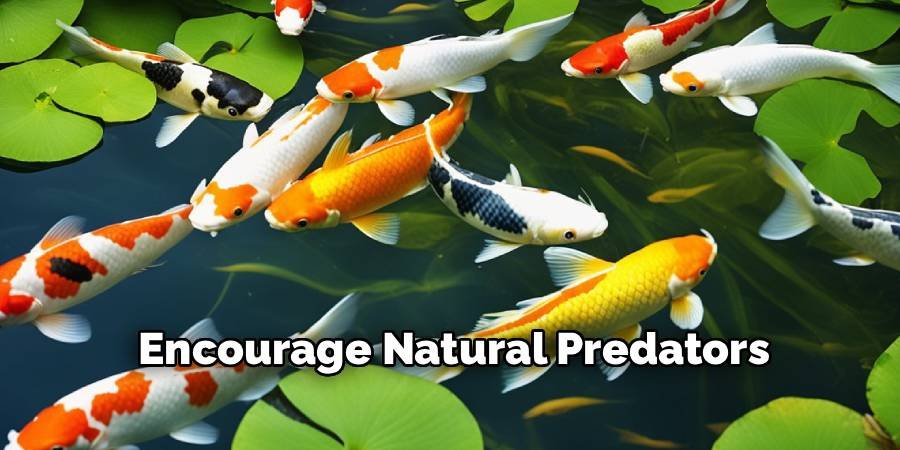
Beyond fish, a healthy pond ecosystem will attract other natural predators of mosquitoes. Dragonflies and damselflies are beautiful additions to a garden, and their nymphs are aggressive hunters of mosquito larvae in the water. Adult dragonflies are equally effective, catching and eating adult mosquitoes on the wing. You can encourage these beneficial insects by placing flat rocks around the pond for them to bask on and by planting submerged vegetation like water lilies, which provide a place for their nymphs to hide and hunt. Frogs are another great ally, as they will consume both larvae and adult mosquitoes.
Step 5: A Natural Method on How to Keep Mosquitoes Away From Garden Pond
Strategic planting in and around your pond can also help deter mosquitoes. Introduce submerged plants like hornwort and anacharis, which oxygenate the water and compete with algae, reducing the food source for larvae. Floating plants like water lilies and lotus provide shade, which helps keep the water cool and less hospitable for breeding. Additionally, planting mosquito-repelling plants such as citronella grass, lavender, mint, and marigolds around the perimeter of your pond can help keep adult mosquitoes away from the area, creating a natural barrier that smells wonderful to humans but is unpleasant for pests.
Step 6: Maintain a Clean Pond
Regular maintenance is crucial for preventing mosquitoes. Debris such as fallen leaves, grass clippings, and dead plant matter provides food and shelter for mosquito larvae. Use a long-handled skimmer or net to remove this organic material from the surface and bottom of your pond at least once a week. Prune overgrown aquatic plants to prevent them from creating overly dense, still pockets of water along the edges. A clean pond is not only less attractive to mosquitoes but also healthier for your fish and desirable plants, promoting a balanced and beautiful ecosystem.
Step 7: Manage Surrounding Areas
Your pond might not be the only source of standing water in your yard. Mosquitoes can breed in as little as a teaspoon of water. Conduct a thorough inspection of your property for any other potential breeding sites. Empty or cover rain barrels, clear clogged gutters, and turn over empty flower pots, wheelbarrows, and children’s toys. Check for low spots in your lawn that collect rainwater and fill them in. By eliminating all sources of stagnant water, you create a far less hospitable environment for mosquitoes across your entire garden.
Step 8: Apply Pond-Safe Larvicides as a Last Resort
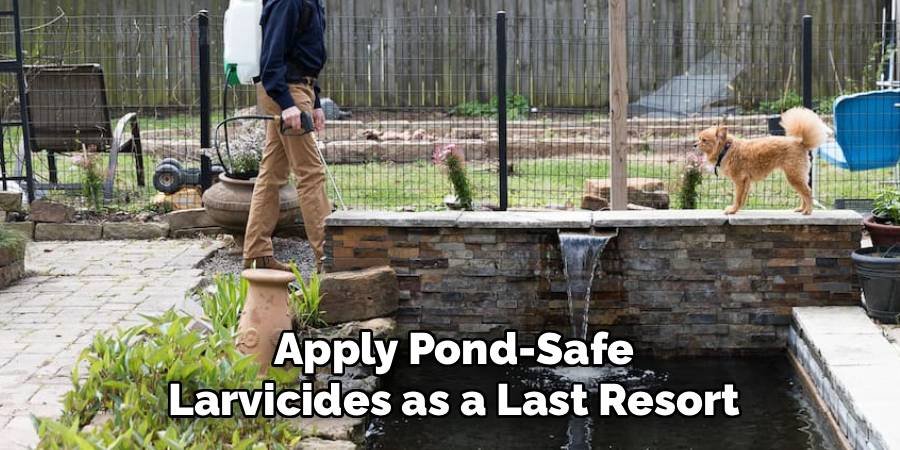
If you have a severe infestation that other methods have not resolved, you can consider a pond-safe larvicide. These products are different from BTI and are designed to create a thin, invisible film on the water’s surface. This film changes the surface tension of the water, preventing larvae from attaching to the surface to breathe, causing them to drown. It’s important to choose a product that is specifically labeled as safe for fish, plants, and wildlife. Always read and follow the manufacturer’s instructions carefully to ensure it is applied correctly and safely.
Frequently Asked Questions
Will a Waterfall in My Pond Prevent All Mosquitoes?
A waterfall is highly effective at deterring mosquitoes because it keeps the water surface in motion, preventing females from laying eggs. However, it may not eliminate them completely. Ponds often have calmer, still areas along the edges or among dense plants where mosquitoes might still find a suitable spot. For best results, combine a waterfall with other methods, such as adding fish and keeping the pond clear of debris, to cover all bases.
Are Chemical Insecticides Safe for My Pond Fish?
Most general-purpose chemical insecticides are highly toxic to fish and other aquatic life and should never be used in or near your garden pond. They can disrupt the entire ecosystem. If you must use a larvicide, only choose products specifically formulated for ponds and labeled as safe for fish, wildlife, and plants. Biological options like BTI (found in Mosquito Dunks) are the safest and most recommended choice for controlling larvae without harming your pond’s inhabitants.
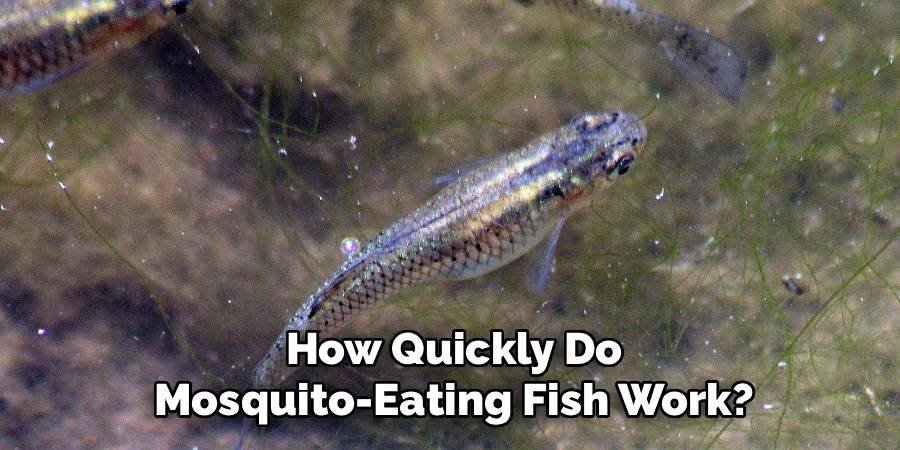
How Quickly Do Mosquito-Eating Fish Work?
Mosquito-eating fish, like guppies or minnows, get to work almost immediately. They are natural predators and will begin feeding on larvae as soon as they are introduced and acclimated to the pond. The visibility of the results depends on the size of your pond and the severity of the infestation. In a small, well-stocked pond, you could see a significant reduction in mosquito larvae within a few days to a week.
Can I Use Essential Oils in My Pond to Repel Mosquitoes?
While essential oils like citronella, lavender, and peppermint are known to repel adult mosquitoes, you should not add them directly to your pond water. Oils can create a film on the surface that may harm fish and other aquatic organisms by interfering with their ability to breathe. It is much safer and more effective to plant mosquito-repelling herbs and flowers around the perimeter of your pond instead.
Does a Pond Filter Help Reduce Mosquitoes?
Yes, a pond filter contributes significantly to mosquito reduction, though indirectly. A good filtration system circulates water, creating surface movement that deters egg-laying. It also removes algae and fine organic debris from the water column. By keeping the water cleaner and clearer, a filter eliminates the primary food sources that mosquito larvae need to survive and mature, making the environment far less hospitable for them.
Conclusion
Creating a garden pond that is free of mosquitoes is entirely achievable with a thoughtful and consistent approach. By focusing on creating water movement, introducing natural predators like fish, and maintaining a clean and balanced ecosystem, you can effectively disrupt the mosquito life cycle. Combining these strategies with regular maintenance and the careful use of safe products like BTI will ensure your pond remains a source of joy, not a breeding ground for pests. Now that you know how to keep mosquitoes away from garden pond, you can take these steps to transform your water feature into the peaceful, beautiful retreat it was meant to be.

About Ravuk Barg
B.Sc. Horticulture Science | Certified Master Gardener
Ravuk Barg has spent more than a decade with his hands in the soil and his head full of questions about why some gardens thrive while others struggle. What started as a single raised bed of tomatoes and basil in a modest backyard has grown into a deep, working knowledge of everything from seed germination and soil amendment to companion planting and seasonal pruning.
Over the years, Ravuk has gardened through drought summers, waterlogged springs, and pest invasions that would make most gardeners hang up their trowels for good. Those hard seasons, he’ll tell you, taught him more than any perfect growing year ever could. He writes from that earned experience—covering vegetable growing, ornamental planting, houseplant care, composting, and garden design with equal confidence and curiosity.
Philosophy & Approach
Ravuk’s approach to gardening is rooted in practicality. He favors organic methods not out of dogma, but because they work long-term—resulting in healthier soil, fewer inputs, and stronger plants. He has a particular fondness for heirloom vegetable varieties (the kind with proper flavor), unruly cottage-style flower beds, and the stubborn houseplants that everyone else gave up on.
The Mission: Give readers the honest, experience-backed advice that helps them actually succeed in their gardens—not just the ideal version, but the real one; weeds, failures, and all.
Education & Credentials
-
B.Sc. in Horticulture Science
-
Greenfield Agricultural University
-
Focus: Plant Physiology, Soil Ecology, and Sustainable Crop Production
-
-
Master Gardener Certification
-
Cooperative Extension Service
-
Focus: 200+ hours of hands-on practical training and community garden work
-
Continuing Education
-
Organic Pest Management
-
Native Plant Landscaping
-
Sustainable Crop Production