

There’s nothing more rewarding than harvesting fresh, juicy fruit from your own backyard. You’ve spent months tending to your trees, watching them blossom and bear fruit, only to discover that uninvited guests have gotten there first. Rats are a common nuisance for home gardeners, capable of stripping a tree of its bounty overnight. Their climbing ability and persistent nature make them a formidable pest.
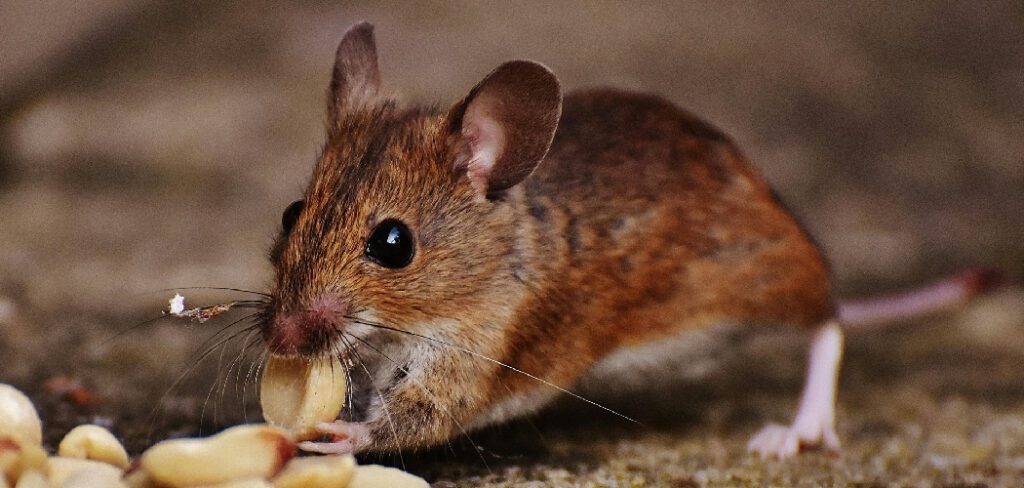
This guide will provide you with a comprehensive strategy on how to keep rats off fruit trees, using safe and effective methods. We will walk you through everything from garden maintenance to exclusion techniques, helping you protect your harvest and enjoy the fruits of your labor.
Why Rats Target Your Fruit Trees
It’s a frustrating but common problem for gardeners: why are rats so drawn to fruit trees? The answer is simple. Fruit trees provide rats with an ideal habitat, offering food, water, and shelter all in one place. The dense foliage offers protection from predators, while the branches create perfect pathways for these agile climbers. Ripe fruit is a high-energy food source, rich in sugars and water, making it incredibly attractive to them. Additionally, other garden elements, such as nearby compost piles, bird feeders, or cluttered areas, can make your yard even more inviting. Understanding these factors is the first step toward developing an effective strategy to protect your trees.
8 Step-by-Step Guide on How to Keep Rats Off Fruit Trees
Step 1: Clean Up Fallen Fruit and Debris
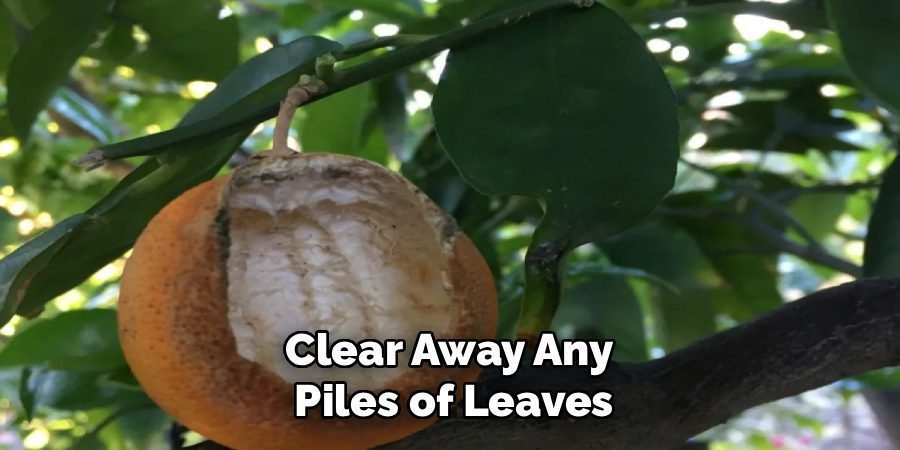
The first line of defense begins on the ground. Fallen fruit is a powerful attractant for rats, signaling an easy and abundant food source. Make it a daily habit to walk through your garden and collect any fruit that has dropped from the trees. This simple task removes the initial lure that draws them into your yard. Similarly, clear away any piles of leaves, wood, or garden clippings around the base of your trees. These piles offer perfect hiding spots and nesting materials for rodents, so maintaining a clean and tidy garden floor significantly reduces its appeal.
Step 2: Prune Your Trees Strategically
Rats are excellent climbers, and overgrown trees provide them with a superhighway to your fruit. Strategic pruning is essential. Trim the lower branches of your fruit trees so that the canopy is at least three to four feet off the ground. This creates a vertical gap that is difficult for rats to jump across. Additionally, ensure your fruit trees are not touching fences, walls, or the branches of other trees. Rats use these connections as bridges to bypass any ground-level defenses you might have in place. A well-pruned tree is not only healthier but also much harder for rodents to access.
Step 3: Install Tree Guards or Baffles
One of the most effective physical barriers is a tree guard or baffle. These are smooth, slick barriers made from sheet metal or hard plastic that wrap around the trunk of the tree. When installed correctly, they prevent rats from being able to get a grip and climb up. You can purchase pre-made baffles, often used to deter squirrels from bird feeders, or create your own. The guard should be at least two feet wide and installed high enough on the trunk so rats can’t simply jump over it from the ground. This method is a crucial part of learning how to keep rats off fruit trees effectively.
Step 4: Protect Individual Fruits
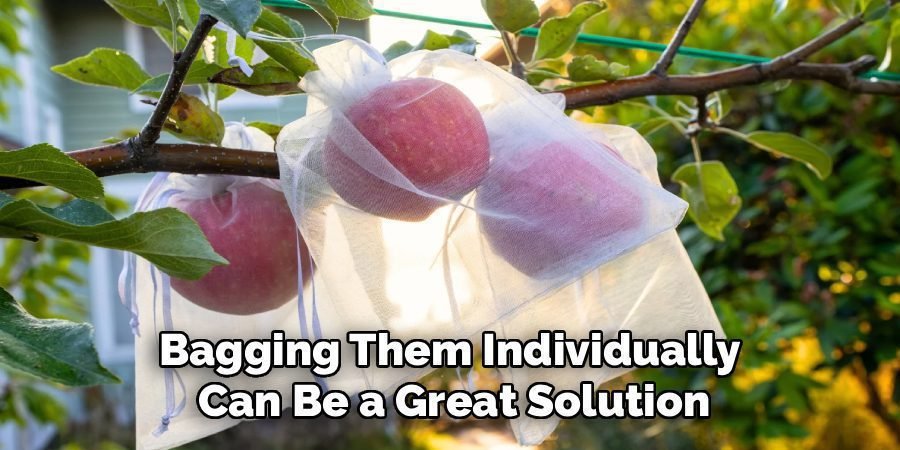
If you have a smaller tree or just a few precious fruits you want to protect, bagging them individually can be a great solution. You can use specialized fruit protection bags, small mesh bags, or even plastic clamshell containers secured around the fruit clusters. This method creates a physical barrier directly around the fruit, making it inaccessible to pests. While it can be time-consuming for a large orchard, it’s an excellent technique for prized specimens or dwarf trees. It also protects fruit from birds and insects, offering multiple benefits for your efforts.
Step 5: Remove Potential Water Sources
Rats need a consistent water source to thrive. Your garden might be unintentionally providing them with one. Leaky faucets, dripping irrigation lines, pet water bowls left out overnight, and even birdbaths can serve as a reliable watering hole for rodents. Inspect your property for any standing water and fix leaks promptly. By limiting access to water, you make your garden a much less hospitable environment for rats to establish a home. This simple environmental change can persuade them to move on to a more accommodating location.
Step 6: Manage Your Compost Bin
A compost bin is a fantastic tool for any gardener, but an open or poorly managed one can quickly become a rat buffet. Food scraps in your compost are highly attractive to rodents. To prevent this, use a sealed compost tumbler or a bin with a tight-fitting lid. Avoid adding meat, dairy, or oily foods, as these are particularly alluring to pests. If you have an open compost pile, ensure you bury fresh food scraps deep within the center of the pile and cover them with yard trimmings or soil to mask the scent.
Step 7: Consider Using Traps
When preventative measures aren’t enough, trapping can be an effective way to control a rat population. There are several types of traps available, from classic snap traps to electronic versions and live traps. For the best results, place them along known rat pathways, such as along fences, walls, or at the base of affected trees. Use an attractive bait like peanut butter, bacon, or dried fruit. Be sure to check the traps daily and handle any captured rodents with gloves to avoid contact with potential diseases. Proper trap placement is key to this method of keeping rats off fruit trees.

Step 8: Use Natural Repellents
While not a standalone solution, natural repellents can supplement your other efforts. Rats have a strong sense of smell and dislike certain scents. Planting peppermint, lavender, or rosemary around the base of your fruit trees may help deter them. You can also try soaking cotton balls in peppermint oil and placing them in areas where you’ve seen rat activity. The strong smell can overwhelm their senses and encourage them to stay away. Remember that these scents fade and will need to be reapplied regularly, especially after rain, to remain effective.
Frequently Asked Questions (FAQ)
What Time of Day Are Rats Most Active on Fruit Trees?
Rats are primarily nocturnal, meaning they are most active from dusk until dawn. This is when they feel safest to forage for food under the cover of darkness. You are most likely to find evidence of their activity, such as gnawed fruit or droppings, in the morning. Monitoring your trees at night with a flashlight can sometimes help you spot them and identify their primary routes.
Can I Use Poison to Get Rid of Rats?
While rat poisons (rodenticides) are effective at killing rats, they come with significant risks. Poison can harm pets, beneficial wildlife, and even children if not used with extreme caution. Furthermore, a poisoned rat may die in an inaccessible location, like a wall void or attic, leading to a terrible odor. For home gardens, it is generally recommended to focus on non-toxic methods like exclusion, trapping, and sanitation first.
Do Fake Owls or Other Scare Tactics Work?
Scare tactics like plastic owls, rubber snakes, or reflective tape can sometimes work, but their effectiveness is usually temporary. Rats are intelligent and adaptable creatures. They will quickly realize that the fake predator never moves and poses no real threat. For these deterrents to have any lasting impact, you would need to move them to new locations every few days to maintain the illusion of danger.

Will Rats Leave Once the Fruit Is Gone?
Rats may move on once their primary food source is depleted, but it’s not a guarantee. If your garden provides other attractants like shelter, water, or alternative food from a compost bin or pet food, they may stick around. This is why a comprehensive approach is so important. Removing all potential food, water, and shelter sources is the most reliable way to encourage them to leave for good.
How Can I Tell if It’s Rats or Another Animal Eating My Fruit?
The damage left behind can offer clues. Rats have two large, continuously growing incisors, and their gnaw marks are distinct. Look for paired grooves in the fruit, about 1/8 inch wide. Squirrels tend to be messier eaters, often leaving shredded fruit and hulls behind. Birds usually peck at the fruit, creating small, conical holes. Observing the type of damage can help you correctly identify the pest you are dealing with.
Conclusion
Protecting your garden from pests is an ongoing part of the rewarding journey of growing your own food. By implementing a combination of the strategies discussed, you can create a strong defense against rodents. From simple cleanup and strategic pruning to installing physical barriers and using traps, you have a full toolkit at your disposal. Don’t let these persistent pests spoil your harvest. Taking these proactive steps will greatly increase your chances of success. Now you have a clear plan on how to keep rats off fruit trees and can look forward to enjoying every delicious, homegrown fruit you’ve worked so hard to cultivate.

About Ravuk Barg
B.Sc. Horticulture Science | Certified Master Gardener
Ravuk Barg has spent more than a decade with his hands in the soil and his head full of questions about why some gardens thrive while others struggle. What started as a single raised bed of tomatoes and basil in a modest backyard has grown into a deep, working knowledge of everything from seed germination and soil amendment to companion planting and seasonal pruning.
Over the years, Ravuk has gardened through drought summers, waterlogged springs, and pest invasions that would make most gardeners hang up their trowels for good. Those hard seasons, he’ll tell you, taught him more than any perfect growing year ever could. He writes from that earned experience—covering vegetable growing, ornamental planting, houseplant care, composting, and garden design with equal confidence and curiosity.
Philosophy & Approach
Ravuk’s approach to gardening is rooted in practicality. He favors organic methods not out of dogma, but because they work long-term—resulting in healthier soil, fewer inputs, and stronger plants. He has a particular fondness for heirloom vegetable varieties (the kind with proper flavor), unruly cottage-style flower beds, and the stubborn houseplants that everyone else gave up on.
The Mission: Give readers the honest, experience-backed advice that helps them actually succeed in their gardens—not just the ideal version, but the real one; weeds, failures, and all.
Education & Credentials
-
B.Sc. in Horticulture Science
-
Greenfield Agricultural University
-
Focus: Plant Physiology, Soil Ecology, and Sustainable Crop Production
-
-
Master Gardener Certification
-
Cooperative Extension Service
-
Focus: 200+ hours of hands-on practical training and community garden work
-
Continuing Education
-
Organic Pest Management
-
Native Plant Landscaping
-
Sustainable Crop Production