

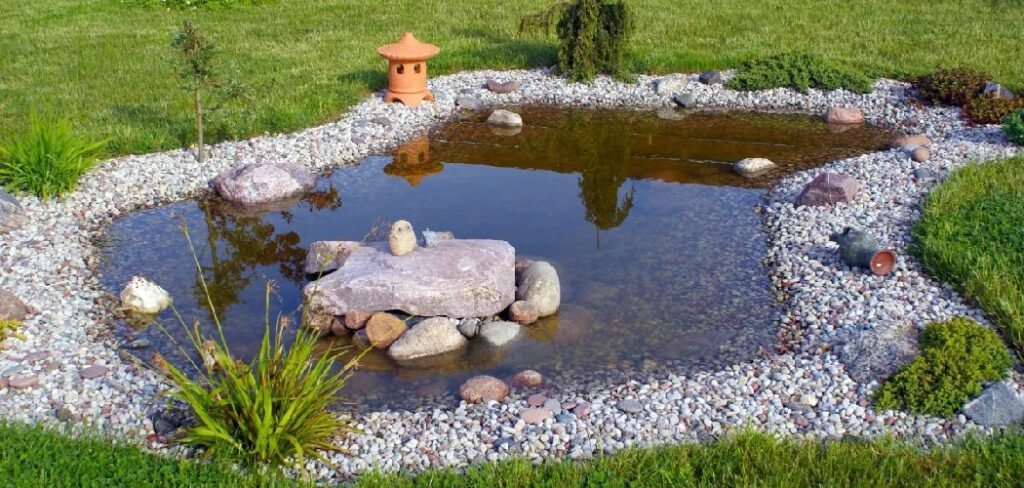
A garden pond can be a beautiful centerpiece for any backyard, creating a tranquil oasis for you and local wildlife. However, the appearance of thick, green moss can quickly turn your serene water feature into a murky problem. While some moss can look natural, excessive growth is often a sign of an imbalanced ecosystem. It can compete with your desired aquatic plants for nutrients and light, and in some cases, affect water quality. Learning how to keep moss out of garden pond is essential for maintaining a clear, healthy, and beautiful environment for your fish and plants. This guide will walk you through everything you need to know.
Why Moss Grows in Garden Ponds
Understanding the root cause of moss growth is the first step toward controlling it. Moss, much like algae, thrives in specific conditions. The primary culprit is an excess of nutrients in the water. These nutrients can come from several sources, including fish waste, decaying leaves, leftover fish food, and runoff from fertilized lawns. When sunlight hits this nutrient-rich water, it creates the perfect recipe for moss and algal blooms to flourish. Stagnant water with low oxygen levels also contributes significantly to the problem, as it allows organic debris to settle and decompose, further feeding the moss.
8 Step-by-Step Guide on How to Keep Moss Out of Garden Pond
Step 1: Manual Removal
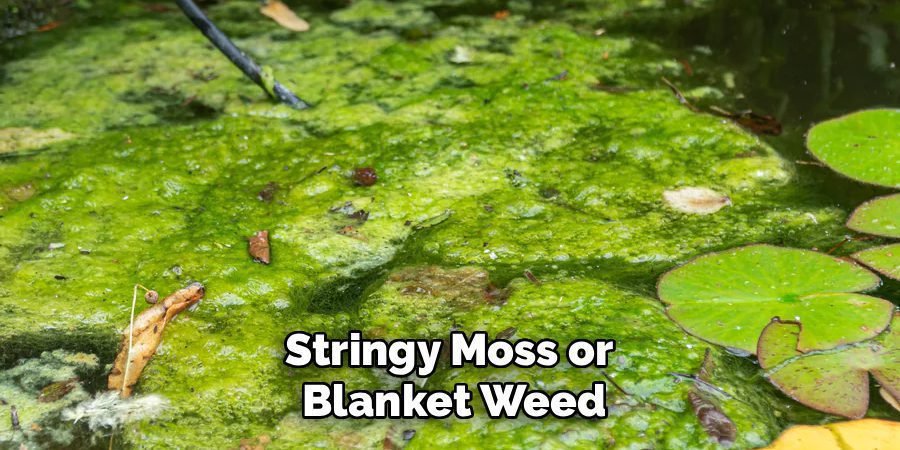
The most direct way to deal with existing moss is to remove it by hand. For stringy moss or blanket weed, you can use a long stick or a specialized pond brush to twirl and pull it out. A fine-meshed net is also effective for scooping out floating moss and other debris. Be thorough but gentle, especially if you have fish or delicate plants. Regular manual removal prevents moss from building up into an unmanageable problem and immediately improves the look of your pond while you address the underlying causes.
Step 2: Introduce Competing Plants
Aquatic plants are your best natural allies in the fight against moss. They compete for the same nutrients moss needs to grow. Introduce a variety of plants to create a balanced ecosystem. Submerged plants like Hornwort and Anacharis absorb nutrients directly from the water column. Floating plants such as water lilies and water hyacinths provide shade, which limits the sunlight available for moss growth. A well-planted pond not only looks beautiful but also creates a healthy, self-sustaining environment that naturally keeps moss in check.
Step 3: Manage Your Fish Population
While fish are a wonderful addition to any pond, they can also contribute to the nutrient load. Overstocking your pond with too many fish leads to an excess of waste, which acts as a powerful fertilizer for moss. As a general rule, aim for no more than one inch of fish per gallon of water. Additionally, be careful not to overfeed them. Only give your fish as much food as they can consume in a few minutes. Any leftover food will sink and decompose, releasing more nutrients into the water.
Step 4: Improve Water Circulation and Aeration
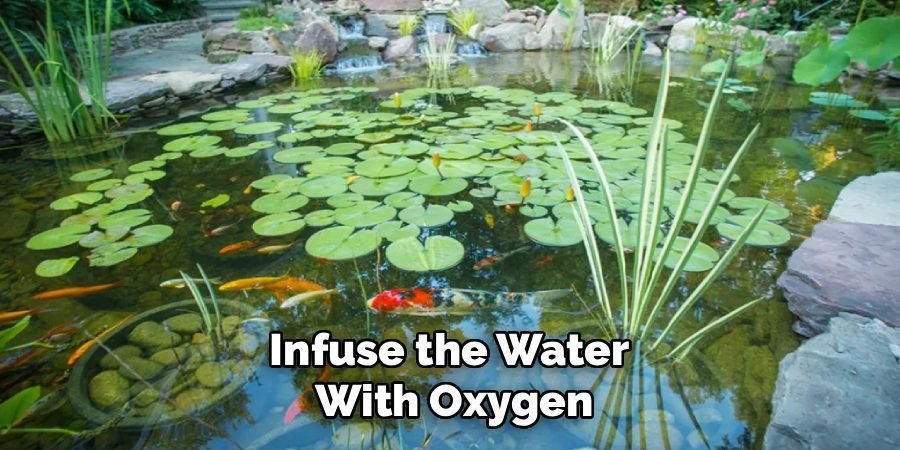
Moss thrives in still, stagnant water. Improving water circulation is a critical step in preventing its growth. Installing a pump, waterfall, or fountain keeps the water moving, which helps to oxygenate it and prevents organic debris from settling. Aeration devices, such as a bubbler or aerator, infuse the water with oxygen. This supports the beneficial bacteria that break down excess nutrients, effectively starving the moss. Good circulation ensures that nutrients and oxygen are evenly distributed, promoting a healthier pond overall.
Step 5: Reduce Sunlight Exposure
Sunlight is a key ingredient for moss growth. While you can’t eliminate it completely, you can reduce the amount of direct sun your pond receives. Planting tall marginal plants or shrubs around the perimeter of the pond can provide natural shade. Floating plants, like water lilies, are also excellent for covering the water’s surface. As a guideline, aim to have about 50-60% of your pond’s surface shaded during the hottest parts of the day. This simple strategy significantly slows down moss and algae development.
Step 6: Use Natural Barley Straw
Barley straw is a traditional and effective natural remedy for controlling moss and algae. When barley straw decomposes in water, it releases compounds that inhibit the growth of new moss cells. You can purchase barley straw in small bales or convenient pellets from most garden and pond supply stores. Simply place the straw in a mesh bag and let it float in your pond. It works slowly as it decomposes, so it’s best used as a preventative measure rather than a quick fix for an existing infestation.
Step 7: Clean Your Pond Regularly
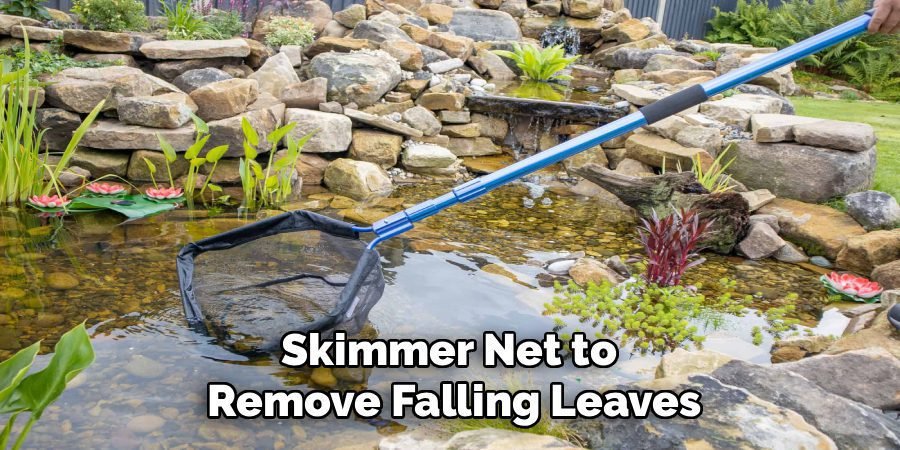
Regular maintenance is key to a healthy pond. Use a skimmer net to remove falling leaves, grass clippings, and other organic debris before they have a chance to sink and decay. If your pond has a filter, clean it according to the manufacturer’s instructions to ensure it’s working efficiently. A partial water change of about 10-25% every few weeks can also help dilute nutrient concentrations and remove dissolved organic compounds, making the environment less hospitable for moss. This is a core part of how to keep moss out of garden pond long-term.
Step 8: Introduce Beneficial Bacteria
Beneficial bacteria are microscopic powerhouses that play a crucial role in maintaining water quality. These naturally occurring microorganisms consume the same nutrients that moss feeds on, including fish waste and organic sludge. You can purchase concentrated formulas of beneficial bacteria to supplement your pond’s natural population. Adding them regularly helps to break down waste more efficiently, clearing the water and creating a balanced ecosystem where moss and algae cannot thrive. It’s a simple, eco-friendly way to maintain clarity.
Frequently Asked Questions (FAQ)
Is Pond Moss Harmful to Fish?
In small amounts, most types of pond moss are not directly harmful to fish and can even provide a source of food for some species. However, excessive growth can become a problem. Thick mats of moss can deplete oxygen levels in the water at night, which can stress or even suffocate fish. It can also entangle small fish or interfere with their swimming. The key is to maintain a balance rather than aiming for complete eradication.
How Long Does It Take for Barley Straw to Work?
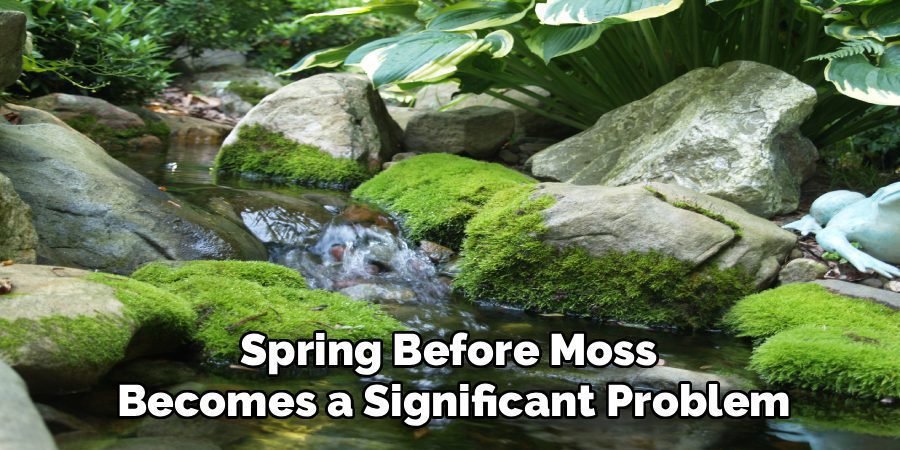
Barley straw works as it decomposes, which is a slow process dependent on water temperature. It typically takes several weeks to start releasing the compounds that inhibit moss and algae growth. In warmer water (above 68°F or 20°C), it might take 2-4 weeks to become effective. In colder water, it can take 6-8 weeks. For this reason, barley straw is best used as a proactive measure, added in the spring before moss becomes a significant problem.
Can I Use Chemical Algaecides to Kill Moss?
Chemical algaecides can be effective at killing moss and algae quickly, but they should be used with extreme caution. These products can harm fish, beneficial bacteria, and other aquatic plants if not used correctly. They also don’t address the underlying cause of the moss growth, which is excess nutrients. If you do opt for a chemical solution, choose one that is specifically rated as safe for fish and plants, and follow the dosage instructions precisely.
What Is the Difference Between Moss and Algae in a Pond?
While often used interchangeably, moss and algae are different. Mosses are simple, non-vascular plants with tiny leaf-like structures and stems. They often grow on rocks or at the pond’s edge. Algae are more primitive organisms. The most common types in ponds are string algae (or blanket weed), which forms long, hair-like filaments, and planktonic algae, which consists of microscopic single cells that turn the water green. Both thrive on excess nutrients and sunlight, so control methods are very similar.
Does a UV Clarifier Help with Pond Moss?
A UV clarifier is highly effective against green water, which is caused by free-floating planktonic algae. As water passes through the UV unit, the ultraviolet light damages the DNA of the algae cells, causing them to clump together so they can be removed by the pond filter. However, a UV clarifier has no effect on string algae or mosses that are attached to surfaces, as they do not pass through the filtration system. It’s a great tool for water clarity but not a complete solution for all types of growth.
Conclusion
A clear, vibrant garden pond is a source of immense pride and joy. By understanding why moss appears and taking consistent, proactive steps, you can create a beautiful and balanced aquatic habitat. The process involves a combination of manual removal, smart planting, proper maintenance, and enhancing your pond’s natural ecosystem. There’s no single magic bullet, but a holistic approach will always yield the best results. Now that you know how to keep moss out of garden pond, you have the power to transform your water feature into the stunning centerpiece it was meant to be.

About Ravuk Barg
B.Sc. Horticulture Science | Certified Master Gardener
Ravuk Barg has spent more than a decade with his hands in the soil and his head full of questions about why some gardens thrive while others struggle. What started as a single raised bed of tomatoes and basil in a modest backyard has grown into a deep, working knowledge of everything from seed germination and soil amendment to companion planting and seasonal pruning.
Over the years, Ravuk has gardened through drought summers, waterlogged springs, and pest invasions that would make most gardeners hang up their trowels for good. Those hard seasons, he’ll tell you, taught him more than any perfect growing year ever could. He writes from that earned experience—covering vegetable growing, ornamental planting, houseplant care, composting, and garden design with equal confidence and curiosity.
Philosophy & Approach
Ravuk’s approach to gardening is rooted in practicality. He favors organic methods not out of dogma, but because they work long-term—resulting in healthier soil, fewer inputs, and stronger plants. He has a particular fondness for heirloom vegetable varieties (the kind with proper flavor), unruly cottage-style flower beds, and the stubborn houseplants that everyone else gave up on.
The Mission: Give readers the honest, experience-backed advice that helps them actually succeed in their gardens—not just the ideal version, but the real one; weeds, failures, and all.
Education & Credentials
-
B.Sc. in Horticulture Science
-
Greenfield Agricultural University
-
Focus: Plant Physiology, Soil Ecology, and Sustainable Crop Production
-
-
Master Gardener Certification
-
Cooperative Extension Service
-
Focus: 200+ hours of hands-on practical training and community garden work
-
Continuing Education
-
Organic Pest Management
-
Native Plant Landscaping
-
Sustainable Crop Production