

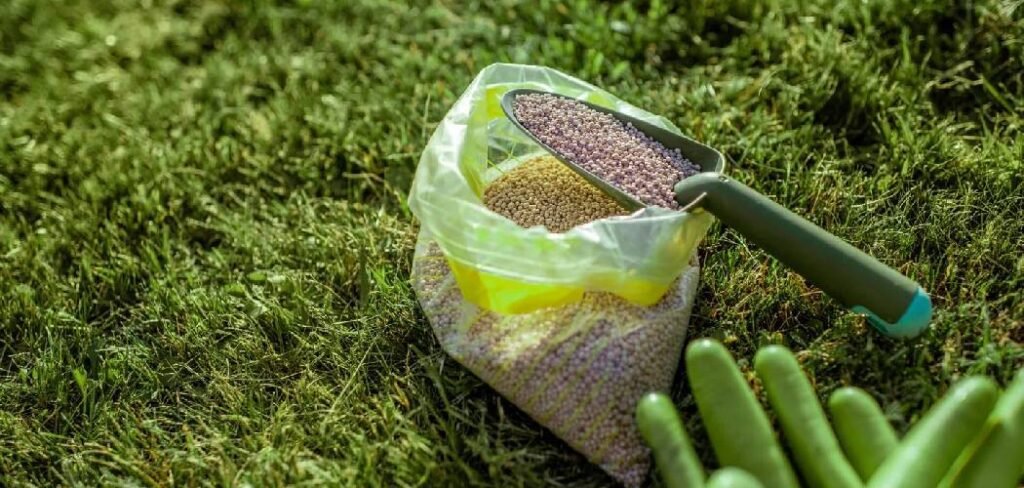
A lush, green lawn is the pride of many homeowners, but achieving that perfect carpet of grass often requires more than just sunlight and water. This is where lawn fertilizer comes in. It provides the essential nutrients your lawn needs to thrive, grow strong, and fend off weeds and diseases. Understanding how does lawn fertilizer work can feel complex with all the numbers and ingredients listed on the bag. This guide will demystify the process, breaking down the science into simple, actionable steps. We will explore what those N-P-K ratios mean, how grass absorbs nutrients, and the best way to apply fertilizer for a healthy, vibrant lawn you can enjoy all season long.
Why Understanding How Lawn Fertilizer Works Matters
Grasping the fundamentals of how lawn fertilizer works is crucial for any homeowner aiming for a healthy yard. When you understand the process, you move from simply spreading granules to strategically feeding your turf. This knowledge helps you select the right product for your specific grass type and soil conditions, preventing common mistakes like over-fertilization, which can burn the grass, or under-fertilization, which leads to a weak, patchy lawn. It also empowers you to diagnose problems more effectively. A yellowing lawn might not just be thirsty; it could be crying out for nitrogen. Knowing the role of each nutrient allows you to provide targeted care, ensuring your efforts and money result in a genuinely beautiful and resilient lawn.
7 Step-by-Step Guide on How Does Lawn Fertilizer Work
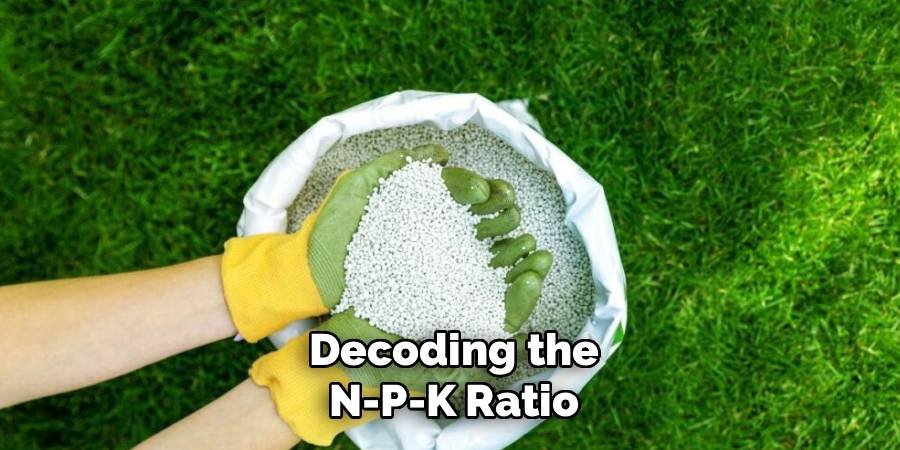
Step 1: Decoding the N-P-K Ratio
The three numbers prominently displayed on every fertilizer bag—like 10-10-10 or 24-0-6—represent the percentage of Nitrogen (N), Phosphorus (P), and Potassium (K) by weight. These are the three primary macronutrients your lawn craves. Nitrogen is the star player for creating lush, green, leafy growth. Phosphorus is essential for strong root development, helping the grass establish itself and absorb other nutrients efficiently. Potassium boosts the overall resilience of the plant, improving its ability to withstand drought, disease, and extreme temperatures. Understanding this ratio is the first step in choosing the right diet for your lawn’s specific needs throughout the year.
Step 2: Nutrients Are Released into the Soil
Once you spread the fertilizer granules across your lawn, the magic begins when water is introduced. Whether from rainfall or your sprinkler system, water dissolves the granules, releasing the nitrogen, phosphorus, and potassium into the soil. Fertilizers come in two main types: quick-release and slow-release. Quick-release formulas dissolve rapidly, providing an immediate nutrient boost that can green up a lawn fast. Slow-release versions have a special coating that breaks down over time, feeding the lawn steadily for several weeks or months. This controlled feeding is often preferred as it reduces the risk of burning the grass and provides more consistent growth.
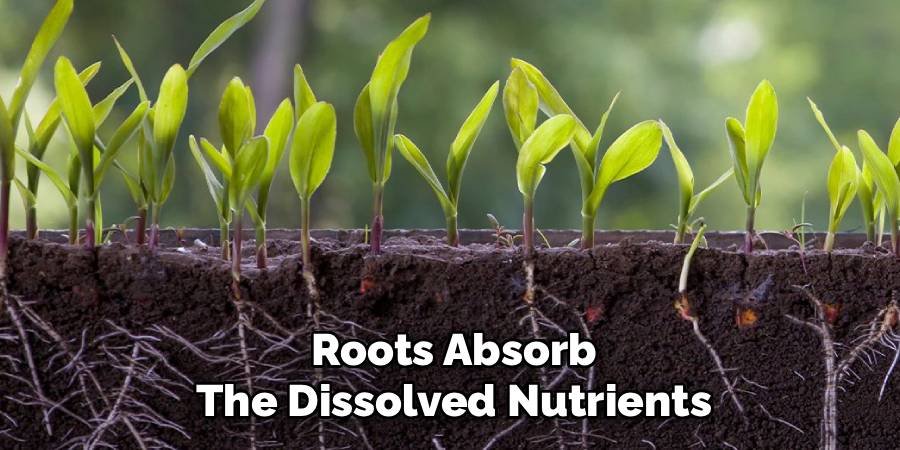
Step 3: Roots Absorb the Dissolved Nutrients
Your lawn doesn’t “eat” the fertilizer granules directly. Instead, the grass roots absorb the nutrients once they have dissolved into the soil moisture. This nutrient-rich water, known as soil solution, is drawn up through the root system. This is why watering your lawn after applying fertilizer is not just a suggestion—it’s a critical step. Without water, the nutrients remain locked in the granules, unavailable to the plant. A healthy, deep root system, encouraged by proper watering and the right amount of phosphorus, is far more effective at absorbing these essential elements, leading to a stronger, healthier plant above ground.
Step 4: How Does Lawn Fertilizer Work for Photosynthesis?
Nitrogen, once absorbed by the roots, plays a direct role in photosynthesis—the process plants use to convert sunlight into energy. It is a core component of chlorophyll, the pigment that gives grass its green color and is responsible for capturing light energy. With an adequate supply of nitrogen, your lawn can produce more chlorophyll, making it greener and more efficient at creating food for itself. This results in vigorous top growth, giving you that dense, carpet-like appearance. A nitrogen deficiency is often easy to spot, as it causes the grass blades to turn a pale, yellowish-green.
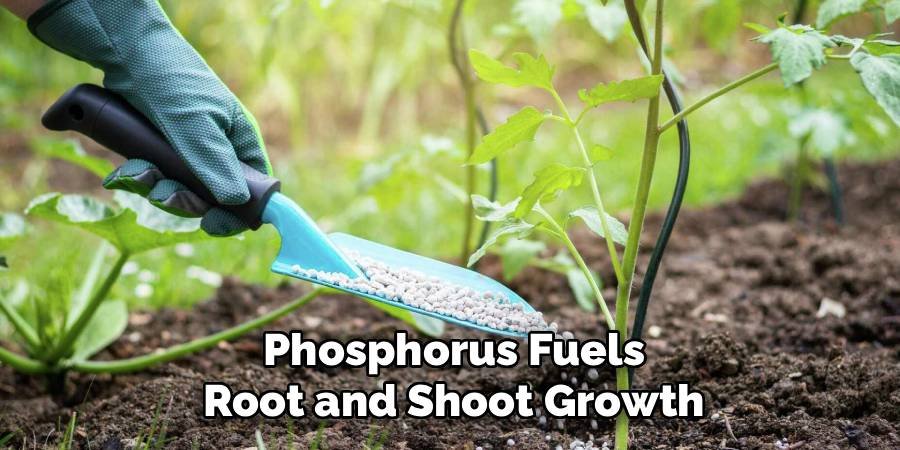
Step 5: Phosphorus Fuels Root and Shoot Growth
While nitrogen focuses on the green on top, phosphorus works its magic below the surface and at the growth points. This nutrient is a powerhouse for energy transfer within the plant. It is vital for developing a robust root system, especially in new lawns or after seeding. Strong roots anchor the turf and are more effective at finding water and absorbing other nutrients from the soil. Phosphorus also fuels the growth of new grass shoots, helping the lawn become thicker and more resilient. This is why starter fertilizers, designed for new sod or seed, typically have a higher phosphorus content.
Step 6: Potassium Strengthens and Protects the Grass
Potassium acts as the lawn’s personal trainer and bodyguard. It doesn’t directly contribute to growth in the same way as nitrogen or phosphorus, but its role is just as important. Potassium helps regulate many internal processes, including water movement within the plant, which enhances its tolerance to drought and heat stress. It also strengthens the cell walls of the grass blades, making the lawn more durable and better able to withstand foot traffic and resist fungal diseases. Applying a fertilizer with adequate potassium, especially in late fall, helps prepare your lawn to survive the harsh winter months.
Step 7: The Complete Cycle Creates a Healthy Lawn
Ultimately, understanding how does lawn fertilizer work means seeing how these elements function together. Nitrogen greens the blades, phosphorus builds the roots, and potassium toughens the entire plant. A balanced fertilizer application ensures the grass has everything it needs to perform all its biological functions optimally. The result is a lawn that is not just superficially green but is genuinely healthy from the roots up. This holistic health makes it naturally more competitive against weeds, more resilient to environmental stresses like drought and heat, and quicker to recover from damage or disease.

Frequently Asked Questions (FAQ)
What Do the Three Numbers on a Fertilizer Bag Mean?
The three numbers (e.g., 20-5-10) represent the percentage of the three main nutrients your lawn needs. They are always listed in the same order:
- N (Nitrogen): Promotes green, leafy top growth.
- P (Phosphorus): Supports strong root development and energy transfer.
- K (Potassium): Boosts overall plant health, and resistance to disease and stress.
A 50-pound bag of 20-5-10 fertilizer contains 10 pounds of nitrogen (20% of 50), 2.5 pounds of phosphorus (5% of 50), and 5 pounds of potassium (10% of 50).
When Is the Best Time to Fertilize My Lawn?
The best time to fertilize depends on your grass type and climate. For cool-season grasses (like Kentucky bluegrass and fescue), the most important feedings are in the fall and spring. For warm-season grasses (like Bermuda and Zoysia), fertilize during the summer months when they are actively growing. As a general rule, avoid fertilizing during extreme heat or drought, as this can stress or burn the lawn. Many homeowners follow a schedule based on holidays like Memorial Day, Labor Day, and Columbus Day to stay consistent.
Can I Over-Fertilize My Lawn?
Yes, you can definitely over-fertilize your lawn, which can cause significant damage. Applying too much fertilizer, especially quick-release nitrogen, can “burn” the grass, leading to yellow or brown patches and even killing it. Excess fertilizer can also lead to a buildup of salts in the soil, which harms beneficial microorganisms and can pollute local water sources through runoff. Always follow the application rates recommended on the product label and use a properly calibrated spreader to ensure even coverage.
Should I Water My Lawn After Fertilizing?
Yes, watering your lawn after applying a granular fertilizer is essential. Watering does two important things: it washes the fertilizer granules off the grass blades and down into the soil, preventing leaf burn. More importantly, it dissolves the granules, allowing the nutrients to be absorbed by the root system. Aim to apply about a half-inch of water from either rainfall or a sprinkler within 24 hours of application. Without water, the fertilizer will simply sit on the surface and be ineffective.
What Is the Difference Between Slow-Release and Quick-Release Fertilizer?
Quick-release fertilizers are made of water-soluble nutrients that are immediately available to the grass, providing a rapid green-up. However, they have a higher risk of burning the lawn and their effects don’t last as long. Slow-release fertilizers have nutrients coated in a material that breaks down over time, feeding the lawn steadily for 6-8 weeks or more. This promotes more even, consistent growth, reduces the risk of burn, and is generally better for long-term lawn health. Many modern fertilizers contain a mix of both types.
Conclusion
A beautiful lawn is a direct result of understanding its needs and providing the right care. Now that you have a clearer picture of the science involved, you can approach lawn care with more confidence. The process is a cycle: water activates the nutrients in the soil, which are then absorbed by the roots to fuel everything from the green color in the blades to the plant’s overall strength. By selecting the right N-P-K ratio and applying it correctly, you give your grass the balanced diet it needs to thrive. Armed with this knowledge of how does lawn fertilizer work, you are well-equipped to cultivate a healthier, greener, and more resilient lawn.

About Ravuk Barg
B.Sc. Horticulture Science | Certified Master Gardener
Ravuk Barg has spent more than a decade with his hands in the soil and his head full of questions about why some gardens thrive while others struggle. What started as a single raised bed of tomatoes and basil in a modest backyard has grown into a deep, working knowledge of everything from seed germination and soil amendment to companion planting and seasonal pruning.
Over the years, Ravuk has gardened through drought summers, waterlogged springs, and pest invasions that would make most gardeners hang up their trowels for good. Those hard seasons, he’ll tell you, taught him more than any perfect growing year ever could. He writes from that earned experience—covering vegetable growing, ornamental planting, houseplant care, composting, and garden design with equal confidence and curiosity.
Philosophy & Approach
Ravuk’s approach to gardening is rooted in practicality. He favors organic methods not out of dogma, but because they work long-term—resulting in healthier soil, fewer inputs, and stronger plants. He has a particular fondness for heirloom vegetable varieties (the kind with proper flavor), unruly cottage-style flower beds, and the stubborn houseplants that everyone else gave up on.
The Mission: Give readers the honest, experience-backed advice that helps them actually succeed in their gardens—not just the ideal version, but the real one; weeds, failures, and all.
Education & Credentials
-
B.Sc. in Horticulture Science
-
Greenfield Agricultural University
-
Focus: Plant Physiology, Soil Ecology, and Sustainable Crop Production
-
-
Master Gardener Certification
-
Cooperative Extension Service
-
Focus: 200+ hours of hands-on practical training and community garden work
-
Continuing Education
-
Organic Pest Management
-
Native Plant Landscaping
-
Sustainable Crop Production