

Backyard birdwatching is one of the most relaxing hobbies you can have, but nothing ruins the tranquility faster than a swarm of mosquitoes. These pests aren’t just annoying for you; they can also pose health risks to your feathered visitors. Standing water is an open invitation for mosquitoes to lay their eggs, turning your beautiful garden feature into a breeding ground.
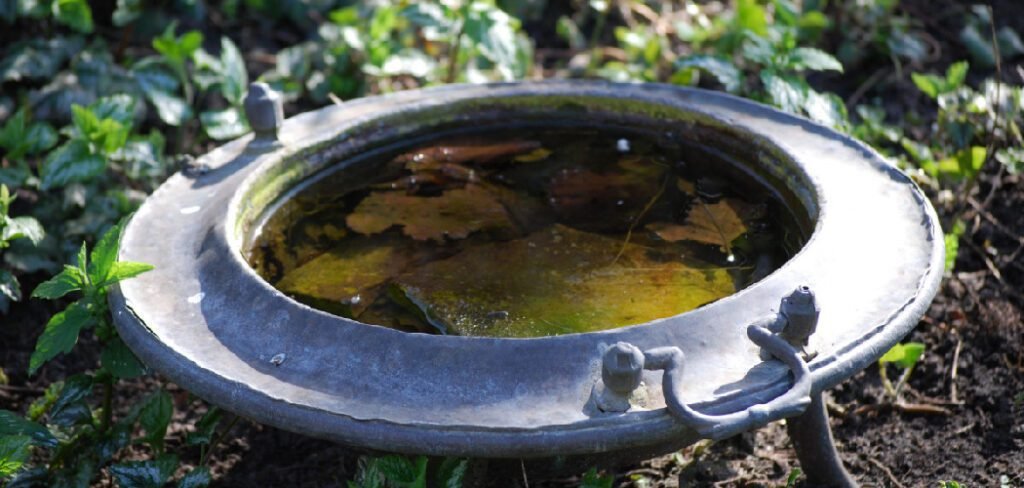
Fortunately, maintaining a safe and clean environment for your local wildlife is easier than you might think. By learning how to keep mosquitoes out of bird bath water, you protect your garden ecosystem and ensure your avian friends have a safe place to drink and bathe. Let’s dive into some practical, chemical-free methods to solve this common problem.
Mosquito Control Is Crucial for Bird Baths
Mosquitoes are incredibly efficient breeders. A female mosquito only needs about an inch of stagnant water to lay hundreds of eggs, which can hatch into larvae in as little as 48 hours. If left unchecked, a single bird bath can populate your entire yard with biting insects within a week. Beyond the itchiness they cause humans, mosquitoes carry diseases like West Nile Virus and avian malaria, which can be fatal to many bird species.
Keeping your water features clean isn’t just about aesthetics; it is a matter of health and safety for the wildlife you are trying to attract. When you disrupt the mosquito breeding cycle, you make your garden more enjoyable for everyone. Birds are more likely to visit a fresh, clean water source, and you won’t have to swat away pests while trying to enjoy your morning coffee on the patio.
8 Step-by-Step Guide on How To Keep Mosquitoes Out Of Bird Bath
Step 1: Change the Water Regularly
The absolute most effective way to prevent mosquito larvae from developing is simply changing the water frequently. Mosquito eggs need still, stagnant water to hatch and thrive, and the larvae require several days in that water to mature into adults. By dumping out the old water and refilling the basin every two to three days, you disrupt their life cycle completely before they ever have a chance to bite.
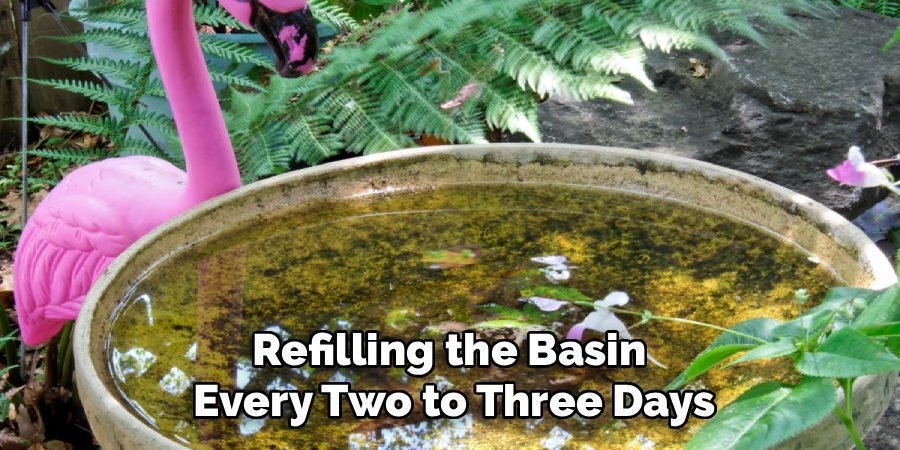
This manual refresh also keeps the water appealing to birds, who prefer fresh resources over dirty, algae-filled puddles. Make this a part of your regular garden routine, perhaps while you are watering your plants, to ensure no pests can take hold.
Step 2: Install a Solar Fountain or Bubbler
Mosquitoes are terrible swimmers and cannot lay their eggs in moving water. Adding a source of agitation is a brilliant strategy for mosquito control. A simple solar-powered fountain or a battery-operated bubbler creates ripples and movement across the surface of the bath. This constant motion prevents the female mosquitoes from landing on the surface tension to deposit their eggs.
Furthermore, if any eggs were already laid, the turbulence often prevents the larvae from surfacing to breathe, effectively drowning them. The sound of trickling water also acts as a magnet for birds, attracting more species to your yard while simultaneously solving your pest problem.
Step 3: Scrub the Basin Weekly
Even if you are diligent about changing the water, algae and bacterial biofilm can build up on the bottom and sides of the basin over time. This organic matter provides food for mosquito larvae if any do manage to hatch. To combat this, you should give the bird bath a thorough scrubbing at least once a week.
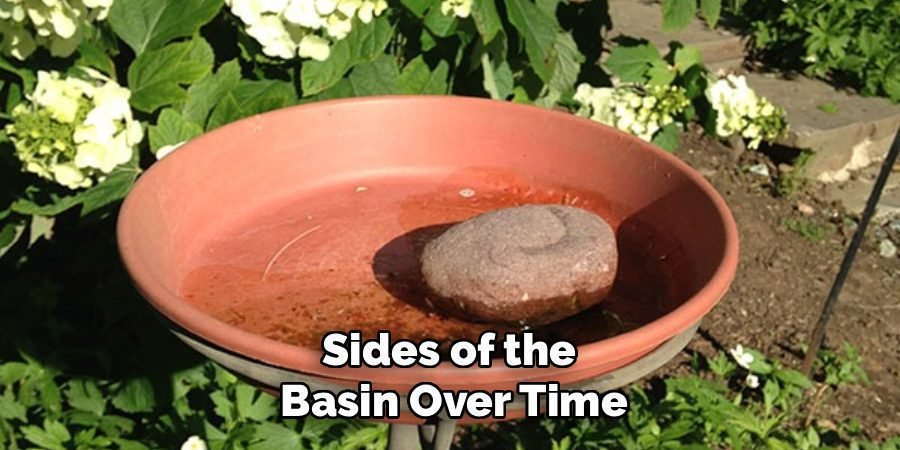
Use a stiff brush and a solution of nine parts water to one part vinegar to scrub away algae, droppings, and debris. Rinse the basin thoroughly before refilling it with fresh water. This creates a sterile environment where larvae cannot find the nutrients they need to survive, making your efforts on how to keep mosquitoes out of bird bath setups much more successful.
Step 4: Use Bacterial Larvicides (BTI)
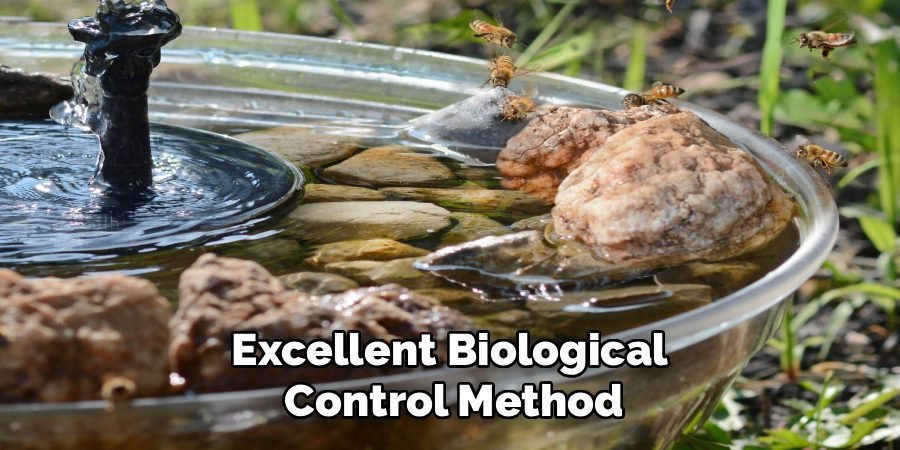
If you have a large bird bath or cannot change the water as often as you would like, consider using Bacillus thuringiensis israelensis (BTI). This is a naturally occurring bacterium found in soil that specifically targets mosquito, black fly, and fungus gnat larvae. It is commonly sold as “mosquito dunks” or granules. When added to water, it releases bacteria that are toxic to mosquito larvae but completely harmless to birds, pets, fish, and humans. It is an excellent biological control method. You can break a quarter of a dunk off for a standard bird bath, and it will remain effective for nearly 30 days, providing peace of mind even if you skip a cleaning day.
Step 5: Placement Matters for Airflow
The location of your bird bath plays a surprising role in mosquito prevention. Mosquitoes are weak fliers and prefer calm, sheltered spots where the wind won’t blow them away. If you place your bird bath in a corner of the garden surrounded by dense shrubbery or tall grass, you are creating a perfect, wind-free zone for them. Instead, try to position your bath in a more open area where it can catch a natural breeze. The wind creates ripples on the water surface, mimicking the effect of a fountain, and physically pushes adult mosquitoes away from the area. Open placement also helps predators like dragonflies spot and eat the mosquitoes.
Step 6: Add Mosquito-Repelling Plants Nearby
Nature has its own insect repellents, and you can use them to create a barrier around your water feature. Planting aromatic herbs and flowers such as lavender, marigolds, catnip, or rosemary near the base of your bird bath can deter adult mosquitoes from hanging around the area.
These plants contain essential oils that insects find unpleasant and confusing, masking the scents that attract them. While this method won’t kill larvae already in the water, it discourages adults from approaching the area to lay eggs in the first place. Plus, these plants add beauty and fragrance to your garden, making the bird bath a lovely focal point for human visitors as well.
Step 7: Introduce Natural Predators
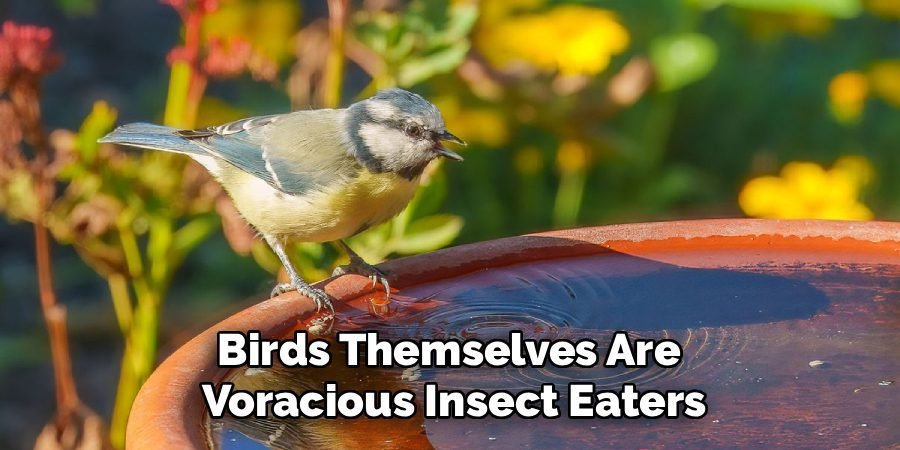
Encouraging natural predators to visit your garden is a holistic approach to pest management. Birds themselves are voracious insect eaters, especially swallows, purple martins, and warblers. By keeping the bird bath clean and inviting, you are already attracting the very animals that will eat the mosquitoes.
However, you can also try to attract other predators like dragonflies and bats. You might install a bat house high up in a nearby tree or plant tall perches for dragonflies. These creatures can consume hundreds or even thousands of mosquitoes in a single night. Creating a balanced ecosystem ensures that even if a few mosquitoes appear, nature has a way of taking care of them.
Step 8: Keep the Surrounding Area Tidy
Mosquitoes don’t just live in the water; the adults rest in tall grass, weeds, and damp piles of leaves during the heat of the day. If the area immediately surrounding your bird bath is overgrown, you are providing a convenient hotel for the parents of the larvae you are trying to eliminate. Keep the grass around the pedestal trimmed short and rake up fallen leaves regularly. Prune back any dense bushes that crowd the bath. By eliminating these cool, damp resting spots, you force the mosquitoes to go elsewhere to find shelter, reducing the overall population in the immediate vicinity of your water feature.
Monitor Water Depth
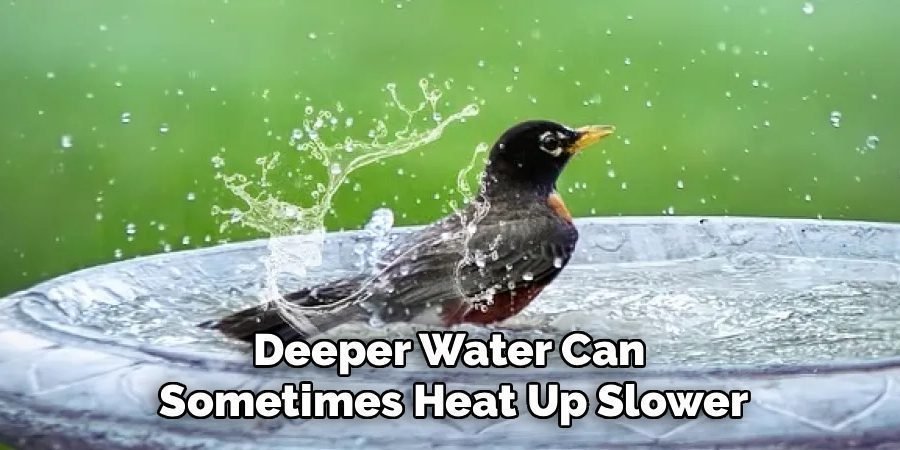
While birds need water to bathe, they don’t need a deep swimming pool. Most backyard birds prefer shallow water that is no more than two to three inches deep. Interestingly, deeper water can sometimes heat up slower and become stagnant faster if not circulated. By keeping the water level shallow, you make it easier to clean and easier for the sun to evaporate small amounts, requiring you to top it off with fresh water more frequently.
This natural turnover helps keep the water fresh. Furthermore, shallow water is less hospitable to large mosquito breeding events compared to deep, neglected barrels of water. It is a small adjustment that helps with how to keep mosquitoes out of bird bath maintenance.
Frequently Asked Questions (FAQ)
Is It Safe To Use Bleach To Clean A Bird Bath?
It is generally better to avoid bleach if possible, as residue can be harmful to birds if not rinsed perfectly. However, if you have a severe algae or disease problem, you can use a weak bleach solution:
- Ratio: Use one part chlorine bleach to nine parts water.
- Scrub: Wash the basin thoroughly.
- Rinse: Rinse multiple times until there is absolutely no smell of bleach remaining before refilling.
- Alternative: White vinegar is a safer, non-toxic alternative for regular cleaning.
How Often Should I Change The Bird Bath Water?
To effectively prevent mosquito breeding and keep birds healthy, you should change the water frequently.
- Ideal Frequency: Every 2 to 3 days is best.
- Minimum: At least twice a week.
- Why: Mosquito eggs hatch in about 48 hours. Dumping the water before they hatch breaks the cycle.
- Bonus: Fresh water attracts more birds and prevents algae buildup.
Will Copper Pennies Stop Algae And Mosquitoes?
Copper does have some algicidal properties, but it is not a complete solution for mosquitoes.
- Effectiveness: Throwing pennies in a bird bath might slightly slow algae growth due to copper ions, but it won’t stop mosquitoes from laying eggs.
- Safety: Pennies minted after 1982 are mostly zinc, which can be toxic to birds if ingested or leached into the water.
- Recommendation: Rely on scrubbing and water changes rather than coins.
Can I Use Vegetable Oil To Kill Mosquito Larvae?
While oil creates a surface film that suffocates larvae, it is dangerous for birds.
- The Risk: If oil gets on a bird’s feathers, it ruins their insulation and waterproofing, which can lead to hypothermia and death.
- Verdict: Never add oil (vegetable, mineral, or otherwise) to water intended for wildlife.
- Safe Alternative: Use a solar fountain to create ripples or BTI dunks which are safe for birds.
What Are Mosquito Dunks And Are They Safe For Birds?
Mosquito Dunks are a biological control product containing Bacillus thuringiensis israelensis (BTI).
- How they work: The bacteria produces a toxin that specifically targets the gut of mosquito and black fly larvae.
- Safety: They are non-toxic to birds, bees, butterflies, pets, fish, and humans.
- Usage: You can float a dunk (or a piece of one) in your bird bath to kill larvae for up to 30 days.
Conclusion
Creating a welcoming oasis for birds doesn’t mean you have to roll out the red carpet for mosquitoes. By staying consistent with your cleaning routine and introducing movement to the water, you can easily maintain a pest-free environment. Remember, the key is vigilance—stagnant water is the enemy. Whether you choose to install a solar bubbler, use BTI dunks, or simply refresh the water every few days, you now have the knowledge on how to keep mosquitoes out of bird bath water effectively. Your efforts will be rewarded with a lively, healthy garden filled with the songs of happy, mosquito-free birds.

About Ravuk Barg
B.Sc. Horticulture Science | Certified Master Gardener
Ravuk Barg has spent more than a decade with his hands in the soil and his head full of questions about why some gardens thrive while others struggle. What started as a single raised bed of tomatoes and basil in a modest backyard has grown into a deep, working knowledge of everything from seed germination and soil amendment to companion planting and seasonal pruning.
Over the years, Ravuk has gardened through drought summers, waterlogged springs, and pest invasions that would make most gardeners hang up their trowels for good. Those hard seasons, he’ll tell you, taught him more than any perfect growing year ever could. He writes from that earned experience—covering vegetable growing, ornamental planting, houseplant care, composting, and garden design with equal confidence and curiosity.
Philosophy & Approach
Ravuk’s approach to gardening is rooted in practicality. He favors organic methods not out of dogma, but because they work long-term—resulting in healthier soil, fewer inputs, and stronger plants. He has a particular fondness for heirloom vegetable varieties (the kind with proper flavor), unruly cottage-style flower beds, and the stubborn houseplants that everyone else gave up on.
The Mission: Give readers the honest, experience-backed advice that helps them actually succeed in their gardens—not just the ideal version, but the real one; weeds, failures, and all.
Education & Credentials
-
B.Sc. in Horticulture Science
-
Greenfield Agricultural University
-
Focus: Plant Physiology, Soil Ecology, and Sustainable Crop Production
-
-
Master Gardener Certification
-
Cooperative Extension Service
-
Focus: 200+ hours of hands-on practical training and community garden work
-
Continuing Education
-
Organic Pest Management
-
Native Plant Landscaping
-
Sustainable Crop Production