

Composting is a fantastic way to reduce waste and create nutrient-rich soil for your garden. However, discovering a writhing mass of maggots in your compost bin can be a startling and unpleasant experience for any gardener. While these larvae are part of the natural decomposition process, an infestation can signal an imbalance in your compost pile. Learning how to keep maggots out of compost bin is not about eliminating all insects, but about creating a healthy, balanced environment that is less attractive to flies.
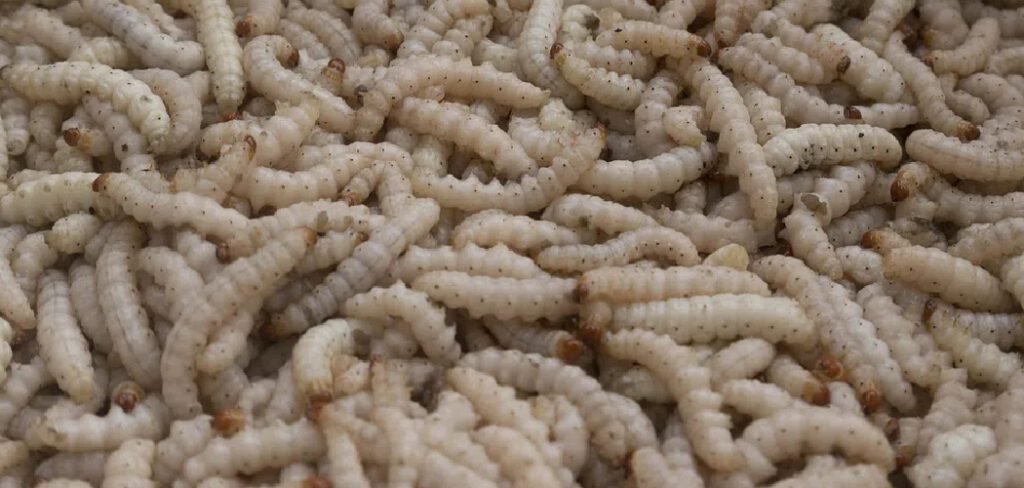
This guide will walk you through simple, effective strategies to manage your compost and prevent these unwelcome guests from taking over, ensuring your composting journey is successful and stress-free.
Why a Maggot-Free Compost Bin Matters
Finding maggots in your compost can be alarming, but it’s important to understand why managing their population is beneficial. Maggots are the larvae of flies, most commonly the Black Soldier Fly or the common housefly. While Black Soldier Fly larvae are excellent decomposers and can be beneficial, a large number of any maggot, especially housefly larvae, often indicates a problem. An overabundance of maggots suggests your compost is too wet, contains an excess of nitrogen-rich “green” materials like kitchen scraps, or is not getting enough air.
These conditions can lead to foul odors and a slimy, inefficient decomposition process. Maintaining a balanced compost bin not only keeps maggots at bay but also promotes a healthier, faster, and more pleasant composting experience.
9 Step-by-Step Guide on How to Keep Maggots Out of Compost Bin
Step 1: Maintain the Right Carbon-to-Nitrogen Ratio
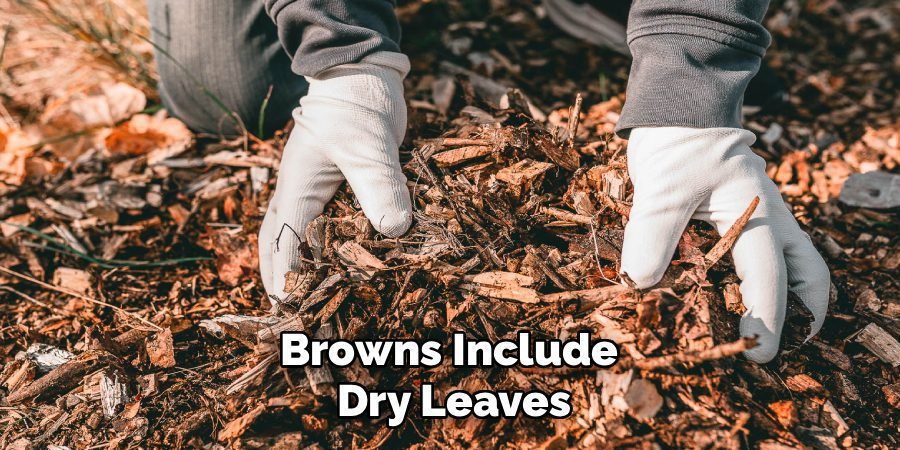
The foundation of a healthy compost pile is balancing “browns” (carbon-rich materials) and “greens” (nitrogen-rich materials). Maggots thrive on excess nitrogen from food scraps. To counter this, aim for a ratio of roughly two to three parts brown material for every one part green material. Browns include dry leaves, twigs, sawdust, cardboard, and newspaper. Greens consist of fruit and vegetable scraps, coffee grounds, and grass clippings. When you add kitchen waste, always follow it with a generous layer of browns. This practice helps absorb excess moisture and covers the food source that attracts flies in the first place.
Step 2: Bury Your Food Scraps Deeply
Flies are opportunistic and look for easy-to-access places to lay their eggs. Simply tossing your kitchen scraps on top of the compost pile is an open invitation. A crucial preventative measure is to always bury your food waste. Dig a small hole in the center of your compost pile, at least 8-10 inches deep, and deposit your green materials there. Afterward, cover the scraps completely with the surrounding compost and add an extra layer of brown material on top. This simple action makes it much more difficult for flies to find and access the decomposing food, effectively breaking their life cycle.
Step 3: Avoid Meat, Dairy, and Oily Foods
Not all food waste is created equal when it comes to composting. Certain items are magnets for flies and other pests while also causing foul odors. You should strictly avoid adding meat, fish, bones, dairy products, and oily or greasy foods to your home compost bin. These materials decompose slowly and putrefy, creating the exact smelly, wet conditions that flies find irresistible for laying eggs. Sticking to plant-based kitchen scraps, coffee grounds, and eggshells will significantly reduce the likelihood of attracting flies and dealing with a subsequent maggot problem.
It is a key part of learning how to keep maggots out of your compost bin.
Step 4: Ensure Proper Aeration
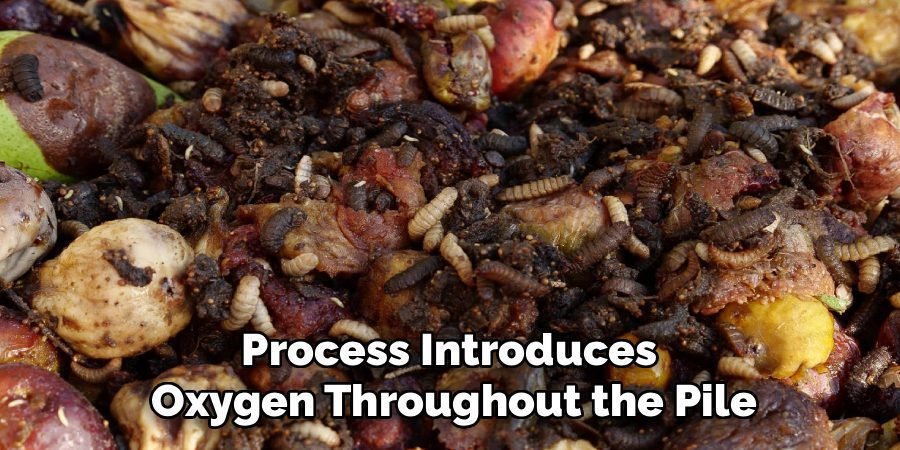
A well-aerated compost pile is a healthy one. Maggots prefer anaerobic (oxygen-deprived) environments that are overly moist and compacted. To prevent these conditions, you need to turn your compost regularly. Use a pitchfork, compost aerator tool, or a simple garden fork to mix the contents of your bin at least once a week. This process introduces oxygen throughout the pile, which speeds up decomposition, distributes moisture evenly, and disrupts any fly eggs or larvae that may be present. Regular turning helps maintain higher temperatures in the core of the pile, further discouraging maggot survival.
Step 5: Manage Moisture Levels
The ideal compost pile should be moist, like a wrung-out sponge, but never soggy or waterlogged. Too much moisture creates a slimy, smelly environment that is perfect for maggots. If your compost is too wet, add more dry brown materials like shredded cardboard, sawdust, or dry leaves to absorb the excess liquid. If you have a lidded bin, keep the lid on during heavy rain. Conversely, if the pile is too dry, decomposition will slow down. You can lightly spray it with a hose to add moisture. Proper moisture management is a critical step in preventing maggots.
Step 6: Increase the Compost Pile’s Temperature
Hot composting is an extremely effective method for preventing maggot infestations. A compost pile that reaches internal temperatures of 130-160°F (55-70°C) will not only kill fly larvae and eggs but also destroy weed seeds and pathogens. To achieve these temperatures, you need a sufficiently large pile (at least 3x3x3 feet), a good balance of browns and greens, adequate moisture, and regular turning. While not all home composters will achieve these high temperatures consistently, actively managing your pile to generate heat will make it a far less hospitable place for flies to reproduce.
Step 7: Utilize a Secure Compost Bin with a Lid
An open compost pile is more vulnerable to pests. Using a compost tumbler or a bin with a secure, tight-fitting lid is one of the easiest ways to create a physical barrier against flies. A lid prevents them from getting in to lay their eggs on the inviting decomposing matter inside. Furthermore, many commercial bins are designed with aeration holes that are too small for flies to pass through but still allow for adequate airflow. If you have a DIY bin, consider adding a heavy lid or covering the top with a sturdy tarp to deny access to pests.
Step 8: Introduce Beneficial Additives
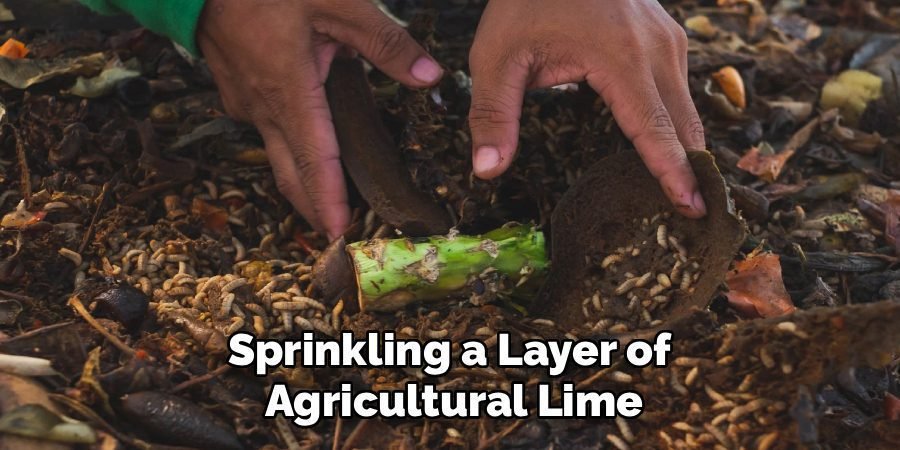
Several natural additives can help deter flies and manage a maggot issue. Sprinkling a layer of agricultural lime, diatomaceous earth, or wood ash over your compost can help. Lime slightly raises the pH, making the environment less acidic and less appealing to some pests, while also helping control odors. Diatomaceous earth, which consists of fossilized aquatic organisms, works by dehydrating insects and larvae it comes into contact with. Wood ash adds potassium to your compost and can also help dry out overly moist spots. Use these additives sparingly to avoid drastically altering your compost’s chemistry.
Step 9: How to Keep Maggots Out of Compost Bin by Freezing Scraps
If you find that flies are constantly hovering around your kitchen compost pail before the scraps even make it to the main bin, try this trick. Keep a large, resealable container or bag in your freezer and add your daily fruit and vegetable scraps to it. Once the container is full, you can empty the frozen block of scraps directly into your main compost pile. Freezing not only eliminates any existing fly eggs that might have been on your fruit peels but also helps break down the cell walls of the food, jump-starting the decomposition process once it thaws in the bin.
Frequently Asked Questions (FAQ)
Are Maggots Actually Bad for My Compost?
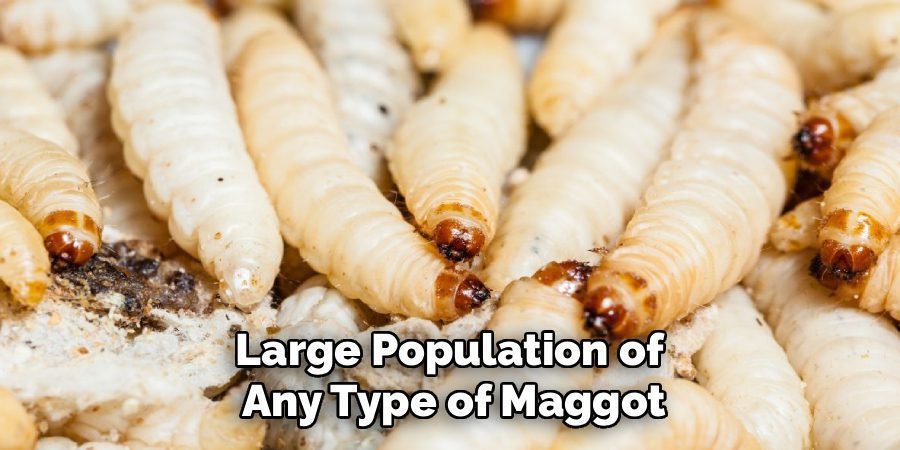
Not necessarily. In many cases, the maggots you see are the larvae of the Black Soldier Fly, which are incredibly efficient decomposers that help break down organic matter quickly. They also help aerate the pile and outcompete housefly larvae. However, a large population of any type of maggot, especially if they are from common houseflies, usually indicates that your compost pile is too wet and has an excess of nitrogen-rich materials. It’s a sign of an imbalance that needs correcting for optimal compost health.
Can I Still Use Compost That Has Had Maggots in It?
Absolutely. The presence of maggots does not ruin the finished compost. Once the decomposition process is complete, the maggots will have either moved on or been broken down into the compost themselves. Finished compost, which should be dark, crumbly, and smell earthy, is perfectly safe and highly beneficial to use in your garden beds, for potting plants, or as a lawn dressing. The maggots are simply part of the decomposition crew, and their past presence doesn’t detract from the final product’s quality.
How Can I Tell the Difference Between Good and Bad Maggots?
The most common “good” maggots are Black Soldier Fly larvae. They are larger, grayish-brown or black, and have a segmented, almost armored appearance. They are voracious eaters and work quickly. “Bad” maggots, typically from houseflies or blowflies, are smaller, cream-colored or white, and have a more classic worm-like maggot appearance. While any maggot indicates decomposition, an infestation of housefly larvae is a stronger signal that your pile is smelly, too wet, and potentially contains prohibited items like meat or dairy.
What Should I Do if My Bin Is Already Full of Maggots?
If you have a major infestation, first assess your pile’s conditions. It’s likely too wet. Add a significant amount of carbon-rich “brown” materials like shredded newspaper, cardboard, or dry leaves to absorb moisture and bury the food source. Turn the pile thoroughly to introduce air and break up clumps of larvae. You can also sprinkle a layer of agricultural lime or diatomaceous earth over the surface to help dry it out and deter the maggots. Correcting the underlying imbalance is the most effective long-term solution.
Does a Compost Tumbler Prevent Maggots?
A compost tumbler can be very effective at preventing maggots. The enclosed design creates a physical barrier that stops flies from accessing the organic material to lay their eggs. Furthermore, the tumbling action makes it easy to regularly aerate the entire compost mix, preventing the soggy, anaerobic conditions that maggots favor. While it’s not completely foolproof—flies could potentially enter if the lid isn’t sealed properly—a tumbler significantly reduces the chances of a maggot infestation compared to an open pile.
Conclusion
Creating a thriving compost bin is a rewarding process, and managing pests is a natural part of the learning curve. By focusing on the fundamentals—balancing your greens and browns, burying food waste, managing moisture, and ensuring good aeration—you create an environment that is perfect for decomposition but unattractive to flies. These proactive measures are the key to success. Don’t be discouraged by a few unwelcome visitors; instead, view it as a sign to adjust your technique.
Now that you know how to keep maggots out of compost bin, you can confidently maintain a healthy, productive pile that will yield rich, valuable compost for your garden for years to come.

About Ravuk Barg
B.Sc. Horticulture Science | Certified Master Gardener
Ravuk Barg has spent more than a decade with his hands in the soil and his head full of questions about why some gardens thrive while others struggle. What started as a single raised bed of tomatoes and basil in a modest backyard has grown into a deep, working knowledge of everything from seed germination and soil amendment to companion planting and seasonal pruning.
Over the years, Ravuk has gardened through drought summers, waterlogged springs, and pest invasions that would make most gardeners hang up their trowels for good. Those hard seasons, he’ll tell you, taught him more than any perfect growing year ever could. He writes from that earned experience—covering vegetable growing, ornamental planting, houseplant care, composting, and garden design with equal confidence and curiosity.
Philosophy & Approach
Ravuk’s approach to gardening is rooted in practicality. He favors organic methods not out of dogma, but because they work long-term—resulting in healthier soil, fewer inputs, and stronger plants. He has a particular fondness for heirloom vegetable varieties (the kind with proper flavor), unruly cottage-style flower beds, and the stubborn houseplants that everyone else gave up on.
The Mission: Give readers the honest, experience-backed advice that helps them actually succeed in their gardens—not just the ideal version, but the real one; weeds, failures, and all.
Education & Credentials
-
B.Sc. in Horticulture Science
-
Greenfield Agricultural University
-
Focus: Plant Physiology, Soil Ecology, and Sustainable Crop Production
-
-
Master Gardener Certification
-
Cooperative Extension Service
-
Focus: 200+ hours of hands-on practical training and community garden work
-
Continuing Education
-
Organic Pest Management
-
Native Plant Landscaping
-
Sustainable Crop Production