

Discovering a network of freshly dug holes and tunnels in your once-pristine yard can be incredibly frustrating. More often than not, the culprits are rats, particularly Norway rats, which are notorious for their burrowing habits. These pests are not just an eyesore; their tunnels can damage plant roots, destabilize walkways, and create hidden hazards.
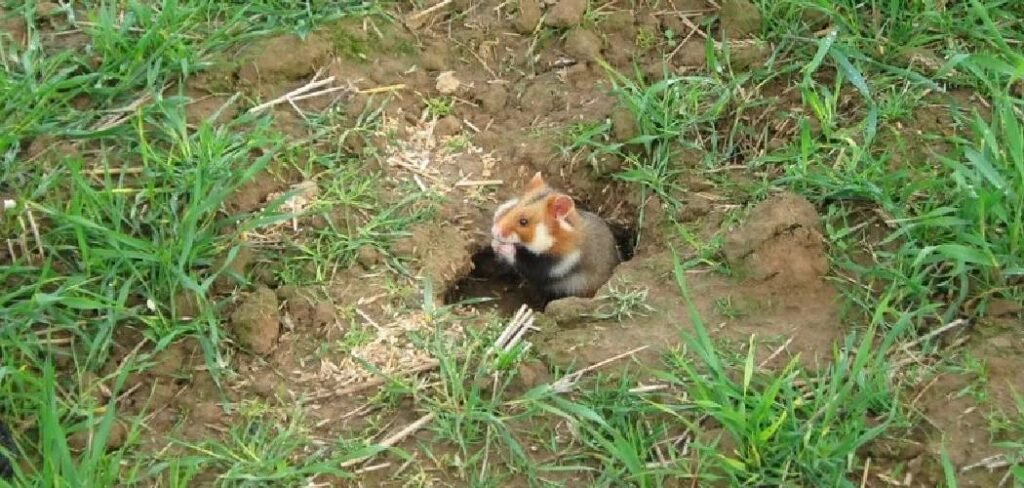
Understanding how to stop rats from digging holes in yard is the first step toward reclaiming your outdoor space and ensuring it remains a safe, beautiful area for you and your family to enjoy. This guide provides a comprehensive, beginner-friendly approach to identifying and solving your rat problem for good.
Why Are Rats Digging in My Yard?
Finding burrows in your lawn is more than a simple annoyance; it’s a clear sign of a significant pest problem. Rats dig for several reasons: to create nests for shelter and breeding, to store food, and to build a hidden network of tunnels for safe travel. These burrows often appear near food sources like bird feeders, compost bins, or garbage cans. The presence of rat tunnels can lead to structural damage to your property, as they can undermine foundations, patios, and retaining walls. Moreover, rats carry diseases that can be transmitted to humans and pets, making their presence a serious health concern. Addressing the issue promptly protects both your property and your well-being.
8 Step-by-Step Guide on How to Stop Rats from Digging Holes in Yard
Step 1: Confirm the Culprit Is Rats
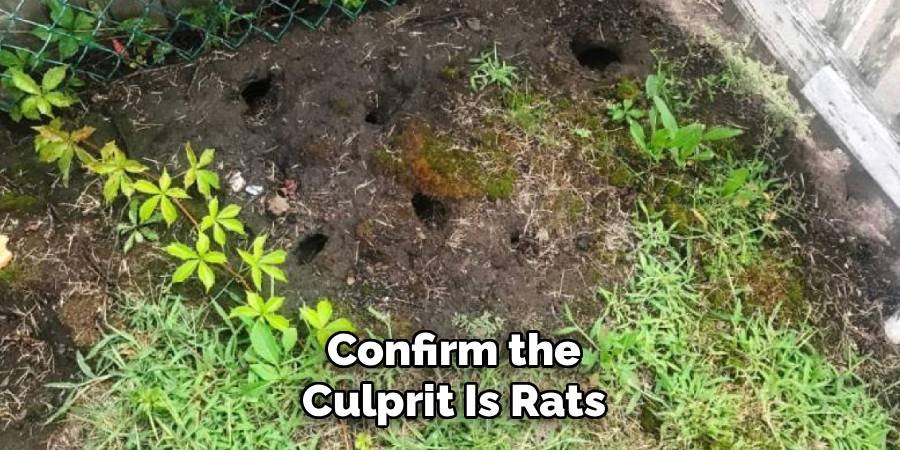
Before taking action, you must confirm that rats are the source of the damage. Rat burrows typically have an entrance hole that is two to four inches in diameter, often with a small mound of excavated dirt nearby. You might also find greasy rub marks along walls or well-worn pathways in the grass leading to the holes. Look for other signs like droppings, which are dark and capsule-shaped, or gnaw marks on wood, plastic, or other materials around your yard.
Step 2: Eliminate All Food Sources
Rats are drawn to yards that offer a reliable food supply. Your first line of defense is to make your property less attractive by removing these sources. Secure garbage and compost bins with tight-fitting lids. Clean up fallen fruit, nuts, or berries from trees and bushes. If you feed birds, switch to a rat-proof feeder or clean up any spilled seeds daily. Pet food should never be left outside, especially overnight, as it is a major attractant.
Step 3: Reduce Water Availability
Like all living creatures, rats need a consistent water source to survive. Eliminating standing water can make your yard far less hospitable. Check for and repair leaky faucets, hoses, or irrigation systems. Empty birdbaths, pet water bowls, and any containers that collect rainwater. Ensuring your yard has proper drainage will also prevent puddles from forming after it rains, further discouraging rats from settling in and starting a family.
Step 4: Clear Away Clutter and Debris
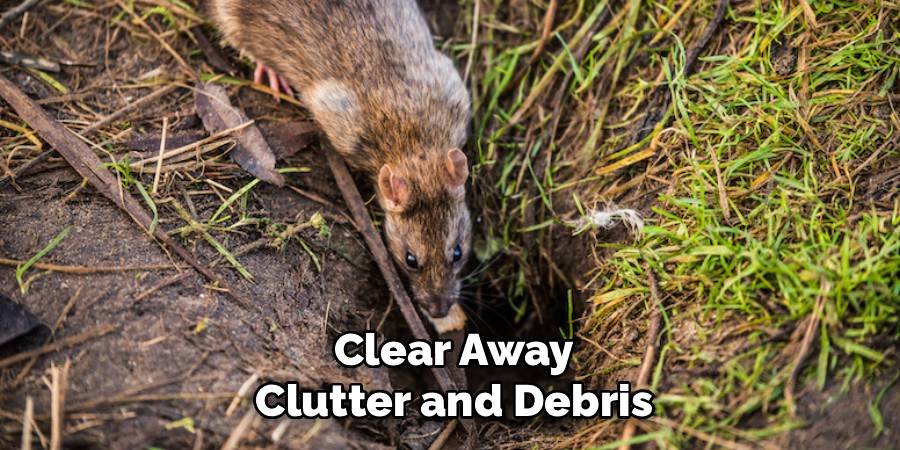
Rats are shy creatures that prefer to stay hidden. Piles of wood, heaps of leaves, overgrown vegetation, and general yard clutter provide perfect cover for them to live and travel unseen. Dedicate time to clearing away any debris from your property. Keep your lawn mowed, trim back dense bushes and shrubs, and store firewood at least 18 inches off the ground and away from walls. A tidy, open yard leaves rats feeling exposed and vulnerable.
Step 5: Seal Entry Points to Your Home
While your main concern might be the yard, it’s crucial to prevent rats from gaining access to your home or shed. Inspect the foundation of your house, garage, and other outbuildings for any cracks or holes larger than a quarter-inch. Seal these openings with steel wool, hardware cloth, or caulk, as rats can chew through materials like plastic, wood, and rubber. Pay close attention to gaps around pipes, vents, and utility lines.
Step 6: How to Stop Rats from Digging Holes in Your Yard by Blocking Burrows
Once you’ve removed attractants, it’s time to address the existing burrows. First, confirm the burrows are active by lightly stuffing the entrance with newspaper or leaves. If the material is pushed out after a day or two, the burrow is in use. To block active burrows, fill them with a mixture of soil and sharp materials like gravel or broken glass to deter re-digging. For a more robust solution, you can use commercially available burrow-blocking mesh.
Step 7: Introduce Natural Deterrents
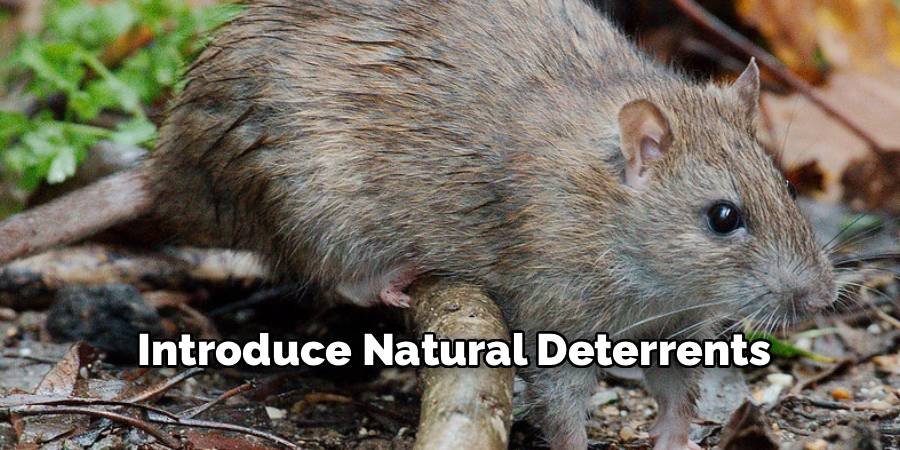
Many natural scents are repulsive to rats and can help drive them away. Planting mint, lavender, or rosemary around your garden beds and property perimeter can act as a natural barrier. You can also soak cotton balls in peppermint oil or ammonia and place them near burrow entrances and known rat pathways. These strong smells overwhelm a rat’s sensitive nose, encouraging them to find a more pleasant place to live. Remember to replace these deterrents regularly.
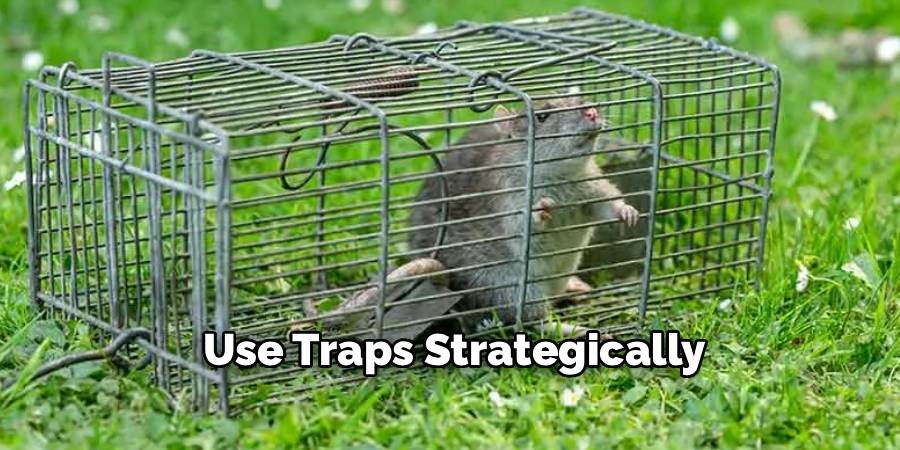
Step 8: Use Traps Strategically
For a persistent infestation, trapping may be necessary. Classic snap traps are effective, humane, and affordable. Place them along walls, behind objects, and near burrow entrances where you have seen signs of activity. Bait the traps with peanut butter, bacon, or dried fruit. Always wear gloves when handling traps to avoid transferring your scent. Check them daily and dispose of any captured rodents promptly and safely to avoid attracting other pests.
Consider Professional Pest Control
If you have tried these methods and the rat population persists or seems to be growing, it may be time to call a professional. Pest control experts have access to commercial-grade rodenticides and advanced techniques that are not available to the public. They can conduct a thorough assessment of your property, identify the scale of the infestation, and implement a targeted treatment plan that is both effective and safe for your family and pets.
Frequently Asked Questions (FAQ)
What Time of Day Are Rats Most Active in the Yard?
Rats are primarily nocturnal, meaning they are most active from dusk until dawn. This is when they typically emerge from their burrows to forage for food, water, and nesting materials. You are most likely to hear scratching or scurrying sounds during the night. However, in cases of a large infestation or limited resources, it is not uncommon to see rats during the day, which often indicates a more serious problem that requires immediate attention.
Can Rat Burrows Cause Damage to My Home’s Foundation?
Yes, extensive rat burrowing can pose a threat to your home’s foundation. Norway rats, the most common burrowing species, create complex tunnel systems that can extend several feet underground. When these tunnels are dug near or under a foundation, they can:
- Displace soil, leading to instability.
- Allow water to seep under the foundation, causing erosion.
- Weaken concrete slabs or footings over time.
Addressing a rat infestation promptly is crucial to prevent this type of long-term structural damage.
Are There Any Plants That Naturally Repel Rats?
Several plants are known for their ability to deter rats due to their strong scents. Planting these around your yard, especially near potential entry points or vulnerable garden areas, can be an effective part of your pest control strategy. Some of the most effective rat-repelling plants include:
- Peppermint
- Rosemary
- Lavender
- Daffodils
- Marigolds
These plants add beauty to your landscape while helping to keep rodents at bay.
Will My Dog or Cat Help Get Rid of Rats in the Yard?
While cats and certain dog breeds (like terriers) are natural predators of rodents, relying on them as your sole method of pest control is often not enough. A pet might catch an occasional rat, but they are unlikely to eliminate an entire established colony. Furthermore, rats can carry diseases and parasites that can be harmful to your pets if they are bitten or if they consume a rat. It is safer to use pets as a deterrent while implementing more comprehensive control methods.
How Can I Tell the Difference Between Rat Holes and Mole Holes?
Distinguishing between rat holes and mole holes is key to choosing the right treatment.
- Rat Holes: The entrance is typically 2-4 inches wide, smooth, and may have a fan-shaped mound of dirt next to it. You will often find multiple holes and signs like droppings or gnaw marks nearby. The tunnels are for shelter and travel.
- Mole Holes: Moles create distinctive volcano-shaped mounds of soil in the lawn (molehills). They do not leave open entrance holes. Their tunnels are shallow feeding tunnels that create raised ridges in the grass.
Conclusion
Reclaiming your yard from burrowing rats requires a persistent and multi-faceted approach. By diligently removing food, water, and shelter, you make your property significantly less appealing to these destructive pests. Sealing burrows, using natural deterrents, and setting traps are effective hands-on measures to manage an existing population. Don’t be discouraged if the problem isn’t solved overnight; consistency is your greatest asset. By following these steps, you now know how to stop rats from digging holes in yard and can look forward to restoring your outdoor space to a safe and beautiful haven.

About Ravuk Barg
B.Sc. Horticulture Science | Certified Master Gardener
Ravuk Barg has spent more than a decade with his hands in the soil and his head full of questions about why some gardens thrive while others struggle. What started as a single raised bed of tomatoes and basil in a modest backyard has grown into a deep, working knowledge of everything from seed germination and soil amendment to companion planting and seasonal pruning.
Over the years, Ravuk has gardened through drought summers, waterlogged springs, and pest invasions that would make most gardeners hang up their trowels for good. Those hard seasons, he’ll tell you, taught him more than any perfect growing year ever could. He writes from that earned experience—covering vegetable growing, ornamental planting, houseplant care, composting, and garden design with equal confidence and curiosity.
Philosophy & Approach
Ravuk’s approach to gardening is rooted in practicality. He favors organic methods not out of dogma, but because they work long-term—resulting in healthier soil, fewer inputs, and stronger plants. He has a particular fondness for heirloom vegetable varieties (the kind with proper flavor), unruly cottage-style flower beds, and the stubborn houseplants that everyone else gave up on.
The Mission: Give readers the honest, experience-backed advice that helps them actually succeed in their gardens—not just the ideal version, but the real one; weeds, failures, and all.
Education & Credentials
-
B.Sc. in Horticulture Science
-
Greenfield Agricultural University
-
Focus: Plant Physiology, Soil Ecology, and Sustainable Crop Production
-
-
Master Gardener Certification
-
Cooperative Extension Service
-
Focus: 200+ hours of hands-on practical training and community garden work
-
Continuing Education
-
Organic Pest Management
-
Native Plant Landscaping
-
Sustainable Crop Production