

A beautiful lawn with perfectly placed furniture is the centerpiece of many backyard get-togethers. But over time, you might notice your chairs and tables leaving unsightly dents or even starting to tilt as their legs sink into the soft ground. This common issue can damage your lawn and make your furniture unstable and uncomfortable.
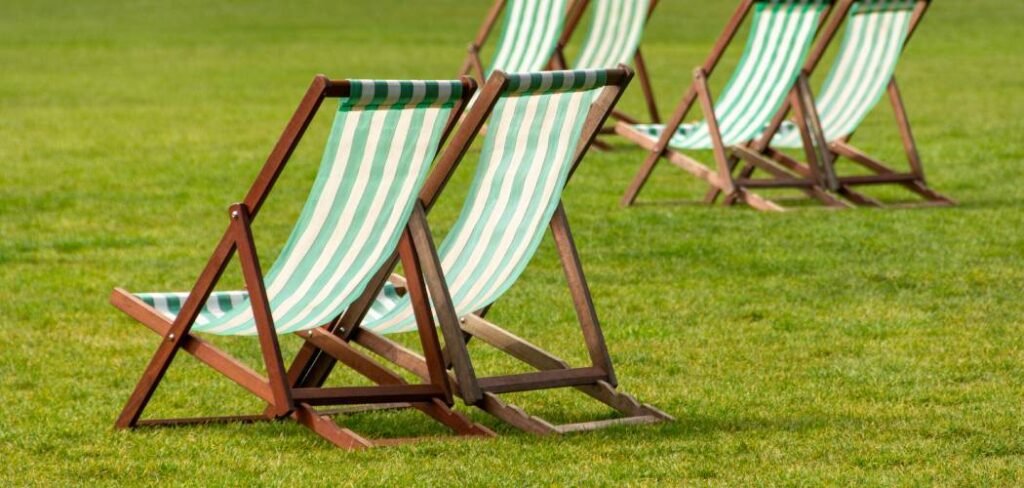
Fortunately, learning how to keep lawn furniture from sinking into grass is straightforward. With a few simple solutions, you can protect your turf, extend the life of your furniture, and ensure your outdoor space remains pristine and ready for guests. This guide will walk you through everything you need to know, from understanding the cause to implementing effective, long-lasting fixes.
Why Does Lawn Furniture Sink Into Grass?
The main reason your outdoor chairs and tables sink into the lawn comes down to simple physics: pressure and surface area. Most lawn furniture has narrow legs, which concentrates the total weight of the furniture (and anyone sitting on it) onto very small points. When this focused pressure is applied to soft, damp soil, the ground gives way.
The problem is often worse after heavy rain or in areas with naturally soft, loamy soil, as the water lubricates the soil particles and reduces their ability to support weight. Over time, this repeated pressure creates deep indentations, damages the grass roots, and can lead to wobbly, unstable furniture. Thicker, healthier turf can resist this better, but even the lushest lawn can fall victim to narrow furniture legs.
8 Step Methods Guide on How to Keep Lawn Furniture from Sinking into Grass
Step 1: Assess Your Furniture and Lawn Condition
Before choosing a solution, take a close look at your setup. Examine the legs of your furniture. Are they narrow, pointed, or flat? Heavy wrought iron or steel furniture will exert more pressure than lightweight aluminum or plastic pieces. Next, inspect your lawn. Is the ground consistently soft or only after it rains? Are certain areas soggier than others? Identifying whether the problem is due to the furniture’s design, the soil’s condition, or a combination of both will help you select the most effective method. This initial assessment ensures you address the root cause of the issue for a more permanent fix.
Step 2: Choose a Suitable Base or Paver
One of the most effective ways to distribute weight is by placing a solid base under each furniture leg. Concrete pavers, flagstones, or even thick, treated wood slices work perfectly. These items increase the surface area that is in contact with the ground, spreading the pressure and preventing the legs from digging in. When selecting your pavers, consider both function and aesthetics. Choose a material and color that complements your patio furniture and landscape design. A simple 12×12 inch paver is usually sufficient for most chairs and tables, providing a stable, level surface that protects your lawn from damage.
Step 3: Install Furniture Coasters or Floor Protectors
For a less permanent and more discreet solution, consider using furniture coasters or floor protectors. These are small cups or discs, typically made from rubber or durable plastic, that fit onto the bottom of the furniture legs. Much like pavers, they work by increasing the surface area and distributing the weight more evenly. Some products, often called “furniture feet” or “lawn coasters,” are designed specifically for outdoor use on soft surfaces. They are easy to install—many simply slip on—and can be removed for mowing or when moving the furniture to a different location, offering a flexible and effective fix.
Step 4: Create a Designated Gravel or Mulch Area
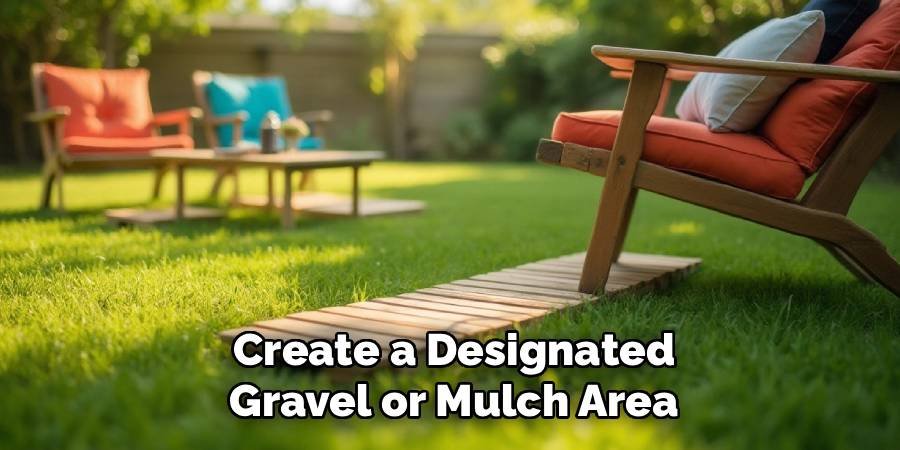
If you have a dedicated spot for your furniture, creating a gravel or mulch pad can be a stylish and practical solution. This method involves removing the sod from a designated area and replacing it with a few inches of landscape fabric, followed by a layer of pea gravel, decorative stone, or wood mulch. This not only solves the sinking problem completely but also defines the seating area, adding texture and visual interest to your yard. A gravel patio requires minimal maintenance and provides excellent drainage, ensuring your furniture stays stable and your feet stay clean, even after a downpour.
Step 5: How to Keep Lawn Furniture from Sinking into Grass Using Large Outdoor Rugs
An outdoor rug is another excellent way to protect your lawn while adding a touch of indoor comfort to your outdoor living space. A large, durable rug made from weather-resistant materials like polypropylene can distribute the weight of your entire furniture set across a wide area. This prevents any single leg from sinking into the soil. Be sure to choose a rug that is breathable and designed for outdoor use to prevent it from trapping moisture and harming the grass underneath. For best results, you may need to move the rug periodically to allow the grass to get sunlight.
Step 6: Reposition Your Furniture Regularly
If you prefer a zero-cost, low-effort approach, simply make a habit of moving your lawn furniture every few days. By shifting each piece just a few inches in any direction, you prevent any one spot on your lawn from bearing weight for too long.
This gives the grass and soil time to recover and bounce back naturally. While this method requires consistent effort and won’t stop sinking entirely during a single use, it is an effective way to prevent the formation of permanent indentations and keep your lawn looking even and healthy throughout the season.
Step 7: Use Specially Designed Furniture Leg Supports
Several products are engineered specifically to solve this problem. Look for items marketed as “patio furniture leg supports” or “sinking stoppers.” These are often wide, interconnected platforms or oversized feet that attach to your existing furniture legs. They are designed to provide maximum surface area and stability on soft ground like grass, sand, or gravel. While they may be more visible than smaller coasters, their effectiveness is unmatched for heavy furniture or extremely soft soil conditions. They provide a reliable solution that keeps your seating arrangement secure and your lawn in great shape.
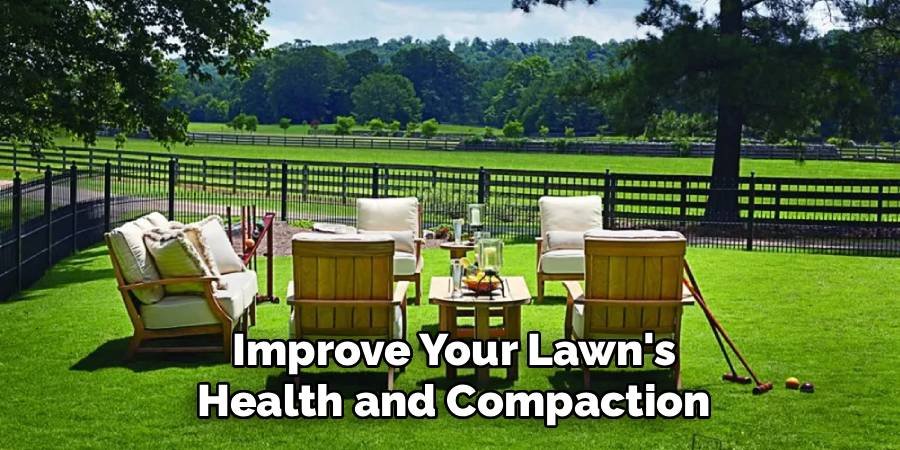
Step 8: Improve Your Lawn’s Health and Compaction
A long-term strategy involves improving the health of your lawn itself. Soil that is heavily compacted can become soft on the surface when wet, while overly loose soil lacks the structure to support weight. Aerating your lawn annually can alleviate compaction and improve drainage. Overseeding with a deep-rooting grass variety can also help create a denser, more resilient turf structure over time. A healthier, stronger lawn will be better equipped to withstand the pressure from furniture legs, making it a foundational part of your strategy for how to keep lawn furniture from sinking into grass.
Frequently Asked Questions
What Is the Cheapest Way to Stop Furniture from Sinking in the Grass?
The most affordable method is to regularly reposition your furniture. By moving your chairs and tables every few days, you prevent constant pressure on any single spot, allowing the grass to recover. Another low-cost option is to create DIY coasters from scrap wood. Cut small squares or circles of treated plywood or decking boards to place under each leg. This distributes the weight over a larger surface area without a significant financial investment, effectively protecting your lawn from dents.
Can I Use Bricks Under My Patio Furniture Legs?
Yes, you can absolutely use bricks as a base for your furniture legs. They are sturdy, readily available, and effective at distributing weight to prevent sinking. However, standard bricks can be porous and may crumble over time with exposure to moisture and freezing temperatures. For better longevity, consider using solid concrete pavers or patio blocks, which are specifically designed to withstand outdoor elements. Ensure the bricks are laid flat and are level to provide a stable, secure base for your furniture.
Will an Outdoor Rug Kill the Grass?
An outdoor rug can potentially harm or kill your grass if left in one place for too long, as it blocks sunlight and can trap moisture. To prevent this, choose a rug made from breathable, lightweight material like polypropylene. It’s also a good idea to move the rug every week or two to give the grass underneath a chance to breathe and get sunlight. If you plan to keep the furniture in one spot for the entire season, a gravel or paver base is a more lawn-friendly permanent solution.
How Do I Level Furniture on an Uneven Lawn?
Leveling furniture on an uneven lawn can be tricky. One of the best solutions is to use adjustable furniture feet or leveling glides, which screw into the bottom of the legs and can be independently raised or lowered. If your furniture doesn’t support these, you can use shims under the pavers or bases of the shorter legs. Materials like composite decking shims are weather-resistant and work well. For a more permanent fix, you could level the ground itself in your designated seating area with a mixture of sand and topsoil before seeding.
Are There Specific Types of Furniture Better for Lawns?
Yes, some furniture designs are inherently better for lawns. Look for pieces that have wide, flat bases or sled-style legs (two long runners connecting the front and back legs) instead of four individual narrow legs. These designs naturally distribute weight over a larger surface area, reducing the pressure on your lawn. Lightweight materials like aluminum or all-weather wicker also put less stress on the ground compared to heavy cast iron or steel furniture, making them a more lawn-friendly choice from the start.
Conclusion
Keeping your outdoor furniture stable and your lawn looking its best doesn’t have to be a constant struggle. By understanding why furniture sinks and implementing one of the simple solutions we’ve covered, you can create a beautiful and functional outdoor space. Whether you opt for decorative pavers, discreet coasters, or simply make a habit of moving your chairs, you now have the knowledge to protect your turf. Taking these small steps will prevent unsightly dents and wobbly tables, allowing you to relax and enjoy your backyard. Now you know how to keep lawn furniture from sinking into grass, so you can set up your perfect outdoor oasis with confidence.

About Ravuk Barg
B.Sc. Horticulture Science | Certified Master Gardener
Ravuk Barg has spent more than a decade with his hands in the soil and his head full of questions about why some gardens thrive while others struggle. What started as a single raised bed of tomatoes and basil in a modest backyard has grown into a deep, working knowledge of everything from seed germination and soil amendment to companion planting and seasonal pruning.
Over the years, Ravuk has gardened through drought summers, waterlogged springs, and pest invasions that would make most gardeners hang up their trowels for good. Those hard seasons, he’ll tell you, taught him more than any perfect growing year ever could. He writes from that earned experience—covering vegetable growing, ornamental planting, houseplant care, composting, and garden design with equal confidence and curiosity.
Philosophy & Approach
Ravuk’s approach to gardening is rooted in practicality. He favors organic methods not out of dogma, but because they work long-term—resulting in healthier soil, fewer inputs, and stronger plants. He has a particular fondness for heirloom vegetable varieties (the kind with proper flavor), unruly cottage-style flower beds, and the stubborn houseplants that everyone else gave up on.
The Mission: Give readers the honest, experience-backed advice that helps them actually succeed in their gardens—not just the ideal version, but the real one; weeds, failures, and all.
Education & Credentials
-
B.Sc. in Horticulture Science
-
Greenfield Agricultural University
-
Focus: Plant Physiology, Soil Ecology, and Sustainable Crop Production
-
-
Master Gardener Certification
-
Cooperative Extension Service
-
Focus: 200+ hours of hands-on practical training and community garden work
-
Continuing Education
-
Organic Pest Management
-
Native Plant Landscaping
-
Sustainable Crop Production