

A well-manicured lawn with crisp, clean flower bed edges is a beautiful sight. However, achieving this look can be frustrating when your string trimmer sends a shower of grass clippings into your mulch and among your prized perennials. Those stray clippings can quickly take root, turning your beautiful flower bed into a weedy mess. Learning how to keep grass out of flower beds when trimming is a fundamental skill for any home gardener who wants a tidy, professional-looking landscape.
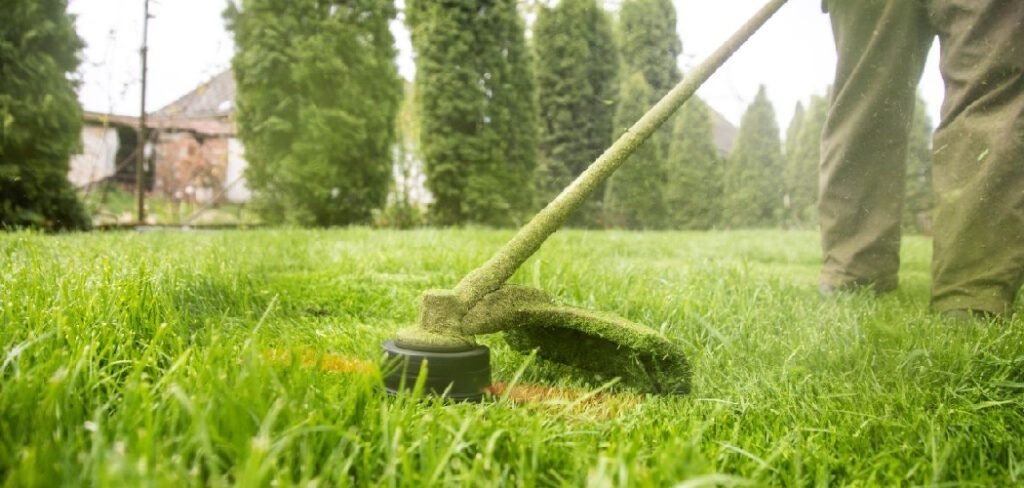
This guide will walk you through the essential techniques and tools to help you trim your lawn edges perfectly, ensuring your flower beds remain pristine and free of unwanted grass.
Why a Clean Edge Matters
Maintaining a distinct boundary between your lawn and flower beds does more than just look good; it is crucial for the health and vitality of your garden. When grass clippings are thrown into your flower beds, they can introduce unwanted grass seeds that compete with your flowers for water, nutrients, and sunlight. This invasion can stress your plants and make your garden look unkempt.
Furthermore, a clean edge acts as a physical barrier, preventing invasive turfgrasses from creeping into your cultivated areas. A well-defined border makes overall garden maintenance easier, from weeding to mulching, saving you significant time and effort in the long run.
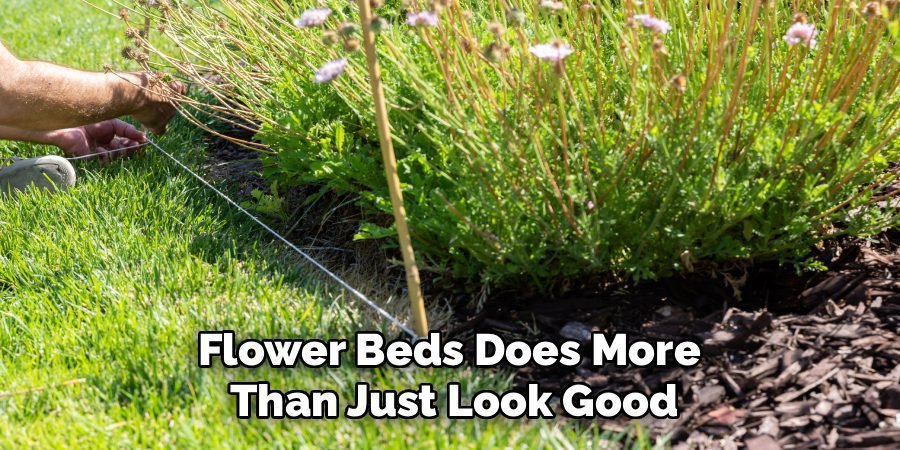
8 Step Methods Guide on How to Keep Grass Out of Flower Beds When Trimming
Step 1: Prepare Your Tools and Work Area
Before you even start your trimmer, a little preparation goes a long way. First, inspect your string trimmer to ensure it is in good working order. Check the fuel or charge level and make sure you have plenty of trimmer line loaded in the head. It is also wise to walk the perimeter of your flower beds, removing any rocks, sticks, toys, or other debris that could be struck by the trimmer and sent flying. This simple cleanup not only protects your plants and property but also prevents potential damage to your trimming equipment.
Step 2: Mow Your Lawn First
For the cleanest possible edge, always mow your lawn before you begin trimming. Mowing first reduces the overall height and volume of the grass you will be cutting along the flower bed border. This means your trimmer will have less work to do, resulting in fewer and smaller clippings being thrown around. It also gives you a clear sightline to the edge you are about to create. By tackling the bulk of the grass with the mower, you can focus your trimming efforts on precision and detail, which is the key to preventing clippings from landing where they do not belong.
Step 3: Master the Correct Trimmer Rotation
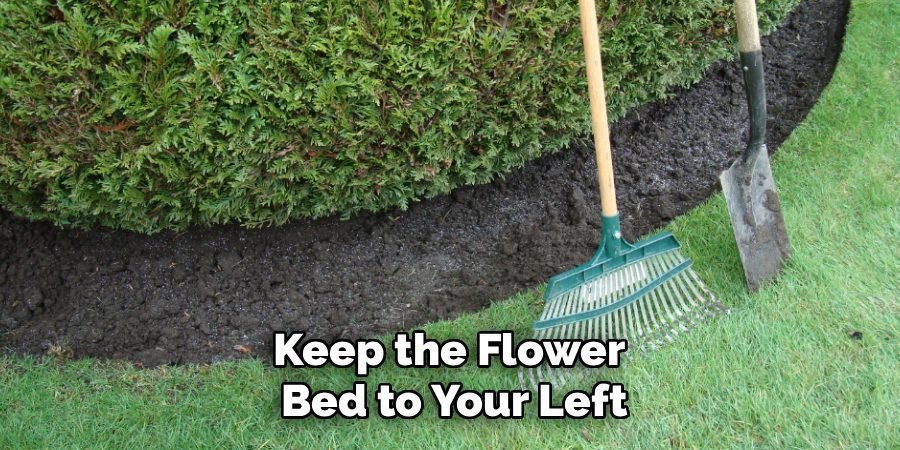
Understanding which way your string trimmer spins is a game-changer. Most string trimmers spin counter-clockwise. This means the side of the trimmer head furthest from you is rotating away from you, while the side closest to you rotates toward you. To keep grass out of your flower beds, you should position yourself so the trimmer head directs clippings away from the bed. As you walk along the edge, keep the flower bed to your left. This orientation ensures the cutting action of the line throws the grass clippings back onto the lawn, not into your mulch.
Step 4: Use a Guard or Edging Tool
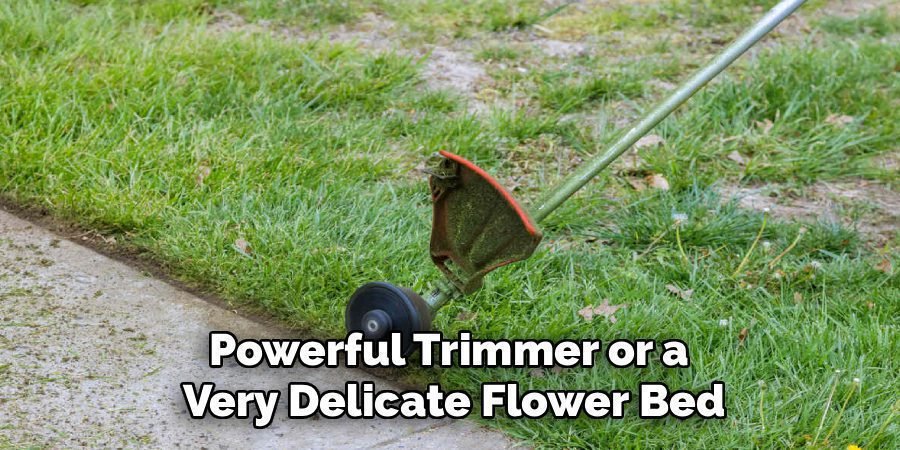
Many modern string trimmers come with an adjustable guard that can be positioned to help block flying debris. Make sure this guard is properly installed and angled to shield your flower beds. For even greater control, consider using a dedicated lawn edger tool. While a string trimmer can create an edge, a wheeled edger with a vertical blade is specifically designed for the task. It creates a deep, clean trench that grass clippings are less likely to cross. Some trimmers even have an edging wheel attachment that allows you to flip the tool vertically for a more controlled cut.
Step 5: Cut at the Right Height
Trimming the grass too low is a common mistake that leads to scalping the turf and sending dirt and clippings flying everywhere. Your goal is to trim the grass along the edge to the same height as the rest of your mowed lawn. This creates a uniform, neat appearance. Holding the trimmer head parallel to the ground, gently skim the tops of the grass blades. Avoid digging the line into the soil. A light, controlled touch is much more effective and will minimize the amount of debris that gets scattered into your flower beds, keeping them clean.
Step 6: How to Keep Grass Out of Flower Beds When Trimming with a Tarp
For maximum protection, especially when dealing with a powerful trimmer or a very delicate flower bed, a physical barrier is your best friend. A simple and effective method is to lay a large piece of cardboard, a plastic tarp, or a long, flat board along the inside edge of your flower bed. This barrier will catch any stray clippings that your trimmer throws. Once you have finished trimming a section, simply pick up the tarp or board, shake the clippings back onto the lawn, and move it to the next section. This technique is nearly foolproof.
Step 7: Control Your Walking Speed and Angle
Your movement plays a significant role in the outcome. A slow, steady walking pace allows for greater control and precision. Rushing the job will lead to uneven cuts and send clippings flying uncontrollably. As you walk, maintain a consistent distance from the flower bed edge. You should also pay attention to the angle of the trimmer head. For a standard trim, keep it level with the ground. If you are creating a defined edge, you can slightly tilt the head to create a small, beveled cut away from the flower bed, which helps direct clippings onto the lawn.
Step 8: Clean Up Immediately After Trimming
Even with the best technique, a few stray clippings might find their way into your flower bed. The final step is to clean them up before they have a chance to settle or take root. Use a leaf blower on a low setting to gently blow any clippings from the mulch or plant leaves back onto the lawn. If you do not have a blower, a small hand rake or even your gloved hands can work just as well for a quick cleanup. This final touch ensures your garden beds look perfectly polished and remain grass-free.
Maintenance
Keeping your lawn and garden in top condition requires consistent maintenance. Regularly mow your lawn to the appropriate height for your grass type, as this promotes healthy growth and prevents weeds from taking over. Periodically edge along paths, driveways, and garden beds to maintain clean, crisp boundaries. Don’t forget to routinely sharpen your mower blades to ensure a clean cut and reduce stress on your grass. Additionally, remove any weeds promptly to prevent them from spreading, and inspect your garden beds for stray grass shoots.
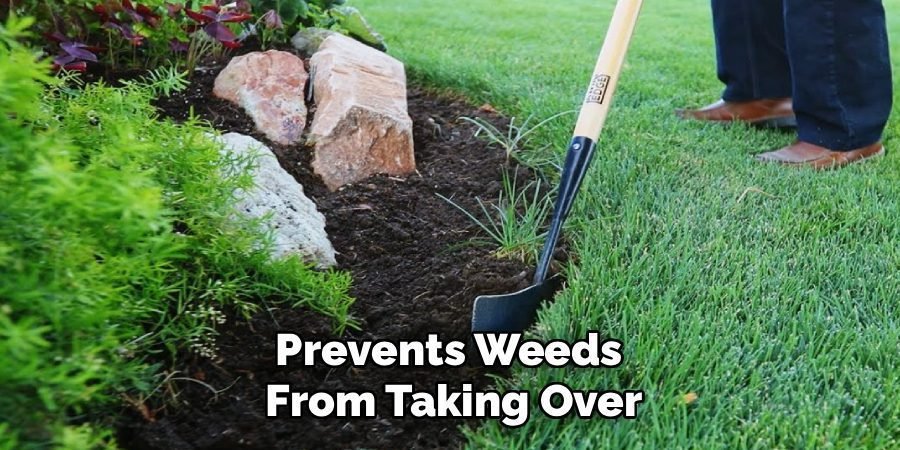
By dedicating a little time to upkeep, you can preserve the beauty and health of your outdoor space all year round.
Common Mistakes to Avoid
Keeping your lawn and garden in pristine condition requires attention to detail, but some common mistakes can undermine your efforts. One frequent error is overwatering your lawn or garden, which can lead to root rot and promote the growth of diseases. Another mistake is neglecting to test your soil before fertilizing—without understanding your soil’s specific needs, you risk applying too much or too little fertilizer, which can harm plant health. Additionally, mowing your lawn too short can weaken the grass and make it more susceptible to weeds and pests.
Lastly, failing to remove debris such as fallen leaves or branches can create a haven for pests and fungi. By staying aware of these pitfalls, you can ensure your outdoor space thrives.
Frequently Asked Questions (FAQ)
What Is the Best Tool to Edge a Flower Bed?
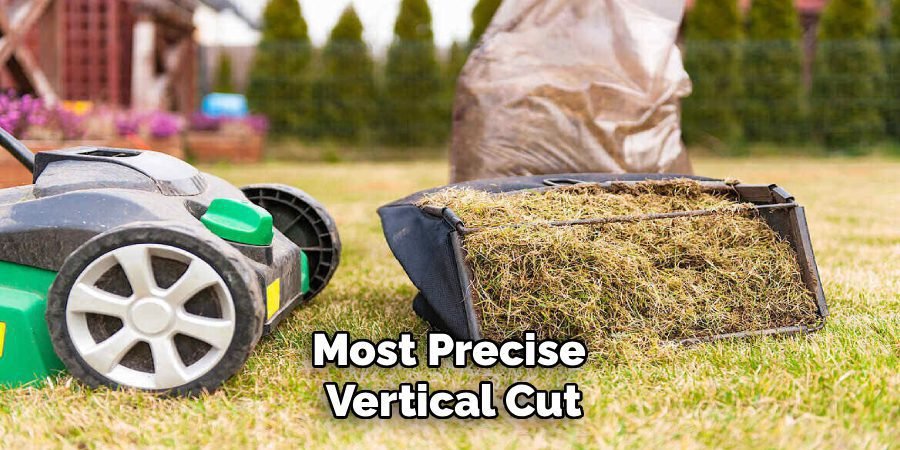
The best tool often depends on the size of your garden and your desired finish. For small, simple beds, a quality string trimmer can do both trimming and edging effectively. However, for larger or more defined borders, a dedicated stick edger with a metal blade provides the cleanest and most precise vertical cut. This creates a mini-trench that acts as a strong barrier against grass. A manual half-moon edger is also an excellent, quiet option for those who prefer a more hands-on approach and perfect control.
How Do I Stop Grass from Growing into My Flower Beds?
Preventing grass from creeping into flower beds is an ongoing task. The most effective long-term solution is installing a physical border. Materials like steel, aluminum, plastic, or stone edging create a solid underground barrier that blocks grass roots. Regularly maintaining a deep edge with an edger also helps. Applying a pre-emergent herbicide in the spring along the bed’s edge can prevent grass seeds from germinating, and adding a thick layer of mulch (2-3 inches) will smother any that do sprout.
Should I Edge or Trim First?
It is generally best to mow the lawn first, then edge, and finish with trimming. Mowing sets the final lawn height. Edging comes next, as it creates the clean, vertical line between the lawn and the flower bed, and it can kick up some soil and debris. Finally, you should trim any remaining tall grass in areas the mower and edger could not reach. Following this order—mow, edge, trim—ensures each step is done efficiently and leads to the cleanest possible result.
How Often Should I Edge My Lawn?
The frequency of edging depends on your grass type and how fast it grows. For a consistently sharp look, you should plan to edge your lawn every two to three mows during the peak growing season. This usually means edging every two to four weeks in the spring and summer. During slower growth periods in the fall or in drier climates, you may only need to edge once a month. Regular edging is less work than trying to reclaim an overgrown border.
Can I Use a String Trimmer to Remove Grass from a Flower Bed?
Using a string trimmer to remove grass that is already growing inside a flower bed is risky. It is very difficult to control the trimmer line with enough precision to cut the unwanted grass without accidentally damaging the stems, leaves, or roots of your flowers. For grass that has already invaded, it is much safer to remove it by hand-pulling or by using a targeted application of a selective herbicide that is safe for use around ornamental plants.
Conclusion
A clean, grass-free flower bed is the hallmark of a well-tended garden. By incorporating these techniques into your lawn care routine, you can put an end to the frustrating cleanup of grass clippings. From mowing first to understanding your trimmer’s rotation and using a physical barrier, each step contributes to a more precise and cleaner job. With a little practice, mastering how to keep grass out of flower beds when trimming will become second nature. You will be able to enjoy a beautifully manicured lawn and vibrant flower beds that stand out for all the right reasons.

About Ravuk Barg
B.Sc. Horticulture Science | Certified Master Gardener
Ravuk Barg has spent more than a decade with his hands in the soil and his head full of questions about why some gardens thrive while others struggle. What started as a single raised bed of tomatoes and basil in a modest backyard has grown into a deep, working knowledge of everything from seed germination and soil amendment to companion planting and seasonal pruning.
Over the years, Ravuk has gardened through drought summers, waterlogged springs, and pest invasions that would make most gardeners hang up their trowels for good. Those hard seasons, he’ll tell you, taught him more than any perfect growing year ever could. He writes from that earned experience—covering vegetable growing, ornamental planting, houseplant care, composting, and garden design with equal confidence and curiosity.
Philosophy & Approach
Ravuk’s approach to gardening is rooted in practicality. He favors organic methods not out of dogma, but because they work long-term—resulting in healthier soil, fewer inputs, and stronger plants. He has a particular fondness for heirloom vegetable varieties (the kind with proper flavor), unruly cottage-style flower beds, and the stubborn houseplants that everyone else gave up on.
The Mission: Give readers the honest, experience-backed advice that helps them actually succeed in their gardens—not just the ideal version, but the real one; weeds, failures, and all.
Education & Credentials
-
B.Sc. in Horticulture Science
-
Greenfield Agricultural University
-
Focus: Plant Physiology, Soil Ecology, and Sustainable Crop Production
-
-
Master Gardener Certification
-
Cooperative Extension Service
-
Focus: 200+ hours of hands-on practical training and community garden work
-
Continuing Education
-
Organic Pest Management
-
Native Plant Landscaping
-
Sustainable Crop Production