

A beautiful garden flag adds a personal touch and a splash of color to any outdoor space. Whether you’re celebrating a season, a holiday, or simply showing off your style, these flags are a delightful addition to your yard. However, a common frustration for many gardeners is a flag that bunches up, spins endlessly, or even flies off its pole in windy weather. This can be disappointing, especially when you’ve chosen a design you love.

Learning how to keep garden flag on pole ensures your decorative accent remains perfectly displayed for all to see. This guide will provide you with simple, effective techniques to secure your flag, so it stays put and looks great no matter what the weather brings.
Why Securing Your Garden Flag Matters
Keeping your garden flag properly displayed is more than just an aesthetic concern. A flag that is constantly tangled or blown away can become damaged, with its fabric fraying and its colors fading from being crumpled or lost in the dirt. A well-secured flag maintains its vibrant appearance and longevity, saving you money on replacements. Furthermore, a perfectly presented flag enhances your home’s curb appeal, contributing to a welcoming and well-maintained atmosphere.
Taking a few extra moments to secure it properly ensures your investment is protected and your yard always looks its best. It’s a small effort that makes a big difference in the overall look and feel of your garden.
8 Step-by-Step Guide on How to Keep Garden Flag on Pole
Step 1: Choose the Right Garden Flag Pole
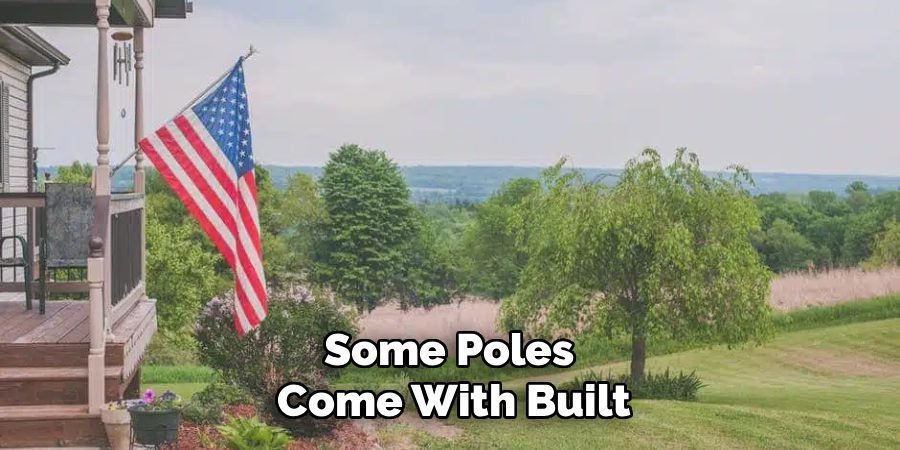
The foundation of a secure display starts with the right hardware. Look for a garden flag pole made from durable, weather-resistant materials like powder-coated metal or wrought iron. Some poles come with built-in features designed for stability, such as a deeper, pronged base that anchors more firmly into the ground. A sturdy pole is less likely to bend or sway excessively in strong winds, which is the first line of defense against a runaway flag. When you select your pole, consider its thickness and construction, as a more robust stand provides a better anchor for the rest of your securing methods.
Step 2: Select a Flag with a Proper Sleeve
The design of the flag itself plays a crucial role. Most garden flags come with a sewn-in sleeve, or channel, at the top where the pole slides through. Before purchasing, inspect this sleeve to ensure it is wide enough for your pole but not so loose that the flag slides around too easily. A snug fit prevents excessive movement. Additionally, look for flags made from high-quality, durable fabrics like polyester or nylon, as these materials are better equipped to handle outdoor conditions without tearing or stretching, which could compromise the fit over time.
Step 3: Use a Rubber Stopper
One of the most effective and widely used accessories is a rubber flag stopper. These small, flower-shaped or circular pieces of rubber slide onto the horizontal arm of the flag pole after you have placed the flag. The stopper fits snugly against the edge of the flag’s sleeve, creating a physical barrier that prevents the flag from sliding horizontally and flying off the end of the pole during gusty weather. They are inexpensive, easy to install, and incredibly effective. Most garden centers and online flag retailers sell these stoppers, often in multi-packs, making them a must-have for any flag owner.
Step 4: Attach a Garden Flag Clip
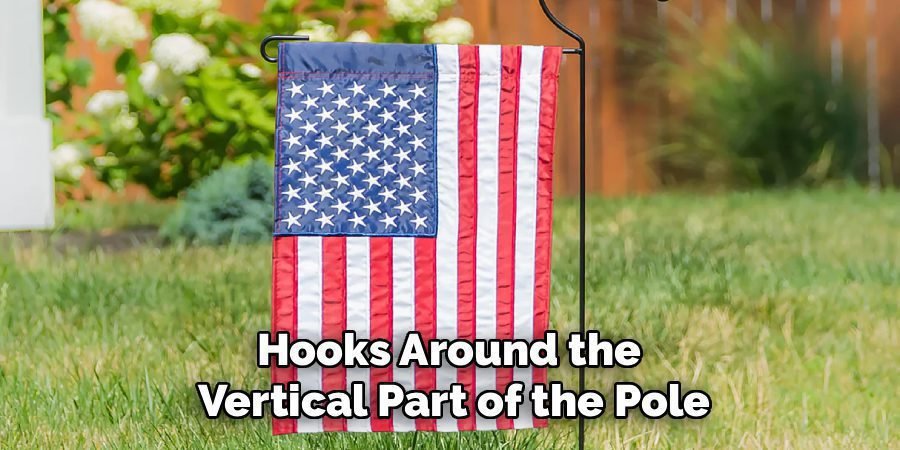
In addition to a stopper, an anti-wind clip provides another layer of security. This small clip typically attaches to the bottom corner of the flag and then hooks around the vertical part of the pole. This simple action prevents the flag from flipping up and over the pole, which is a common cause of bunching and tangling. By anchoring the bottom of the flag, you ensure it hangs straight and remains readable, even on breezy days. These clips are usually adjustable and can be used with flags of various sizes, offering a versatile solution to a frequent problem.
Step 5: Consider a Pole with a Built-in Anti-Curl Tube
For those seeking an all-in-one solution, some modern garden flag poles come with a transparent anti-curl tube. The flag’s sleeve slides over this tube, which helps the flag hang straight and keeps the fabric from wrapping around the pole. This feature is especially useful for maintaining a flat, readable display at all times. If your current pole doesn’t have this feature, you can sometimes purchase a separate anti-curl kit to add to your existing setup. This is a great option if you live in an area with persistent wind that causes constant wrapping issues.
Step 6: Position Your Flag Pole Strategically
Where you place your flag can significantly impact its stability. Try to position the pole in a location that has some natural protection from the strongest winds. Placing it near a wall, a hedge, or a group of larger plants can create a partial windbreak that reduces the force exerted on the flag. Avoid placing it in wide-open, exposed areas where it will bear the full brunt of every gust. A little strategic placement can go a long way in preventing wind-related issues without requiring any additional accessories or modifications to your setup.
Step 7: How to Keep Garden Flag on Pole with a DIY Solution
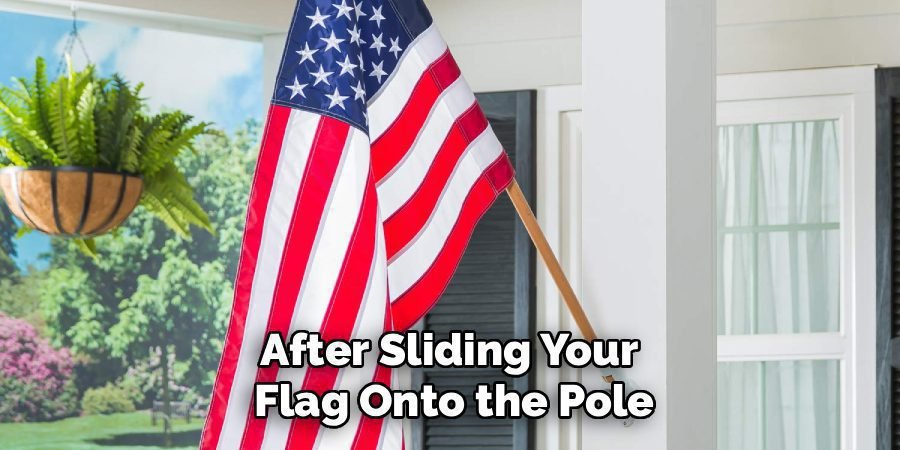
If you don’t have commercial stoppers or clips on hand, you can create a simple DIY fix. A small, clear hair elastic or a rubber band can work as a temporary stopper. After sliding your flag onto the pole, wrap the elastic tightly around the pole right next to the flag’s sleeve. This will create enough friction and bulk to keep the flag from sliding off. While not as durable as a purpose-made rubber stopper, it’s an excellent solution in a pinch and uses an item you likely already have at home.
Step 8: Regularly Check Your Setup
Maintenance is key to keeping your flag secure over the long term. Make it a habit to periodically check your flag, pole, and any accessories you are using. Ensure the stoppers and clips are still firmly in place and haven’t become brittle or cracked from sun exposure. Check that the pole is still securely anchored in the ground and hasn’t started to lean. Regular inspections allow you to catch small issues before they become big problems, ensuring your flag display remains pristine and secure throughout the seasons. This simple habit prevents surprises after a big storm.
Frequently Asked Questions (FAQ)
What Is the Best Material for a Garden Flag?
The best materials for garden flags are durable, weather-resistant fabrics like polyester or nylon. Polyester is particularly popular because it holds vibrant colors well and resists shrinking and stretching. Nylon is also a great choice due to its lightweight nature, which allows it to fly nicely in a gentle breeze, and its strength against wind and rain. Both materials are designed to withstand sun exposure and moisture, ensuring your flag remains in good condition for a longer period.
How Do I Keep My Garden Flag From Fading?
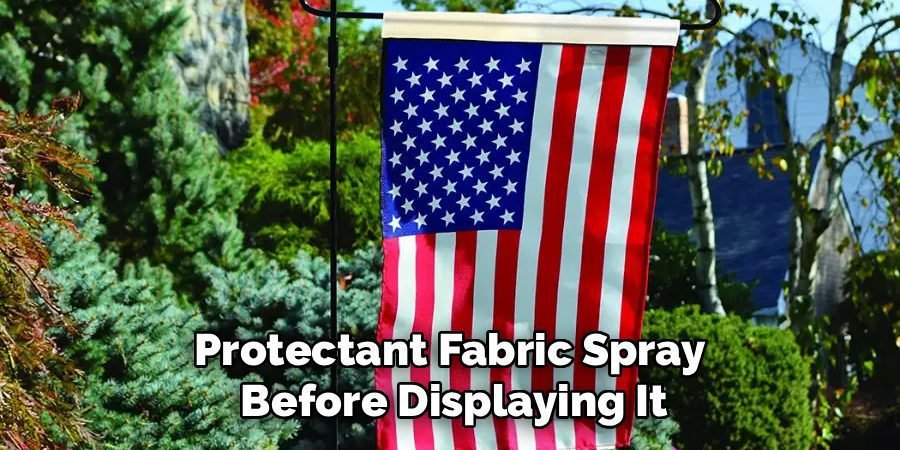
To prevent your garden flag from fading, it’s helpful to spray it with a UV-protectant fabric spray before displaying it. These sprays create an invisible shield that blocks the sun’s damaging rays. Additionally, try to position your flag in a spot that receives some partial shade during the hottest parts of the day. If you have multiple flags, rotating them seasonally also limits each one’s sun exposure. During harsh weather or the off-season, storing your flag indoors will significantly extend its life and preserve its color.
Can I Put My Garden Flag in the Washing Machine?
Yes, most polyester and nylon garden flags can be safely machine washed. It is best to use a gentle cycle with cold water and a mild detergent. To protect the flag from snagging, you can place it in a mesh laundry bag. Avoid using bleach or harsh chemicals. After washing, it is best to air dry the flag by hanging it or laying it flat rather than using a machine dryer, as high heat can damage the fabric or cause colors to bleed.
How Often Should I Replace My Garden Flag Pole?
A high-quality garden flag pole made from wrought iron or powder-coated metal can last for many years. You should only need to replace it if it becomes significantly bent, rusted, or if the anchor prongs break. Regular inspection helps you monitor its condition. If you notice signs of heavy rust that compromise its structural integrity or if it no longer stands straight and firm in the ground, it is time for a replacement. With proper care, a good pole is a long-term investment.
What Are the Standard Dimensions of a Garden Flag?
The standard size for a garden flag is approximately 12.5 inches wide by 18 inches long. This compact dimension is designed to fit perfectly on small garden flag poles, making them ideal for flower beds, walkways, and front porches. While this is the most common size, you can find slight variations. It is always a good idea to measure your flag pole’s horizontal arm before purchasing a flag to ensure a proper fit, especially if you are buying a non-standard or specialty flag design.
Conclusion
Keeping your garden flag beautifully displayed is an achievable goal with just a few simple tools and techniques. By choosing a sturdy pole, using stoppers and clips, and being mindful of placement, you can prevent your flag from tangling, bunching, or flying away. These small efforts protect your flag from damage and ensure your home’s curb appeal remains top-notch. Now that you know how to keep garden flag on pole, you can confidently display your favorite designs and enjoy a vibrant, welcoming touch in your garden all year round.

About Ravuk Barg
B.Sc. Horticulture Science | Certified Master Gardener
Ravuk Barg has spent more than a decade with his hands in the soil and his head full of questions about why some gardens thrive while others struggle. What started as a single raised bed of tomatoes and basil in a modest backyard has grown into a deep, working knowledge of everything from seed germination and soil amendment to companion planting and seasonal pruning.
Over the years, Ravuk has gardened through drought summers, waterlogged springs, and pest invasions that would make most gardeners hang up their trowels for good. Those hard seasons, he’ll tell you, taught him more than any perfect growing year ever could. He writes from that earned experience—covering vegetable growing, ornamental planting, houseplant care, composting, and garden design with equal confidence and curiosity.
Philosophy & Approach
Ravuk’s approach to gardening is rooted in practicality. He favors organic methods not out of dogma, but because they work long-term—resulting in healthier soil, fewer inputs, and stronger plants. He has a particular fondness for heirloom vegetable varieties (the kind with proper flavor), unruly cottage-style flower beds, and the stubborn houseplants that everyone else gave up on.
The Mission: Give readers the honest, experience-backed advice that helps them actually succeed in their gardens—not just the ideal version, but the real one; weeds, failures, and all.
Education & Credentials
-
B.Sc. in Horticulture Science
-
Greenfield Agricultural University
-
Focus: Plant Physiology, Soil Ecology, and Sustainable Crop Production
-
-
Master Gardener Certification
-
Cooperative Extension Service
-
Focus: 200+ hours of hands-on practical training and community garden work
-
Continuing Education
-
Organic Pest Management
-
Native Plant Landscaping
-
Sustainable Crop Production