

Chickens are a wonderful addition to any backyard, providing fresh eggs and endless entertainment. However, their natural instincts to scratch, peck, and dust bathe can wreak havoc on a beautifully manicured flower bed. One minute you have pristine petunias, and the next, your prize-winning roses are uprooted. This can be frustrating for gardeners who love both their flock and their flowers.

The good news is that you don’t have to choose between them. Learning how to keep chickens out of flower bed areas is about creating gentle boundaries that protect your plants while allowing your chickens to roam safely. With a few simple strategies, you can achieve a harmonious balance where both your feathered friends and your floral displays can thrive.
Why Your Chickens Love Your Flower Beds
Before we dive into solutions, it’s helpful to understand why your flower beds are so irresistible to your flock. To a chicken, a freshly tilled and mulched garden is the perfect five-star resort. The soft, loose soil is ideal for dust bathing, a natural behavior chickens use to clean their feathers and deter parasites. This soil is also a treasure trove of tasty insects, worms, and grubs, which your chickens are programmed to scratch and forage for. Furthermore, tender new plant shoots and colorful petals can look like a delicious salad bar. Understanding these instinctual behaviors is the first step in outsmarting your flock and redirecting their activities elsewhere.
7 Step-by-Step Guide: How to Keep Chickens Out of Flower Bed
Protecting your garden doesn’t have to be a constant battle. By implementing a few of these proven methods, you can effectively teach your chickens which areas are off-limits. The key is to be consistent and, if necessary, combine a few techniques for the best results.
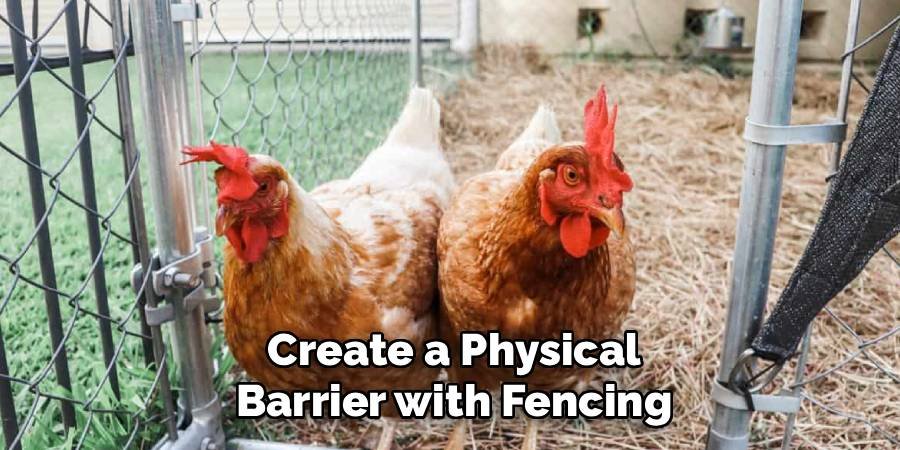
Step 1: Create a Physical Barrier with Fencing
The most reliable way to protect your flower beds is to install a fence. This doesn’t have to be a towering, unsightly structure. A simple, low-profile fence made of chicken wire, hardware cloth, or decorative garden fencing is often enough to send the message. For most chicken breeds, a fence that is two to three feet high is sufficient to prevent them from hopping over. Ensure the fencing is secured to the ground so they cannot sneak underneath. This physical barrier is a clear and effective deterrent that removes the temptation entirely.
Step 2: Utilize Plant-Based Deterrents
Chickens have sensitive beaks and a strong sense of smell, which you can use to your advantage. Certain plants are naturally repellent to them. Consider creating a border around your flower beds with herbs like lavender, rosemary, mint, or thyme. The strong aromas of these plants are unpleasant for chickens, and they will typically avoid areas where they are planted. You can also plant spiky or thorny varieties like barberry or roses around the perimeter. These plants create a natural, uncomfortable barrier that chickens are unwilling to navigate, keeping your more delicate flowers safe inside.
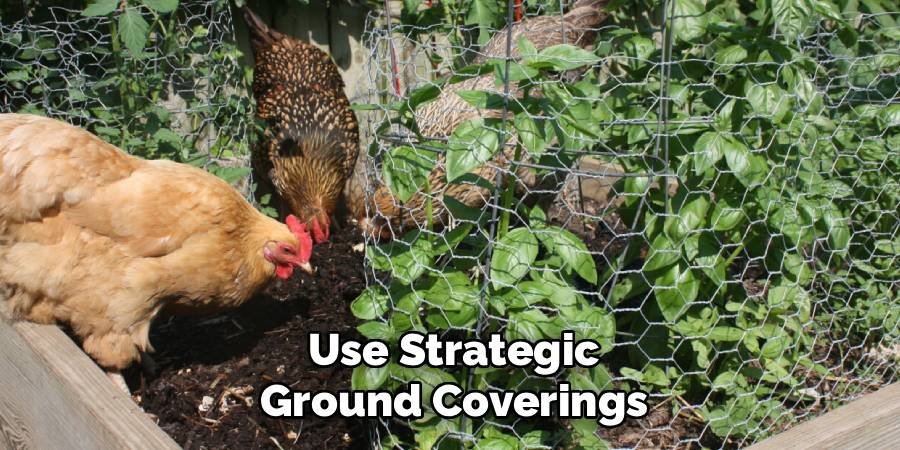
Step 3: Use Strategic Ground Coverings
Changing the texture of the ground in your flower beds can make them much less appealing for scratching and dust bathing. Chickens prefer soft, loose dirt. By covering the exposed soil with materials they dislike, you can discourage them from entering. Consider using large, chunky wood chips, sharp-edged gravel, or decorative river rocks as mulch. These materials are difficult and uncomfortable for chickens to scratch through. Another option is to use landscape fabric topped with a thin layer of mulch, which prevents them from digging down to the soft soil underneath.
Step 4: Try Sprinkling Spices
A simple and humane deterrent involves using common kitchen spices. Chickens are not fond of strong, pungent smells or spicy tastes. Lightly sprinkling cayenne pepper, paprika, or black pepper around the perimeter of your flower beds can be surprisingly effective. The scent alone is often enough to keep them at a distance. If they do venture a peck, the spicy sensation will be unpleasant but harmless, quickly teaching them that the area is not a good place for a snack. You will need to reapply the spices after rain or heavy watering for this method to remain effective.
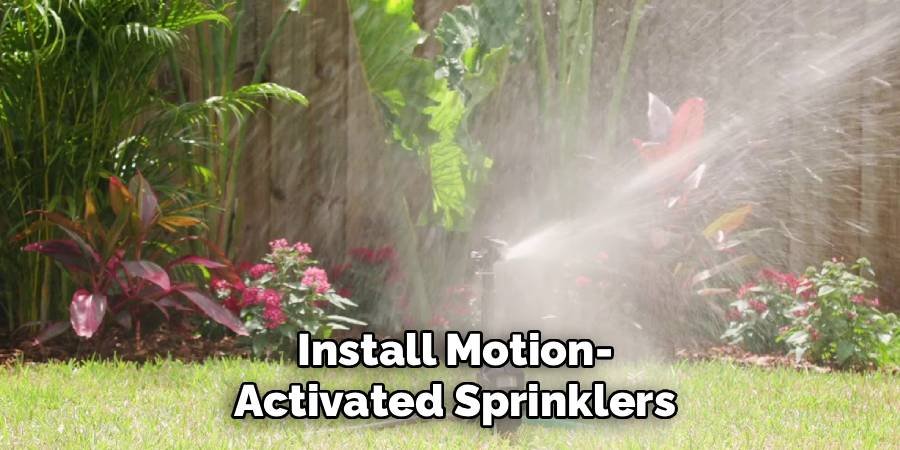
Step 5: Install Motion-Activated Sprinklers
For a more high-tech solution, a motion-activated sprinkler can be a powerful tool in your arsenal. These devices detect movement and release a brief, surprising jet of water. The sudden spray is startling but completely harmless, and it quickly creates a negative association with the flower bed. Chickens are not fans of unexpected showers and will learn to avoid the area to stay dry. This method is particularly useful for persistent flocks and can protect a large area with minimal effort on your part, though it does require a connection to a water source. This is a great tip for how to keep chickens out of flower bed spaces without constant supervision.
Step 6: Create a Dedicated Dust Bathing Area
One of the main reasons chickens are drawn to your flower beds is their instinct to dust bathe. You can redirect this natural behavior by providing them with a more attractive alternative. Create a designated dust bath in another part of your yard. A shallow wooden frame, a child’s sandbox, or even an old tire filled with a mixture of fine sand, loose dirt, and a bit of diatomaceous earth or wood ash will be irresistible to them. Make this spot sunny and inviting, and your chickens will happily use their personal spa instead of your garden.
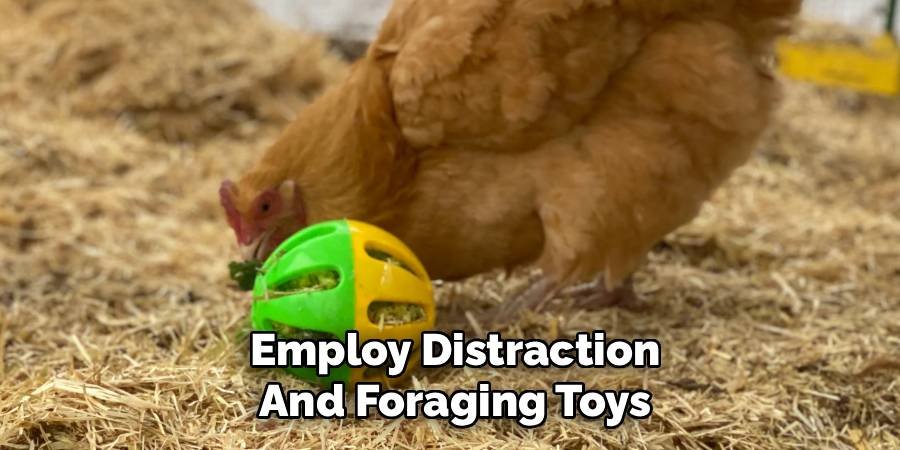
Step 7: Employ Distraction and Foraging Toys
Bored chickens are mischievous chickens. Keeping your flock entertained can prevent them from seeking entertainment in your flower beds. Hang a head of cabbage or a suet block just high enough that they have to jump for it. Fill treat balls with scratch grains or use a chicken swing. These simple enrichment items encourage natural foraging behaviors and provide mental stimulation. A busy, engaged flock is far less likely to wander off in search of trouble, making this a proactive way to manage their location and protect your garden. This is a core part of learning how to keep chickens out of flower bed areas.
Frequently Asked Questions (FAQ)
Will Citrus Peels Keep Chickens Away?
Yes, citrus peels can be an effective, short-term deterrent. Chickens generally dislike the strong, acidic smell of oranges, lemons, limes, and grapefruits. Scattering the peels around and within your flower beds can make the area less appealing to them. However, the peels lose their potency as they dry out and will need to be replaced every few days to remain effective. It’s a great, natural method to use in combination with other strategies.
Do Fake Owls or Predators Scare Chickens?
Fake predators like plastic owls, hawks, or even rubber snakes can work, but usually only for a short time. Chickens are intelligent and will quickly realize that the object is not a real threat when it never moves. To improve the effectiveness, you should:
- Move the fake predator to a new spot every day or two.
- Use a decoy that has moving parts, like wings that flap in the wind.
- Combine this method with other deterrents for the best results.
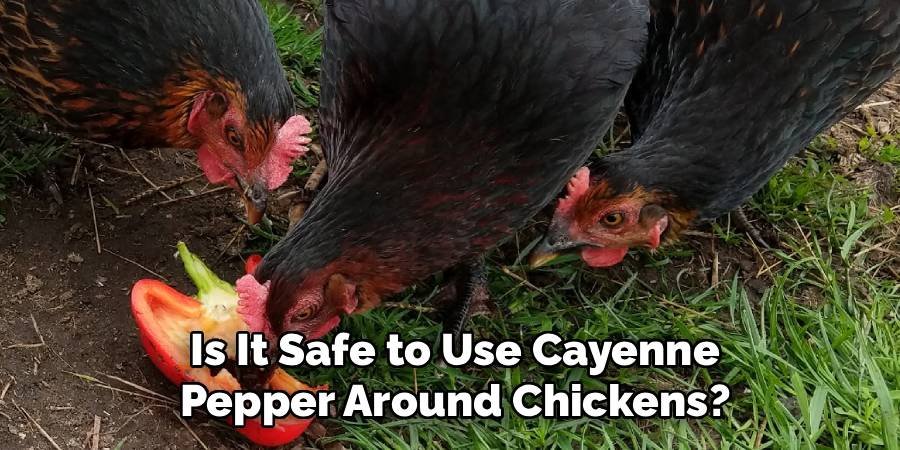
Is It Safe to Use Cayenne Pepper Around Chickens?
Using cayenne pepper is considered a safe and humane way to deter chickens. While the active compound, capsaicin, creates an unpleasant sensation of heat, it does not cause any lasting harm to them. They will simply find the taste and smell disagreeable and learn to avoid the area. It is important to only use a light sprinkling and avoid getting it directly on plants you intend to eat, as it will affect the taste. Always ensure your chickens have access to fresh, clean water nearby.
How High Should a Fence Be to Keep Chickens Out?
The ideal fence height depends on the breed of your chickens. For heavier breeds that are poor flyers, like Orpingtons or Wyandottes, a fence that is 2 feet high is often sufficient. For lighter, more agile breeds like Leghorns or other bantams, you may need a taller fence of at least 3-4 feet. Some particularly determined flyers might require you to clip one of their wings, a painless procedure that unbalances their flight and keeps them grounded.
Can I Train My Chickens to Stay Out of the Garden?
Yes, chickens can be trained with consistency and patience. Every time you see them in the flower bed, gently but firmly shoo them out. You can make a specific sound or use a consistent word as you do it. Over time, they will begin to associate that area with being moved along. This method works best when combined with positive reinforcement, such as rewarding them with treats when they stay in their designated areas and using deterrents in the off-limits zones.
Conclusion
Protecting your flower beds from your curious flock is entirely achievable. It requires understanding chicken behavior and implementing a few strategic, humane barriers and deterrents. Whether you choose to install a simple fence, plant aromatic herbs, or create a dedicated dust bath for your feathered friends, the key is consistency. By making your flower beds less attractive and providing better alternatives, you can guide your chickens’ natural instincts away from your prized plants. Trying these methods will help you master how to keep chickens out of flower bed spaces, ensuring you can enjoy both a beautiful garden and a happy, healthy flock for years to come.

About Ravuk Barg
B.Sc. Horticulture Science | Certified Master Gardener
Ravuk Barg has spent more than a decade with his hands in the soil and his head full of questions about why some gardens thrive while others struggle. What started as a single raised bed of tomatoes and basil in a modest backyard has grown into a deep, working knowledge of everything from seed germination and soil amendment to companion planting and seasonal pruning.
Over the years, Ravuk has gardened through drought summers, waterlogged springs, and pest invasions that would make most gardeners hang up their trowels for good. Those hard seasons, he’ll tell you, taught him more than any perfect growing year ever could. He writes from that earned experience—covering vegetable growing, ornamental planting, houseplant care, composting, and garden design with equal confidence and curiosity.
Philosophy & Approach
Ravuk’s approach to gardening is rooted in practicality. He favors organic methods not out of dogma, but because they work long-term—resulting in healthier soil, fewer inputs, and stronger plants. He has a particular fondness for heirloom vegetable varieties (the kind with proper flavor), unruly cottage-style flower beds, and the stubborn houseplants that everyone else gave up on.
The Mission: Give readers the honest, experience-backed advice that helps them actually succeed in their gardens—not just the ideal version, but the real one; weeds, failures, and all.
Education & Credentials
-
B.Sc. in Horticulture Science
-
Greenfield Agricultural University
-
Focus: Plant Physiology, Soil Ecology, and Sustainable Crop Production
-
-
Master Gardener Certification
-
Cooperative Extension Service
-
Focus: 200+ hours of hands-on practical training and community garden work
-
Continuing Education
-
Organic Pest Management
-
Native Plant Landscaping
-
Sustainable Crop Production