

Hard soil can make gardening very difficult. When soil becomes too hard, plants cannot grow well. Their roots cannot spread easily. Water cannot soak into the ground properly. This makes plants weak and unhealthy.
Many gardeners face this problem. Hard soil happens for different reasons. Sometimes it rains too much and the soil becomes packed down. Other times, people walk on the garden too much. Clay soil is naturally hard and thick. Rocky soil also makes planting difficult.
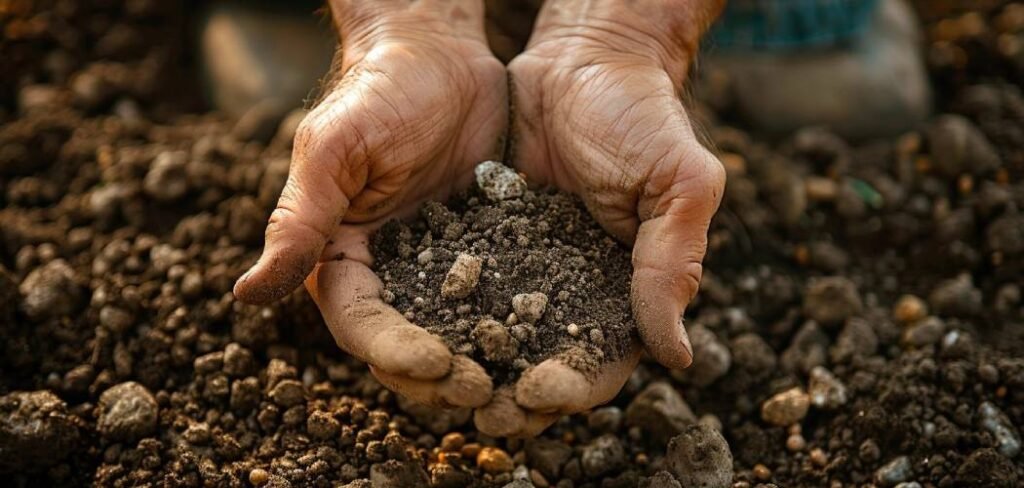
The good news is that you can make hard soil soft again. There are many simple ways to improve your soil. You do not need expensive tools or chemicals. Most methods use natural materials that help plants grow better.
This guide will show you how to make hard soil soft using 8 easy steps. These methods work for different types of hard soil. Whether you have clay soil, compacted earth, or rocky ground, these tips will help you create better soil for your garden.
Why Soil Becomes Hard
Before learning how to soften soil, it helps to understand why soil gets hard. Several things can cause this problem:
Heavy Clay Content: Clay particles are very small and stick together tightly. This creates dense, hard soil that water cannot pass through easily.
Soil Compaction: When people or animals walk on wet soil, it gets pressed down. Heavy machinery can also compact soil. This squeezes out air spaces and makes the soil very hard.
Lack of Organic Matter: Healthy soil needs organic materials like dead leaves, compost, and worm castings. Without these materials, soil becomes hard and lifeless.
Poor Drainage: When water sits on top of soil instead of soaking in, it can make the surface very hard when it dries.
Chemical Imbalance: Soil that is too acidic or too alkaline can become hard and difficult for plants to use.
Understanding these causes helps you choose the best method to soften your hard soil.
8 Step by Step How to Make Hard Soil Soft
Step 1: Test Your Soil
The first step in softening hard soil is to understand what type of soil you have. Different soil types need different treatments.
Simple Jar Test: Take a handful of your soil and put it in a clear jar. Fill the jar with water and shake it well. Let it sit for 24 hours. The soil will separate into layers. Sand will be at the bottom, silt in the middle, and clay on top.
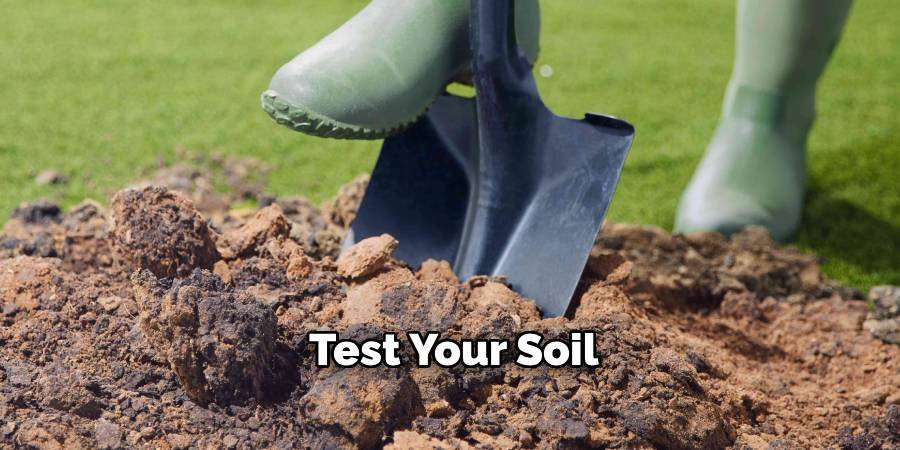
pH Testing: You can buy simple pH test strips from any garden store. Most plants grow best when soil pH is between 6.0 and 7.0. If your soil is too acidic or too alkaline, it may be harder to work with.
Squeeze Test: Take a handful of moist soil and squeeze it in your hand. If it forms a tight ball that does not crumble, you likely have clay soil. If it falls apart easily, you have sandy soil. If it holds together but crumbles when poked, you have good loamy soil. Testing your soil helps you understand what you are working with. This makes it easier to choose the right methods to soften it.
Step 2: Add Organic Compost
Compost is one of the best ways to soften hard soil naturally. Organic compost adds nutrients and improves soil structure.
Making Compost: You can make compost from kitchen scraps, yard waste, and fallen leaves. Mix green materials (like vegetable scraps) with brown materials (like dry leaves). Keep the pile moist and turn it regularly.
Buying Compost: If you do not want to make compost, you can buy it from garden centers. Look for well-aged compost that smells earthy and looks dark and crumbly.
Applying Compost: Spread 2-3 inches of compost over your hard soil. Work it into the top 6-8 inches of soil using a shovel or garden fork. Do this in spring or fall when the weather is mild.
Compost helps break up clay particles and adds organic matter that makes soil softer and more workable.
Step 3: Use Sand for Clay Soil
If you have heavy clay soil, adding coarse sand can help improve drainage and make the soil less compact.
Choose the Right Sand: Use coarse builder’s sand or river sand. Never use fine sand, as it can make clay soil even harder. The sand particles should be large enough to create air spaces in the soil.
Proper Mixing: Mix one part coarse sand with two parts clay soil. Add compost at the same time to get the best results. Work the mixture into the soil slowly and thoroughly.
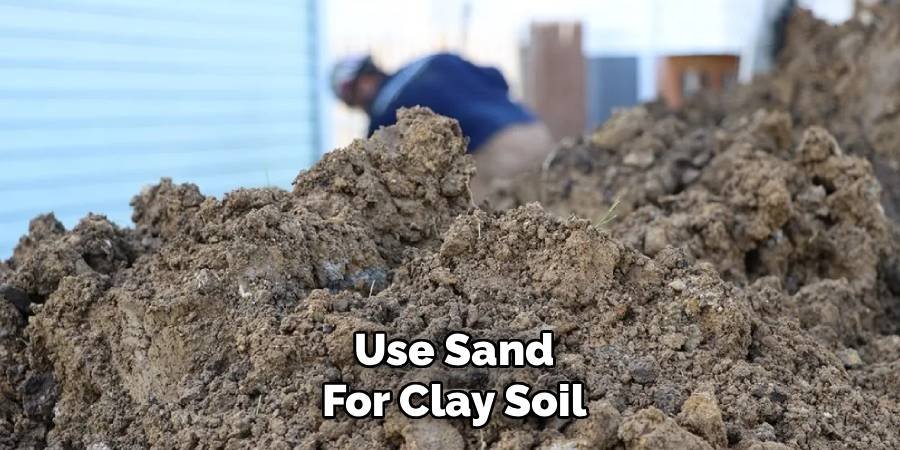
Application Method: Spread the sand evenly over your garden area. Use a shovel or rototiller to mix it into the top 8-10 inches of soil. This process may take several seasons to show full results.
Remember that sand alone will not solve all clay soil problems. It works best when combined with organic matter like compost.
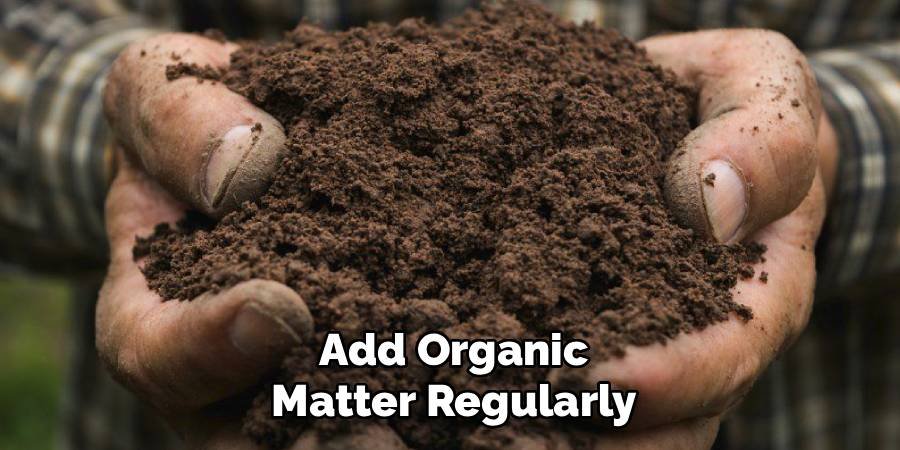
Step 4: Add Organic Matter Regularly
Regular addition of organic matter is key to keeping soil soft and healthy. Organic materials feed soil microorganisms that help break down hard soil.
Types of Organic Matter: Aged manure, leaf mold, grass clippings, and kitchen compost all work well. Each type adds different nutrients and improves soil in different ways.
Application Schedule: Add organic matter to your soil at least twice a year. Spring and fall are the best times. This gives the materials time to break down and improve your soil.
Working It In: Use a garden fork or shovel to work organic matter into the top 6-8 inches of soil. Be gentle to avoid compacting the soil further.
Regular additions of organic matter will slowly transform hard soil into soft, fertile ground that plants love.
Step 5: Improve Soil Drainage
Poor drainage often causes soil to become hard and compacted. Improving drainage helps water move through the soil better.
Create Raised Beds: Building raised garden beds improves drainage naturally. The soil in raised beds drains better than ground-level gardens.
Install Drainage Systems: In very wet areas, you might need to install drainage pipes or create drainage ditches. This helps move excess water away from your garden.
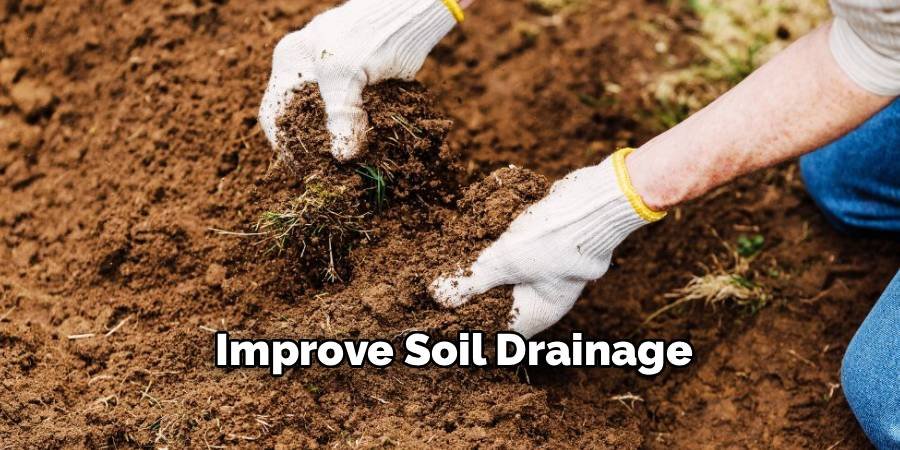
Add Drainage Materials: Mix perlite, vermiculite, or small gravel into heavy clay soil. These materials create spaces for water to flow through the soil.
Avoid Walking on Wet Soil: Never work in your garden or walk on soil when it is very wet. This causes compaction and makes drainage problems worse.
Good drainage prevents water from sitting on top of the soil and creating a hard crust when it dries.
Step 6: Use Cover Crops
Cover crops are plants that you grow specifically to improve soil health. They help break up hard soil naturally with their roots.
Best Cover Crops for Hard Soil: Crimson clover, winter rye, and buckwheat all have strong roots that can break through compacted soil. These plants also add nitrogen and organic matter when they decompose.
When to Plant: Plant cover crops in late summer or early fall. Let them grow through winter and early spring. Then cut them down and work them into the soil before planting your main crops.
How They Work: Cover crop roots create channels in hard soil. When the plants decompose, they add organic matter that helps keep the soil soft.
Cover crops are an excellent long-term solution for improving hard soil naturally.
Step 7: Apply Gypsum for Clay Soil
Gypsum is a natural mineral that can help break up clay soil without changing the soil’s pH level.
How Gypsum Works: Gypsum contains calcium and sulfur. These minerals help clay particles clump together in larger groups, creating more space for air and water.
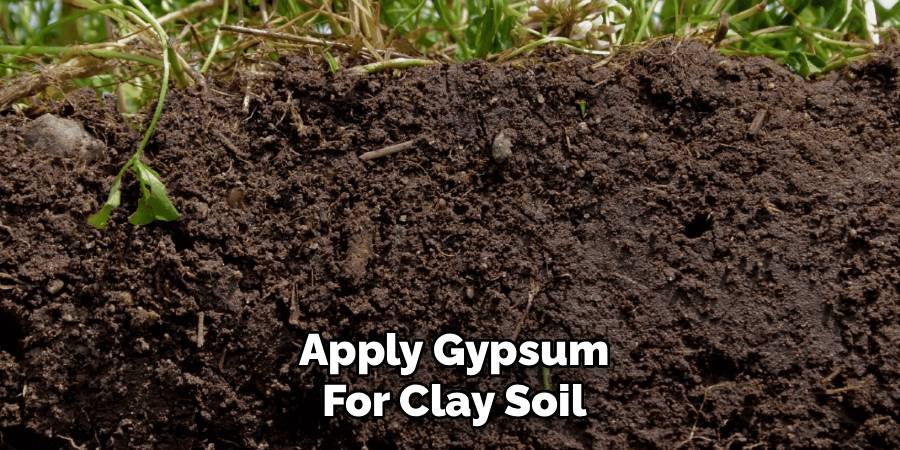
Application Rate: Spread gypsum over your soil at a rate of about 1-2 pounds per 100 square feet. Water it in well after application.
Best Timing: Apply gypsum in early spring or fall when you can work it into the soil easily. It takes several months to see full results.
Combining with Other Methods: Gypsum works best when used along with organic matter. The combination helps create lasting improvements in soil structure.
Gypsum is particularly helpful for clay soils that drain poorly and become very hard when dry.
Step 8: Use Deep Cultivation Techniques
Sometimes hard soil needs physical breaking up to become workable again. Deep cultivation helps create better soil structure.
Double Digging: This method involves digging trenches and loosening soil to a depth of 18-24 inches. It takes more work but creates dramatic improvements in very hard soil.
Using a Broadfork: A broadfork is a tool with long tines that you push into the soil and rock back and forth. This loosens compacted soil without mixing up the soil layers.
Tilling Considerations: Power tillers can help break up hard soil, but use them carefully. Over-tilling can actually make compaction worse by destroying soil structure.
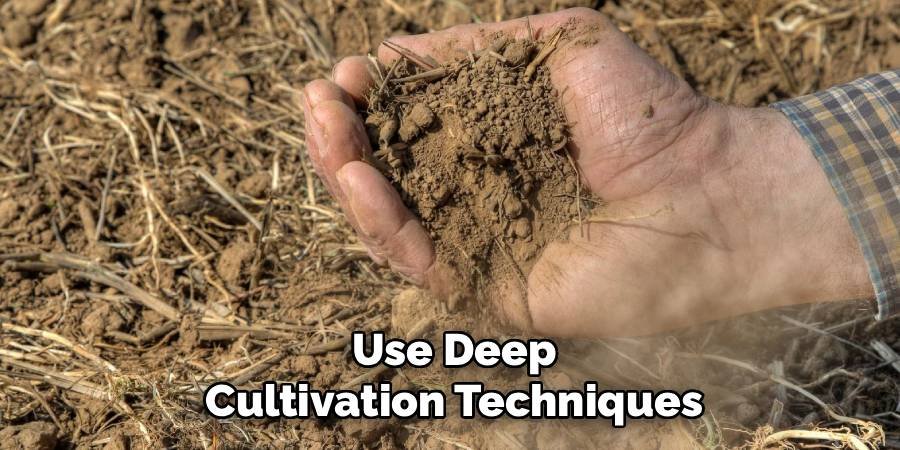
Timing is Important: Only cultivate soil when it has the right moisture level. It should be moist but not wet. Soil that crumbles in your hand is ready to work.
Deep cultivation should be combined with other methods like adding organic matter for best results.
Additional Tips for Softening Hard Soil
Mulching: Apply a layer of organic mulch around plants. This helps keep soil moist and prevents it from becoming hard.
Avoid Compaction: Create permanent paths in your garden so you do not walk on planting areas. This prevents future soil compaction.
Gradual Improvement: Remember that softening hard soil takes time. Be patient and consistent with your soil improvement efforts.
Professional Testing: For severe soil problems, consider having your soil professionally tested. This can reveal specific problems and solutions.
FAQs
1. How long does it take to make hard soil soft?
It usually takes 1-2 growing seasons to see significant improvement in hard soil. The exact time depends on your soil type and the methods you use. Clay soil takes longer to improve than other soil types. Adding organic matter regularly speeds up the process. Some methods like adding sand may show results in just a few months, while others like cover crops take a full growing season.
2. What is the fastest way to soften hard clay soil?
The fastest way to soften clay soil is to add coarse sand and compost together. Mix one part coarse sand with two parts clay soil and add plenty of compost. Work this mixture into the top 8-10 inches of soil. You can also add gypsum to help break up clay particles faster. This combination usually shows results within 3-6 months.
3. Can I use regular sand to soften clay soil?
No, you should not use regular fine sand or play sand on clay soil. Fine sand can actually make clay soil harder by filling in the spaces between clay particles. Always use coarse builder’s sand or river sand. The sand particles should be large enough to create air spaces in the clay soil. Mix sand with organic compost for best results.
4. How do I know if my soil improvement is working?
You will know your soil is improving when it becomes easier to dig and work with. Improved soil will crumble in your hands instead of forming hard clumps. Plants will grow better with stronger root systems. Water will soak into the soil faster instead of running off the surface. The soil will also have more earthworms and beneficial insects.
5. Should I add lime to make hard soil softer?
Only add lime if your soil test shows that your soil is too acidic (pH below 6.0). Lime does not directly soften soil – it changes the pH level. Some hard soils are actually too alkaline and would become worse with lime. Always test your soil pH before adding lime. Focus on adding organic matter and improving drainage to soften hard soil naturally.
Conclusion
Learning how to make hard soil soft is essential for successful gardening. Hard soil prevents plants from growing healthy root systems and blocks water from reaching where plants need it most. The eight steps outlined in this guide provide natural, effective methods to transform your hard soil into soft, fertile ground.
Start by testing your soil to understand what you are working with. Add organic compost and other organic matter regularly to feed soil microorganisms. For clay soil, use coarse sand and gypsum to improve structure. Plant cover crops to break up compacted soil naturally. Improve drainage to prevent future hardening. Use proper cultivation techniques when needed.
Remember that softening hard soil takes time and patience. Most methods require 1-2 growing seasons to show full results. Be consistent with your soil improvement efforts and avoid walking on wet soil to prevent new compaction.
The investment you make in improving your soil will pay off with healthier plants, better harvests, and easier gardening for years to come. Soft, well-structured soil is the foundation of any successful garden.

About Ravuk Barg
B.Sc. Horticulture Science | Certified Master Gardener
Ravuk Barg has spent more than a decade with his hands in the soil and his head full of questions about why some gardens thrive while others struggle. What started as a single raised bed of tomatoes and basil in a modest backyard has grown into a deep, working knowledge of everything from seed germination and soil amendment to companion planting and seasonal pruning.
Over the years, Ravuk has gardened through drought summers, waterlogged springs, and pest invasions that would make most gardeners hang up their trowels for good. Those hard seasons, he’ll tell you, taught him more than any perfect growing year ever could. He writes from that earned experience—covering vegetable growing, ornamental planting, houseplant care, composting, and garden design with equal confidence and curiosity.
Philosophy & Approach
Ravuk’s approach to gardening is rooted in practicality. He favors organic methods not out of dogma, but because they work long-term—resulting in healthier soil, fewer inputs, and stronger plants. He has a particular fondness for heirloom vegetable varieties (the kind with proper flavor), unruly cottage-style flower beds, and the stubborn houseplants that everyone else gave up on.
The Mission: Give readers the honest, experience-backed advice that helps them actually succeed in their gardens—not just the ideal version, but the real one; weeds, failures, and all.
Education & Credentials
-
B.Sc. in Horticulture Science
-
Greenfield Agricultural University
-
Focus: Plant Physiology, Soil Ecology, and Sustainable Crop Production
-
-
Master Gardener Certification
-
Cooperative Extension Service
-
Focus: 200+ hours of hands-on practical training and community garden work
-
Continuing Education
-
Organic Pest Management
-
Native Plant Landscaping
-
Sustainable Crop Production