

Growing plants in a greenhouse is fun and rewarding. But bugs can ruin your hard work and damage your precious plants. Learning how to keep bugs out of greenhouse is important for every gardener who wants healthy, beautiful plants.

Bugs love greenhouses because they are warm, humid, and full of tasty plants. Common greenhouse pests include aphids, whiteflies, spider mites, thrips, and fungus gnats. These tiny creatures can multiply quickly and cause big problems for your plants. The good news is that you can protect your greenhouse from bugs using simple, effective methods. This guide will show you 8 proven ways to keep bugs out of your greenhouse naturally and safely.
8 Effective Methods on How to Keep Bugs Out of Greenhouse
Method 1: Install Physical Barriers and Screens
The first step in greenhouse bug prevention is creating physical barriers. Fine mesh screens on windows, doors, and vents work like a wall that stops bugs from entering your greenhouse. Use screens with holes smaller than 0.15mm to block tiny pests like thrips and aphids. Check your screens regularly for holes or tears. Even small openings can let hundreds of bugs inside.
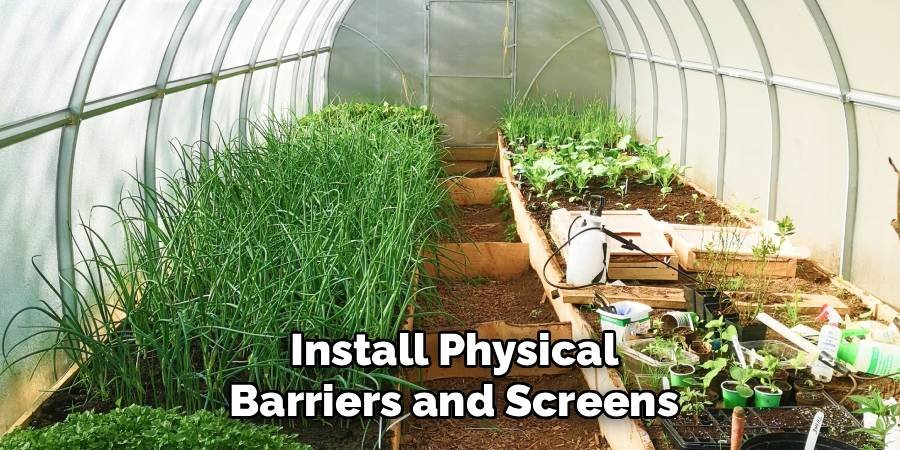
Install door sweeps at the bottom of greenhouse doors. This prevents crawling insects from sneaking in under the door. Weather stripping around doors and windows also helps seal gaps where bugs might enter. Double-door entry systems work great for busy greenhouses. When you enter through the first door, close it before opening the second door. This creates an airlock that keeps bugs from flying in while you enter.
Method 2: Maintain Proper Greenhouse Hygiene
Clean greenhouses have fewer bug problems. Remove dead leaves, fallen fruits, and plant debris regularly. These materials attract pests and give them places to hide and breed. Disinfect your tools, pots, and surfaces with a mild bleach solution or rubbing alcohol. Clean tools prevent you from accidentally moving bugs from one plant to another.
Quarantine new plants before adding them to your greenhouse. Keep new plants separate for at least two weeks. Check them carefully for signs of bugs or eggs. This simple step prevents bringing pests into your clean greenhouse. Sweep floors and clean benches weekly. Vacuum up any dead insects, soil, or plant matter. A tidy greenhouse is less attractive to bugs looking for food and shelter.
Method 3: Control Temperature and Humidity
Most greenhouse pests thrive in specific temperature and humidity ranges. By controlling these conditions, you can make your greenhouse less comfortable for bugs. Keep humidity levels between 50-70% during the day. High humidity encourages fungus gnats, aphids, and other moisture-loving pests. Use fans and proper ventilation to reduce excess moisture. Maintain proper air circulation with exhaust fans and intake vents. Moving air makes it harder for flying insects to land on plants. Good airflow also prevents the hot, humid conditions that bugs love.
Monitor temperature closely with thermometers placed throughout your greenhouse. Sudden temperature changes can stress plants and make them more vulnerable to pest attacks. Use dehumidifiers during humid seasons if natural ventilation isn’t enough. Dry air discourages many common greenhouse pests from settling in your growing space.
Method 4: Use Beneficial Insects for Natural Pest Control
Beneficial insects are nature’s pest control team. These helpful bugs eat harmful pests and keep your greenhouse ecosystem balanced. Ladybugs are excellent for controlling aphids. Release them in your greenhouse during early evening when they’re less likely to fly away. One ladybug can eat up to 50 aphids per day.
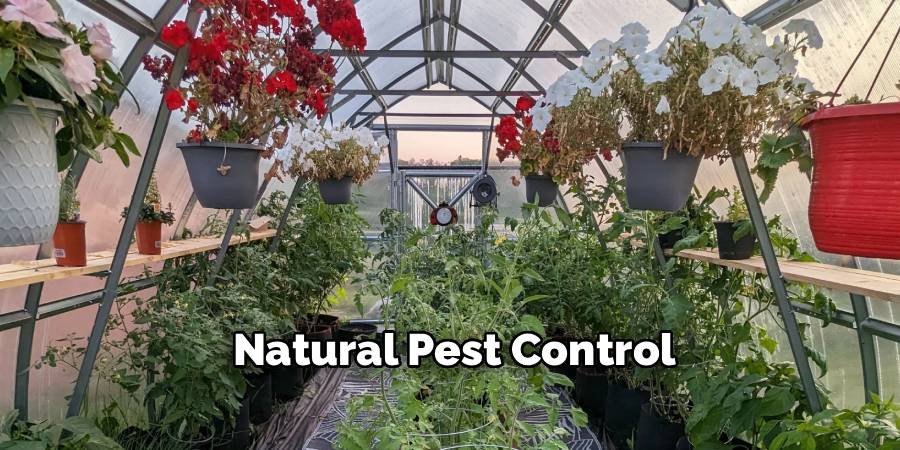
Lacewing larvae hunt for aphids, spider mites, and other soft-bodied insects. They’re sometimes called “aphid lions” because they’re such fierce predators. Predatory mites control spider mites and thrips. These tiny beneficial insects are perfect for greenhouse use because they stay on plants and don’t fly away. Parasitic wasps attack specific pests like whiteflies and aphids. Don’t worry – these wasps are too small to sting humans and only target harmful insects.
Method 5: Apply Organic Sprays and Natural Repellents
Organic sprays provide safe, effective pest control without harmful chemicals. These natural solutions protect your plants and keep your greenhouse environment healthy. Neem oil spray works against many common greenhouse pests. Mix 2 tablespoons of neem oil with 1 gallon of water and a few drops of dish soap. Spray affected plants in the evening to avoid leaf burn. Insecticidal soap kills soft-bodied insects like aphids and spider mites on contact. You can buy ready-made soap or make your own with 1 tablespoon of mild liquid soap mixed in 1 quart of water.
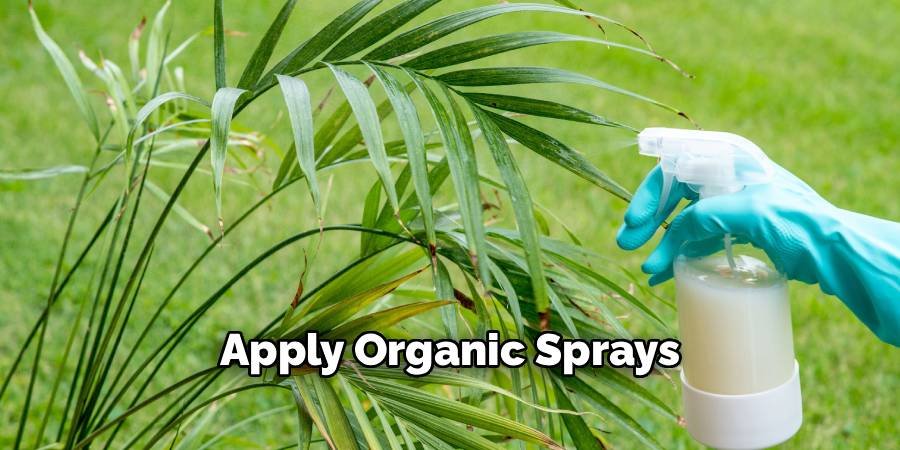
Essential oil sprays repel many insects naturally. Peppermint, rosemary, and thyme oils work well. Mix 10-15 drops of essential oil with water and a little soap as an emulsifier. Diatomaceous earth sprinkled around plants kills crawling insects. This natural powder damages the protective coating on bugs, causing them to dry out. Use food-grade diatomaceous earth for safety.
Method 6: Set Up Sticky Traps and Monitoring Systems
Sticky traps catch flying insects and help you monitor pest populations in your greenhouse. Yellow traps attract aphids, whiteflies, and fungus gnats. Blue traps work better for thrips. Place traps near doors, windows, and above plant canopies where flying insects are most active. Check traps weekly and replace them when they’re full of bugs. Pheromone traps use insect scents to lure specific pests. These specialized traps work well for moths and other insects that might damage your plants.
Monitor your traps regularly to track pest populations. If you notice increasing numbers of bugs, you can take action before the problem gets worse. Keep a simple log of what pests you find and when. This information helps you understand pest patterns and plan better prevention strategies.
Method 7: Choose Resistant Plant Varieties
Some plants naturally resist common greenhouse pests. Choosing resistant varieties is a smart long-term strategy for reducing bug problems. Look for plants labeled as pest-resistant or disease-resistant when shopping for seeds or seedlings. These varieties have been bred to withstand common problems.
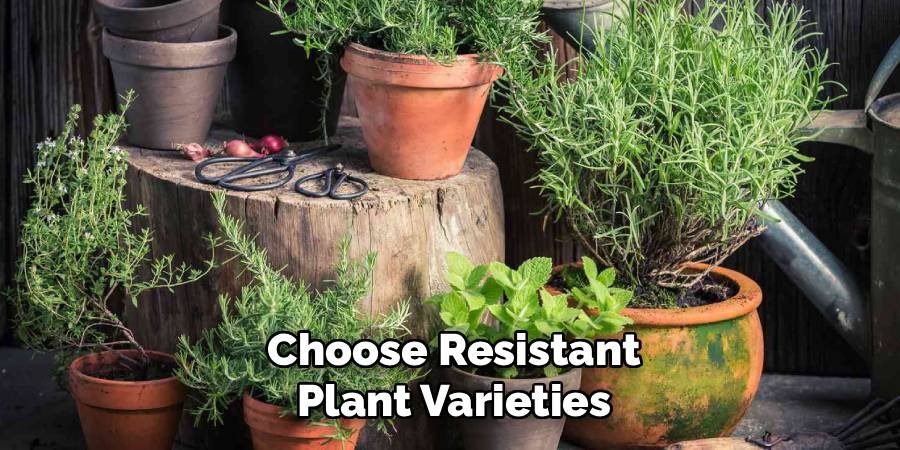
Companion planting uses certain plants to repel insects naturally. Basil planted near tomatoes helps keep aphids away. Marigolds repel many different types of bugs. Avoid bringing in plants that are known to attract pests. Some plants act like magnets for specific insects, making your entire greenhouse more vulnerable. Research your specific plants to understand what pests they might attract. Knowledge helps you prepare better prevention strategies for each type of plant you grow.
Method 8: Regular Inspection and Early Detection
The key to successful greenhouse pest control is catching problems early. Regular plant inspections help you spot bugs before they multiply and cause serious damage.
Check your plants at least twice a week, looking at both the tops and undersides of leaves. Many pests hide on leaf undersides where they’re harder to spot.
Look for signs of pest damage like yellowing leaves, sticky honeydew, small holes, or webbing. These symptoms often appear before you can see the actual bugs.
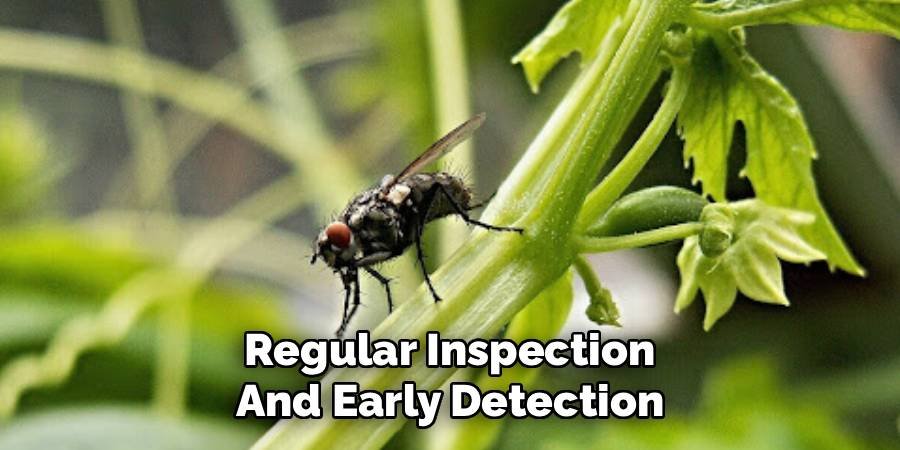
Use a magnifying glass to spot tiny insects like spider mites and thrips. Early detection allows you to treat small populations before they explode into major infestations.
Take photos of any suspicious symptoms or insects you find. This helps you identify pests correctly and track the effectiveness of your control methods.
Frequently Asked Questions (FAQs)
Q1: What are the most common bugs found in greenhouses?
Answer: The most common greenhouse pests include aphids, whiteflies, spider mites, thrips, and fungus gnats. These insects love the warm, humid conditions inside greenhouses and can multiply quickly if not controlled. Aphids and whiteflies suck plant juices, while spider mites create fine webbing and cause leaf damage. Thrips feed on plant tissues and can spread plant diseases. Fungus gnats live in soil and can damage plant roots.
Q2: How often should I inspect my greenhouse plants for bugs?
Answer: You should inspect your greenhouse plants at least twice a week for signs of bugs or damage. During peak growing season or if you’ve had pest problems before, daily checks are even better. Look at both the tops and undersides of leaves, check stems, and examine soil surfaces. Early morning inspections work well because many pests are most active then and easier to spot.
Q3: Can I use chemical pesticides in my greenhouse?
Answer: While you can use chemical pesticides in greenhouses, it’s better to try natural methods first. Chemicals can harm beneficial insects, contaminate your food crops, and create resistant pest populations. If you must use pesticides, choose ones specifically labeled for greenhouse use and follow all safety instructions. Always try organic solutions like neem oil, insecticidal soap, or beneficial insects before using harsh chemicals.
Q4: How do I prevent bugs from entering through greenhouse vents?
Answer: Install fine mesh screens over all greenhouse vents, windows, and openings. Use screens with holes smaller than 0.15mm to block even tiny pests like thrips. Check screens regularly for damage and repair holes immediately. Make sure screens fit tightly with no gaps around the edges. You can also use automatic vent openers with built-in screens for better ventilation control.
Q5: What should I do if I find bugs on new plants?
Answer: Quarantine new plants immediately in a separate area away from your main greenhouse. Keep them isolated for at least two weeks while you treat the pest problem. Remove visible bugs by hand or with a strong water spray. Apply appropriate organic treatments like neem oil or insecticidal soap. Only move plants to your main greenhouse after you’re sure they’re pest-free. This prevents spreading bugs to your healthy plants.
Conclusion
Learning how to keep bugs out of greenhouse doesn’t have to be complicated or expensive. These 8 methods provide natural, effective ways to protect your plants from harmful pests. Start with physical barriers and good hygiene practices, then add beneficial insects and organic treatments as needed.
Remember that greenhouse pest prevention works best when you combine multiple methods. Use screens and barriers to keep bugs out, maintain clean growing conditions, and inspect plants regularly for early problem detection. Natural solutions like beneficial insects and organic sprays provide safe, effective pest control without harmful chemicals.
Successful greenhouse pest management takes patience and consistency. Check your plants regularly, keep your growing space clean, and act quickly when you spot problems. With these proven strategies, you can enjoy healthy, productive plants in your bug-free greenhouse all year long.
The key is starting early and staying consistent with your pest prevention routine. A little effort now prevents big problems later, giving you more time to enjoy the rewards of greenhouse gardening.

About Ravuk Barg
B.Sc. Horticulture Science | Certified Master Gardener
Ravuk Barg has spent more than a decade with his hands in the soil and his head full of questions about why some gardens thrive while others struggle. What started as a single raised bed of tomatoes and basil in a modest backyard has grown into a deep, working knowledge of everything from seed germination and soil amendment to companion planting and seasonal pruning.
Over the years, Ravuk has gardened through drought summers, waterlogged springs, and pest invasions that would make most gardeners hang up their trowels for good. Those hard seasons, he’ll tell you, taught him more than any perfect growing year ever could. He writes from that earned experience—covering vegetable growing, ornamental planting, houseplant care, composting, and garden design with equal confidence and curiosity.
Philosophy & Approach
Ravuk’s approach to gardening is rooted in practicality. He favors organic methods not out of dogma, but because they work long-term—resulting in healthier soil, fewer inputs, and stronger plants. He has a particular fondness for heirloom vegetable varieties (the kind with proper flavor), unruly cottage-style flower beds, and the stubborn houseplants that everyone else gave up on.
The Mission: Give readers the honest, experience-backed advice that helps them actually succeed in their gardens—not just the ideal version, but the real one; weeds, failures, and all.
Education & Credentials
-
B.Sc. in Horticulture Science
-
Greenfield Agricultural University
-
Focus: Plant Physiology, Soil Ecology, and Sustainable Crop Production
-
-
Master Gardener Certification
-
Cooperative Extension Service
-
Focus: 200+ hours of hands-on practical training and community garden work
-
Continuing Education
-
Organic Pest Management
-
Native Plant Landscaping
-
Sustainable Crop Production