

Hanging ferns add a beautiful touch of green to porches, patios, and balconies. Their lush, cascading fronds create a serene atmosphere. However, their dense foliage and protected height also make them an attractive nesting spot for small birds.

While watching birds can be enjoyable, a nest in your hanging basket can lead to a mess of droppings, displaced soil, and a potentially stressed or damaged plant. Learning how to keep birds out of hanging ferns is essential for maintaining both the health of your plant and a clean outdoor space, without harming your feathered visitors. This guide will provide simple, humane, and effective methods to protect your ferns.
Why Keeping Birds Out of Hanging Ferns is Important
Protecting your hanging ferns from nesting birds is about more than just aesthetics; it’s crucial for the plant’s health and your home’s cleanliness. When birds build nests, they displace soil and can damage the fern’s delicate fronds and root system. The constant activity and added weight can stress the plant, making it more vulnerable to pests and diseases. Furthermore, bird droppings can accumulate on your porch, furniture, and the plant itself, creating an unsanitary mess that is difficult to clean. By proactively deterring birds, you ensure your ferns remain a beautiful, thriving feature of your home.
8 Step-by-Step Guide on How to Keep Birds Out of Hanging Ferns
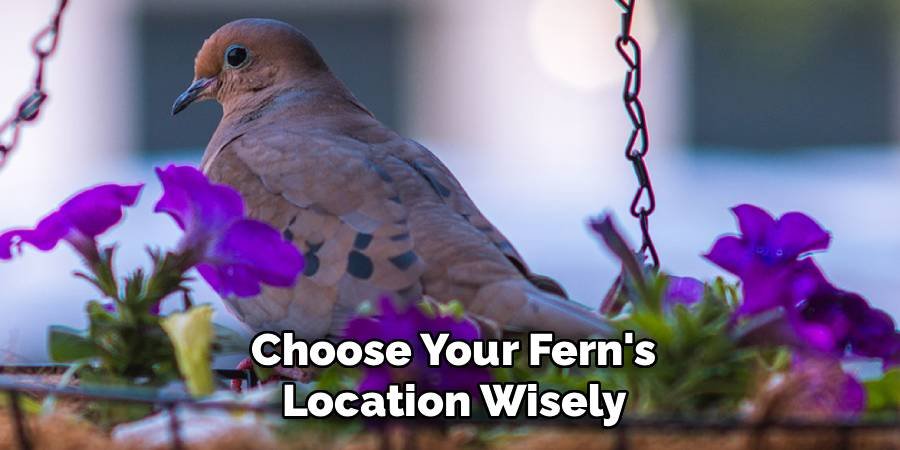
Step 1: Choose Your Fern’s Location Wisely
The placement of your hanging fern plays a significant role in its appeal to nesting birds. Birds often seek out sheltered locations that are protected from predators and harsh weather. A fern tucked away in a quiet corner of your porch, under a deep eave, is a prime spot. To make it less inviting, consider hanging your fern in a more open, high-traffic area. Increased human activity can be a natural deterrent, making birds feel less secure and encouraging them to look elsewhere for a nesting site.
Step 2: Install Reflective Deterrents
Birds are easily spooked by sudden flashes of light and unpredictable movements. You can use this to your advantage by hanging reflective items around your fern. Strips of aluminum foil, old CDs, or commercially available reflective scare tape are all excellent options. Attach them to the basket’s chains or near the top of the plant where they can move freely in the breeze. The light reflecting off these surfaces creates a confusing and startling environment for birds, making them hesitant to approach and settle in.
Step 3: Use Physical Barriers Before Nesting Starts
One of the most effective ways to stop birds is to physically block their access to the fern’s soil. Before a nest is built, you can place several wooden skewers or chopsticks into the soil, pointing outwards at an angle. This creates a spiky, uncomfortable barrier that prevents birds from landing and getting comfortable. Ensure the skewers are spaced a few inches apart to cover the open soil surface. This simple, harmless trick makes the fern an unsuitable and uninviting place for nest building.
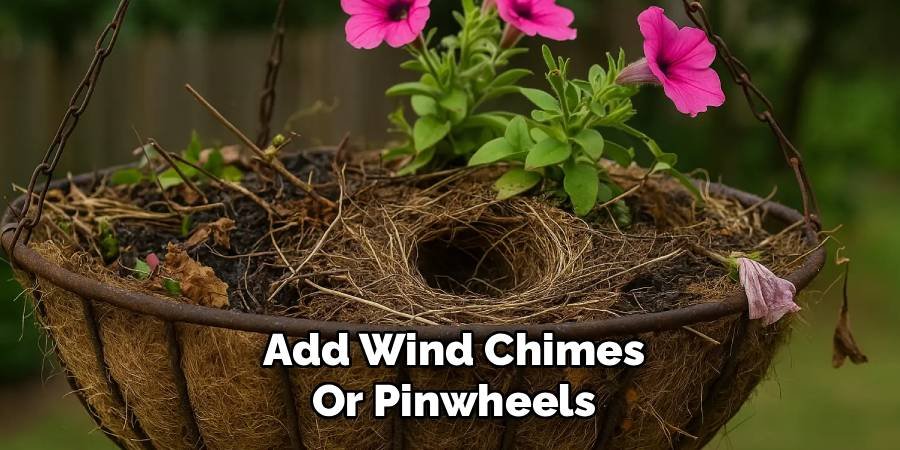
Step 4: Add Wind Chimes or Pinwheels
In addition to visual deterrents, sound and motion can be powerful tools. Hanging wind chimes near your ferns adds a pleasant sound for you but an unpredictable noise for birds. The gentle chiming can be just enough to make them wary. Similarly, colorful pinwheels placed in or around the basket create constant, erratic motion that birds find unsettling. The combination of movement and sound makes the area feel unsafe, prompting birds to bypass your fern for a quieter, more stable nesting location.
Step 5: Try a Fake Predator
Birds have a natural fear of predators like owls, hawks, and snakes. Placing a realistic-looking plastic owl or a rubber snake on or near your hanging fern can be a highly effective deterrent. For the best results, move the decoy every few days. Birds are intelligent and will quickly realize the “predator” is not a real threat if it remains stationary for too long. By changing its position, you maintain the illusion of danger and keep them from becoming comfortable with its presence.
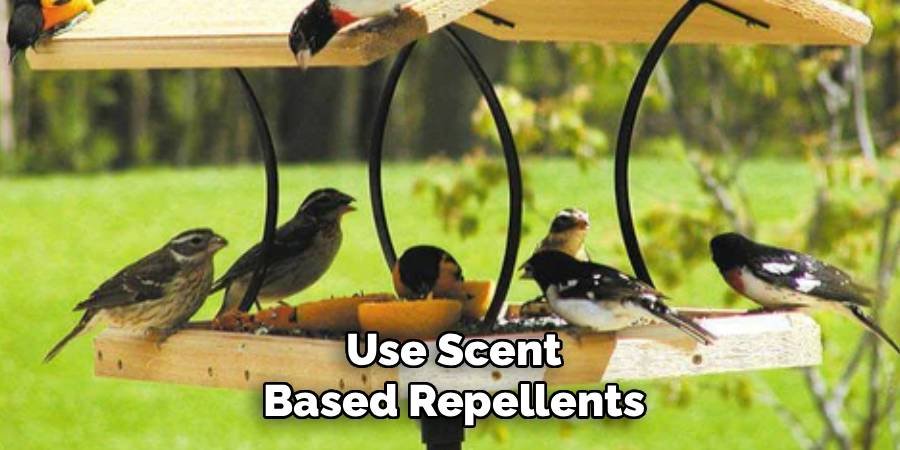
Step 6: Use Scent-Based Repellents
Certain strong scents are unpleasant to birds and can act as a natural repellent. You can create a simple spray using water mixed with a few drops of peppermint or eucalyptus essential oil. Lightly mist the outer fronds of your fern every few days, especially after it rains. Alternatively, placing cotton balls soaked in these oils around the base of the plant can also work. The strong aroma is offensive to birds but harmless to your plant and pleasant to humans, making it a safe repellent option.
Step 7: How to Keep Birds Out of Hanging Ferns with Netting
If you have a persistent bird problem, using bird netting can be a foolproof solution. Drape the lightweight netting over the entire hanging basket and secure it at the bottom. This creates an impenetrable barrier that completely prevents access to the plant. Ensure the netting is pulled taut and has no large gaps where a bird could get trapped. While it may slightly alter the look of your hanging fern, it is one of the most reliable methods for guaranteeing your plant remains nest-free throughout the season.
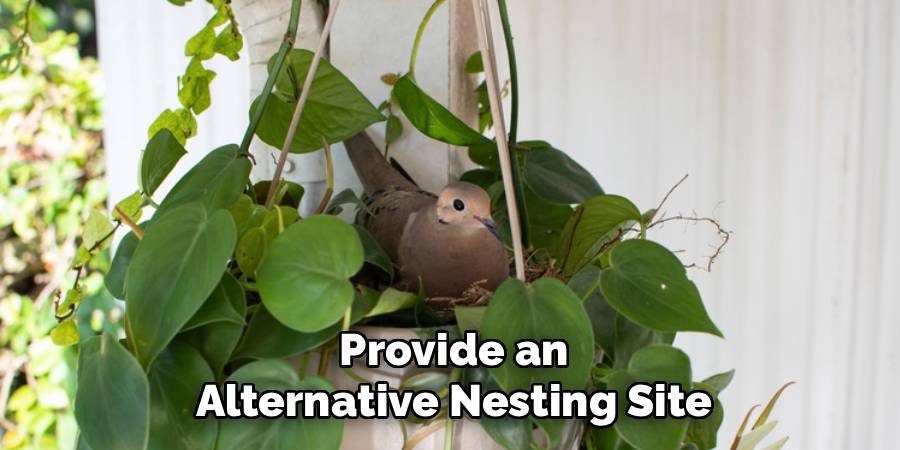
Step 8: Provide an Alternative Nesting Site
Sometimes, the best defense is a good offense. If birds are determined to nest near your home, you can redirect their attention by offering a more attractive alternative. Install a birdhouse or a nesting box in a different part of your yard, away from your porch and hanging plants. Choose a location that is quiet and sheltered. By providing a safe and desirable home for them, you encourage birds to nest where you want them to, leaving your beautiful hanging ferns untouched and undisturbed.
Common Mistakes to Avoid
When trying to deter birds from nesting in unwanted areas, it’s important to avoid common mistakes that can undermine your efforts. One major error is using unsafe or harmful deterrents, such as sharp objects or toxic chemicals, which can endanger the birds and other wildlife. Another mistake is neglecting to regularly check and clean birdhouses or nesting boxes, as this can lead to abandoned nests or unhealthy conditions for the birds. Additionally, placing alternative nesting sites too close to the areas you’re trying to protect can still encourage birds to frequent those spots. By keeping these points in mind, you can create a safe and effective plan to manage bird activity around your home.
Frequently Asked Questions (FAQ)
What Kind of Birds Like to Nest in Hanging Ferns?
Small bird species are most commonly found nesting in hanging ferns. House finches, sparrows, wrens, and robins are particularly drawn to them. These birds prefer the shelter and protection that the dense foliage of a hanging plant provides, as it hides their nests from predators and shields them from the elements. The height of a hanging basket also offers an added layer of security, making it an ideal location to raise their young.
Is it Okay to Remove a Bird’s Nest from My Fern?
If the nest contains eggs or baby birds (chicks), you should not remove it. Many native bird species are protected by federal laws like the Migratory Bird Treaty Act, which makes it illegal to disturb an active nest. The best course of action is to wait until the young birds have fledged, or left the nest. Once the nest is empty, you can safely remove it and implement deterrents to prevent future nesting.
Will Deterrents Harm the Birds or My Plant?
Most recommended deterrents are completely humane and will not harm birds or your plants.
- Visual deterrents like reflective tape and fake owls simply scare birds away.
- Physical barriers like skewers make the area uncomfortable but do not injure the birds.
- Scent repellents using essential oils are non-toxic to plants and animals when used correctly.
Always choose methods that frighten or annoy birds rather than those that could trap or injure them.
How Often Should I Check My Ferns for Nests?
During the nesting season, which typically runs from spring through summer, it is wise to check your hanging ferns every few days. Birds can build nests remarkably quickly—sometimes in just a day or two. By inspecting your plants regularly, you can spot the beginnings of a nest and take action before any eggs are laid. Early detection is key to humanely managing the situation without breaking any laws.
Can I Use a Pesticide to Keep Birds Away?
No, you should never use pesticides or chemical poisons to deter birds. These substances are extremely harmful and can kill birds, other wildlife, and even household pets if they are exposed. Furthermore, these toxic chemicals can be absorbed by your fern, damaging or killing the plant. Stick to safe, non-toxic, and humane deterrents like reflective objects, physical barriers, or natural scent repellents to protect your plants.
Conclusion
Hanging ferns are a wonderful addition to any home, but they don’t have to become a nesting ground for birds. By being proactive and using the simple, humane methods outlined above, you can successfully protect your plants. From strategically placing reflective tape and pinwheels to using physical barriers like skewers, there are many ways to make your ferns less appealing to nesting birds. The key is to act early in the season before a nest is established. Now that you know how to keep birds out of hanging ferns, you can enjoy their lush beauty without the mess and stress.

About Ravuk Barg
B.Sc. Horticulture Science | Certified Master Gardener
Ravuk Barg has spent more than a decade with his hands in the soil and his head full of questions about why some gardens thrive while others struggle. What started as a single raised bed of tomatoes and basil in a modest backyard has grown into a deep, working knowledge of everything from seed germination and soil amendment to companion planting and seasonal pruning.
Over the years, Ravuk has gardened through drought summers, waterlogged springs, and pest invasions that would make most gardeners hang up their trowels for good. Those hard seasons, he’ll tell you, taught him more than any perfect growing year ever could. He writes from that earned experience—covering vegetable growing, ornamental planting, houseplant care, composting, and garden design with equal confidence and curiosity.
Philosophy & Approach
Ravuk’s approach to gardening is rooted in practicality. He favors organic methods not out of dogma, but because they work long-term—resulting in healthier soil, fewer inputs, and stronger plants. He has a particular fondness for heirloom vegetable varieties (the kind with proper flavor), unruly cottage-style flower beds, and the stubborn houseplants that everyone else gave up on.
The Mission: Give readers the honest, experience-backed advice that helps them actually succeed in their gardens—not just the ideal version, but the real one; weeds, failures, and all.
Education & Credentials
-
B.Sc. in Horticulture Science
-
Greenfield Agricultural University
-
Focus: Plant Physiology, Soil Ecology, and Sustainable Crop Production
-
-
Master Gardener Certification
-
Cooperative Extension Service
-
Focus: 200+ hours of hands-on practical training and community garden work
-
Continuing Education
-
Organic Pest Management
-
Native Plant Landscaping
-
Sustainable Crop Production