

Have you ever noticed a low-growing plant with fleshy leaves taking over a corner of your garden or popping up in sidewalk cracks? You might have dismissed it as just another weed, but it could be purslane, a highly nutritious and edible succulent. This plant, often overlooked, is packed with vitamins, minerals, and omega-3 fatty acids. For beginner gardeners and foragers, learning how to identify edible purslane can open up a new world of free, healthy greens right in your backyard. This guide will walk you through the essential steps to confidently distinguish this valuable plant from its look-alikes, ensuring you can safely add it to your plate.

The Importance of Correct Identification
Knowing how to spot genuine purslane is crucial for your safety and enjoyment. While edible purslane (Portulaca oleracea) is a nutritional powerhouse, it has a toxic look-alike called spurge (Euphorbia species). Mistaking spurge for purslane can lead to skin irritation or digestive upset if consumed. Correct identification ensures you are harvesting a safe, delicious, and beneficial plant. This skill empowers you to forage with confidence, turning a common garden “weed” into a valuable culinary ingredient. By learning its key features, you connect more deeply with the natural world around you and add a sustainable food source to your diet.
8 Step-by-Step Guide on How to Identify Edible Purslane
Step 1: Examine the Stems
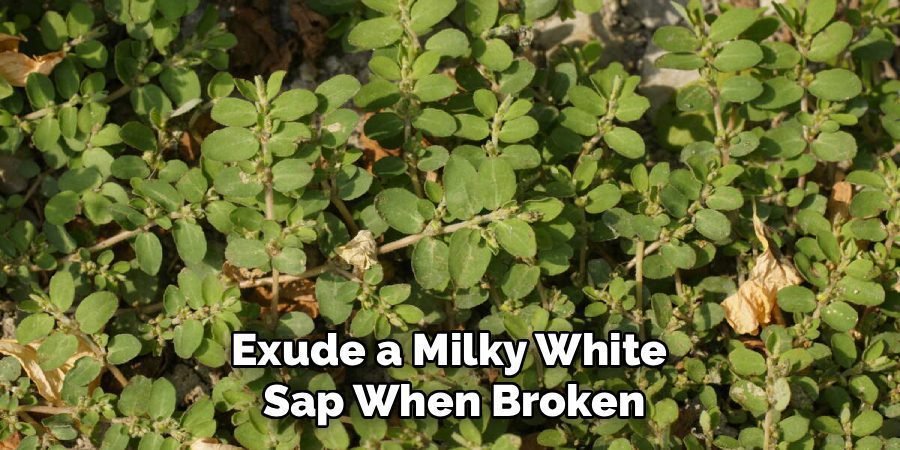
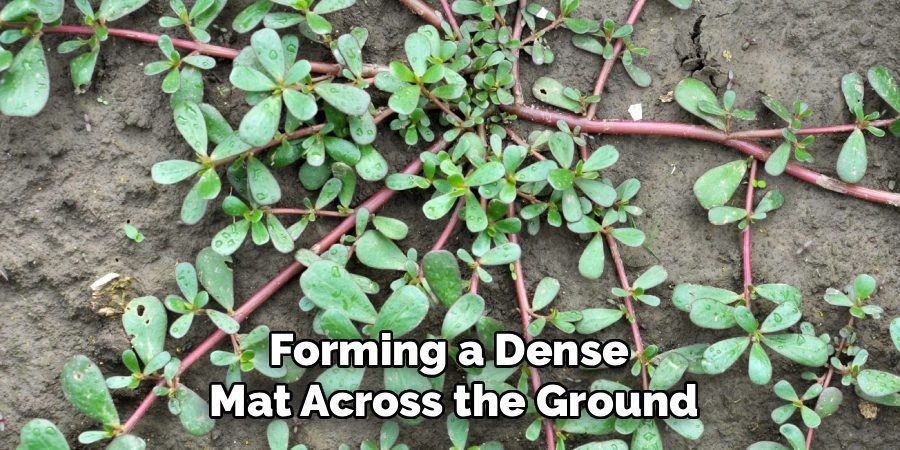
The first and most telling feature of edible purslane is its stems. They are smooth, thick, and fleshy, with a distinct reddish or pinkish-green hue. When you bend a stem, it should feel succulent and flexible, almost like a small cactus without the spines. If you break one open, it will be solid and full of moisture. This is a key difference from its toxic look-alike, spurge, which has thinner, wiry stems that are often hairy and exude a milky white sap when broken. Always check for these smooth, reddish, and pliable stems.
Step 2: Inspect the Leaves
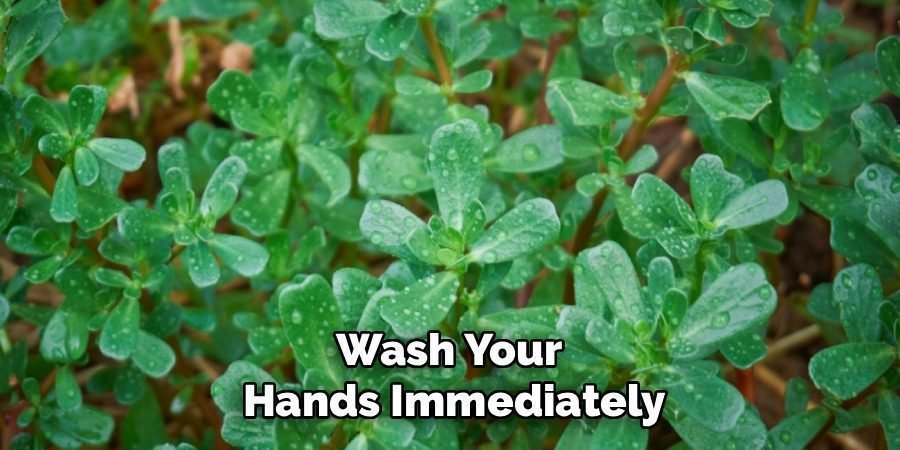
Purslane leaves are another key identifier. They are small, paddle-shaped or teardrop-shaped, and grow in clusters at the stem joints and tips. The leaves are thick, succulent, and smooth, with a glossy surface that feels waxy to the touch. They grow alternately along the stem, but can appear almost opposite each other. Unlike the leaves of spurge, which are typically thinner, often have fine hairs, and grow directly opposite each other along the stem, purslane leaves are always smooth and fleshy, confirming you have the right plant.
Step 3: Observe the Growth Habit
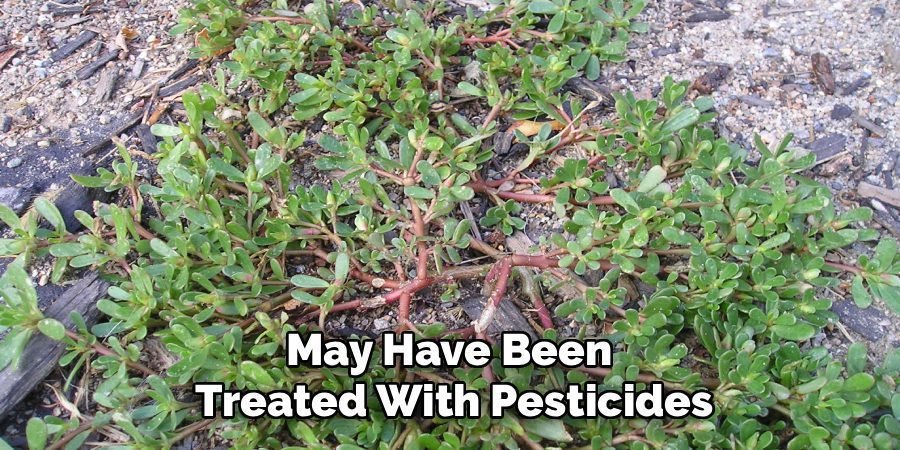
Consider how the plant grows. Edible purslane is a low-growing plant that spreads outward, forming a dense mat across the ground. The stems radiate from a single central taproot, sprawling horizontally rather than growing upright. This mat-like formation can cover several feet in diameter if left undisturbed. While spurge can also have a low-growing habit, it often appears more delicate and less dense. The robust, ground-hugging nature of purslane is a strong visual clue, especially when you see it thriving in sunny, dry areas like garden beds or sidewalk cracks.
Step 4: Look for Small Yellow Flowers
During its growing season, from mid-summer to early fall, edible purslane produces small, five-petaled yellow flowers. These blossoms are tiny, often less than a quarter-inch wide, and typically open for only a few hours in the morning on sunny days. You’ll find them nestled in the center of a leaf cluster, usually at the stem joints. The bright yellow color and simple five-petal structure are characteristic of purslane. Spurge, on the other hand, has much less conspicuous flowers that are often pale green or white and lack distinct petals.
Step 5: Check for a Single Taproot
If you gently pull a purslane plant from the soil, you will find a single, fleshy taproot that anchors it. This primary root may have smaller, fibrous roots branching off, but the main structure is one central root. This is different from many other ground-covering weeds that have a network of fibrous roots without a dominant central one. The presence of a single taproot, combined with the plant’s other features, helps confirm its identity. This also makes it relatively easy to remove from areas where you don’t want it growing.
Step 6: Identify the Seed Pods
After the yellow flowers bloom and fade, purslane develops tiny, inconspicuous seed pods. These pods are cup-shaped and have a small lid that pops off when the seeds inside are mature. You can find them in the same spot where the flowers appeared, tucked into the leaf axils. When you open a mature pod, you’ll see dozens of minuscule, black seeds. This unique “lidded” seed capsule is a definitive characteristic of the Portulaca genus and a great final check for anyone learning how to identify edible purslane.
Step 7: Note the Absence of Milky Sap
This is perhaps the most critical safety check. When you break a stem or leaf of edible purslane, it will be juicy inside, but the sap will be clear and watery. In stark contrast, its toxic look-alike, spurge, will immediately release a milky white, latex-like sap when any part of the plant is broken. This white sap is a hallmark of the Euphorbia family and can cause skin irritation. If you see milky sap, you are dealing with spurge and should discard the plant and wash your hands immediately.
Step 8: Consider the Taste (With Caution)
Once you are confident you have correctly identified purslane using all the visual cues, you can perform a taste test. A tiny nibble of a leaf should have a pleasant, slightly sour, and salty flavor, with a satisfyingly crisp and juicy texture. Many people compare the taste to spinach or watercress with a hint of lemon. If the plant tastes bitter or causes any irritation in your mouth, spit it out immediately. This final step should only be taken after you have confirmed all other identifying features.
Frequently Asked Questions (FAQ)
What Does Edible Purslane Taste Like?
Edible purslane has a refreshing and distinct flavor that is often described as a combination of spinach and watercress with a bright, lemony tang. The texture is crisp, succulent, and juicy, thanks to its high water content. This pleasant sourness comes from the malic acid in the plant, which is also found in apples. The taste can vary slightly depending on the time of day it is harvested; it tends to be more tart in the morning. This versatile flavor makes it a wonderful addition to salads, sandwiches, and sautés.
Is All Purslane Edible?
While there are over 40 varieties within the Portulaca genus, the common purslane (Portulaca oleracea) is the variety you will most likely encounter and is fully edible. Ornamental varieties, often called moss roses (Portulaca grandiflora), are also technically edible but are not grown for flavor and may have been treated with pesticides. It is crucial to distinguish true purslane from its toxic look-alike, spurge. As long as you have correctly identified Portulaca oleracea by its smooth red stems and absence of milky sap, it is safe to eat.
Can You Eat Purslane Raw?
Yes, purslane is delicious and perfectly safe to eat raw. In fact, eating it raw is one of the best ways to enjoy its crisp texture and tangy flavor while preserving its rich nutritional content. The leaves, stems, and even the tiny yellow flowers can be added directly to salads, blended into smoothies, or used as a fresh garnish for soups and tacos. When eating it raw, simply wash the plant thoroughly to remove any dirt or debris before adding it to your meal for a nutritious boost.
What Are the Health Benefits of Purslane?
Purslane is considered a nutritional powerhouse. It is exceptionally high in alpha-linolenic acid (ALA), a type of omega-3 fatty acid that is essential for heart and brain health. It is also packed with vitamins A and C, which are powerful antioxidants, as well as essential minerals like magnesium, potassium, iron, and calcium. Furthermore, purslane contains betalains, the pigments that give beets their color, which have potent antioxidant and anti-inflammatory properties. Adding this humble “weed” to your diet is an easy way to boost your nutrient intake significantly.
Where Does Purslane Typically Grow?
Purslane is an incredibly resilient plant that thrives in a wide range of conditions, but it particularly loves full sun and warm weather. You can commonly find it growing in disturbed soil, making it a frequent visitor in vegetable gardens, cultivated fields, and landscaped areas. It also has a knack for popping up in seemingly inhospitable places, such as cracks in sidewalks, driveways, and rocky patches. Its ability to tolerate drought allows it to flourish in dry, poor soil where other plants might struggle to survive.
Conclusion
Mastering how to identify edible purslane is a rewarding skill for any gardener, forager, or health-conscious individual. By carefully examining the plant’s smooth, reddish stems, succulent leaves, growth habit, and lack of milky sap, you can confidently distinguish it from toxic look-alikes like spurge. Remember to check for the small yellow flowers and unique seed pods to be absolutely certain. Once you know what to look for, you’ll start noticing this nutritious green everywhere. Don’t let this valuable wild edible go to waste—now you have the knowledge to safely harvest and enjoy it.

About Ravuk Barg
B.Sc. Horticulture Science | Certified Master Gardener
Ravuk Barg has spent more than a decade with his hands in the soil and his head full of questions about why some gardens thrive while others struggle. What started as a single raised bed of tomatoes and basil in a modest backyard has grown into a deep, working knowledge of everything from seed germination and soil amendment to companion planting and seasonal pruning.
Over the years, Ravuk has gardened through drought summers, waterlogged springs, and pest invasions that would make most gardeners hang up their trowels for good. Those hard seasons, he’ll tell you, taught him more than any perfect growing year ever could. He writes from that earned experience—covering vegetable growing, ornamental planting, houseplant care, composting, and garden design with equal confidence and curiosity.
Philosophy & Approach
Ravuk’s approach to gardening is rooted in practicality. He favors organic methods not out of dogma, but because they work long-term—resulting in healthier soil, fewer inputs, and stronger plants. He has a particular fondness for heirloom vegetable varieties (the kind with proper flavor), unruly cottage-style flower beds, and the stubborn houseplants that everyone else gave up on.
The Mission: Give readers the honest, experience-backed advice that helps them actually succeed in their gardens—not just the ideal version, but the real one; weeds, failures, and all.
Education & Credentials
-
B.Sc. in Horticulture Science
-
Greenfield Agricultural University
-
Focus: Plant Physiology, Soil Ecology, and Sustainable Crop Production
-
-
Master Gardener Certification
-
Cooperative Extension Service
-
Focus: 200+ hours of hands-on practical training and community garden work
-
Continuing Education
-
Organic Pest Management
-
Native Plant Landscaping
-
Sustainable Crop Production