

Discovering termites in your garden can be an unsettling experience for any homeowner. These tiny insects, while beneficial in forests for breaking down dead wood, can pose a significant threat to your home’s structural integrity if they migrate from the garden to your house. Finding them among your plants, mulch, or wooden retaining walls is the first sign you need to take action. This guide is designed for home gardeners and beginners, providing clear, straightforward methods to address this common problem. We will walk you through everything you need to know about how to get rid of termites in the garden, helping you protect both your green space and your home.
Why You Should Address Termites in Your Garden Immediately
While termites in the garden might seem like a distant problem, they are often a precursor to a much larger issue. Garden termites, particularly subterranean termites, thrive in moist soil and feed on wood, mulch, and other cellulose materials. Your garden provides an ideal habitat. The danger arises when their colony expands and they begin searching for new food sources. Your home’s foundation, wooden structures, and supports are prime targets. Ignoring a garden infestation gives the colony time to grow and move closer to your house, potentially leading to a costly and destructive home infestation. Acting quickly to control the garden population is a crucial preventative measure.
8 Step Methods: How to Get Rid of Termites in the Garden
Follow these steps to effectively manage and eliminate termite populations in your garden spaces. This approach focuses on making your garden less attractive to them and using targeted treatments to remove existing colonies.
Step 1: Confirm the Infestation
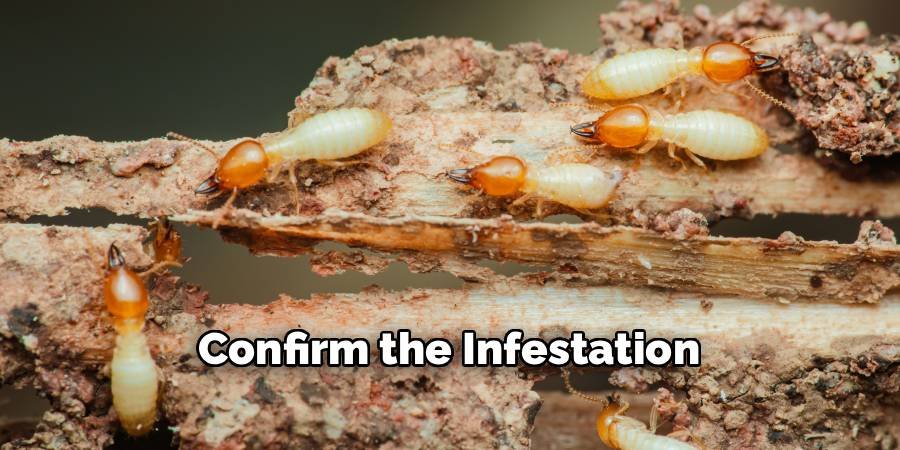
Before taking any action, you must confirm that you are dealing with termites and not another pest, like carpenter ants. Look for small, winged insects, often swarming after rain. You might also find discarded wings near light sources. Another key sign is the presence of mud tubes—pencil-sized tunnels made of soil and wood that termites build to travel between their nest and food sources. These tubes are often found on foundation walls, wooden posts, or trees. Gently break open a piece of infested wood; if you see small, creamy-white insects scurrying away, you have likely found termites.
Step 2: Remove Termite Food Sources
Termites are attracted to cellulose, which is found in wood, paper, and plant matter. Your first line of defense is to make your garden less appetizing. Start by removing any dead or decaying wood, such as old tree stumps, fallen branches, and rotting fence posts. Keep firewood stacks elevated and stored away from your home’s foundation. If you use wood mulch, consider replacing it with a non-cellulose alternative like gravel or rubber mulch, especially in areas directly adjacent to your house. Rake up and dispose of leaf litter and other organic debris regularly to eliminate potential feeding grounds for these pests.
Step 3: Reduce Moisture and Improve Drainage
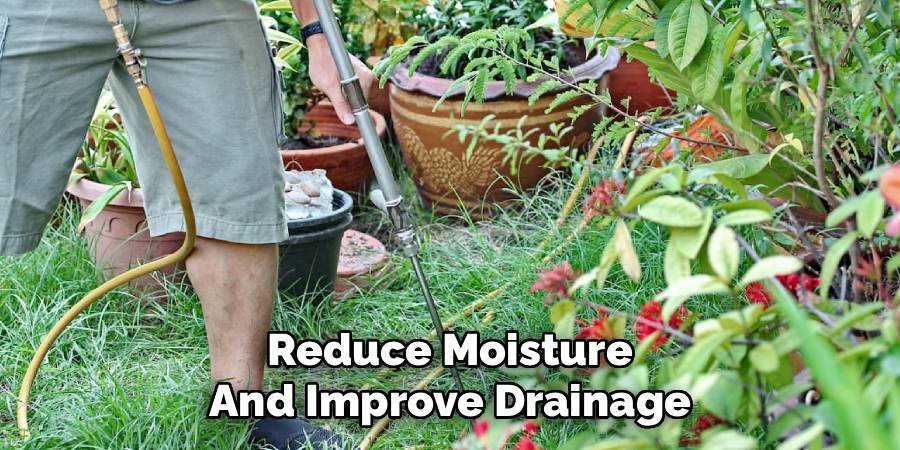
Termites, especially subterranean species, require a moist environment to survive. Overly damp soil in your garden creates a perfect habitat for them to build nests and thrive. Address this by improving drainage around your property. Ensure your gutters and downspouts are clean and directing water away from your home’s foundation. Fix any leaking outdoor faucets or hoses. Avoid overwatering your garden beds and allow the soil to dry out between waterings. Proper water management not only deters termites but also promotes healthier plant growth by preventing root rot and other moisture-related diseases.
Step 4: Introduce Beneficial Nematodes
For a natural and non-toxic approach, consider introducing beneficial nematodes into your garden soil. These are microscopic, parasitic roundworms that actively hunt and kill termites and other soil-dwelling pests. They enter the termite’s body and release a bacterium that is fatal to the host but completely harmless to humans, pets, and plants. You can purchase beneficial nematodes online or at garden centers. They are typically mixed with water and applied to the soil using a watering can or sprayer. Apply them in the early morning or late evening when soil temperatures are cooler for the best results.
Step 5: Utilize a Boric Acid Solution
Boric acid is a naturally occurring compound that acts as a powerful stomach poison for termites. When ingested, it disrupts their digestive system and is fatal. You can create a solution by mixing boric acid powder with water and applying it directly to infested wood, mud tubes, and soil. Alternatively, you can create bait stations. To do this, soak pieces of wood or cardboard in the boric acid solution and place them in areas with high termite activity. The worker termites will carry the poisoned food back to the colony, helping to eliminate the entire nest over time.
Step 6: Use Diatomaceous Earth
Diatomaceous earth (DE) is another excellent organic option for pest control. It consists of the fossilized remains of tiny aquatic organisms. To a termite, the microscopic particles are razor-sharp. When termites crawl over DE, it scratches their exoskeleton, causing them to dehydrate and die. For this method to be effective, you must use food-grade diatomaceous earth. Sprinkle a thin layer of the powder around the base of plants, along foundation walls, and directly onto any visible termite trails. It works best in dry conditions, so you may need to reapply it after rainfall.
Step 7: Apply Orange Oil Extract
Orange oil contains d-limonene, a natural extract from orange peels that is a potent contact insecticide. It dissolves the exoskeletons of termites, leading to their death. This method is most effective for treating localized infestations of drywood termites, which live inside the wood rather than in the soil. You can inject the orange oil directly into small holes drilled into the infested wood. While it is highly effective on contact, it does not provide residual protection, meaning it will not prevent future infestations. It’s a great spot-treatment solution for specific problem areas in your garden, like a fence or wooden bench.

Step 8: Create a Physical Barrier
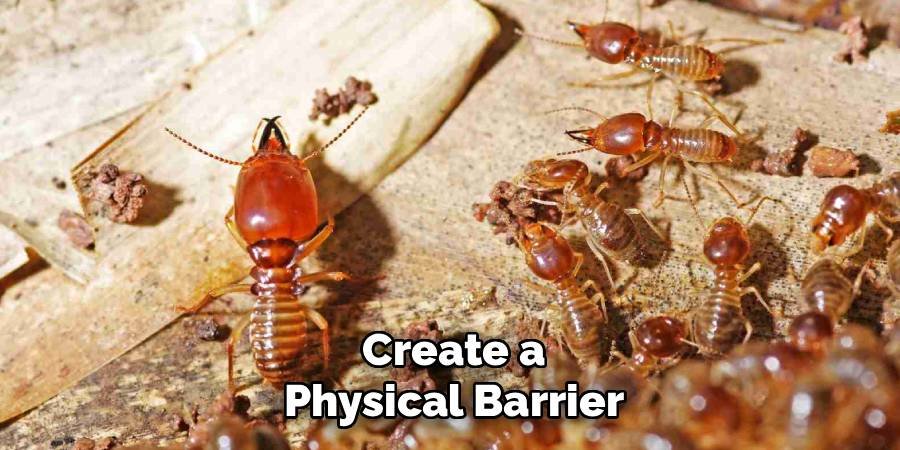
Preventing termites from reaching your home from the garden is a critical step. A physical barrier can be highly effective. This involves digging a trench around the perimeter of your home’s foundation and filling it with sand or basaltic rock of a specific size. Termites are unable to tunnel through these materials effectively. While this is a more labor-intensive solution, it provides a long-lasting, non-chemical barrier that protects your home. This method is often best installed by a professional to ensure it is done correctly and provides complete coverage around your foundation.
Maintenance and Care
Once a termite barrier is in place, regular maintenance is crucial to ensure its continued effectiveness. Periodically inspect the barrier for any signs of disturbance or wear, as shifts in soil, erosion, or landscaping changes can compromise its integrity. Look for cracks or gaps that may allow termites to bypass the barrier and address them promptly. Additionally, keep the area around your home’s foundation clear of debris, wood piles, or moisture buildup, as these can attract termites and potentially weaken the barrier’s protection. Proper maintenance not only extends the lifespan of the barrier but also offers peace of mind in safeguarding your home against termite damage.
Common Mistakes to Avoid
When implementing termite prevention strategies, certain common mistakes can compromise the effectiveness of your efforts. First, neglecting regular inspections can allow termite activity to go unnoticed until significant damage has occurred. It’s essential to routinely check your home and property for signs of infestation. Second, improper installation of barriers, whether chemical or physical, is a frequent issue. For instance, gaps in a physical barrier or uneven application of chemical treatments leave areas vulnerable to termites. Lastly, failing to address moisture problems, such as leaks or poor drainage, creates an inviting environment for termites, undermining preventive measures. Being mindful of these mistakes can help ensure your home remains protected and termite-free.
Frequently Asked Questions (FAQ)
What Are the First Signs of Termites in a Garden?
The earliest signs often include finding swarms of flying termites, especially in the spring, or discovering their discarded wings near windows and light fixtures. You might also spot mud tubes on foundation walls, trees, or other wooden structures. If you have wood mulch or dead tree stumps, check them for hollowing or maze-like tunnels. Seeing these signs indicates an active colony is nearby and you should investigate further.
Can Garden Termites Get into My House?
Yes, absolutely. Subterranean termites, the most common type found in gardens, build their nests in the soil and forage for food. If your garden is close to your home, they can easily travel underground and find entry points into your house through cracks in the foundation, utility lines, or any wood that is in direct contact with the ground. A garden infestation should always be treated as a direct threat to your home.
Is It Safe to Use Chemical Pesticides in My Vegetable Garden?
Using chemical termiticides in a vegetable garden is generally not recommended. These powerful chemicals can be absorbed by the soil and taken up by the plant roots, potentially contaminating your vegetables and making them unsafe to eat. Instead, opt for organic and natural methods such as:
- Beneficial nematodes
- Diatomaceous earth
- Boric acid baits (placed carefully away from plant roots)
These methods are safer for edible plants, pets, and beneficial insects.
How Can I Tell the Difference Between Termites and Ants?
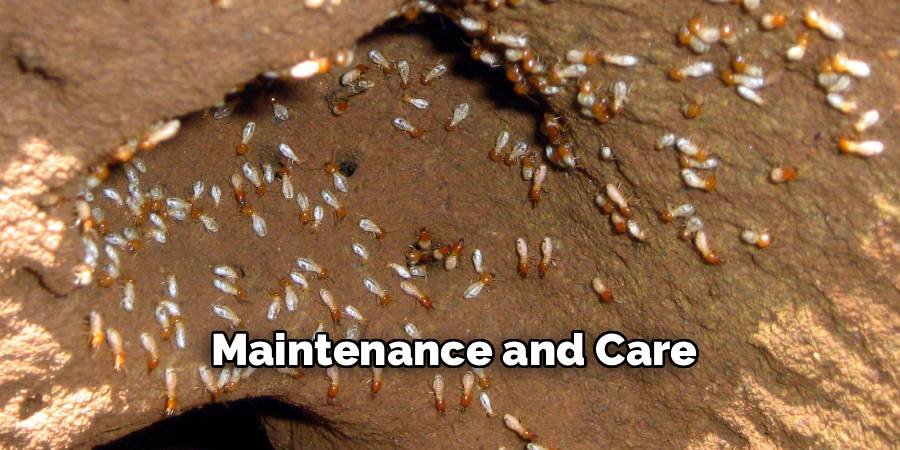
While they can look similar, there are key differences. Flying ants have bent antennae, a narrow “waist,” and two pairs of wings of unequal length. In contrast, flying termites have straight antennae, a broad waist, and two pairs of wings that are equal in length. If you find wingless insects, termites are typically pale or creamy-white, while ants are usually black or reddish-brown.
When Should I Call a Professional Pest Control Service?
You should consider calling a professional if the infestation is large, widespread, or if you see signs that termites have already entered your home. Professionals have access to advanced detection tools, commercial-grade treatments like baits and liquid termiticides, and can offer guarantees for their work. If your DIY efforts are not resolving the problem after a few weeks, or if the thought of tackling it yourself is overwhelming, an expert can provide a swift and effective solution.
Conclusion
Taking control of a termite problem in your garden is an essential step toward protecting your property. By identifying the pests correctly, removing their food and moisture sources, and applying targeted natural treatments like beneficial nematodes or boric acid, you can effectively reclaim your outdoor space. These methods not only address the immediate issue but also help create a less hospitable environment for future infestations. Now that you have a clear plan on how to get rid of termites in the garden, you can confidently take action to safeguard your home and enjoy your beautiful, pest-free garden once again.

About Ravuk Barg
B.Sc. Horticulture Science | Certified Master Gardener
Ravuk Barg has spent more than a decade with his hands in the soil and his head full of questions about why some gardens thrive while others struggle. What started as a single raised bed of tomatoes and basil in a modest backyard has grown into a deep, working knowledge of everything from seed germination and soil amendment to companion planting and seasonal pruning.
Over the years, Ravuk has gardened through drought summers, waterlogged springs, and pest invasions that would make most gardeners hang up their trowels for good. Those hard seasons, he’ll tell you, taught him more than any perfect growing year ever could. He writes from that earned experience—covering vegetable growing, ornamental planting, houseplant care, composting, and garden design with equal confidence and curiosity.
Philosophy & Approach
Ravuk’s approach to gardening is rooted in practicality. He favors organic methods not out of dogma, but because they work long-term—resulting in healthier soil, fewer inputs, and stronger plants. He has a particular fondness for heirloom vegetable varieties (the kind with proper flavor), unruly cottage-style flower beds, and the stubborn houseplants that everyone else gave up on.
The Mission: Give readers the honest, experience-backed advice that helps them actually succeed in their gardens—not just the ideal version, but the real one; weeds, failures, and all.
Education & Credentials
-
B.Sc. in Horticulture Science
-
Greenfield Agricultural University
-
Focus: Plant Physiology, Soil Ecology, and Sustainable Crop Production
-
-
Master Gardener Certification
-
Cooperative Extension Service
-
Focus: 200+ hours of hands-on practical training and community garden work
-
Continuing Education
-
Organic Pest Management
-
Native Plant Landscaping
-
Sustainable Crop Production