

Onion grass is one of the most stubborn weeds that can invade your beautiful lawn. These pesky plants look like regular grass but emit an onion-like odor when you cut or pull them. Learning how to get rid of onion grass in your lawn is important because these weeds can spread quickly and take over your yard. They grow in clumps and can make your lawn look unkempt and unhealthy.
Many homeowners struggle with onion grass because it is more difficult to remove than common weeds. The plants have bulbs deep underground that help them survive even when you think you have removed them. But don’t worry! This guide will show you exactly how to get rid of onion grass in your lawn using methods that really work.
What is Onion Grass and Why is it a Problem?
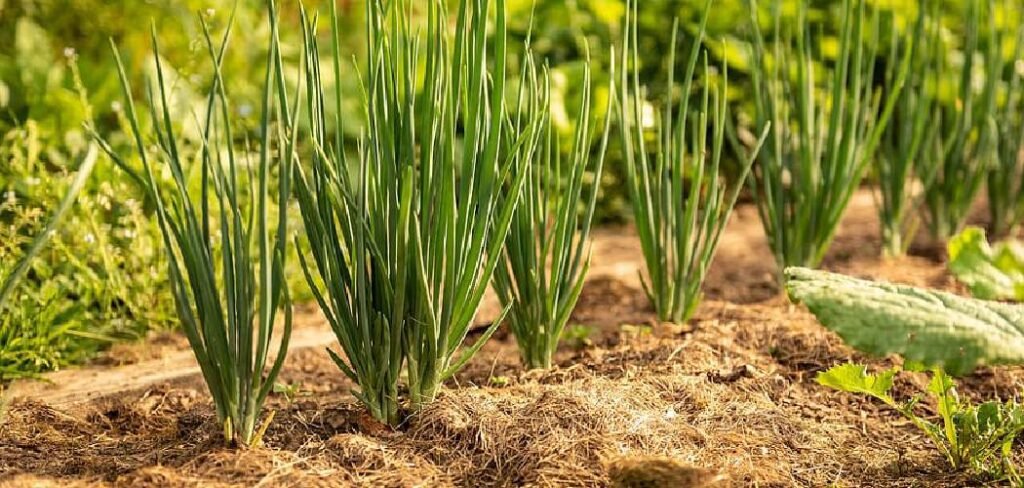
Onion grass, also called wild onion or wild garlic, is a weed that belongs to the same family as common onions. You can recognize it by its thin, hollow leaves that grow in small clusters. When you smell the leaves or tubers, they have a strong onion smell that makes them easy to identify.
These weeds are a problem because they grow faster than your regular grass and can overwhelm your favorite healthy lawn. They also look different from grass, creating unsightly patches in your yard. Onion grass spreads through underground bulbs, so even a small patch can become a big problem if you don’t take care of it properly.
The worst thing about onion grass is that it is very difficult to kill. The bulbs can survive underground for years, waiting for the right conditions to grow again. This is why you need to learn the right methods for how to get rid of onion grass in your lawn permanently.
10 Effective Methods to Remove Onion Grass
Method 1: Hand Pulling with Proper Technique
The most natural way to remove onion grass is by hand pulling, but you have to do it right. Wait until the soil is soft after rain or watering. Use a long screwdriver or weeding tool to dig deep around each clump. You should get the entire bulb system, which can be 3-6 inches deep.
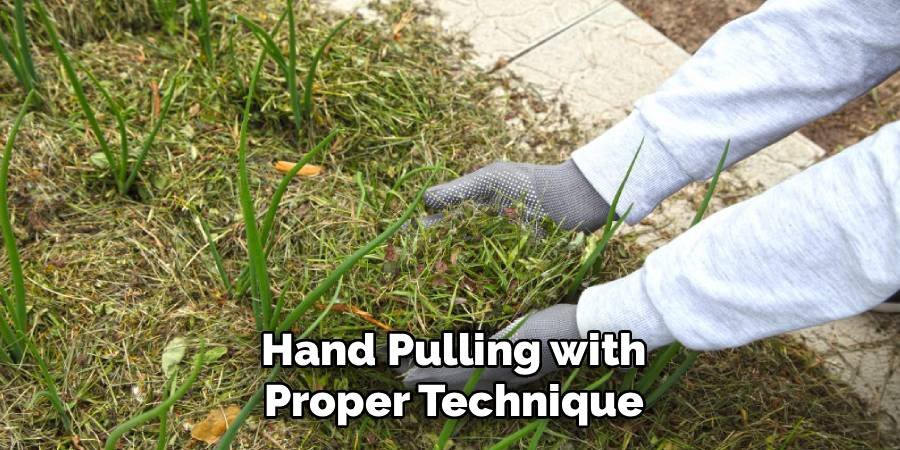
Pull slowly and steadily to avoid breaking the bulb. If you leave any pieces of the bulb in the ground, it will grow back. This method works best when you have a few small patches of onion grass. Check the area regularly and pull any new growth immediately.
The best time to hand pull is in late fall or early spring when the plants are actively growing but before they are producing new bulbs.
Method 2: Selective Herbicide Treatment
Certain herbicides can kill onion grass without harming your regular lawn grass. Look for herbicides containing 2,4-D or dicamba, which are effective against onion grass. Apply the herbicide on a cool day when temperatures are between 60-80 degrees Fahrenheit. Follow label directions carefully and wear protective clothing. Spray the onion grass directly onto the lawn, making sure all leaves are covered. The herbicide will move into the tubers and kill the entire plant system.
You may need to apply the herbicide 2-3 times during the growing season for complete control. This method shows how to get rid of onion grass in your lawn without damaging the surrounding grass.
Method 3: Smothering with Cardboard
Smothering works by blocking sunlight and air from reaching the onion grass. Cut a large piece of cardboard and place it over the affected area. Wet the cardboard thoroughly and cover it with mulch or soil to ensure it holds in place.
Leave the cardboard in place for at least 6-12 months. This method kills the onion grass by preventing photosynthesis. The bulbs will eventually die from lack of energy. After removing the cardboard, you can replant the area with grass seeds. This method takes patience, but it is completely natural and safe for the environment. It works best for large areas of onion grass that are concentrated in a specific area.
Method 4: Boiling Water Treatment
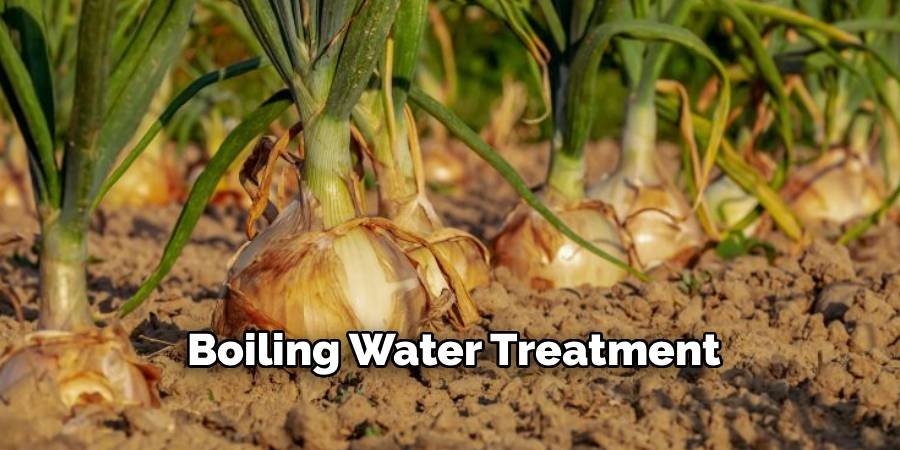
Boiling water is a quick way to kill onion grass on contact. Boil a large pot of water and carefully pour it directly onto the onion grass clumps. The hot water will kill the leaves and damage the bulbs below ground.
You will need to do this treatment several times as new plants grow. Be careful not to pour boiling water on the grass, as it will kill anything the grass has touched. This method works well for onion grass growing in small patches or along walkways. Best results are achieved by treating the plants on a hot, sunny day when they are already stressed. Repeat treatments every 2-3 weeks until new growth appears.
Method 5: White Vinegar Application
White vinegar, which has a high acetic acid content, can effectively kill onion grass. For best results, use vinegar with at least 20% acetic acid. Regular household vinegar (5% acetic acid) can work but requires more frequent applications.
Spray the vinegar directly onto the onion grass leaves on a sunny day. The acid will burn the leaves and weaken the tubers. You will need to reapply every few weeks as new growth appears. Add a few drops of dish soap to help the vinegar stick to the leaves better. This natural method is safe around children and pets but may require patience as it may take several treatments to completely eradicate onion grass.
Method 6: Corn Gluten Meal Pre-emergent
Corn gluten meal acts as a natural pre-emergent herbicide that prevents onion grass seeds from germinating. Apply it in early spring before onion grass growth begins. Spread corn gluten meal evenly over your lawn at a rate of 20 pounds per 1,000 square feet.
Lightly water the area after application to activate the corn gluten meal. This method will not harm existing onion grass but will prevent new plants from growing from seed. It is best used as part of a complete control program. Corn gluten meal also acts as a natural fertilizer, feeding your lawn while suppressing weeds. This makes it an excellent choice for an organic lawn care program.
Method 7: Overseeding and Thick Lawn Maintenance
A dense, healthy lawn is your best defense against onion grass infestation. Sow additional seed in thin areas of your lawn each fall to create competition for weeds. Choose grass seed varieties that grow well in your climate and soil conditions.
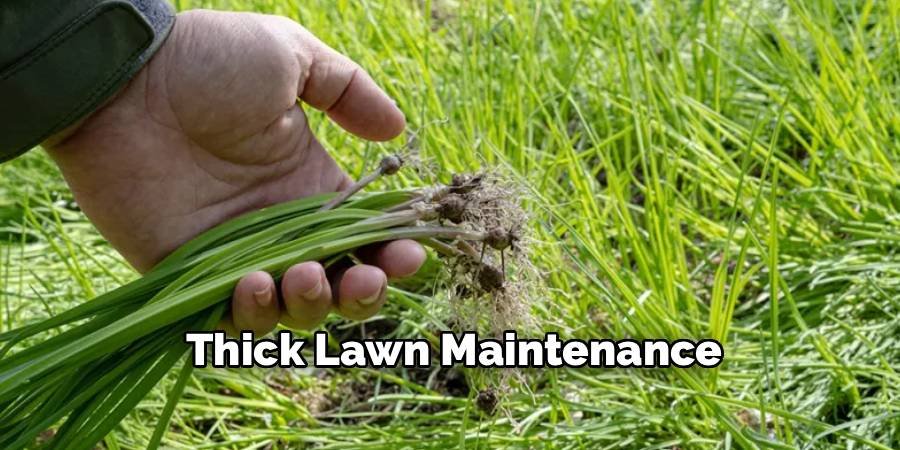
Keep your lawn dense by fertilizing regularly and watering deeply but infrequently. Mow at the appropriate height for your grass type to encourage dense growth. A dense lawn prevents onion grass from getting the sunlight it needs to establish. This method focuses on prevention and long-term lawn health. While it will not eliminate existing onion grass, it will prevent new infestations and help your lawn recover after the weeds are removed.
Method 8: Professional Lawn Treatment Service
Professional lawn care companies have access to powerful herbicides and specialized equipment for treating onion grass. They can create a customized treatment plan based on your specific lawn conditions and the severity of your onion grass problem.
Professional treatments often combine multiple methods for maximum effectiveness. They may use selective herbicides, soil treatments, and follow-up applications to ensure complete control. Many companies also offer guarantees on their weed control services. This option works best for severe infestations or when other methods have not been successful. Professional services can save you time and ensure proper application of the treatment.
Method 9: Soil Solarization Technique
The application of solar energy to the soil destroys onion grass tubers in the soil. Cover the affected area with a clear plastic sheet during the hottest part of the summer. Seal the edges with soil or rocks to trap the heat.
Leave the plastic in place for 6-8 weeks. The trapped heat will raise the soil temperature enough to kill onion grass tubers and other weed seeds. This method works best in areas with hot, sunny summers. After removing the plastic, wait a few weeks before replanting grass seeds. The treated soil will be sterile and ready for new, healthy grass to establish.
Method 10: Repeated Mowing and Exhaustion
Frequent mowing prevents onion grass bulbs from storing energy and eventually causes them to die out. Cut onion grass stems every 2-3 inches. This prevents the plants from effectively photosynthesising and gradually weakens the bulb system.
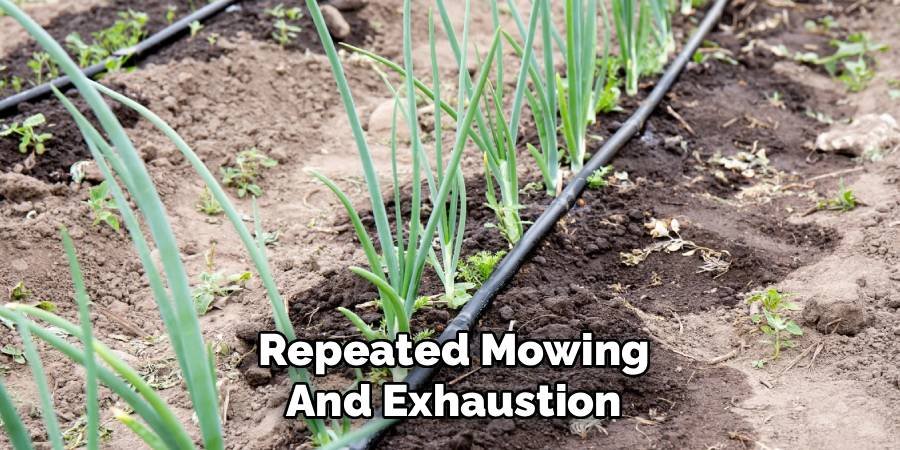
Cut your lawn mower slightly downward in areas of onion grass, but be careful not to scalp your good grass. This method requires consistency throughout the growing season but is completely chemical-free. Combine this method with overseeding with your lawn grass to more effectively compete with the weaker onion grass plants.
Prevention Tips for Long-term Control
Preventing onion grass from coming back is just as important as removing it. Keep your lawn thick and healthy with proper fertilization and watering. Test your soil pH and adjust it if necessary, as onion grass prefers slightly acidic soil.
Remove any onion grass you see immediately before it starts to form new bulbs. Clean your lawn mower after mowing with onion grass to prevent the bulbs from spreading to other parts of your yard. Consider testing your soil to identify any conditions that may favor onion grass growth over healthy lawn grass.
Common Mistakes to Avoid
Do not try to cut the onion grass short. This actually encourages the plants to produce more bulbs. Avoid using non-selective herbicides like glyphosate unless the entire area is ready to be replanted. Never compost onion grass clippings or pulled plants, as the bulbs can survive in the compost and spread to other parts of your garden when composted.
Frequently Asked Questions (FAQs)
Q: How long does it take to get rid of onion grass completely?
A: It usually takes one full growing season with consistent treatment. Some methods may require 2-3 years for complete elimination, especially if the infestation is severe.
Q: Will onion grass hurt my lawn mower?
Answer: Onion grass will not harm your lawn mower, but the bulbs can stick to the blades and spread to other areas. Clean your lawn mower deck after mowing an area with onion grass.
Q: Is onion grass poisonous to pets?
Answer: Yes, onion grass can be toxic to dogs and cats if eaten in large quantities. It can cause anemia and other serious health problems in pets.
Q: What’s the best time of year to treat onion grass?
Answer: The best time to treat is in late fall and early spring when plants are actively growing. Avoid treating during the hot summer months when grass pressure is high.
Q: Can I eat the onion grass in my yard?
Answer: While onion grass is edible, it is not recommended to eat grass from your yard due to potential pesticide contamination and pet waste. Only eat wild onions from clean, familiar areas.
Conclusion
Learning how to get rid of onion grass in your lawn requires patience and the right approach for your specific situation. The ten methods outlined in this guide provide solutions to every type of onion grass problem, from small spots to large infestations. Keep in mind that success often comes from combining multiple methods and being consistent with your treatment. Hand pulling works well for small areas, while severe problems may require herbicides and professional treatment. Prevention through proper lawn care is equally important for long-term success. With the right techniques and perseverance, you can eradicate onion grass and enjoy a beautiful, healthy lawn free of this stubborn weed.

About Ravuk Barg
B.Sc. Horticulture Science | Certified Master Gardener
Ravuk Barg has spent more than a decade with his hands in the soil and his head full of questions about why some gardens thrive while others struggle. What started as a single raised bed of tomatoes and basil in a modest backyard has grown into a deep, working knowledge of everything from seed germination and soil amendment to companion planting and seasonal pruning.
Over the years, Ravuk has gardened through drought summers, waterlogged springs, and pest invasions that would make most gardeners hang up their trowels for good. Those hard seasons, he’ll tell you, taught him more than any perfect growing year ever could. He writes from that earned experience—covering vegetable growing, ornamental planting, houseplant care, composting, and garden design with equal confidence and curiosity.
Philosophy & Approach
Ravuk’s approach to gardening is rooted in practicality. He favors organic methods not out of dogma, but because they work long-term—resulting in healthier soil, fewer inputs, and stronger plants. He has a particular fondness for heirloom vegetable varieties (the kind with proper flavor), unruly cottage-style flower beds, and the stubborn houseplants that everyone else gave up on.
The Mission: Give readers the honest, experience-backed advice that helps them actually succeed in their gardens—not just the ideal version, but the real one; weeds, failures, and all.
Education & Credentials
-
B.Sc. in Horticulture Science
-
Greenfield Agricultural University
-
Focus: Plant Physiology, Soil Ecology, and Sustainable Crop Production
-
-
Master Gardener Certification
-
Cooperative Extension Service
-
Focus: 200+ hours of hands-on practical training and community garden work
-
Continuing Education
-
Organic Pest Management
-
Native Plant Landscaping
-
Sustainable Crop Production