

Magpies are intelligent and striking birds, but their presence in a garden can sometimes be a mixed blessing. While they help control some pests, they can also be noisy, territorial, and disruptive to smaller songbirds. Their habit of digging up lawns in search of grubs can leave your carefully tended grass looking messy. If you’ve found their behavior becoming a problem, you’re not alone. Learning how to get rid of magpies from your garden involves understanding their habits and using humane deterrents to encourage them to move elsewhere without causing them harm.
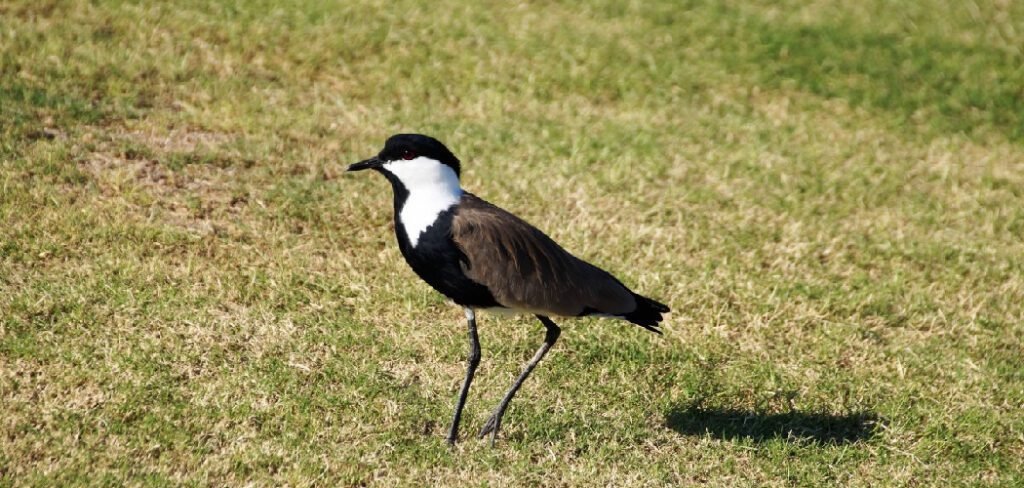
Why You Might Want to Manage Magpies in Your Garden
Magpies are a protected species in many areas, so understanding the reasons for managing their presence is key. The primary goal is not to harm them, but to gently discourage them from settling in your yard. These birds can be quite territorial, especially during nesting season in the spring, and may swoop at pets or even people who get too close to their young. They can also raid the nests of smaller, more vulnerable birds, impacting local biodiversity. Furthermore, their search for insects like chafer grubs and leatherjackets can result in significant lawn damage.
A Step Methods Guide on How to Get Rid of Magpies From Your Garden
Step 1: Remove Food Sources
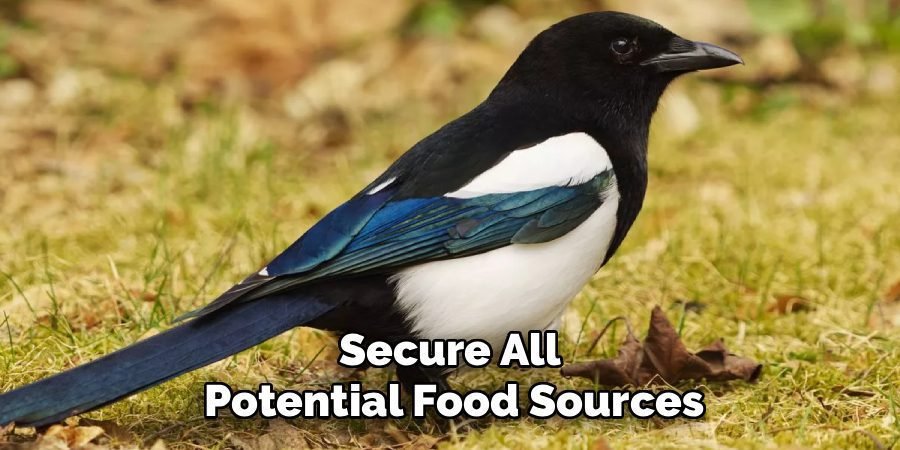
The most common reason magpies visit your garden is for an easy meal. To make your yard less appealing, secure all potential food sources. Ensure your compost bin has a tightly fitting lid and that household rubbish bags are kept in sealed bins. If you feed your pets outdoors, remove any leftover food as soon as they have finished eating. Also, avoid leaving out food scraps for other wildlife, as magpies are opportunistic and will quickly take advantage of any available sustenance. By limiting their food supply, you make your garden a less reliable spot for them.
Step 2: Use Reflective Deterrents
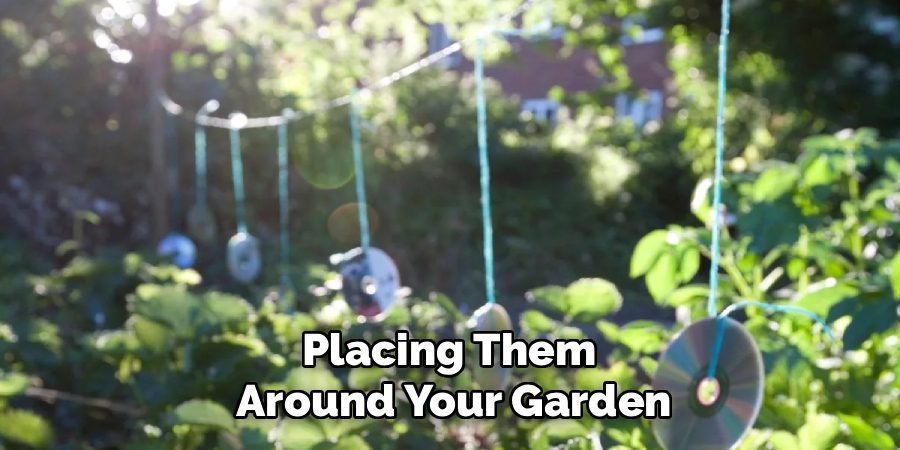
Magpies are known to be wary of sudden flashes of light and unpredictable movements. You can use this to your advantage by hanging reflective objects around your garden. Old CDs, strips of aluminum foil, or small mirrors tied to strings work well. Place them on tree branches, along fences, or near areas where magpies congregate. The wind will cause these objects to spin and flash, creating a visual disturbance that makes the birds feel uneasy. Purpose-made reflective tape, often called scare tape, is also highly effective and can be easily attached to stakes or plants.
Step 3: Install Scare Devices
Visual scare tactics can be very effective. A traditional scarecrow is a classic option, but modern alternatives can be even better. Placing a decoy of a natural predator, such as a life-sized owl or hawk statue, can be a powerful deterrent. For this to work, you must move the decoy every few days. Magpies are clever and will quickly realize the “predator” is not a threat if it remains stationary. The illusion of a dangerous predator in the area will often be enough to convince them to stay away from your property.
Step 4: Protect Your Lawn and Plants
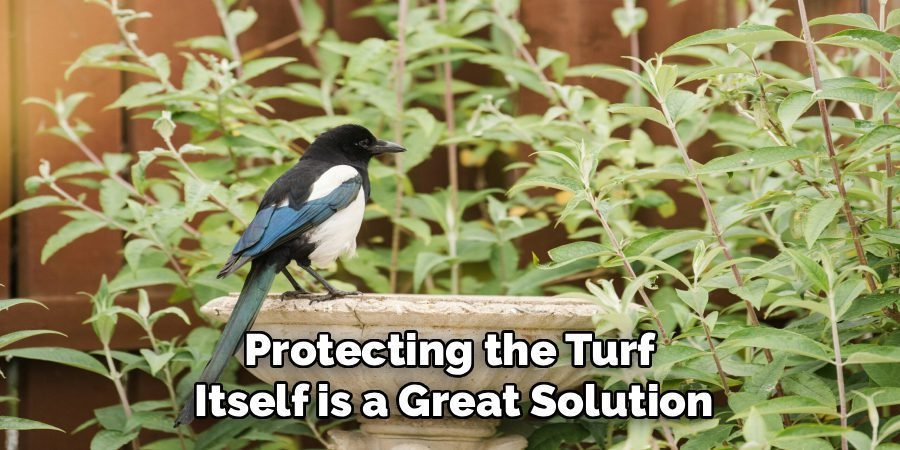
If magpies are digging up your lawn looking for grubs, protecting the turf itself is a great solution. You can cover vulnerable patches of your lawn with netting, securing it firmly to the ground. This physically prevents them from digging. For new garden beds or vegetable patches, using netting or fleece can also protect seedlings from being uprooted. Addressing the grub problem at its source by using nematodes is another long-term strategy that removes the magpies’ food source and encourages them to hunt elsewhere.
Step 5: Make Your Garden Less Inviting
Magpies prefer open spaces with large trees for nesting and perching. While you can’t redesign your entire garden, you can make it less comfortable for them. If you have large, sparse trees, consider adding more dense shrubbery underneath. This can make the area feel less secure from a magpie’s perspective, as it reduces their clear line of sight to the ground. Pruning lower branches on tall trees can also remove convenient perching spots from which they survey their territory, making the area less attractive for them to use as a base.
Step 6: Use Sound to Deter Them
Unusual noises can effectively startle magpies and discourage them from lingering. There are several ways to introduce sound into your garden as a deterrent. Wind chimes can create a gentle but unpredictable noise that may unsettle them. Alternatively, you can play a recording of a magpie distress call or the sounds of their natural predators. It is important to use these sounds sparingly to prevent the birds from becoming accustomed to them. Playing the sounds at random intervals is more effective than having them on a constant loop.
Step 7: How to Get Rid of Magpies From Your Garden Using Netting
For gardeners looking to protect specific areas like fruit trees or vegetable plots, netting is one of the most reliable methods. Drape bird-safe netting over the plants you want to shield, ensuring it is secured at the base so birds cannot get trapped underneath. For fruit trees, you can build a simple frame around them and stretch the netting over it. This creates a physical barrier that denies access to the fruit without harming the birds. This targeted approach is perfect for safeguarding your harvest while letting the birds coexist elsewhere.
Step 8: Try a Motion-Activated Sprinkler
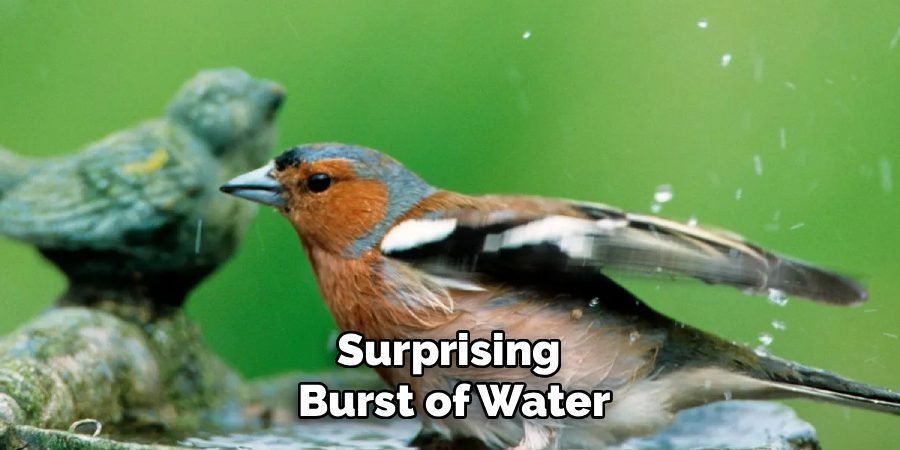
A surprise spray of water is a harmless but very effective way to deter magpies. Motion-activated sprinklers detect movement and release a short, surprising burst of water. Place the sprinkler in an area where magpies frequently land, such as an open patch of lawn or near a bird feeder they have been raiding. The sudden jet of water will startle them without causing any injury, and they will quickly learn to associate your garden with this unpleasant surprise, encouraging them to avoid the area altogether.
Use Reflective Objects
Another effective method for deterring magpies is to use reflective objects such as old CDs, mirrors, or reflective tape. Hang these objects in areas where magpies are known to gather. The light reflections create unpredictable flashes that can startle the birds and make the area less appealing to them. This method is not only humane but also easy to implement with items commonly found around the home. Regularly repositioning the reflective objects can enhance their effectiveness by preventing the magpies from becoming accustomed to them.
Maintain Consistency and Monitor Progress
To ensure the success of your magpie deterrence efforts, it is crucial to maintain consistency in your approach and regularly monitor the area. Check that reflective objects remain positioned correctly and replace or repair any that might have become damaged over time. Additionally, observe the behavior of the magpies to determine whether the techniques are effective or if adjustments are necessary. Taking a proactive and attentive approach will help ensure that your chosen methods continue to deter magpies effectively over time.
Frequently Asked Questions (FAQ)
What Smells Do Magpies Hate?
Magpies, like many birds, have a sense of smell that they use to find food and avoid danger. They are known to dislike strong, pungent scents. You can create a simple, natural repellent by soaking cotton balls in substances like peppermint oil, tea tree oil, or garlic-infused water and placing them around your garden. White vinegar is another scent they tend to avoid. Remember to reapply these scents regularly, especially after it rains, to maintain their effectiveness as a deterrent.
Are Magpies Afraid of Scarecrows?
Yes, scarecrows can be effective, but with a catch. Magpies are highly intelligent birds and can quickly determine if a threat is real. A stationary scarecrow will only work for a few days before they realize it poses no danger. To make a scarecrow more effective, add moving or reflective elements like spinning foil pans or old CDs. Most importantly, move the scarecrow to a different location in your garden every couple of days to maintain the illusion of a real and unpredictable presence.
Do Wind Chimes Keep Magpies Away?
Wind chimes can help deter magpies, primarily because they create unpredictable sounds and movements. The sudden, gentle clinking can be enough to make these cautious birds feel unsettled, encouraging them to move to a quieter location. For the best effect, choose wind chimes that also have reflective surfaces. The combination of unexpected noise and flashes of light is more likely to be successful in persuading magpies to keep their distance from your garden.
Will Removing a Magpie Nest Solve the Problem?
Removing a magpie nest is generally not recommended and is often illegal, as magpies are a protected species in many regions. It is against the law to disturb or destroy an active nest. Furthermore, it is not an effective long-term solution. The birds will likely just rebuild their nest in the same spot or nearby. Focusing on humane deterrents that make the area unattractive to them is a far more effective and lawful strategy for managing their presence in your garden.
Why Are There So Many Magpies in My Garden Suddenly?
A sudden increase in magpies in your garden is usually tied to a new and abundant food source or ideal nesting conditions. This could be a lawn infestation of grubs, a newly installed bird feeder with easily accessible food, or unsecured compost and trash. It could also be springtime, which is their nesting season. During this period, a pair may have chosen a tree in your yard to build a nest, leading to increased activity as they defend their territory and raise their young.
Conclusion
Dealing with a flock of magpies doesn’t have to be a constant battle. By making a few simple adjustments, you can create a less inviting environment for them while maintaining a beautiful garden. The key is consistency and using a combination of methods, from removing food sources to installing humane scare devices. By applying these strategies, you can restore balance to your outdoor space. Now that you have a better understanding of how to get rid of magpies from your garden, you can take confident steps to manage their presence effectively and peacefully.

About Ravuk Barg
B.Sc. Horticulture Science | Certified Master Gardener
Ravuk Barg has spent more than a decade with his hands in the soil and his head full of questions about why some gardens thrive while others struggle. What started as a single raised bed of tomatoes and basil in a modest backyard has grown into a deep, working knowledge of everything from seed germination and soil amendment to companion planting and seasonal pruning.
Over the years, Ravuk has gardened through drought summers, waterlogged springs, and pest invasions that would make most gardeners hang up their trowels for good. Those hard seasons, he’ll tell you, taught him more than any perfect growing year ever could. He writes from that earned experience—covering vegetable growing, ornamental planting, houseplant care, composting, and garden design with equal confidence and curiosity.
Philosophy & Approach
Ravuk’s approach to gardening is rooted in practicality. He favors organic methods not out of dogma, but because they work long-term—resulting in healthier soil, fewer inputs, and stronger plants. He has a particular fondness for heirloom vegetable varieties (the kind with proper flavor), unruly cottage-style flower beds, and the stubborn houseplants that everyone else gave up on.
The Mission: Give readers the honest, experience-backed advice that helps them actually succeed in their gardens—not just the ideal version, but the real one; weeds, failures, and all.
Education & Credentials
-
B.Sc. in Horticulture Science
-
Greenfield Agricultural University
-
Focus: Plant Physiology, Soil Ecology, and Sustainable Crop Production
-
-
Master Gardener Certification
-
Cooperative Extension Service
-
Focus: 200+ hours of hands-on practical training and community garden work
-
Continuing Education
-
Organic Pest Management
-
Native Plant Landscaping
-
Sustainable Crop Production