

A beautiful day spent outdoors can sometimes leave an unwanted souvenir: orange, powdery stains on your favorite shoes. This pesky residue is known as lawn rust, a common fungal disease that affects grass, especially during late summer and early fall. While it’s harmless to you and your pets, it can create a real mess on footwear, leaving behind stubborn, rust-colored marks.
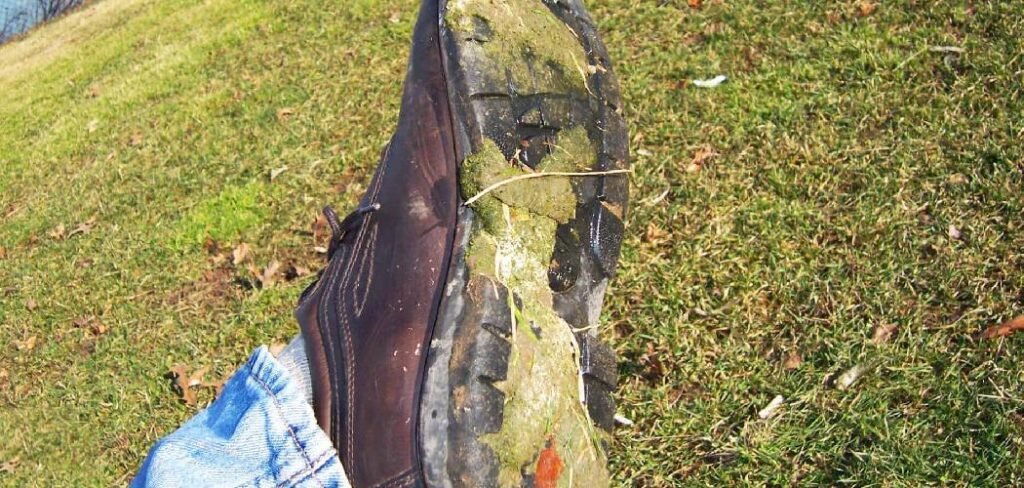
If you’ve ever wondered how to get rid of lawn rust on shoes, you’re in the right place. This guide will walk you through simple, effective methods to restore your footwear, whether they’re athletic sneakers, leather boots, or casual canvas kicks. With a little effort, you can say goodbye to those orange stains and get your shoes looking clean again.
Why Bother Cleaning Lawn Rust From Shoes?
You might wonder if those orange stains are worth the effort. The answer is a resounding yes. Lawn rust is essentially a collection of fungal spores. When left on your shoes, these spores can be tracked into your home, onto carpets, and across other surfaces, potentially causing more stains. More importantly for your lawn’s health, walking across unaffected areas of your yard with these spores on your shoes can spread the fungus, leading to a wider outbreak.
Cleaning the rust off not only restores the look of your footwear but also acts as a preventative measure. It helps contain the fungal problem to its original area, protecting the rest of your lawn from infection. Treating the stains promptly also prevents them from setting deep into the fabric, making them much harder to remove later.
7 Step Methods Guide on How to Get Rid of Lawn Rust on Shoes
Step 1: Act Quickly and Remove Loose Spores
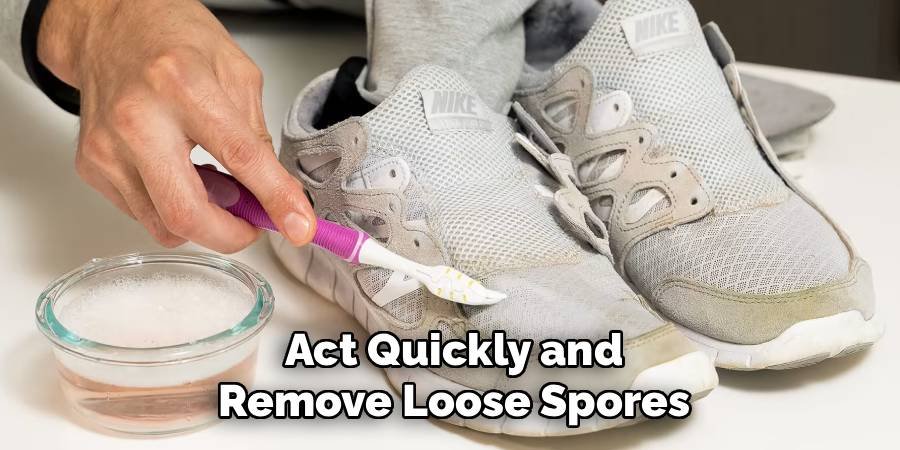
The moment you notice the orange powder on your footwear, it’s time to act. The first and most crucial step is to remove as much of the loose fungal dust as possible before it gets ground into the shoe’s material. Take your shoes outside to avoid spreading the spores indoors. Vigorously clap them together, sole to sole, to dislodge the majority of the powder. You can also use a soft-bristled brush, like an old toothbrush or a nail brush, to gently sweep away the remaining surface residue. Be careful not to scrub too hard, as this can push the pigment deeper into the fibers.
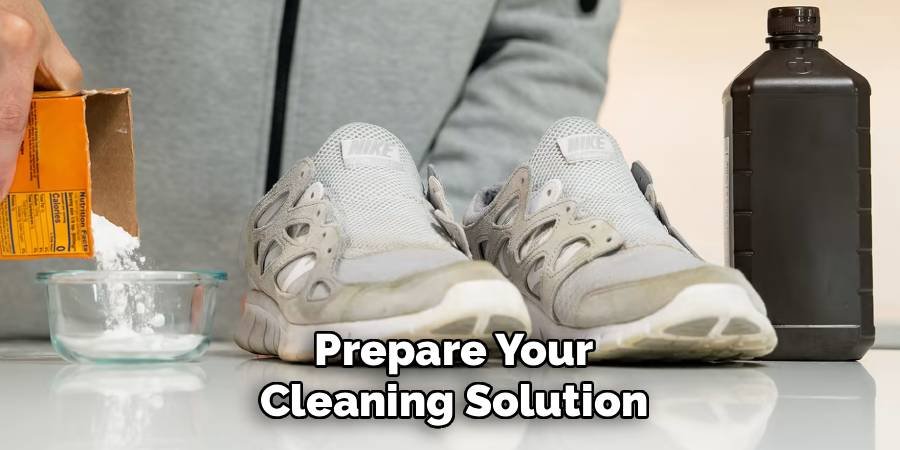
Step 2: Prepare Your Cleaning Solution
Next, you will create a simple but potent cleaning solution. For most fabric and synthetic shoes, a mixture of equal parts cool water and white vinegar is highly effective. Vinegar’s acetic acid is excellent for breaking down the organic compounds in the rust fungus without being overly harsh on the material. Pour about half a cup of white vinegar and half a cup of cool water into a small bowl and stir them together. If you are working with delicate materials like suede or nubuck, you might opt for a specialized cleaner designed for that material, but for most sneakers and boots, this homemade solution is perfect.
Step 3: Spot-Test the Solution
Before applying the cleaning mixture to the visible stain, it’s vital to perform a spot test. This precaution ensures the solution won’t cause discoloration or damage to your shoe’s material. Choose a small, inconspicuous area of the shoe, such as the inner side of the tongue or a spot near the heel that is not easily seen. Apply a small amount of the vinegar and water solution using a cotton ball or the corner of a clean cloth. Let it sit for a few minutes, then blot it dry. Check for any changes in color or texture. If the area looks unchanged, you can proceed with confidence.
Step 4: Gently Treat the Stained Area
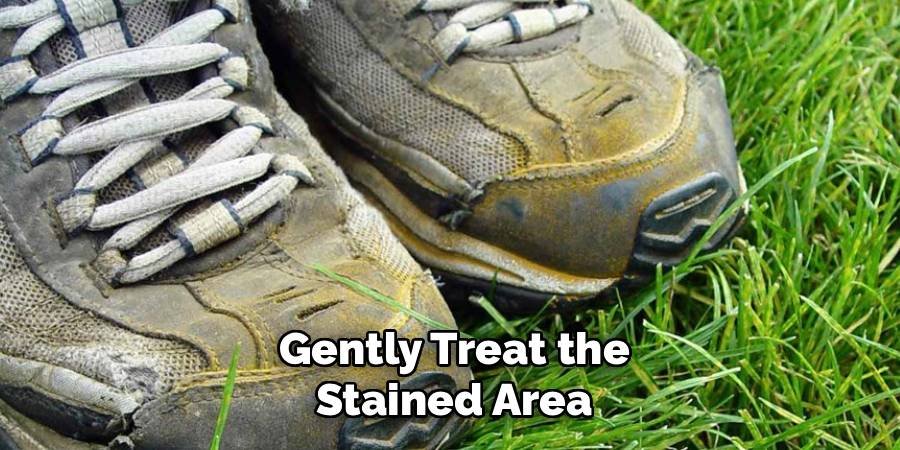
Now it’s time to address the stain itself. Dip a clean, white cloth or a soft brush into the vinegar and water solution you prepared. You want the cloth to be damp, not soaking wet. Gently dab or blot at the lawn rust stain. Avoid aggressive rubbing, which can damage the shoe’s fibers and spread the stain. Work from the outside edge of the stain inward to prevent it from getting larger. The goal is to lift the orange pigment out of the material. You may need to rinse your cloth and reapply the solution several times for stubborn stains. Patience is key here for a successful outcome.
Step 5: For Stubborn Stains, Try a Paste
If the vinegar solution doesn’t completely remove the stain, you can escalate your approach with a cleaning paste. Mix a small amount of baking soda with a few drops of water to form a thick consistency, similar to toothpaste. Apply this paste directly onto the remaining stain, covering it completely. Let the paste sit on the area for about 20 to 30 minutes. The baking soda acts as a mild abrasive that can help lift particles that have embedded themselves deep within the fabric. This method is particularly effective for canvas and other sturdy synthetic materials, providing extra cleaning power.
Step 6: How to Get Rid of Lawn Rust on Shoes by Rinsing and Cleaning
After the stain has been treated, you need to rinse the cleaning agents away. For the vinegar solution, you can simply use a cloth dampened with plain water to blot the area and remove any residue. If you used the baking soda paste, use a soft, damp brush or cloth to gently scrub the paste away. Once the paste is gone, blot the area with a clean, water-dampened cloth to rinse it thoroughly. For washable shoes like canvas sneakers, you can even give them a full wash cycle in the washing machine on a gentle setting after pre-treating the stain.
Step 7: Air-Dry Your Shoes Completely
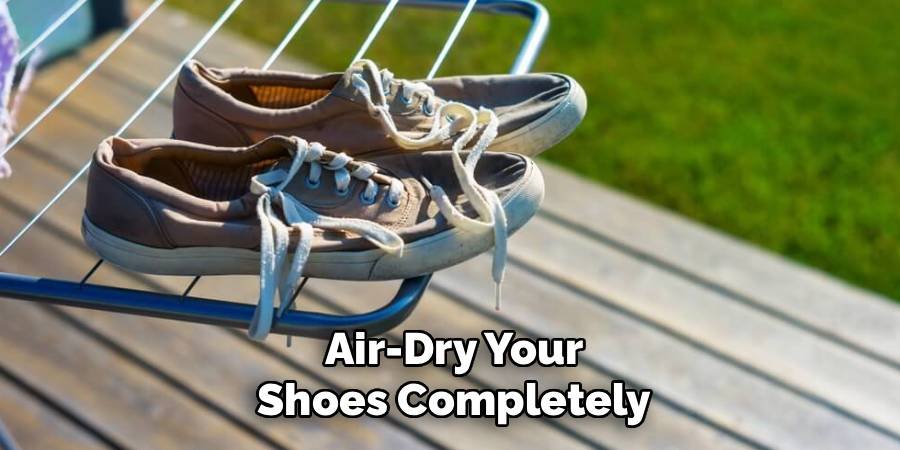
Proper drying is the final and one of the most important steps. Never put your shoes in a machine dryer, as the high heat can warp the material, damage adhesives, and even set any faint, remaining stains permanently. Instead, stuff your shoes with clean paper towels or white newspaper to help them absorb internal moisture and maintain their shape. Place them in a well-ventilated area away from direct sunlight or heat sources, which can cause fading or material damage. Allow them to air-dry completely, which may take up to 24 hours. Once dry, they should be stain-free and ready to wear.
Frequently Asked Questions
Can Lawn Rust Permanently Stain Shoes?
Lawn rust can cause permanent stains if not treated quickly. The orange powder contains pigments that can set into shoe fibers, especially on light-colored canvas or suede. The key to avoiding a permanent mark is immediate action. By brushing off the loose spores right away and treating the area with a cleaning solution, you significantly increase your chances of removing the stain completely.
Does This Method Work on Leather Shoes?
This method can be adapted for leather. After brushing off loose spores, it is best to use a specialized leather cleaner. If you prefer a DIY solution, use a much-diluted mixture of water and vinegar (about 1 part vinegar to 10 parts water). Follow these steps:
- Apply the solution sparingly with a soft cloth.
- Wipe it off immediately with a clean, damp cloth.
- Allow the leather to dry completely, then apply a leather conditioner to restore moisture and protect the material.
How Can I Prevent Lawn Rust on My Shoes in the First Place?
Prevention starts with your lawn. Proper lawn care, such as avoiding over-watering at night, ensuring good air circulation, and applying a nitrogen-rich fertilizer, can reduce the chances of rust fungus developing. If you know your lawn has rust, try to wear designated garden shoes or boots when walking on the grass and change them before going inside.
Is It Safe to Put Shoes with Lawn Rust in the Washing Machine?
You can, but only after pre-treating the stain. Putting them directly into the wash can cause the rust spores to spread to other clothes in the load. First, follow the initial steps to brush off loose spores and spot-treat the stain. Once you’ve done that, washable shoes (like canvas sneakers) can be safely washed in a machine on a cold, gentle cycle.
What Is Lawn Rust and Is It Harmful?
Lawn rust is a fungal disease caused by various species of Puccinia fungi. It appears as a yellow-to-orange powder on grass blades. While it can weaken and damage your lawn, it is not harmful to humans or pets. The biggest issue it poses is the messy orange dust that gets on everything, from shoes and clothing to lawn equipment and indoor flooring.
Conclusion
Facing orange-stained shoes after a walk across your lawn can be frustrating, but it doesn’t have to be a permanent problem. By acting quickly and following a few simple steps, you can effectively remove these unsightly marks and restore your footwear. From brushing off the initial spores to treating the stain with a simple vinegar solution and allowing your shoes to air-dry, each step plays a crucial role. Now that you know how to get rid of lawn rust on shoes, you can confidently tackle this issue whenever it arises, keeping both your footwear and your lawn looking their best.

About Ravuk Barg
B.Sc. Horticulture Science | Certified Master Gardener
Ravuk Barg has spent more than a decade with his hands in the soil and his head full of questions about why some gardens thrive while others struggle. What started as a single raised bed of tomatoes and basil in a modest backyard has grown into a deep, working knowledge of everything from seed germination and soil amendment to companion planting and seasonal pruning.
Over the years, Ravuk has gardened through drought summers, waterlogged springs, and pest invasions that would make most gardeners hang up their trowels for good. Those hard seasons, he’ll tell you, taught him more than any perfect growing year ever could. He writes from that earned experience—covering vegetable growing, ornamental planting, houseplant care, composting, and garden design with equal confidence and curiosity.
Philosophy & Approach
Ravuk’s approach to gardening is rooted in practicality. He favors organic methods not out of dogma, but because they work long-term—resulting in healthier soil, fewer inputs, and stronger plants. He has a particular fondness for heirloom vegetable varieties (the kind with proper flavor), unruly cottage-style flower beds, and the stubborn houseplants that everyone else gave up on.
The Mission: Give readers the honest, experience-backed advice that helps them actually succeed in their gardens—not just the ideal version, but the real one; weeds, failures, and all.
Education & Credentials
-
B.Sc. in Horticulture Science
-
Greenfield Agricultural University
-
Focus: Plant Physiology, Soil Ecology, and Sustainable Crop Production
-
-
Master Gardener Certification
-
Cooperative Extension Service
-
Focus: 200+ hours of hands-on practical training and community garden work
-
Continuing Education
-
Organic Pest Management
-
Native Plant Landscaping
-
Sustainable Crop Production