

A beautiful, lush, green lawn is a point of pride for many homeowners. When unsightly cracks appear, it can be frustrating and alarming. These fissures not only ruin the look of your yard but can also signal underlying issues with your soil’s health. The good news is that fixing these cracks is entirely possible with a bit of knowledge and effort.
This guide is designed for beginners and seasoned gardeners alike, offering a clear path to a smoother, healthier lawn. We will explore why these cracks form and provide you with a comprehensive, step-by-step approach on how to get rid of cracks in lawn, ensuring your turf returns to its former glory. Get ready to transform your cracked yard into a seamless carpet of green.

Why Cracks Appear in Lawns
Understanding the root cause of lawn cracks is the first step toward a lasting solution. The primary culprit is almost always related to soil composition and moisture levels. Lawns with heavy clay soil are particularly prone to cracking. Clay soil expands significantly when it absorbs water and shrinks dramatically as it dries. During prolonged periods of heat and drought, the water evaporates from the soil, causing it to contract and pull apart, resulting in deep fissures across the surface.
Poor drainage can also contribute to the problem. If water pools in certain areas after rain and then evaporates quickly under intense sun, the rapid drying cycle puts immense stress on the soil. Furthermore, soil compaction can exacerbate the issue. When soil is tightly packed, water has a harder time penetrating deep into the ground. Instead, it sits on the surface, leading to shallow root growth and making the lawn more vulnerable to drying and cracking. By identifying these underlying causes, you can better tailor your approach to not just fix the cracks but prevent them from returning.
7 Your Step-by-Step Guide on How to Get Rid of Cracks in Lawn
Repairing a cracked lawn involves more than just filling the gaps. It requires improving your soil’s health to prevent future issues. This guide will walk you through the process, from initial assessment to long-term care, ensuring a resilient and beautiful lawn.
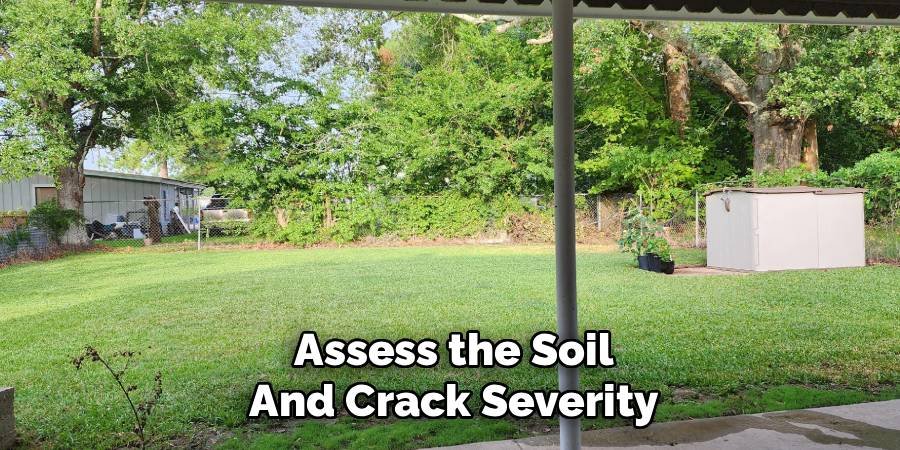
Step 1: Assess the Soil and Crack Severity
Before you begin, take a close look at your lawn. Determine the size and depth of the cracks. Are they shallow surface fissures or deep chasms? This will help you estimate the amount of materials you’ll need. Next, identify your soil type. Grab a handful of moist soil and squeeze it. If it forms a sticky, dense ball, you likely have heavy clay soil, which is the most common cause of cracking. Understanding the severity and the soil type is a critical first step in creating an effective repair plan that addresses the immediate problem and its underlying cause.
Step 2: Prepare the Cracked Areas
Clear the cracked areas of any dead grass, weeds, or debris. Use a garden rake or a hand trowel to gently remove loose material from inside and around the fissures. This cleanup is important because it ensures that your repair materials will make direct contact with the soil, promoting better integration and healing. Be careful not to dislodge healthy turf surrounding the cracks. The goal is to create a clean slate for the new soil mixture to bond with the existing ground, which is essential for a seamless and lasting repair.
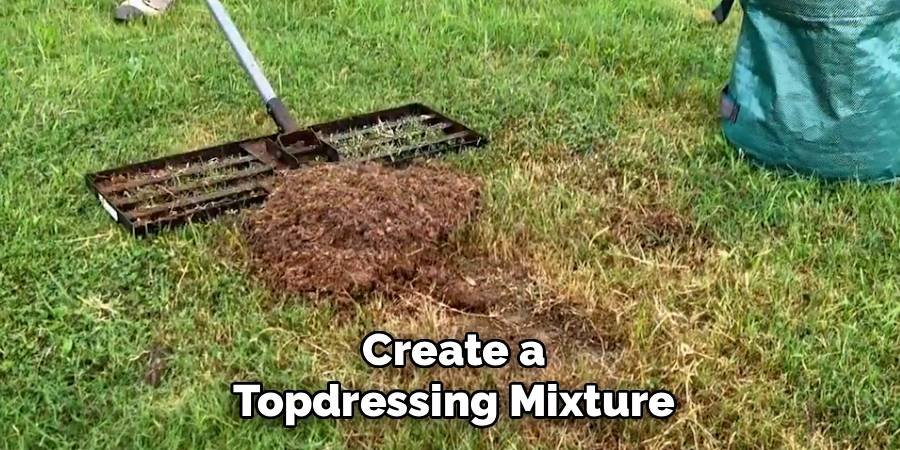
Step 3: Create a Topdressing Mixture
The key to fixing cracks is to fill them with a nutrient-rich mixture that will improve soil structure. Create a topdressing mix by combining equal parts of compost, sand, and topsoil in a wheelbarrow. The compost adds vital organic matter and nutrients, the topsoil provides a stable base, and the sand improves drainage and reduces the clay’s tendency to shrink and swell. Mix these components thoroughly until you have a consistent, uniform blend. This tailored mixture doesn’t just fill the void; it actively works to amend the soil, making it less prone to cracking in the future.
Step 4: Fill the Cracks with Your Mixture
Carefully fill the cracks with your custom topdressing mixture. For larger cracks, you can pour the mix directly from a bucket or shovel it in. Use a rake or your hands to work the material deep into the fissures, ensuring there are no air pockets left behind. You want the fill to be compact and level with the surrounding ground. For very deep cracks, you may need to apply the mixture in layers, lightly watering each layer to help it settle before adding the next one. This method ensures a solid, stable fill.
Step 5: Level and Water the Area
Once the cracks are filled, use the back of a rake to level the surface, making it flush with the rest of your lawn. The repaired areas should be smooth and even. After leveling, water the areas gently but thoroughly with a sprinkler or a hose with a fine spray nozzle. Watering helps the new mixture settle into the cracks and bond with the existing soil. It also provides the necessary moisture for seed germination in the next step. Avoid flooding the area, as this can wash away your freshly laid topdressing.

Step 6: How to Get Rid of Cracks in Lawn by Overseeding
A filled crack is a bare patch of soil, so the next step is to overseed it to grow new grass. Choose a grass seed that matches your existing lawn type. For lawns in sunny areas, a drought-tolerant variety might be a wise choice to prevent future issues. Sprinkle the seeds evenly over the repaired areas. Don’t be shy with the application; a dense seeding will ensure thick, healthy growth that blends seamlessly with the rest of your turf. Gently rake the seeds into the top layer of your soil mixture to ensure good seed-to-soil contact.
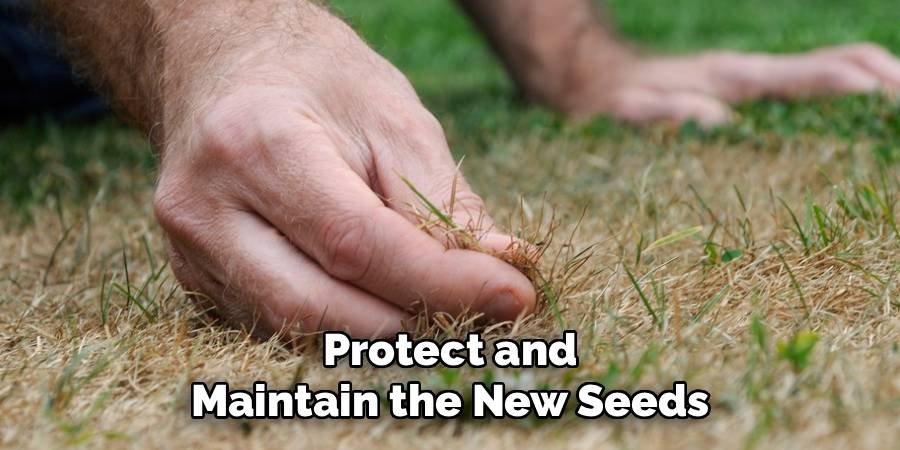
Step 7: Protect and Maintain the New Seeds
Newly sown seeds need consistent moisture and protection to germinate successfully. Water the overseeded areas daily, keeping the soil consistently damp but not waterlogged. The goal is to prevent the top layer from drying out. You can cover the patches with a thin layer of straw or a germination blanket to retain moisture and protect the seeds from birds. Continue this watering routine until the new grass is well-established, which typically takes a few weeks. Proper care during this stage is vital for turning those repaired cracks into lush, green turf.
Frequently Asked Questions (FAQ)
Can I Just Fill Lawn Cracks With Sand?
While sand improves drainage, filling cracks with only sand is not recommended. Sand lacks the organic matter and nutrients needed to support healthy grass growth. It can create patches where grass struggles to thrive. A balanced mixture of sand, compost, and topsoil is a much better solution. This blend not only fills the void but also amends the soil, improving its structure and fertility, which helps prevent cracks from reappearing in the future.
How Can I Prevent My Lawn From Cracking in the Future?
Preventing future cracks involves improving your soil’s health and moisture retention.
- Aerate your lawn annually to reduce soil compaction and allow water and nutrients to penetrate deeper.
- Topdress with compost regularly to add organic matter, which helps clay soil retain moisture more effectively without extreme shrinking.
- Practice deep, infrequent watering to encourage deep root growth, making your lawn more drought-resistant.
How Often Should I Water a Clay-Based Lawn to Avoid Cracks?
For clay soils, the key is deep and infrequent watering. Instead of light, daily watering, provide about one inch of water once or twice a week. This encourages grass roots to grow deeper into the soil to find moisture, making the lawn more resilient during dry spells. Use a rain gauge or a simple can to measure how much water your sprinkler is putting out. Adjust your watering schedule based on rainfall and temperature, watering more in extreme heat.
Will Aerating My Lawn Help with Cracking?
Yes, aeration is highly effective in preventing lawn cracks, especially in compacted clay soil. Core aeration involves pulling small plugs of soil out of the lawn. This process creates channels that allow water, air, and nutrients to reach the root zone more easily. It alleviates compaction, improves drainage, and encourages deeper root growth. A healthier, deeper root system makes your lawn far less susceptible to drying out and cracking during periods of heat and drought.
Is It Better to Fix Lawn Cracks in the Spring or Fall?
Both spring and fall are ideal times to repair lawn cracks. These seasons offer moderate temperatures and reliable rainfall, which are perfect conditions for grass seed germination and establishment. Fixing cracks in the fall is often slightly preferred because the new grass will face less competition from weeds and won’t have to endure the stress of summer heat immediately after sprouting. However, spring repairs are also highly effective. Avoid fixing cracks in the peak of summer, as extreme heat can make it difficult for new grass to survive.
Conclusion
A cracked lawn can be disheartening, but it’s a fixable problem. By understanding that soil health is at the heart of the issue, you can move beyond temporary fixes. Following the steps outlined—from preparing the ground and creating a nourishing soil mixture to overseeding and proper watering—will not only repair the existing damage but also build a more resilient foundation for your turf. Taking action now will pay dividends in the form of a beautiful, uniform lawn that can better withstand environmental stresses. With this guide on how to get rid of cracks in lawn, you have the knowledge and a clear plan to restore your yard to a lush, seamless expanse of green.

About Ravuk Barg
B.Sc. Horticulture Science | Certified Master Gardener
Ravuk Barg has spent more than a decade with his hands in the soil and his head full of questions about why some gardens thrive while others struggle. What started as a single raised bed of tomatoes and basil in a modest backyard has grown into a deep, working knowledge of everything from seed germination and soil amendment to companion planting and seasonal pruning.
Over the years, Ravuk has gardened through drought summers, waterlogged springs, and pest invasions that would make most gardeners hang up their trowels for good. Those hard seasons, he’ll tell you, taught him more than any perfect growing year ever could. He writes from that earned experience—covering vegetable growing, ornamental planting, houseplant care, composting, and garden design with equal confidence and curiosity.
Philosophy & Approach
Ravuk’s approach to gardening is rooted in practicality. He favors organic methods not out of dogma, but because they work long-term—resulting in healthier soil, fewer inputs, and stronger plants. He has a particular fondness for heirloom vegetable varieties (the kind with proper flavor), unruly cottage-style flower beds, and the stubborn houseplants that everyone else gave up on.
The Mission: Give readers the honest, experience-backed advice that helps them actually succeed in their gardens—not just the ideal version, but the real one; weeds, failures, and all.
Education & Credentials
-
B.Sc. in Horticulture Science
-
Greenfield Agricultural University
-
Focus: Plant Physiology, Soil Ecology, and Sustainable Crop Production
-
-
Master Gardener Certification
-
Cooperative Extension Service
-
Focus: 200+ hours of hands-on practical training and community garden work
-
Continuing Education
-
Organic Pest Management
-
Native Plant Landscaping
-
Sustainable Crop Production