

A lush, green lawn is the pride of many homeowners, but invasive weeds like brome grass can quickly turn that dream into a patchy, uneven nightmare. This aggressive, cool-season grass is known for its rapid growth and ability to choke out desirable turf grasses, making it a persistent challenge for even seasoned gardeners.
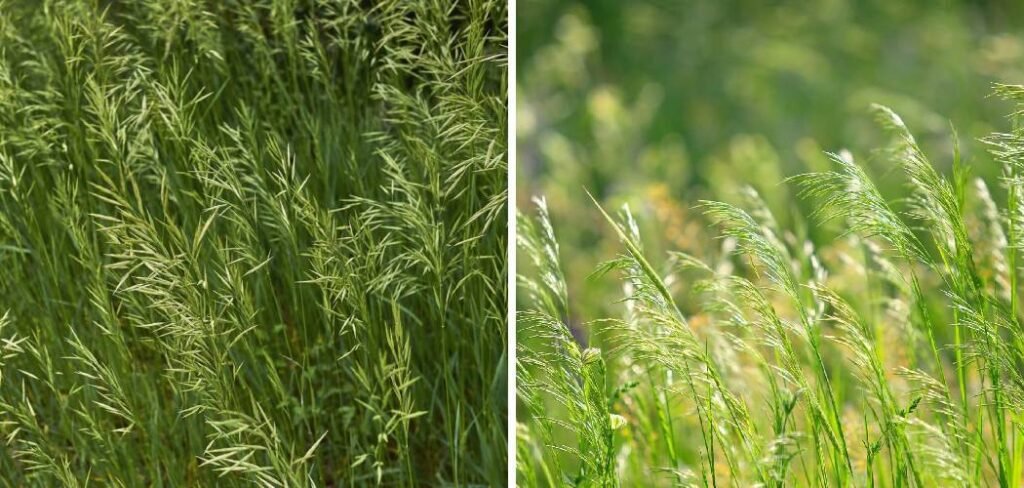
Its coarse texture and light green color stand out against a manicured lawn, disrupting its uniform appearance. If you’re struggling with this stubborn invader, you’re not alone. This guide provides a clear, step-by-step approach on how to get rid of brome grass in lawn, helping you restore your turf’s health and beauty.
Why Getting Rid of Brome Grass Matters
Brome grass, often called cheatgrass, is more than just an eyesore; it’s a genuine threat to the health of your lawn. This invasive weed is highly competitive, fighting with your desired turf for essential resources like water, nutrients, and sunlight. Its extensive and fibrous root system allows it to absorb moisture and nutrients more efficiently than many lawn grasses, leading to thinning and weakened turf. Furthermore, brome grass completes its life cycle quickly, producing a large number of seeds that can remain dormant in the soil for years. Allowing it to establish means you’re signing up for a long-term battle that only gets harder over time. Addressing the problem early protects your investment in a healthy, vibrant lawn.
7 Step-by-Step Guide on How to Get Rid of Brome Grass in Lawn
Tackling brome grass requires a strategic and persistent approach. Because it is a grassy weed, it can be difficult to eliminate without harming the surrounding turf. The following steps will walk you through a comprehensive process, from identification to prevention, ensuring you have the knowledge to reclaim your lawn. This multi-faceted strategy combines manual removal with cultural practices to create an environment where your desired grass can thrive, making it difficult for brome grass to return.
Step 1: Positively Identify the Brome Grass
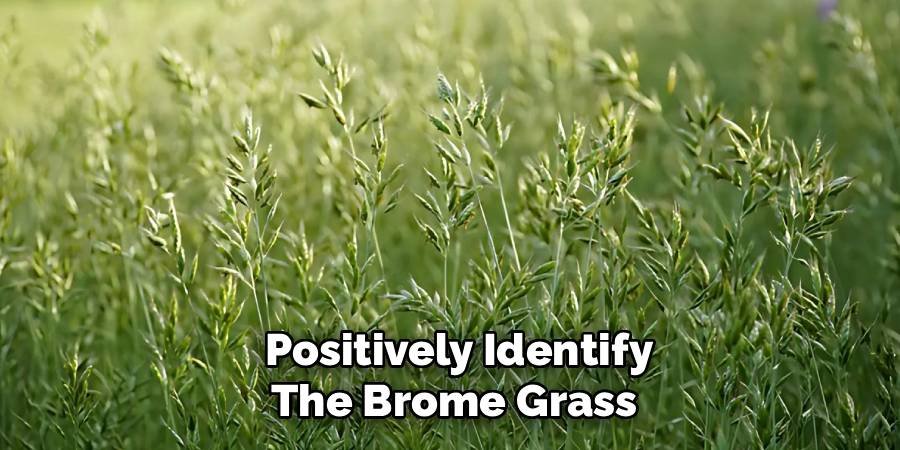
Before you begin any treatment, it is crucial to correctly identify the brome grass. It is a cool-season annual or perennial grass that often has a slightly lighter green color than Kentucky bluegrass or fescue. Look for coarse, hairy leaves and a distinctive “W” constriction on the leaf blade, which is a telltale sign of some brome species. When it matures, it produces drooping, oat-like seed heads that are soft and bristly. Distinguishing it from other grassy weeds like crabgrass is important, as control methods differ. Misidentification can lead to using the wrong products or techniques, which may be ineffective or even damage your lawn.
Step 2: Time Your Attack for Maximum Impact
Timing is everything when it comes to controlling brome grass. The most effective time to take action is in the early spring or fall when the weed is young and actively growing but has not yet produced seeds. Targeting brome grass during these cool-season growth spurts makes it more vulnerable to control methods. Attempting removal after it has developed mature seed heads can be counterproductive, as you may inadvertently spread thousands of seeds across your lawn, creating a bigger problem for the next season. Focus your efforts before the plant has a chance to reproduce.
Step 3: Begin with Manual Removal for Small Infestations
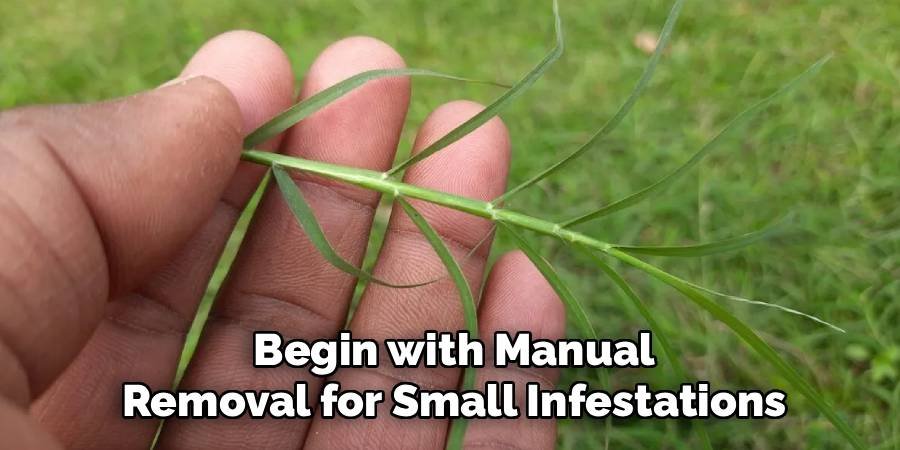
For small, isolated patches of brome grass, manual removal is a practical first step. The key is to act before the root system becomes too established. Water the area thoroughly a day before you plan to pull the weeds to soften the soil, which makes removal easier and more effective. Use a hand trowel or a specialized weeding tool to dig around the base of the plant and pry it out, making sure to get the entire root system. If you leave roots behind, the plant can regenerate. This method is labor-intensive but highly effective for minor invasions and avoids the use of chemicals.
Step 4: Apply a Pre-Emergent Herbicide in the Fall
Prevention is the best long-term strategy. Applying a pre-emergent herbicide is a critical step to prevent brome grass seeds from germinating. The ideal time for this application is in the late summer or early fall, before the soil temperature drops and triggers germination for the next season. Products containing ingredients like prodiamine or dithiopyr are effective against brome grass. Follow the manufacturer’s instructions carefully regarding application rates and watering requirements to ensure a uniform barrier is created in the soil. A properly applied pre-emergent will stop the weed cycle before it starts.
Step 5: How to Get Rid of Brome Grass in Lawn Using Post-Emergent Herbicides
When dealing with a widespread infestation, a selective post-emergent herbicide may be necessary. It is critical to choose a product specifically labeled for controlling brome grass (or cheatgrass) that is also safe for your specific type of lawn grass. Herbicides containing quinclorac or sulfentrazone can be effective, but always check the label to confirm compatibility. Apply the herbicide when the brome grass is young and actively growing, usually in the spring or fall. Avoid applying it during hot, dry weather, as this can stress your desirable grass and reduce the herbicide’s effectiveness.

Step 6: Improve Your Lawn’s Health and Density
A thick, healthy lawn is the best defense against any weed, including brome grass. After you have removed the existing weeds, focus on cultural practices that promote robust turf growth. Aerate your lawn annually to reduce soil compaction and improve water and nutrient absorption. Overseed the affected areas in the fall with a high-quality grass seed appropriate for your region. A dense stand of turf will crowd out any new brome grass seedlings, leaving them no space, sunlight, or resources to get established. This proactive approach is fundamental to long-term success.
Step 7: Adjust Your Mowing and Watering Habits
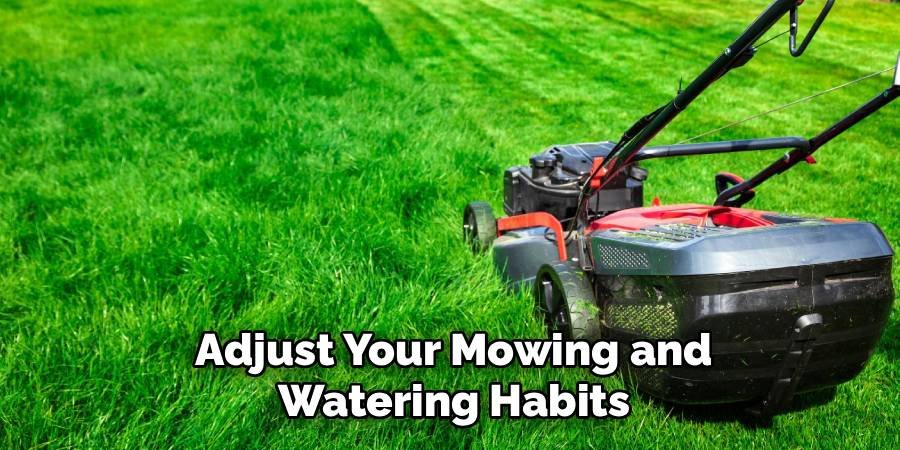
Proper lawn maintenance can significantly discourage brome grass. Mow your lawn at a higher setting, typically around 3 to 4 inches. Taller grass blades create a canopy that shades the soil, preventing weed seeds from getting the sunlight they need to germinate. Additionally, practice deep and infrequent watering. Watering deeply encourages your turf to develop a deep, strong root system, making it more resilient and competitive against shallow-rooted weeds like brome grass. Avoid light, frequent watering, which creates the perfect environment for brome grass to thrive.
Frequently Asked Questions (FAQ)
Can I Pull Brome Grass by Hand?
Yes, you can absolutely pull brome grass by hand, and it is a very effective method for small patches. The best time to do this is when the plants are young and the soil is moist, which makes it easier to remove the entire root system. If you only pull the top part of the plant and leave the roots, it will likely grow back. For larger areas, hand-pulling can be too labor-intensive, making other methods more practical.
Will Mowing High Kill Brome Grass?
Mowing high will not kill existing brome grass plants, but it is an excellent preventative strategy. By keeping your desirable lawn grass at a height of 3–4 inches, you create a dense canopy that shades the soil. This shade makes it much more difficult for brome grass seeds to receive the sunlight they need to germinate and grow. It’s a key part of an integrated management plan that focuses on promoting a healthy lawn that can naturally outcompete weeds.
What Is the Best Time of Year to Treat Brome Grass?
The best time to treat brome grass depends on your method.
- Pre-emergent herbicides: Apply in late summer or early fall to prevent seeds from sprouting.
- Post-emergent herbicides: Apply in the spring or fall when the weed is young and actively growing.
- Manual removal: Best done in the spring before the plant produces seeds.
Targeting the weed during these periods will yield the most effective results and disrupt its life cycle.
Is Brome Grass the Same as Crabgrass?
No, brome grass and crabgrass are two different types of grassy weeds, though they can look similar to an untrained eye. Brome grass is a cool-season grass that grows most actively in the spring and fall. Crabgrass is a warm-season annual that thrives in the heat of summer. They also have different growth habits and seed heads. Correct identification is crucial because the herbicides and control methods used for each are often different.
How Do I Repair My Lawn After Removing Brome Grass?
After removing brome grass, you will likely have bare patches in your lawn. To repair these spots, first, rake the area to remove any lingering debris and loosen the top layer of soil. Then, apply a high-quality grass seed that matches your existing lawn type. Cover the seed with a thin layer of compost or topsoil to protect it and keep it moist. Water the newly seeded area lightly but consistently until the new grass is well-established, which is key to preventing weeds from returning.
Conclusion
Regaining control of your lawn from an invader like brome grass is a rewarding process that combines timely action with smart, preventative care. By correctly identifying the weed, employing a mix of manual removal and appropriate herbicide treatments, and focusing on building a healthier lawn, you can successfully win this battle. A dense, well-maintained turf is your greatest ally in keeping weeds at bay for good. Don’t be discouraged by this persistent weed; use this guide on how to get rid of brome grass in lawn to restore the lush, uniform appearance you desire and enjoy your beautiful outdoor space once again.

About Ravuk Barg
B.Sc. Horticulture Science | Certified Master Gardener
Ravuk Barg has spent more than a decade with his hands in the soil and his head full of questions about why some gardens thrive while others struggle. What started as a single raised bed of tomatoes and basil in a modest backyard has grown into a deep, working knowledge of everything from seed germination and soil amendment to companion planting and seasonal pruning.
Over the years, Ravuk has gardened through drought summers, waterlogged springs, and pest invasions that would make most gardeners hang up their trowels for good. Those hard seasons, he’ll tell you, taught him more than any perfect growing year ever could. He writes from that earned experience—covering vegetable growing, ornamental planting, houseplant care, composting, and garden design with equal confidence and curiosity.
Philosophy & Approach
Ravuk’s approach to gardening is rooted in practicality. He favors organic methods not out of dogma, but because they work long-term—resulting in healthier soil, fewer inputs, and stronger plants. He has a particular fondness for heirloom vegetable varieties (the kind with proper flavor), unruly cottage-style flower beds, and the stubborn houseplants that everyone else gave up on.
The Mission: Give readers the honest, experience-backed advice that helps them actually succeed in their gardens—not just the ideal version, but the real one; weeds, failures, and all.
Education & Credentials
-
B.Sc. in Horticulture Science
-
Greenfield Agricultural University
-
Focus: Plant Physiology, Soil Ecology, and Sustainable Crop Production
-
-
Master Gardener Certification
-
Cooperative Extension Service
-
Focus: 200+ hours of hands-on practical training and community garden work
-
Continuing Education
-
Organic Pest Management
-
Native Plant Landscaping
-
Sustainable Crop Production