

How to fix scalped lawn with easy steps. This guide gives you lawn care tips and ways to help grass recover. See how to stop your lawn from getting damaged so you can have a healthy green yard.
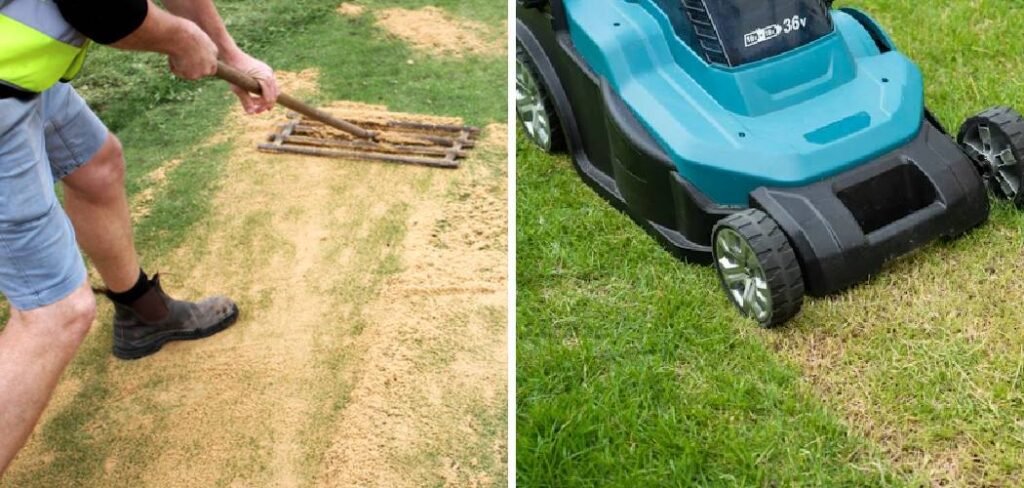
Have you ever cut your grass so short that it looks brown and patchy? This is called lawn scalping. When you scalp your lawn, you cut the grass blades too close together. This can damage the grass and make your yard look untidy. But don’t worry! You can fix a scalped lawn and make it green again.
What Is Lawn Scalping?
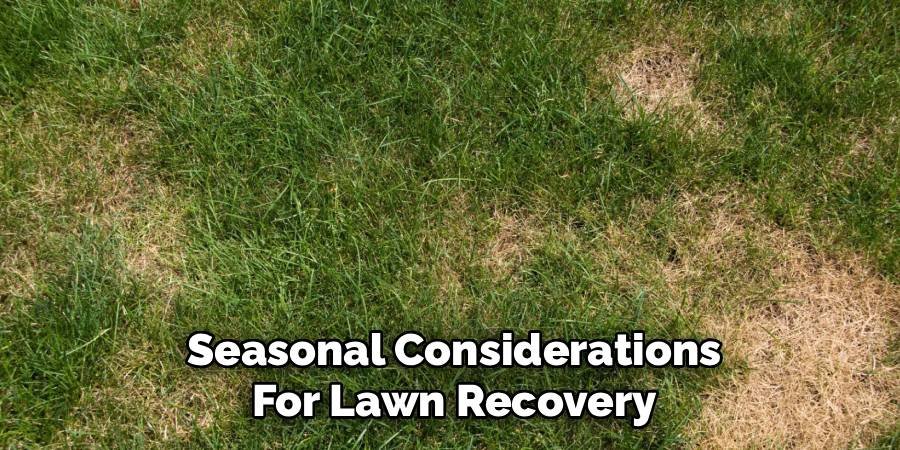
Lawn scalping is when you cut your grass too short. If you do this, the grass will lose a lot of its green leaves. After that, it won’t be able to use sunlight to make food very well. The lawn will look brown, thin, and unhealthy.
Most types of grass need to be left a little longer to stay healthy. Cool-season grasses like fescue and bluegrass do best if they are 2 to 3 inches tall. Warm-season grasses like Bermuda and Zoysia can be a little shorter, but they still need to be kept at the right height.
Why Does Lawn Scalping Happen?
There are several reasons why your lawn can become scalped:
The main cause of this problem is cutting your grass too short. Many people think that cutting the grass short will make the lawn look nicer, but this can actually cause damage.
Uneven ground: If your yard has holes or potholes, this can cause your mower to cut grass at different heights. High areas may be cut too short, while low areas may keep their grass long.
Dull mower blades: When you use old or dull blades, they tear the grass. The grass is not cut cleanly. This can cause more damage to the grass than a sharp blade.
Mowing wet grass is not a good idea. When the grass is wet, it will bend and not cut evenly. This can result in some areas being cut too short. If you cut the grass too quickly while mowing, you may miss some areas. If you rush, you may cut too much grass. The lawn will look even and beautiful, so it is better to take your time.
5 Step-by-Step Guide on How to Fix Scalped Lawn
Step 1: Stop All Lawn Activities
The first thing you need to do is stop mowing the scalped area. Give the grass time to heal so it can grow back. Don’t walk on these damaged areas. If people step on the grass, it will feel more pressure and take longer to heal.
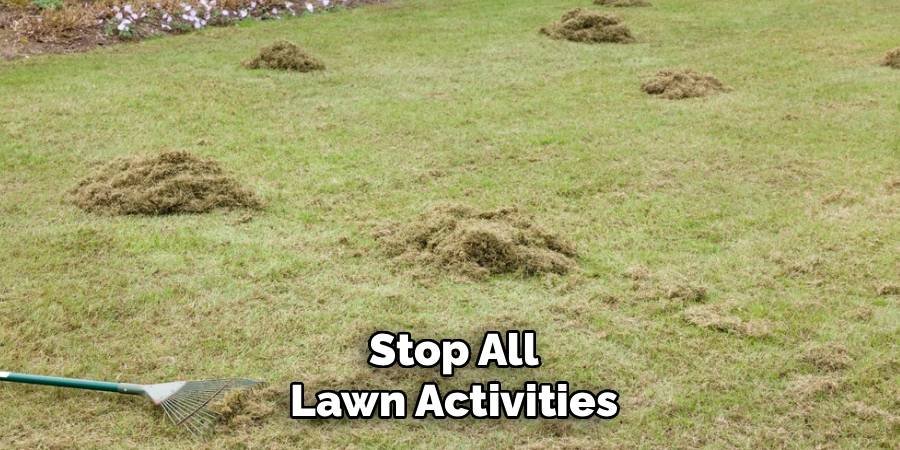
Keep children and pets away from areas of the grass that have been scalped. The grass needs to use all its energy to grow new leaves and grow back. If it is put under more pressure, the problem can get worse.
Step 2: Water the Lawn Properly
Scalped grass needs more water than healthy grass. Damaged areas should be watered well, but not overwatered. The lawn should receive about 1 inch of water per week, and this includes rainfall. Water your grass between 6 a.m. and 10 a.m. This will help the grass dry out before evening. Wet grass at night can lead to disease.
Use a sprinkler that provides a soft, even spray. Try not to use strong sprays. These can damage weaker grass even more.
Step 3: Apply Fertilizer Carefully
Scalloped grass needs food to help it grow new leaves. You should use a balanced fertilizer. It should contain equal amounts of nitrogen, phosphorus, and potassium. Look for bags with numbers like 10-10-10. Fertilize your lawn when the soil is moist, but not when the grass is dry. Be sure to read and follow the package directions. Over-fertilizing can damage your grass. After fertilizing your lawn, water it lightly. This will help the nutrients move into the grass.
Step 4: Overseed Thin Areas
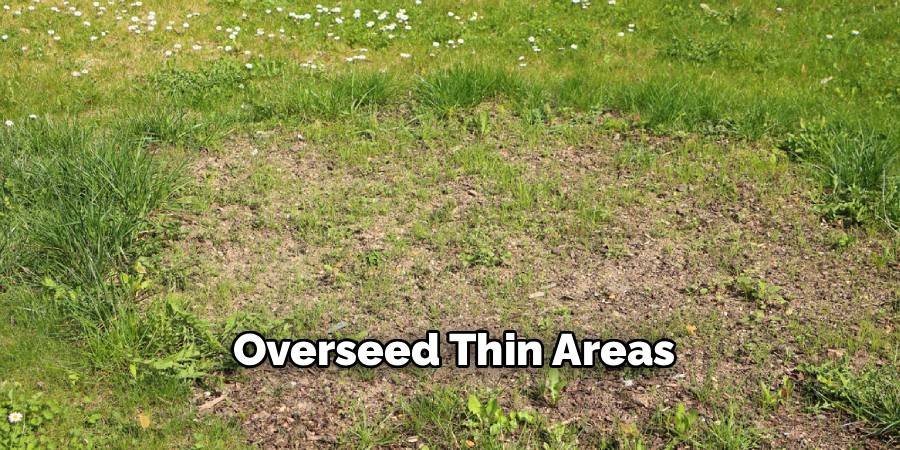
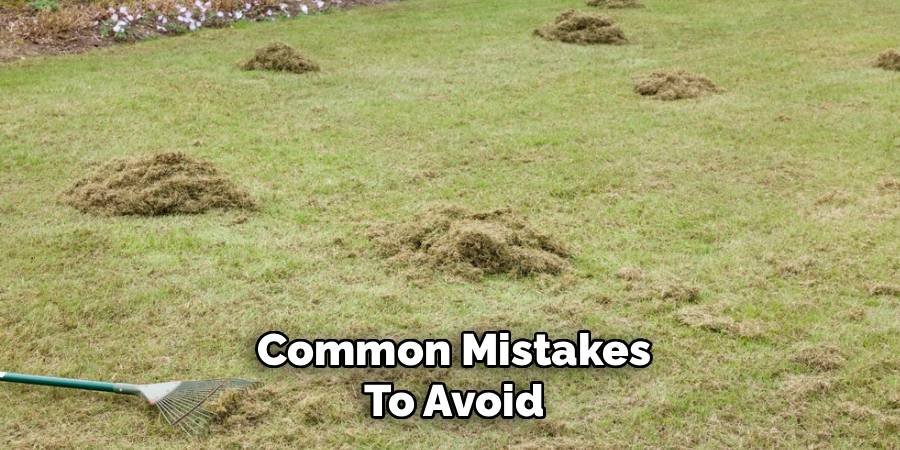
If your lawn is too short and you see bare spots, you may need to plant new grass seed. Choose a grass seed that is similar to the type of grass you already have. Prepare the soil by removing dead grass and debris. Use a rake to lightly rake the top of the soil. This will help the seeds touch the soil, which is good for growth. Spread the grass seed over any bare spots. Add a thin layer of soil or compost over the seeds. Keep these spots moist until you see new grass sprouting.
Step 5: Be Patient and Wait
It takes time to heal your grass. You may see some new grass appearing within 1 or 2 weeks, but it can take 4 to 8 weeks for your grass to fully grow. Cool-season grasses recover faster in the spring and fall. Warm-season grasses do better in late spring and summer. Don’t expect to see results the next day. If you want healthy grass, know that it will take time to grow. You can’t rush it.
Lawn Care Tips to Prevent Future Scalping
Follow the one-third rule: You should not cut more than one-third of the grass at a time. For example, if your grass is 3 inches tall, you should not cut it below 2 inches.
Keep mower blades sharp: A sharp blade will cut the grass cleanly. This will help the grass recover faster. A dull blade can tear the grass and leave brown tips. The blade should be sharpened at least once per season.
Check your mowing height: Set your mower at the correct height for your grass. If you have cool-season grass, it should be about 2.5 to 3.5 inches tall. If it’s warm-season grass, it can be 1 to 2.5 inches tall.
Level your lawn: Fix any holes or bends in your yard. A yard that is level will prevent the mower from cutting too close to the high spots. Add some soil to the low spots. Remove excess dirt from the high spots. Mow the lawn when the grass is dry. Wait until the morning dew has gone before you start. Dry grass will help you mow evenly. It won’t stick together or clump.
Grass Recovery Methods That Really Work
Topdressing: Spread a thin layer of compost over the scalped area. This helps add good nutrients to the soil and retains moisture. Use about 1/4 inch of compost. Don’t use more than that.
Aeration: If the soil in your yard is hard or packed tightly, you may want to do some aeration. This will create holes in the soil. These holes allow air, water, and nutrients to reach the grass roots more easily.
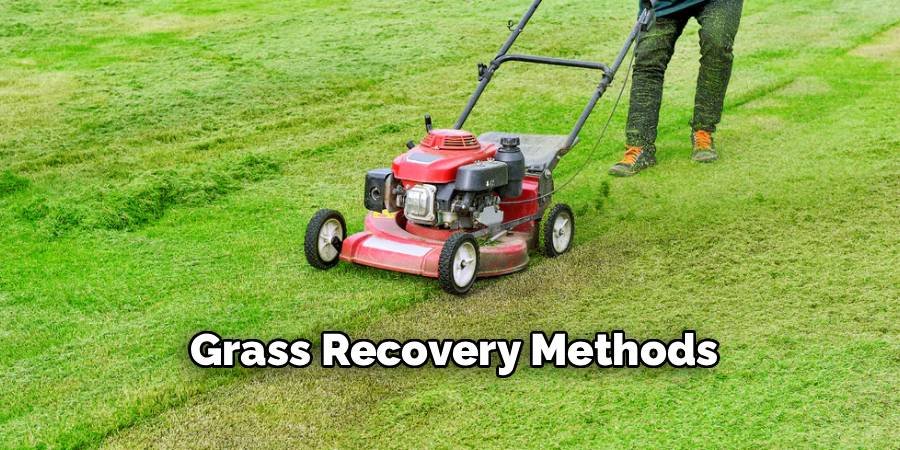
Mulch clippings: If there is a small area where the grass is very short, you can spread healthy grass clippings in that area. This will help provide some good nutrients to the soil. It will also keep the soil safe. Limit walking: Try to keep everyone off the grass until the situation improves. You can put up some barriers or signs to remind your family not to set foot in this area.
Common Mistakes to Avoid
Many people make these mistakes when fixing a scalped lawn:
Excess fertilizer can damage grass that is not strong. Use the recommended amount and timing to keep your grass healthy.
Watering too much: If the soil is too wet, it can cause root rot and other problems. Water the plant well, but not too much.
Mowing too soon: Grass should not be cut until it is well established. Allow 3 to 4 weeks for the grass to recover before cutting. Using the wrong grass seed can cause problems. Be sure to buy new seed that matches the type you already have in your yard. This will help your lawn look good and grow well.
Seasonal Considerations for Lawn Recovery
Spring recovery: Cool-season grasses do best in the spring. Mild weather and natural rainfall help the grass grow faster. Summer can be tough on lawns. Hot weather makes it harder for your grass to grow back strong. When the grass is cut too short in the summer, it will need more water and care. The grass needs to be helped to withstand the heat so it can look good again. Winter is a good time to fix cool-season grasses. The soil is still warm, but the air is starting to feel cold. This is good for the grass and helps it grow better.
Winter readyness: If you scalp this area in late fall, be sure to protect it over the winter. This area will grow back better in the spring.
FAQs About Fixing Scalped Lawns
Q: How long does it take to fix a scalped lawn? Answer: Most lawns that have been scalped will recover within 4 to 8 weeks if properly cared for. This time frame can vary for each lawn. It depends on the type of grass, the weather, and how damaged the lawn is.
Q: Should I reseed my scalped lawn right away? Answer: Wait about 2 to 3 weeks before sowing new seeds. The existing grass needs time to recover and become stronger. If you don’t see new grass after 3 weeks, sow more seeds in the areas where there is no grass.
Q: Can I use regular fertilizer on scalped grass? A: Yes, you can use a regular fertilizer on scalped grass, but it’s best to choose a balanced fertilizer. Look for a similar number, such as 10-10-10. Don’t use a high-nitrogen fertilizer, as this can burn already damaged grass. This way, your grass will get what it needs without causing new problems.
Q: Is it better to water scalped grass every day? Answer: No, you shouldn’t water every day. Watering every day can make things worse. Instead, give your grass a good water two or three times a week. This helps the roots grow deeper and keeps disease at bay.
Q: Will my scalped lawn ever look normal again? Answer: Yes, with proper care, most scalped lawns can grow back and look good. You will need to be patient and follow the steps for best results.
Conclusion
Learning how to fix a scalped lawn is a good skill for any homeowner. A scalped lawn is when you cut the grass too short. But with the right steps, you can get your lawn back to good condition. The first thing to do is to stop all lawn work and give the grass a rest for a while. After that, be sure to water it properly. You should also use a balanced fertilizer and, if necessary, overseed the area. This is the best way to help your lawn look its best.
It is important to follow good lawn care tips to prevent scalping from happening again. Always make sure the mower blades are sharp. Cut back about one-third of the height of the grass at a time, and make sure to cut to the correct height for the type of grass you have. It takes some time for the lawn to recover, usually between four and eight weeks, so give it time and don’t rush the process. With consistent care and attention, your lawn will grow back green and healthy. If the damage is too extensive or if you don’t see any recovery, contact a lawn care professional for help.

About Ravuk Barg
B.Sc. Horticulture Science | Certified Master Gardener
Ravuk Barg has spent more than a decade with his hands in the soil and his head full of questions about why some gardens thrive while others struggle. What started as a single raised bed of tomatoes and basil in a modest backyard has grown into a deep, working knowledge of everything from seed germination and soil amendment to companion planting and seasonal pruning.
Over the years, Ravuk has gardened through drought summers, waterlogged springs, and pest invasions that would make most gardeners hang up their trowels for good. Those hard seasons, he’ll tell you, taught him more than any perfect growing year ever could. He writes from that earned experience—covering vegetable growing, ornamental planting, houseplant care, composting, and garden design with equal confidence and curiosity.
Philosophy & Approach
Ravuk’s approach to gardening is rooted in practicality. He favors organic methods not out of dogma, but because they work long-term—resulting in healthier soil, fewer inputs, and stronger plants. He has a particular fondness for heirloom vegetable varieties (the kind with proper flavor), unruly cottage-style flower beds, and the stubborn houseplants that everyone else gave up on.
The Mission: Give readers the honest, experience-backed advice that helps them actually succeed in their gardens—not just the ideal version, but the real one; weeds, failures, and all.
Education & Credentials
-
B.Sc. in Horticulture Science
-
Greenfield Agricultural University
-
Focus: Plant Physiology, Soil Ecology, and Sustainable Crop Production
-
-
Master Gardener Certification
-
Cooperative Extension Service
-
Focus: 200+ hours of hands-on practical training and community garden work
-
Continuing Education
-
Organic Pest Management
-
Native Plant Landscaping
-
Sustainable Crop Production