

Accidentally spraying Roundup on your lawn can feel like a disaster. One wrong move and you’re left with unsightly yellow or brown patches where vibrant green grass once stood. The active ingredient, glyphosate, is a non-selective herbicide, meaning it harms most plants it touches, including your lawn. But don’t despair; a dead patch of grass doesn’t have to be a permanent problem. With the right approach and a little patience, you can learn how to fix grass killed by roundup and restore your lawn to its former glory. This guide will walk you through the entire process, from assessment to regrowth.
Understanding Roundup’s Effect on Your Lawn
Roundup works by inhibiting a specific enzyme essential for plant growth. Once absorbed, usually through the leaves, it travels throughout the plant and prevents it from producing vital proteins. This process can take several days to a week, which is why you might not see the damage immediately. The result is the characteristic yellowing and browning as the grass withers and dies. Since glyphosate breaks down in the soil, its primary impact is on the plants it directly contacts, making recovery possible without needing to replace all the soil.
Step-by-Step Guide on How to Fix Grass Killed by Roundup
Step 1: Assess the Damaged Area
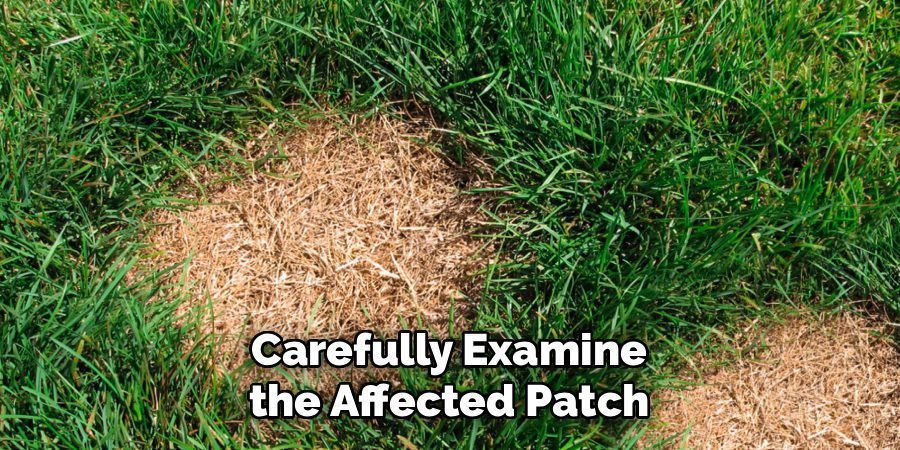
First, carefully examine the affected patch to understand the extent of the damage. Determine if the entire area is brown and brittle or if there are any signs of green life remaining. This initial assessment helps you decide whether you’ll need to reseed a small spot or a larger section of your lawn. Note the size of the patch and its location. This will help you purchase the right amount of seed and soil later. Be thorough, as sometimes the spray may have drifted farther than you initially thought.
Step 2: Water the Area Thoroughly
Immediately after identifying the sprayed area, drench it with water. While this won’t reverse the effects on grass that has already absorbed the herbicide, it can help dilute and wash away any remaining Roundup on the surface of the blades and in the top layer of soil. This action can potentially save less-affected grass on the perimeter of the patch and helps prepare the soil for the next steps by washing residual chemicals deeper, where they can break down more effectively and pose less of a threat to new seeds.
Step 3: Remove the Dead Grass
Once the grass is confirmed dead, you must remove it. Use a sturdy garden rake or a thatch rake to clear away all the brown, lifeless grass and debris. Raking vigorously will also help loosen the top layer of soil, creating a better foundation for new growth. For larger patches, a dethatching machine might be more efficient. The goal is to expose the bare soil underneath, ensuring that your new grass seeds will have direct contact with the ground, which is crucial for successful germination.
Step 4: Aerate the Soil
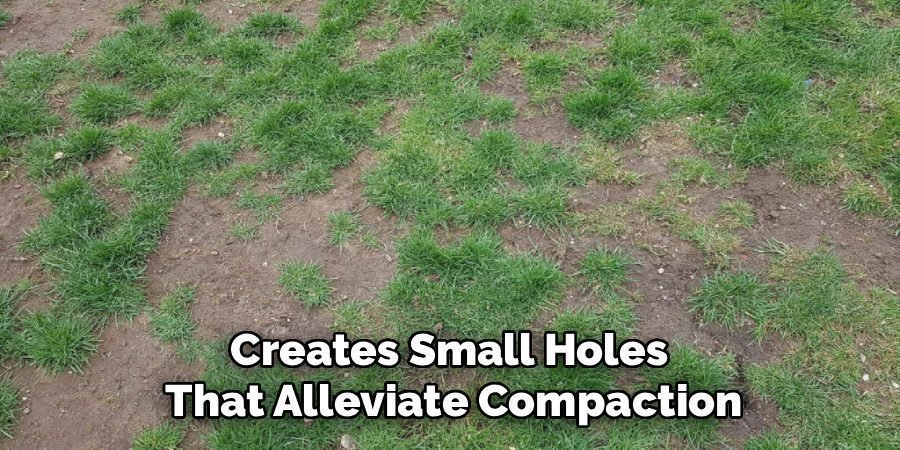
After clearing the dead grass, it’s time to aerate the soil. Compaction can prevent water, air, and nutrients from reaching the new seeds’ roots. You can use a simple garden fork for small areas by pushing it a few inches into the ground and gently rocking it back and forth. For larger areas, consider renting a core aerator. This process creates small holes that alleviate compaction, improving drainage and allowing new roots to establish themselves more easily, giving your new grass the best possible start.
Step 5: Amend the Soil with Compost
Now that the soil is aerated, it’s time to improve its quality. Spread a one-inch layer of high-quality compost or topsoil over the entire bare patch. This amendment enriches the soil with essential organic matter and nutrients that may have been depleted. Compost improves soil structure, helps retain moisture, and provides a nutrient-rich bed for the new grass seed. Use a rake to gently work the compost into the top inch of the existing soil, creating a smooth and level surface for seeding.
Step 6: How to Fix Grass Killed by Roundup with the Right Seed
Choosing the correct grass seed is vital for a seamless repair. Select a seed blend that matches your existing lawn. Check the species of grass you currently have—whether it’s Kentucky bluegrass, fescue, ryegrass, or a mix. Using the same type ensures the new patch will blend in terms of color and texture as it matures. For best results, purchase high-quality seed from a reputable garden center. A premium seed will have a higher germination rate and lead to a healthier, more resilient patch of grass.
Step 7: Spread the Grass Seed
With your seed selected, it’s time to sow. Distribute the grass seed evenly over the prepared soil, following the coverage rate recommended on the seed package. Spreading too thickly can cause the seedlings to compete for resources, leading to weak growth, while spreading too thinly will result in a sparse patch. For small areas, you can spread the seed by hand. For larger patches, a hand-held spreader will help ensure more uniform coverage. Aim for good seed-to-soil contact for optimal germination.
Step 8: How to Fix Grass Killed by Roundup by Protecting the Seeds
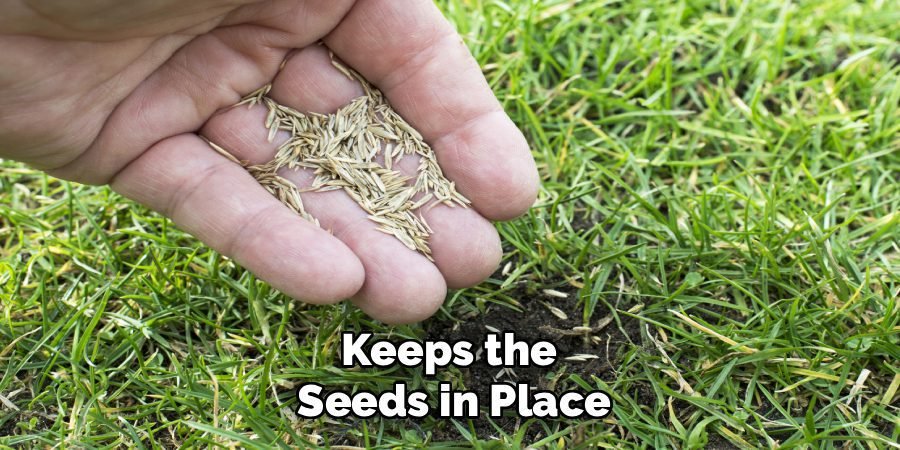
After seeding, lightly rake the area to gently work the seeds into the top quarter-inch of soil. This helps protect them from birds and prevents them from washing away. Next, cover the seeded area with a thin layer of peat moss or straw. This mulch layer helps retain moisture, which is critical for germination, and keeps the seeds in place. It also acts as a visual reminder to avoid walking on the delicate area while the new grass establishes itself.
Step 9: Water Your New Seeds Consistently
Consistent watering is the most critical step for growing new grass. The soil must remain consistently moist but not waterlogged until the seeds germinate and the seedlings are well-established. This typically means watering lightly once or twice a day for the first few weeks, depending on your climate and the weather. Avoid blasting the area with a strong stream of water, as this can dislodge the seeds. A gentle spray is best to keep the top layer of soil damp.
Step 10: Provide Long-Term Care
Once the new grass reaches about three inches in height, you can mow it for the first time. Set your mower to its highest setting to avoid stressing the young blades. Continue to water deeply but less frequently to encourage deep root growth. Avoid applying any herbicides to the new patch for at least a few months. With consistent care, your new grass will thicken and blend seamlessly with the rest of your lawn, completely erasing any sign of the original damage.
Monitor and Maintain Your Lawn
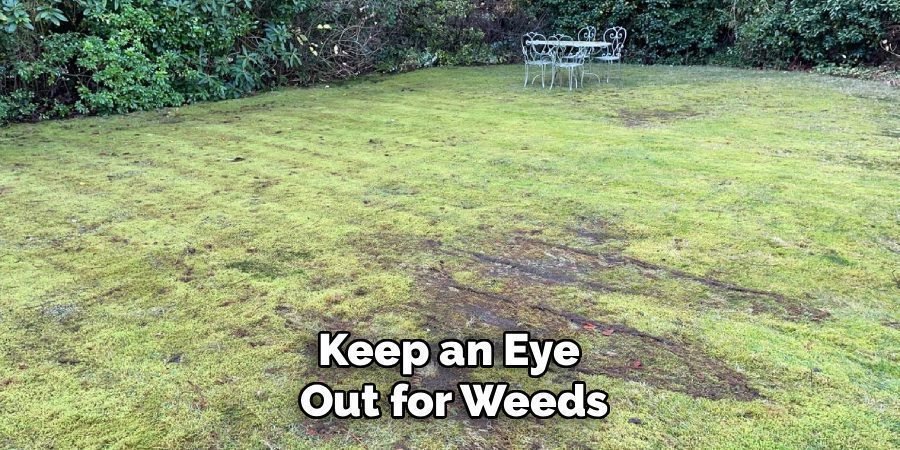
Now that your lawn has been restored, it’s important to establish a consistent maintenance routine to keep it healthy and vibrant. Regularly mow the grass at the recommended height for your grass type, and ensure your mower blades are sharp to avoid tearing the grass. Fertilize as needed based on the season and grass species, and keep an eye out for weeds, pests, or signs of disease. Addressing issues early will help prevent them from spreading. With diligent care, your lawn will remain lush and beautiful for years to come.
Watering Your Lawn Properly
Proper watering is essential for maintaining a healthy and thriving lawn. Water deeply but infrequently to encourage deep root growth, which makes your grass more resilient to drought and stress. Early morning is the best time to water, as it reduces evaporation and allows the grass to dry during the day, preventing fungal growth. Be mindful of local water restrictions and consider using drought-tolerant grass species if you’re in a location prone to water scarcity. Adjust your watering schedule based on weather conditions and seasonal changes to ensure your lawn receives the right amount of moisture.
Frequently Asked Questions (FAQ)
How Long Does It Take for Grass to Recover from Roundup?
Full recovery depends on how quickly you act. The grass directly hit by Roundup will likely die within 7 to 14 days and will not recover on its own. The repair process, which involves removing the dead grass and reseeding, takes additional time. You can expect to see new grass seedlings emerge in 1 to 3 weeks, and it may take another 4 to 6 weeks for the new patch to become fully established and blend in with the surrounding lawn.
Can Grass Grow Back After Being Sprayed with Roundup?
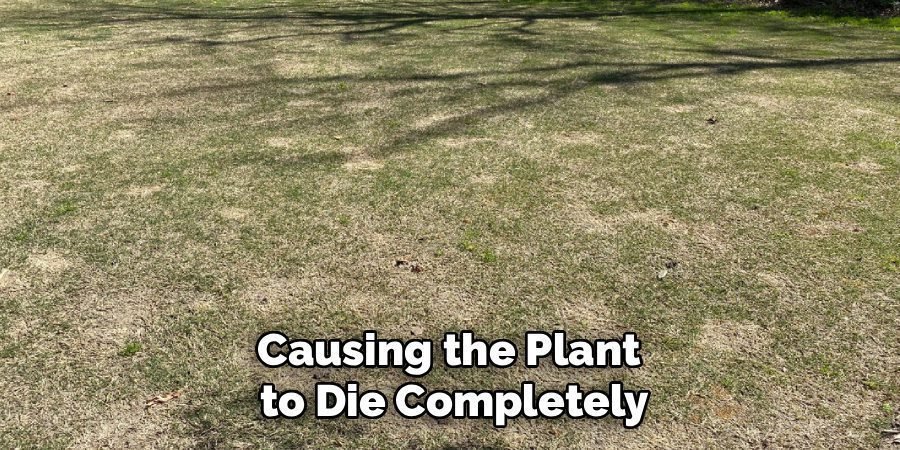
No, grass that has fully absorbed a lethal dose of Roundup will not grow back. Glyphosate, the active ingredient, disrupts a key enzyme pathway, causing the plant to die completely, roots and all. Any signs of “recovery” are usually from surrounding, unaffected grass spreading into the area or from new seeds you plant. The only solution for a patch of lawn killed by Roundup is to remove the dead material and reseed the area.
How Long Does Roundup Stay Active in the Soil?
Roundup’s active ingredient, glyphosate, binds tightly to soil particles upon contact. This binding action deactivates it, meaning it will not harm the roots of nearby plants or new seeds. The herbicide is then broken down by soil microbes over a period of several days to a few weeks. Because it is neutralized in the soil, you can safely reseed a treated area as soon as you have cleared away the dead plant material, typically within a few days of application.
Should I Remove Soil After a Roundup Spill?
It is generally not necessary to remove the soil after an accidental Roundup application. Glyphosate becomes largely inactive once it binds with soil particles, so it won’t prevent new seeds from growing. Instead of digging up and replacing the soil, focus on watering the area to dilute any residue, removing the dead grass, and amending the existing soil with compost or topsoil. This will create a healthy environment for new grass to thrive without the labor of replacing the soil.
What Is the Best Time of Year to Reseed a Lawn?
The best time to reseed your lawn is during the peak growing seasons for your specific grass type. For cool-season grasses like fescue and Kentucky bluegrass, early fall is ideal, as the soil is still warm and there is less competition from weeds. Early spring is the second-best option. For warm-season grasses like Bermuda or Zoysia, late spring to early summer is the prime time for seeding, as they thrive in warmer temperatures.
Conclusion
Facing a patch of lawn yellowed by an accidental herbicide spray can be disheartening, but it’s a fixable problem. By following these steps—from assessing the damage and removing the dead turf to enriching the soil and carefully planting new seed—you have a clear roadmap to success. The key is to be patient and methodical. Restoring your lawn takes a bit of effort, but the reward is a lush, uniform carpet of green. Now that you know how to fix grass killed by roundup, you can tackle the project with confidence and bring your beautiful lawn back to life.

About Ravuk Barg
B.Sc. Horticulture Science | Certified Master Gardener
Ravuk Barg has spent more than a decade with his hands in the soil and his head full of questions about why some gardens thrive while others struggle. What started as a single raised bed of tomatoes and basil in a modest backyard has grown into a deep, working knowledge of everything from seed germination and soil amendment to companion planting and seasonal pruning.
Over the years, Ravuk has gardened through drought summers, waterlogged springs, and pest invasions that would make most gardeners hang up their trowels for good. Those hard seasons, he’ll tell you, taught him more than any perfect growing year ever could. He writes from that earned experience—covering vegetable growing, ornamental planting, houseplant care, composting, and garden design with equal confidence and curiosity.
Philosophy & Approach
Ravuk’s approach to gardening is rooted in practicality. He favors organic methods not out of dogma, but because they work long-term—resulting in healthier soil, fewer inputs, and stronger plants. He has a particular fondness for heirloom vegetable varieties (the kind with proper flavor), unruly cottage-style flower beds, and the stubborn houseplants that everyone else gave up on.
The Mission: Give readers the honest, experience-backed advice that helps them actually succeed in their gardens—not just the ideal version, but the real one; weeds, failures, and all.
Education & Credentials
-
B.Sc. in Horticulture Science
-
Greenfield Agricultural University
-
Focus: Plant Physiology, Soil Ecology, and Sustainable Crop Production
-
-
Master Gardener Certification
-
Cooperative Extension Service
-
Focus: 200+ hours of hands-on practical training and community garden work
-
Continuing Education
-
Organic Pest Management
-
Native Plant Landscaping
-
Sustainable Crop Production