

Learn how to fix burnt spots on lawn with our easy 8-step guide. Discover causes, solutions, and expert tips to repair damaged grass and restore your beautiful green lawn.
A beautiful green lawn can make your home look amazing. But sometimes, brown burnt spots appear on your grass. These ugly spots can make your yard look bad. Don’t worry! How to fix burnt spots on lawn and make your grass green again.
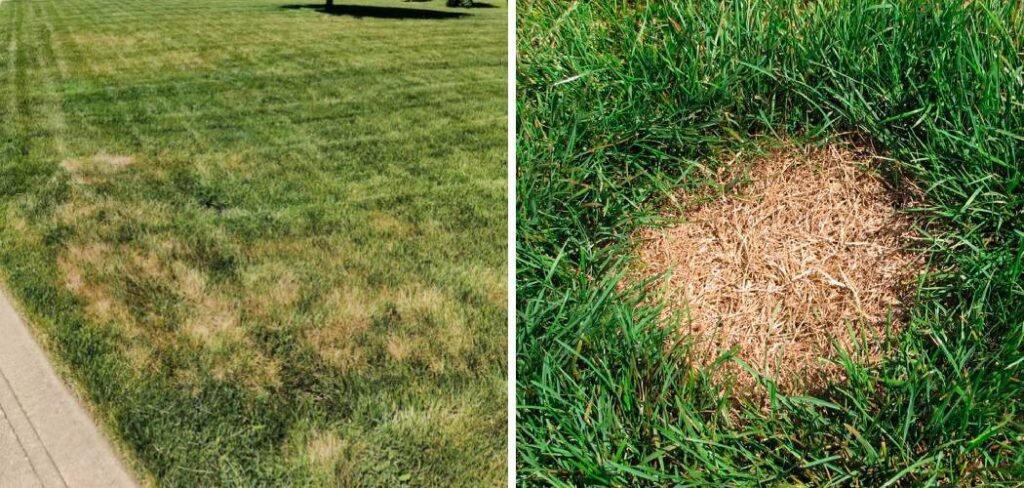
Many homeowners face this problem. The good news is that you can repair burnt grass with the right steps. This guide will teach you everything about lawn repair and grass restoration.
What Causes Burnt Spots on Your Lawn?
Before you learn how to fix burnt spots on lawn, you need to know what causes them. Here are the main reasons:
Heat Damage: Hot summer weather can burn your grass. When it gets too hot and dry, grass turns brown and dies.
Too Much Fertilizer: Using too much lawn fertilizer can burn your grass. This is called fertilizer burn. It happens when chemicals are too strong for your plants.
Pet Urine: Dog urine contains chemicals that can burn grass. This creates small round brown spots on your lawn.
Lack of Water: When grass doesn’t get enough water, it dries out and turns brown. This is very common in summer.
Fungal Diseases: Some plant diseases can make grass look burnt. These diseases spread quickly in wet conditions.
Chemical Spills: Gasoline, weed killer, or other chemicals can burn grass if spilled on your lawn.
8 Step by step How to Fix Burnt Spots on Lawn
Step 1: Check if the Grass is Really Dead
First, you need to see if your burnt grass is completely dead or just damaged. Pull gently on the brown grass. If it comes out easily, the roots are dead. If it stays in the ground, there might still be life in the roots.

Look at the grass closely. Sometimes grass looks brown but the roots are still alive. In this case, proper watering and care can bring it back to life. However, if the grass is completely dead, you will need to remove it and plant new grass. You can also do a simple test. Water the brown area well for a few days. If you see any green shoots coming up, the grass is not completely dead.
Step 2: Remove All Dead Grass
Use a rake to remove all the dead brown grass from the burnt spots. Make sure to get everything out, including the roots. This step is very important because dead grass can stop new grass from growing.
After raking, use your hands to pick up any remaining dead pieces. The soil should be clean and ready for new grass seeds. If the burnt area is big, you might need a shovel to dig out all the dead grass.
Don’t leave any dead grass behind. It can cause problems for new grass growth and may contain diseases that could spread to healthy grass around it.
Step 3: Test and Fix Your Soil
Good soil is very important for grass growth. Test your soil to see if it’s too acidic or too basic. You can buy a simple soil test kit from any garden store.
Most grass likes soil that is slightly acidic to neutral. If your soil test shows problems, add the right materials to fix it. For example, if your soil is too acidic, add lime. If it’s too basic, add sulfur.
Also, add some compost or good potting soil to the burnt areas. This will give new grass seeds the nutrients they need to grow strong and healthy.
Step 4: Choose the Right Grass Seed
Pick grass seed that matches the rest of your lawn. Look at your existing grass to see what type it is. Cool-season grasses like fescue and bluegrass work well in cooler areas. Warm-season grasses like Bermuda and Zoysia are better for hot climates.
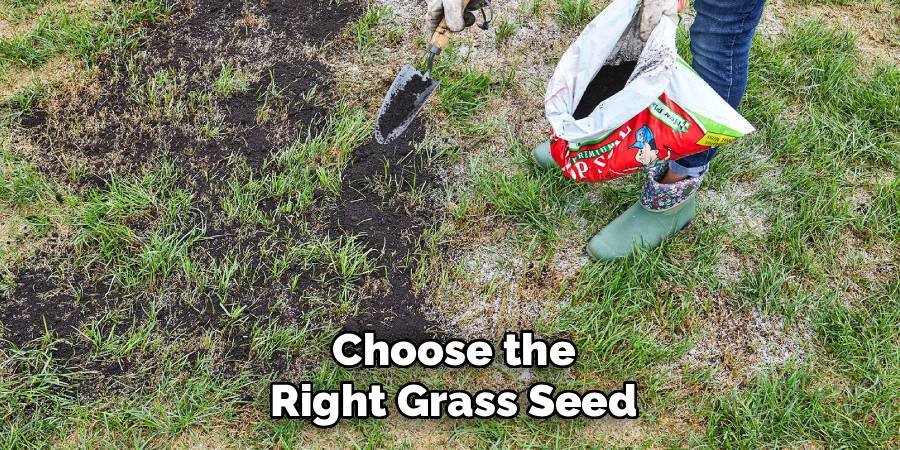
For areas that get burnt often, choose drought-resistant grass seed. These special grass mixtures can handle hot weather better. Read the seed package to make sure it’s right for your climate and lawn conditions. Buy good quality grass seed from a trusted store. Cheap seeds often don’t grow well and may not match your existing lawn color or texture.
Step 5: Plant the New Grass Seeds
Spread the grass seeds evenly over the bare soil. Follow the directions on the seed package for how much to use. Usually, you need about 2-3 pounds of seed for every 1000 square feet.
After spreading the seeds, rake the soil lightly to cover them. The seeds should be just barely covered with soil. If you bury them too deep, they won’t grow well.
You can also use a seed spreader tool to make sure the seeds are spread evenly. This helps ensure your new grass will grow thick and uniform.
Step 6: Water Your New Grass Properly
Watering is the most important part of fixing burnt spots on lawn. New grass seeds need water every day to grow. Water the seeded areas lightly but often. The soil should stay moist but not soaking wet. Too much water can wash away your seeds or cause them to rot. Water gently using a sprinkler or hose with a fine spray setting.
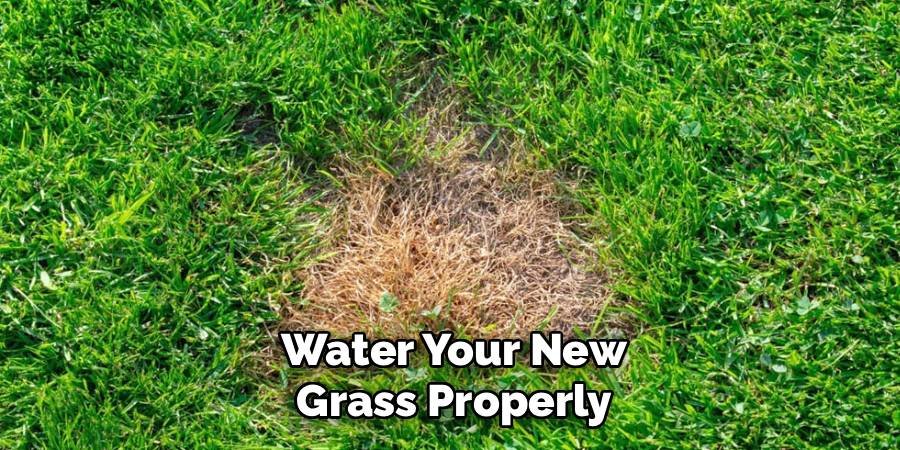
Keep watering every day for the first two weeks. After that, you can water every other day as the grass gets stronger. Try not to mow the repair until the new grass is around 6 inches high.
Step 7: Protect Your New Grass
Keep people and pets off the newly seeded areas. New grass is very delicate and can be easily damaged. Put up small signs or barriers to remind everyone to stay away.
If you have pets, make sure they don’t use the bathroom on your new grass. Pet waste can burn new grass just like it burnt your old grass.
Watch for birds that might eat your grass seeds. You can cover small areas with a thin cloth or mesh to protect the seeds while they grow.
Step 8: Feed Your Growing Grass
After your new grass is about 2 inches tall, you can start feeding it with fertilizer. Use a starter fertilizer that’s made for new grass. This type of fertilizer has the right nutrients to help young grass grow strong roots.
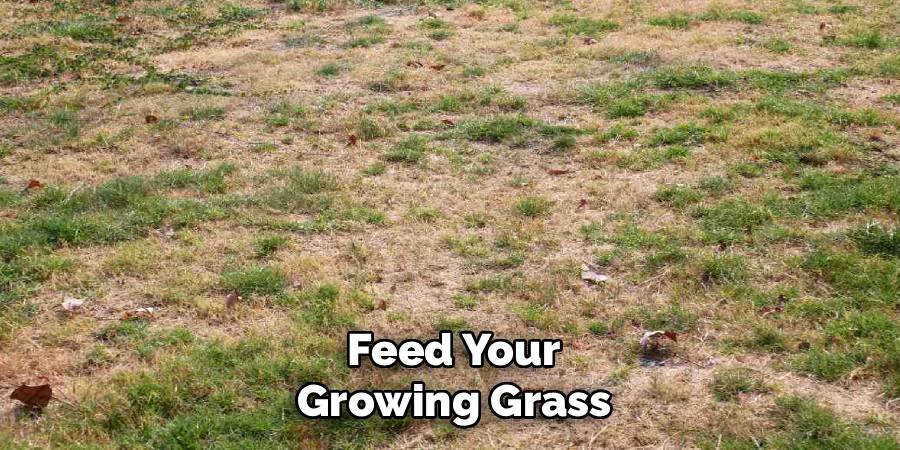
Don’t use too much fertilizer. This mistake caused your original grass burn problem. Follow the directions on the fertilizer package exactly. It’s better to use too little than too much. Continue feeding your grass regularly throughout the growing season. This will help it stay healthy and green.
How Long Does it Take to Fix Burnt Spots?
If not dead, burnt grass grows back in a few days to weeks, depending on damage level, grass type, weather, soil, and care. For completely dead areas that need reseeding, expect to wait 2-4 weeks to see new grass.
The time depends on several things:
- Weather: Warm, moist weather helps grass grow faster
- Grass Type: Some grasses grow quicker than others
- Care: Proper watering and feeding speed up growth
- Season: Spring and fall are the best times for grass growth
Be patient with your lawn repair project. Good grass takes time to grow thick and strong.
Preventing Future Burnt Spots
Once you fix burnt spots on lawn, you want to prevent new ones. Here are some tips:
Water Regularly: Don’t let your grass get too dry. Deep, less frequent watering is better than shallow daily watering.
Use Fertilizer Carefully: Always follow directions when using lawn fertilizer. More is not better when it comes to feeding grass.
Train Your Pets: If you have dogs, train them to use one area of your yard. You can also water down urine spots right away to prevent burning.
Mow at the Right Height: Keep your grass a bit longer during hot weather. Longer grass handles heat stress better than short grass.
Fix Problems Quickly: Deal with brown spots as soon as you see them. Quick action can often save grass that looks dead but isn’t.

Frequently Asked Questions (FAQs)
1. Can I fix burnt grass spots in summer?
Yes, you can work on burnt grass in summer, but it’s harder. The best times are spring and fall when weather is cooler. If you must do repairs in summer, water more often and choose heat-resistant grass seed. Keep new grass in shade if possible during the hottest part of the day.
2. Should I use sod instead of seeds for big burnt areas?
For large burnt areas, sod can be a good choice. If you want to see green grass right away you can cut out the burned area and replace it with sod. Sod gives instant results but costs more than seeds. For small spots, seeds are usually the better choice because they cost less.
3. How often should I water new grass seeds?
Water new grass seeds lightly every day for the first two weeks. The soil should stay moist but not soaking wet. After the grass starts growing well, you can water every other day. Once the grass is established, water deeply 2-3 times per week.
4. What if my burnt spots keep coming back?
If burnt spots keep returning in the same places, you have an ongoing problem. Check for pet urine, chemical spills, or drainage issues. You might need to improve your soil, change your watering habits, or fix an underground problem like a broken pipe.
5. Is it better to hire someone to fix my burnt lawn?
For small spots, you can easily do the work yourself. If the burnt area is small, reseeding will be the most cost-effective choice. However, if it is a larger area, sod would be better handled by professionals. If you have a very large damaged area or keep having problems, a lawn care professional can help identify and fix the root cause.
Conclusion
Learning how to fix burnt spots on lawn is not hard if you follow the right steps. Start by removing dead grass, prepare the soil well, choose good seeds, and water properly. Remember that grass repair takes time and patience.
The key to success is understanding what caused the burnt spots and fixing that problem too. Whether it was too much fertilizer, pet urine, or lack of water, addressing the root cause prevents future damage.
With proper care, your new grass will grow thick and green. Your lawn will look beautiful again in just a few weeks. Keep watering, feeding, and protecting your grass as it grows.
Don’t give up if your first attempt doesn’t work perfectly. Lawn care is a skill that improves with practice. Soon you’ll have the greenest grass in your neighborhood. Remember to be patient and consistent with your care routine for the best results.

About Ravuk Barg
B.Sc. Horticulture Science | Certified Master Gardener
Ravuk Barg has spent more than a decade with his hands in the soil and his head full of questions about why some gardens thrive while others struggle. What started as a single raised bed of tomatoes and basil in a modest backyard has grown into a deep, working knowledge of everything from seed germination and soil amendment to companion planting and seasonal pruning.
Over the years, Ravuk has gardened through drought summers, waterlogged springs, and pest invasions that would make most gardeners hang up their trowels for good. Those hard seasons, he’ll tell you, taught him more than any perfect growing year ever could. He writes from that earned experience—covering vegetable growing, ornamental planting, houseplant care, composting, and garden design with equal confidence and curiosity.
Philosophy & Approach
Ravuk’s approach to gardening is rooted in practicality. He favors organic methods not out of dogma, but because they work long-term—resulting in healthier soil, fewer inputs, and stronger plants. He has a particular fondness for heirloom vegetable varieties (the kind with proper flavor), unruly cottage-style flower beds, and the stubborn houseplants that everyone else gave up on.
The Mission: Give readers the honest, experience-backed advice that helps them actually succeed in their gardens—not just the ideal version, but the real one; weeds, failures, and all.
Education & Credentials
-
B.Sc. in Horticulture Science
-
Greenfield Agricultural University
-
Focus: Plant Physiology, Soil Ecology, and Sustainable Crop Production
-
-
Master Gardener Certification
-
Cooperative Extension Service
-
Focus: 200+ hours of hands-on practical training and community garden work
-
Continuing Education
-
Organic Pest Management
-
Native Plant Landscaping
-
Sustainable Crop Production