

A muddy lawn can make your yard look messy and unusable. Many homeowners face this problem, especially after heavy rain or in areas with poor drainage. Learning how to repair muddy lawn is important for keeping your yard healthy and beautiful. This guide will show you simple steps to fix your muddy lawn and prevent it from happening again.
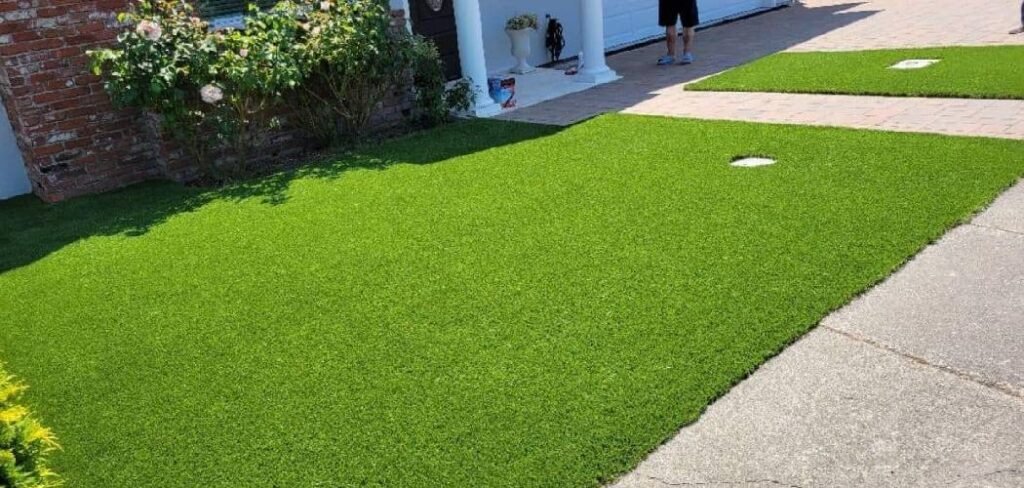
Why Does Your Lawn Become Muddy?
Before we learn how to repair muddy lawn, we need to understand why lawns get muddy. Several things can cause this problem:
Poor Drainage: When water cannot flow away from your lawn, it stays on top and makes mud. Clay soil holds water longer than sandy soil.
Heavy Foot Traffic: Walking on wet grass damages the roots and makes the soil packed down tight. This stops water from soaking into the ground.
Lack of Grass: Areas with thin or dead grass have no roots to hold the soil together. Rain washes the soil away and creates muddy spots.
Wrong Soil Type: Some soils naturally hold more water. Clay soil is heavy and does not let water pass through easily.
8 Step-by-Step Guide on How to Repair Muddy Lawn
Step 1: Stop Using the Muddy Area
The first step in how to repair muddy lawn is to stay off the muddy spots. Walking on wet, muddy grass makes the problem worse. Put up small barriers or signs to keep people and pets away from these areas until they dry out.
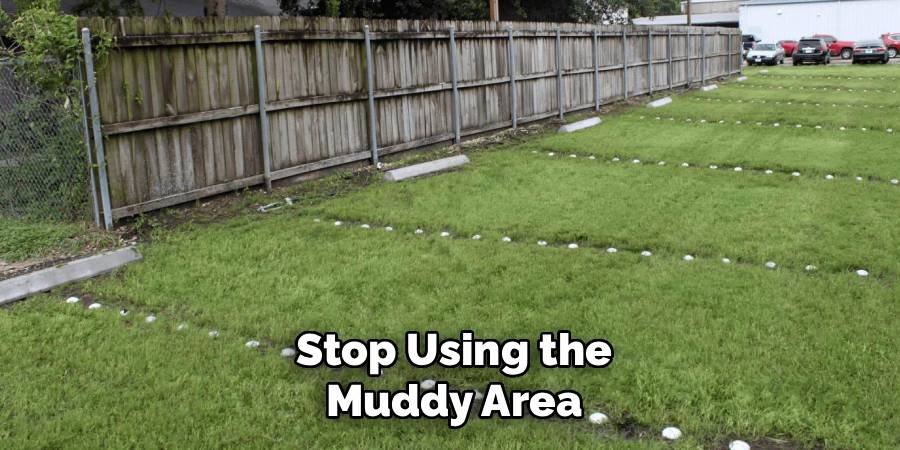
Wait for the soil to dry before starting any repair work. This might take several days or weeks, depending on the weather. Trying to fix muddy lawn when it is still wet will not work well.
Step 2: Check Your Drainage System
Look around your yard to find where water comes from and where it goes. Check if gutters are working right and not dumping water in the wrong places. Make sure water flows away from your house and lawn.
If you have low spots in your yard, water will collect there and make mud. You might need to add soil to make these areas higher. Good drainage is key to preventing muddy lawns in the future.
Step 3: Remove Dead Grass and Debris
Once the area is dry, remove all dead grass, leaves, and other debris from the muddy spots. Use a rake to clean the area well. Dead grass cannot help hold soil together, so it needs to go. If the grass is just damaged but still alive, you can leave the healthy parts. Only remove grass that is completely dead or very thin.
Step 4: Fix the Soil
The soil in muddy areas is often packed down hard. This is called soil compaction. You need to break up this hard soil so water can soak in better.
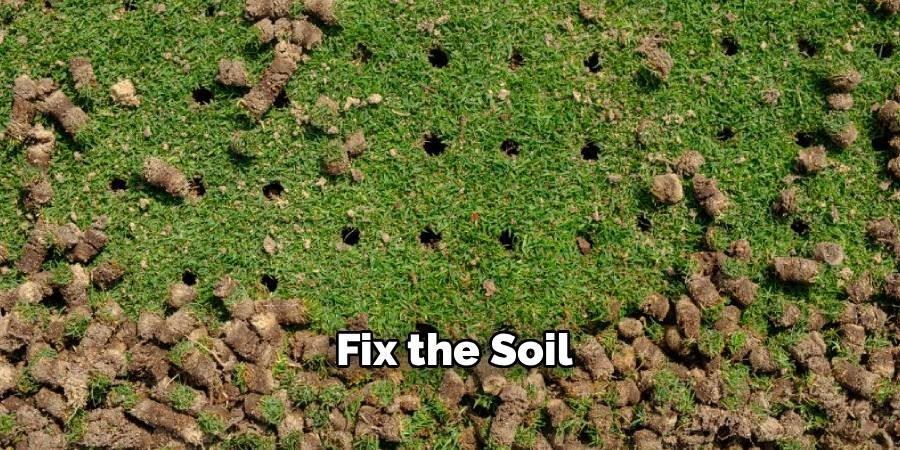
Use a garden fork or aerator to make holes in the soil. Push the tool down about 4 inches deep and wiggle it around. Do this every 6 inches across the muddy area. If your soil has too much clay, add some sand and organic matter like compost. This helps water drain better and gives grass roots a good place to grow.
Step 5: Level the Ground
Fill in any holes or low spots with good quality soil. The ground should be mostly flat but slope away from your house slightly. This helps water flow away instead of collecting in pools. Use a rake to smooth the soil surface. The soil should be firm but not packed down hard. Gently pat it down with the back of the rake.
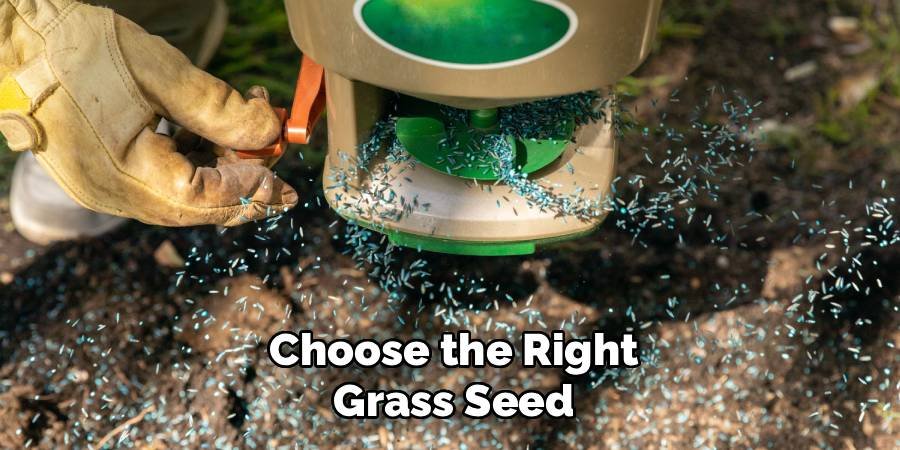
Step 6: Choose the Right Grass Seed
Pick grass seed that works well in your area and soil type. Some grass types grow better in wet conditions than others. Ask at your local garden center which grass seed works best for your climate. For areas that stay damp, try grass varieties like tall fescue or perennial ryegrass. These types can handle more water than other grass types.
Step 7: Plant New Grass
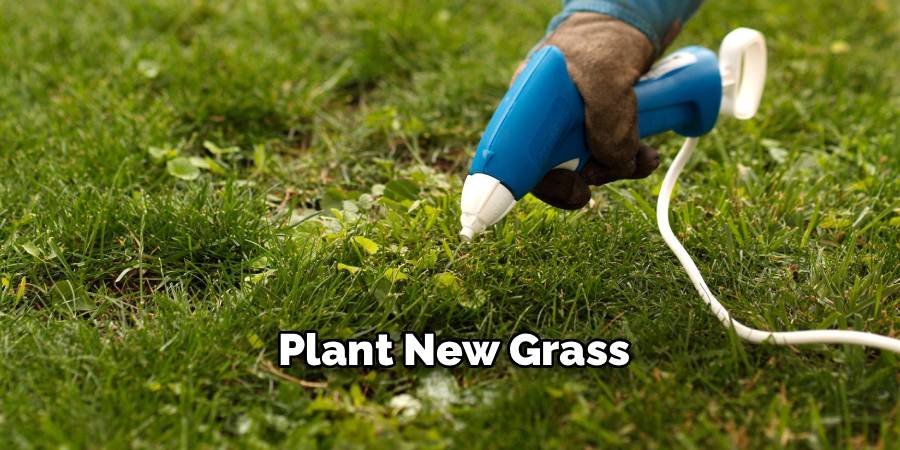
Spread grass seed evenly over the prepared soil. Use about 2-3 pounds of seed per 1000 square feet. Rake lightly to mix the seed into the top layer of soil. Water the seeded area gently every day to keep the soil moist but not soaked. Use a sprinkler that makes a fine spray instead of heavy drops that can wash seeds away.
Step 8: Protect the New Grass
Cover the seeded area with a thin layer of straw or grass clippings. This helps keep the soil moist and protects seeds from birds and heavy rain.
Keep people and pets off the area until new grass is about 3 inches tall. This usually takes 3-4 weeks, depending on the type of grass seed you used.
How to Prevent Future Muddy Lawn Problems
Improve Drainage
Install drainage tiles or French drains in areas where water collects. These systems carry water away from your lawn to prevent mud from forming.
Make sure your gutters and downspouts direct water away from lawn areas. Use splash blocks or underground pipes to move water to better locations.
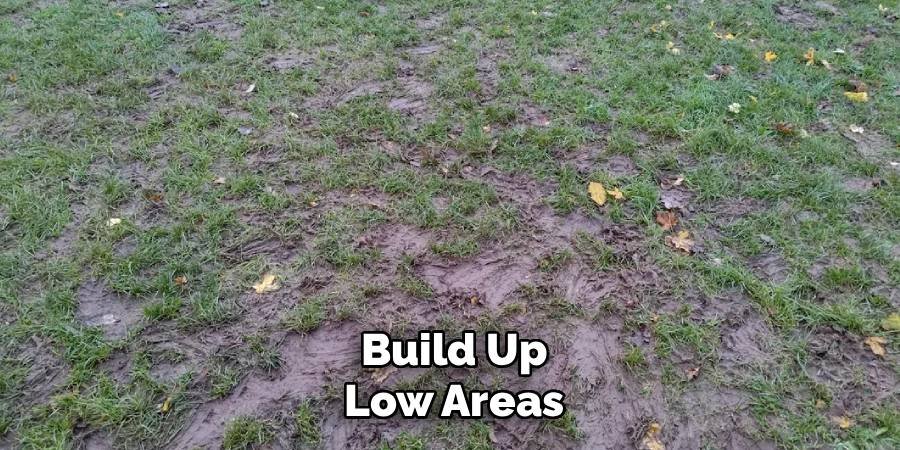
Build Up Low Areas
Add soil to low spots in your yard where water naturally collects. Grade your lawn so water flows toward storm drains or other safe areas. Consider creating rain gardens in naturally wet areas. These special gardens are designed to handle extra water and can look very pretty.
Choose Better Grass Types
Plant grass varieties that can handle wet conditions better. Native grass types often work well because they are used to local weather patterns.
Keep your existing grass healthy with regular feeding and proper mowing. Healthy grass has strong roots that hold soil together better.
Control Foot Traffic
Create pathways using stepping stones or walkways in areas where people walk often. This protects the grass from getting damaged and muddy.
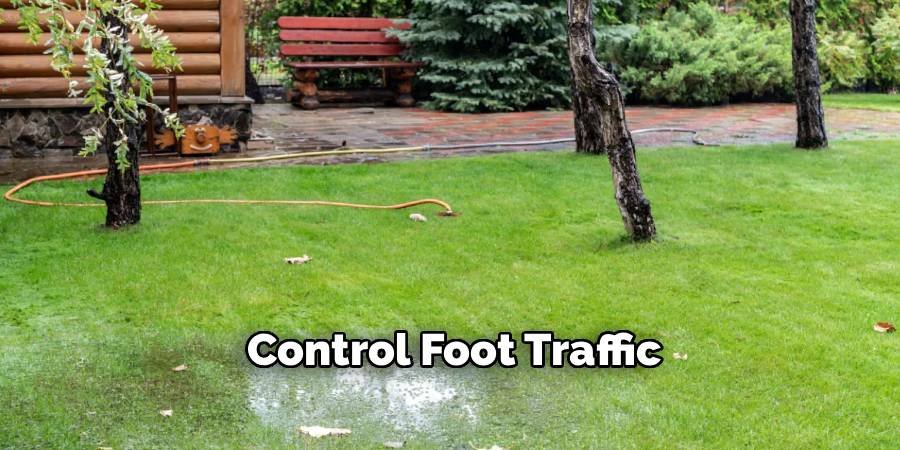
During wet seasons, ask family and guests to use main walkways instead of cutting across the lawn.
FAQs
Q1: How long does it take to repair a muddy lawn?
Repairing a muddy lawn usually takes 4-8 weeks from start to finish, depending on several factors. The first step is waiting for the muddy area to dry completely, which can take 1-2 weeks depending on weather conditions. Once dry, preparing the soil and planting grass seed takes about a day of work.
After seeding, grass typically starts growing in 7-14 days, but it takes 3-4 weeks to become thick enough to walk on safely. Full establishment of new grass happens in 6-8 weeks under good growing conditions. During this time, you need to water regularly and keep traffic off the area.
Weather plays a big role in timing. Cool, wet weather slows grass growth, while warm, sunny conditions with regular watering speed up the process. The type of grass seed you choose also affects timing – some varieties grow faster than others. Fast-growing grasses like perennial ryegrass establish quicker than slower types like fine fescue.
Q2: What type of grass seed works best for muddy areas?
Tall fescue and perennial ryegrass are the best grass types for areas that tend to get muddy because they can handle wet conditions better than other varieties. Tall fescue has deep roots that help it survive in heavy, clay soils that often cause muddy problems. It also grows thick, which helps hold soil together and prevent erosion.
Perennial ryegrass germinates quickly, usually within 7-10 days, making it good for fast repairs. It creates a dense mat of roots that stabilizes soil well. For very wet areas, seed mixes that include these grasses work well because they combine different strengths.
Avoid grass types like Bermuda grass or Zoysia in muddy areas because they prefer well-drained soil and may not establish well in wet conditions. Fine fescue can work in some muddy situations but grows more slowly. Ask your local garden center or extension office which grass varieties work best in your specific climate and soil conditions, as regional differences matter a lot for grass success.
Q3: Can I use sand to fix muddy lawn problems?
Sand can help fix muddy lawn problems, but you must use it correctly or it can make things worse. Pure sand alone should never be added to clay soil because it can create a concrete-like mixture that drains even worse than before. Instead, sand works best when mixed with organic matter like compost or peat moss.
The right mixture is about 30% sand, 30% organic matter, and 40% existing soil. This combination improves drainage while still providing nutrients for grass growth. Use coarse sand rather than fine sand, as fine sand can actually reduce drainage instead of improving it.
Before adding sand, test your soil to understand what type you have. If your soil is mostly clay, you might need to add quite a bit of sand and organic matter to see improvement. For small muddy areas, it might be easier and cheaper to replace the soil entirely rather than trying to amend it. Always mix amendments thoroughly into existing soil rather than just laying them on top, as layered soils can create drainage problems.
Q4: How do I know if my muddy lawn problem is caused by drainage issues?
You can identify drainage problems by watching how water behaves in your yard during and after rain. If water pools on your lawn for more than 24 hours after rain stops, you likely have drainage issues. Look for areas where water sits in puddles or where the ground stays soggy long after other areas have dried.
Check the slope of your yard – water should flow away from your house and toward storm drains or other outlets. If water flows toward your house or sits in low spots, this indicates drainage problems that contribute to muddy lawns. You can test drainage by digging a hole about 12 inches deep and filling it with water. If the water takes more than 24 hours to drain away, you have poor drainage.
Other signs include water stains on your house foundation, gutters that overflow or dump water onto the lawn, and areas where grass consistently dies or grows poorly. Sometimes drainage problems come from underground issues like broken pipes or natural springs. If you suspect serious drainage problems, consider hiring a professional to evaluate your yard and recommend solutions like drainage tiles or French drains.
Q5: Is it better to seed or use sod for repairing muddy areas?
Both seeding and sod can work for repairing muddy areas, but each has advantages depending on your situation and budget. Grass seed costs much less than sod and gives you more variety in grass types, including varieties specifically bred for wet conditions. Seeded grass also tends to develop stronger root systems because it grows in place from the beginning.
However, sod provides instant results and immediately helps prevent erosion and mud formation. This makes sod better for steep slopes or areas where you need quick establishment. Sod also works better if you have trouble keeping seeded areas consistently watered, as established sod is more forgiving of watering mistakes.
For muddy areas, seeding often works better because you can choose grass varieties specifically suited for wet conditions. Sod farms typically grow grass varieties that work in average conditions, which might not be ideal for problem areas. The key with either method is proper soil preparation – fixing drainage and improving soil structure before planting. If budget allows, you might consider using sod for highly visible areas and seed for larger or less critical spots.
Conclusion
Learning how to repair muddy lawn takes some time and effort, but the results are worth it. Start by staying off muddy areas and letting them dry completely. Fix any drainage problems in your yard to prevent future issues. Remove dead grass, improve the soil, and plant the right type of grass seed for your conditions.
Remember that preventing muddy lawns is easier than fixing them. Keep your grass healthy, improve drainage around your home, and avoid walking on wet grass. With proper care and the right approach, you can transform your muddy yard into a beautiful, healthy lawn that you can enjoy year-round. Following these simple steps will help you successfully repair your muddy lawn and keep it looking great for years to come.

About Ravuk Barg
B.Sc. Horticulture Science | Certified Master Gardener
Ravuk Barg has spent more than a decade with his hands in the soil and his head full of questions about why some gardens thrive while others struggle. What started as a single raised bed of tomatoes and basil in a modest backyard has grown into a deep, working knowledge of everything from seed germination and soil amendment to companion planting and seasonal pruning.
Over the years, Ravuk has gardened through drought summers, waterlogged springs, and pest invasions that would make most gardeners hang up their trowels for good. Those hard seasons, he’ll tell you, taught him more than any perfect growing year ever could. He writes from that earned experience—covering vegetable growing, ornamental planting, houseplant care, composting, and garden design with equal confidence and curiosity.
Philosophy & Approach
Ravuk’s approach to gardening is rooted in practicality. He favors organic methods not out of dogma, but because they work long-term—resulting in healthier soil, fewer inputs, and stronger plants. He has a particular fondness for heirloom vegetable varieties (the kind with proper flavor), unruly cottage-style flower beds, and the stubborn houseplants that everyone else gave up on.
The Mission: Give readers the honest, experience-backed advice that helps them actually succeed in their gardens—not just the ideal version, but the real one; weeds, failures, and all.
Education & Credentials
-
B.Sc. in Horticulture Science
-
Greenfield Agricultural University
-
Focus: Plant Physiology, Soil Ecology, and Sustainable Crop Production
-
-
Master Gardener Certification
-
Cooperative Extension Service
-
Focus: 200+ hours of hands-on practical training and community garden work
-
Continuing Education
-
Organic Pest Management
-
Native Plant Landscaping
-
Sustainable Crop Production