

Knowing how to empty lawn mower gas is an important skill for maintaining your equipment and extending its lifespan. Whether preparing your lawn mower for off-season storage or addressing a repair, removing old gasoline prevents problems like engine blockages caused by stale fuel. Over time, gasoline can degrade and lead to the buildup of harmful deposits in your tank and carburetor. Regularly clearing out old gas ensures your mower operates efficiently when needed. This proactive step protects your investment and keeps your lawn care running smoothly.
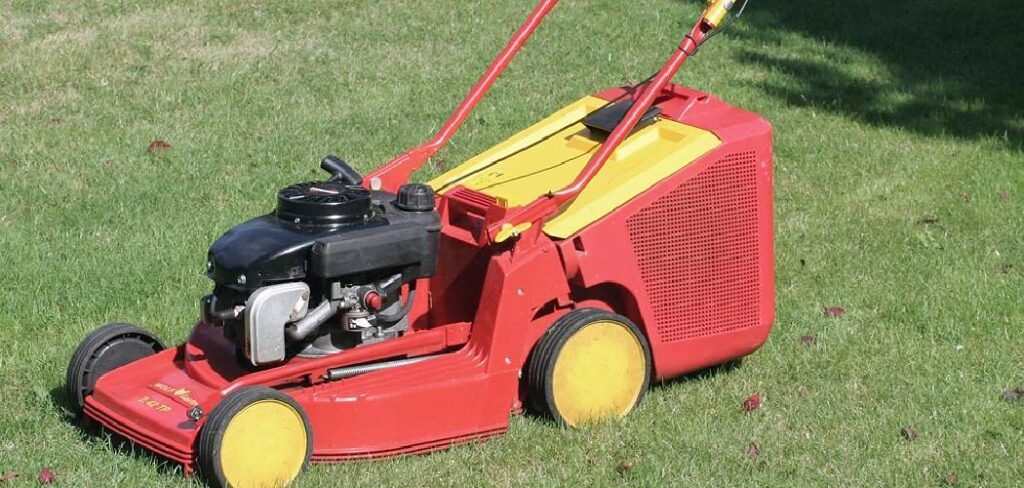
Why You Need to Empty Lawn Mower Gas
Leaving gas in your lawn mower, especially during extended periods of inactivity, poses several risks. Gasoline left in the tank can become stale, leading to clogs in the fuel system. These clogs can damage essential components, like the carburetor, and reduce overall engine efficiency. Additionally, water vapor can mix with old fuel, increasing the chance of rust and corrosion inside the tank. By emptying the gas, you avoid costly repairs and ensure that your mower is ready to use when the next mowing season begins.
Another important maintenance task for your lawn mower is to regularly check and change the oil. Just like with a car, clean and fresh oil is essential for keeping your mower’s engine running smoothly. Over time, the oil can become dirty and contaminated with debris, reducing its effectiveness in lubricating and protecting the engine. It is recommended to change the oil every 25 hours of use or at least once a mowing season.
In addition to regular maintenance tasks, there are also some simple steps you can take while using your lawn mower to help keep it in good condition. For example, avoid mowing over large rocks or sticks that could potentially damage the blades or other parts of the mower. Also be
9 Methods Guide: How to Empty Lawn Mower Gas
Emptying the gas from your lawn mower is a straightforward process, and there are multiple methods depending on your mower’s design and the tools you have available. Below are eight effective approaches to safely remove gasoline from your mower.
1. Using a Siphon Pump
A siphon pump is an excellent tool for transferring gasoline from your lawn mower’s tank to an external fuel container. Begin by placing the tip of one hose into the mower’s fuel tank and the other into a storage container rated for gasoline. Use the pump to create suction, which will move the gas from the tank into the container. This method is safe and minimizes spillage, but be sure to work outdoors or in a well-ventilated area to avoid inhaling gasoline fumes.
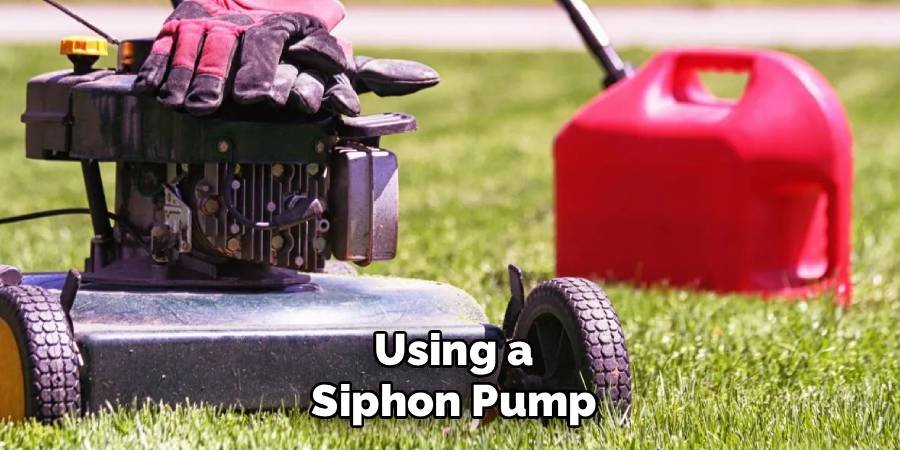
Benefits of Using a Siphon Pump
- Minimizes Spillage: One of the biggest benefits of using a siphon pump is that it minimizes the risk of spillage. This is especially important when dealing with flammable liquids like gasoline, which can be dangerous if spilled.
- Saves Time and Effort: Using a siphon pump makes the process of transferring gasoline much quicker and easier compared to other methods such as pouring or using a funnel. The pump creates suction and does most of the work for you, saving you time and effort.
- Versatile: Siphon pumps are also versatile tools that can be used for various purposes, not just for transferring gasoline
2. Draining Through the Fuel Line
If your mower has a removable fuel line connected to the carburetor, you can use it to drain the tank. Turn off the mower and locate the fuel line. Detach it carefully, letting the gasoline flow into a catch container positioned beneath the mower. Be prepared for gravity to handle the draining process naturally, and reattach the line securely once you’ve removed all the gas.
3. Running the Mower Dry
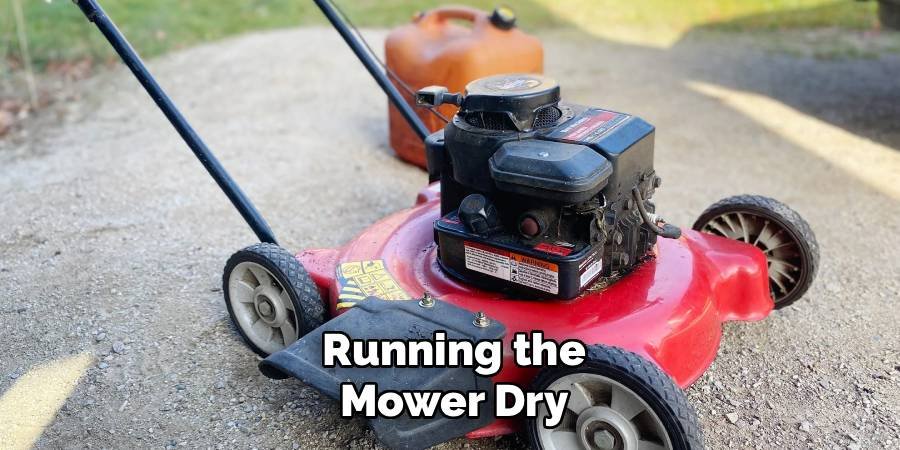
One of the simplest approaches involves running your lawn mower until it exhausts all the gasoline in the tank. Start the engine and leave the mower running outdoors in a safe location. This step ensures that no fuel remains in the carburetor or engine, reducing the risk of clogs. While this method can take longer, especially with a full tank, it’s highly effective and does not require additional tools.
4. Removing Gas Manually with a Turkey Baster
A turkey baster or similar small siphoning device can be used for smaller mowers with shallow tanks. Insert the tip of the baster into the tank, squeeze to draw out gas, and then release it into a fuel-safe container. Repeat this process until the tank is empty. It’s a more hands-on method, but it’s useful for removing small amounts of fuel.
5. Draining via the Tank Plug
Some lawn mowers have a dedicated tank plug at the bottom of the fuel tank, designed for easy draining. Make sure the engine is off and place a container beneath the tank before unscrewing the plug. Allow the gas to flow out completely. If your mower lacks a plug, check the owner’s manual for draining alternatives.
6. Using a Wet-Dry Vacuum with the Right Attachment
A wet-dry vacuum can also be utilized, provided you have the right attachments and safety precautions in place. Attach a fuel-safe hose to the vacuum and carefully remove the gas, emptying the liquid into a safe container. This method works best when you need to quickly remove a larger amount of gasoline. Always monitor the process, as the vacuum must be suited for liquid use to avoid malfunctions.
7. Draining Gas from the Carburetor Bowl
Many mowers allow users to drain gas directly from the carburetor. Locate the carburetor bowl’s drain screw, usually found at the bottom of the part. Place a container beneath the screw, loosen it, and allow fuel to flow out. Once the gas is completely drained, tighten the screw to close the bowl, ensuring there’s no leaking after you’re done.
8. Tipping the Lawn Mower Over
If other methods aren’t an option, you can tilt the lawn mower gently to pour the gasoline out through the fuel cap opening. Before doing so, check your owner’s manual to confirm you’re tilting the mower in the proper direction to avoid oil spills or damage to internal parts. Use a funnel to direct the fuel into a gas-safe container to minimize wastage and reduce mess.

9. Properly Storing the Gasoline
Once you have removed the gasoline, it is crucial to store it safely in an approved gas container. Ensure the container is tightly sealed to prevent spills and keep it in a cool, dry place away from direct sunlight or any heat sources. Always label the container to indicate the type of fuel and date of storage. This step not only ensures safety but also maintains the fuel’s quality for future use.
It is essential to handle gasoline with care and follow safety guidelines to prevent potential hazards. By following the steps mentioned above, you can safely remove gasoline from your car without causing harm to yourself or the environment. Remember to dispose of the old fuel properly by taking it to a hazardous waste facility, as pouring it down the drain or on the ground can have severe consequences for our planet. Taking precautionary measures and being responsible when dealing with gasoline not only protects us but also helps in preserving our surroundings for future generations.
Maintaining Your Lawn Mower
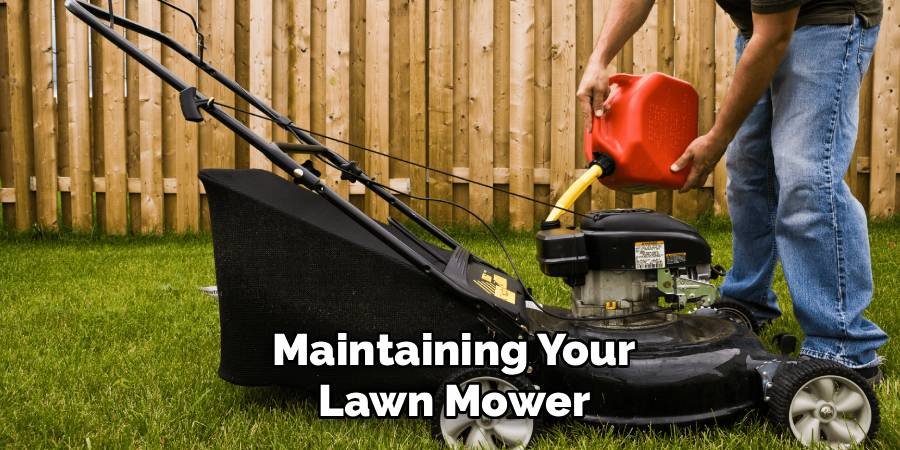
After draining the gas, focus on keeping your mower in tip-top condition. Clean the fuel tank using a cloth or small brush to remove any residue. Inspect the fuel line and carburetor for signs of wear or buildup and clean them if needed. Consider treating the system with a fuel stabilizer to maintain efficiency during future uses. Regular oil changes and overall cleaning also go a long way in extending your mower’s life.
Common Mistakes to Avoid
Avoiding mistakes when emptying lawn mower gas ensures safety and proper maintenance. A common error is not cleaning up spilled fuel promptly, which can damage surfaces and pose a fire hazard. Another mistake is forgetting to clean the tank thoroughly after draining, leaving residue that can affect future performance. Additionally, some people neglect to check their mower’s manual, which may include specific guidance or warnings. Always follow manufacturer recommendations for best results.
FAQ
Can I leave gas in my lawn mower over winter?
No, leaving gasoline in your mower during winter can lead to stale fuel, clogs, and potential engine damage.
What happens if I don’t empty the gas?
Old fuel can degrade, causing gum-like residue to clog the carburetor and result in expensive repairs or a non-starting mower.
Is a siphon pump easy to use?
Yes, siphon pumps are simple and effective. They provide a neat way to transfer gasoline without spilling it.
Can I reuse the drained gasoline?
You can reuse fresh gas, but stale or contaminated fuel should be disposed of properly at a designated recycling facility.
Do electric mowers require gas draining?
No, electric mowers use batteries or cords, so this guide is for gas-powered mowers only.
Conclusion
Learning how to empty lawn mower gas is an essential part of maintaining your equipment and preventing costly repairs. By following any of these eight methods, you ensure your mower remains efficient and ready for use. Regular maintenance, including proper handling of fuel, goes a long way in extending your mower’s life. Take this step today—your lawn will thank you later!

About Ravuk Barg
B.Sc. Horticulture Science | Certified Master Gardener
Ravuk Barg has spent more than a decade with his hands in the soil and his head full of questions about why some gardens thrive while others struggle. What started as a single raised bed of tomatoes and basil in a modest backyard has grown into a deep, working knowledge of everything from seed germination and soil amendment to companion planting and seasonal pruning.
Over the years, Ravuk has gardened through drought summers, waterlogged springs, and pest invasions that would make most gardeners hang up their trowels for good. Those hard seasons, he’ll tell you, taught him more than any perfect growing year ever could. He writes from that earned experience—covering vegetable growing, ornamental planting, houseplant care, composting, and garden design with equal confidence and curiosity.
Philosophy & Approach
Ravuk’s approach to gardening is rooted in practicality. He favors organic methods not out of dogma, but because they work long-term—resulting in healthier soil, fewer inputs, and stronger plants. He has a particular fondness for heirloom vegetable varieties (the kind with proper flavor), unruly cottage-style flower beds, and the stubborn houseplants that everyone else gave up on.
The Mission: Give readers the honest, experience-backed advice that helps them actually succeed in their gardens—not just the ideal version, but the real one; weeds, failures, and all.
Education & Credentials
-
B.Sc. in Horticulture Science
-
Greenfield Agricultural University
-
Focus: Plant Physiology, Soil Ecology, and Sustainable Crop Production
-
-
Master Gardener Certification
-
Cooperative Extension Service
-
Focus: 200+ hours of hands-on practical training and community garden work
-
Continuing Education
-
Organic Pest Management
-
Native Plant Landscaping
-
Sustainable Crop Production