

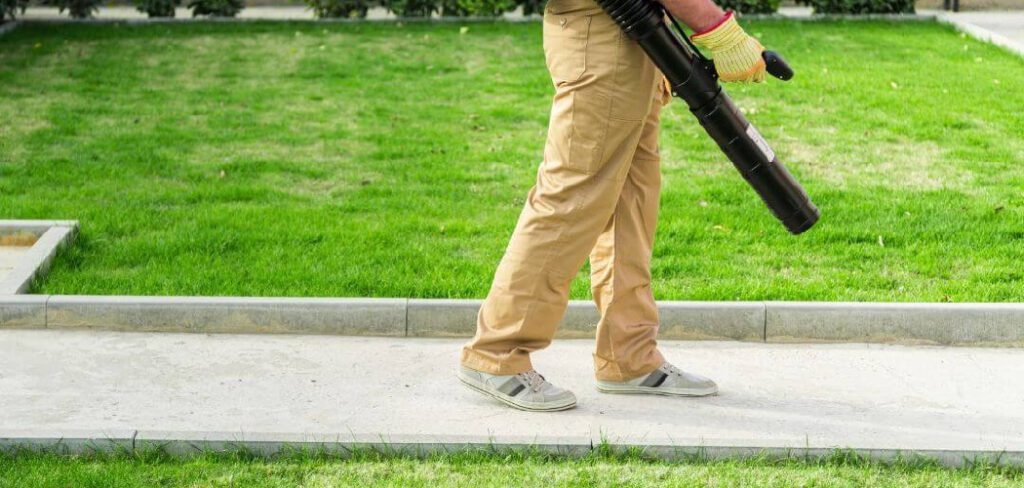
Your trusty leaf blower has cleared countless driveways and lawns, but what happens when it finally gives out? Tossing it in the regular trash isn’t just a bad idea—it can be harmful to the environment and may even be illegal depending on where you live. Leaf blowers contain a mix of metals, plastics, and, in the case of gas-powered models, hazardous fluids that require special handling. This guide provides clear, simple steps on How to Dispose of a Leaf Blower Responsibly the right way. We’ll walk you through everything from draining fluids to finding the perfect recycling facility, ensuring your old tool is handled safely and responsibly.
Why Proper Disposal Matters
Properly disposing of a leaf blower is crucial for several reasons. Gas-powered models contain oil and gasoline, which are hazardous materials. If these substances leak from a landfill, they can contaminate soil and groundwater, posing a significant threat to local ecosystems and drinking water supplies. Electric and battery-powered blowers, while cleaner in operation, contain valuable metals like copper and aluminum that can be recovered and reused.
Recycling these materials reduces the need for new mining operations, which are energy-intensive and environmentally disruptive. Additionally, many municipalities have specific regulations for e-waste and small appliance disposal, and failing to follow them can result in fines. Responsible disposal protects our environment, conserves natural resources, and keeps you compliant with local laws.
8 Step Methods Guide on How to Dispose of a Leaf Blower
Step 1: Drain All Fluids from Gas-Powered Models
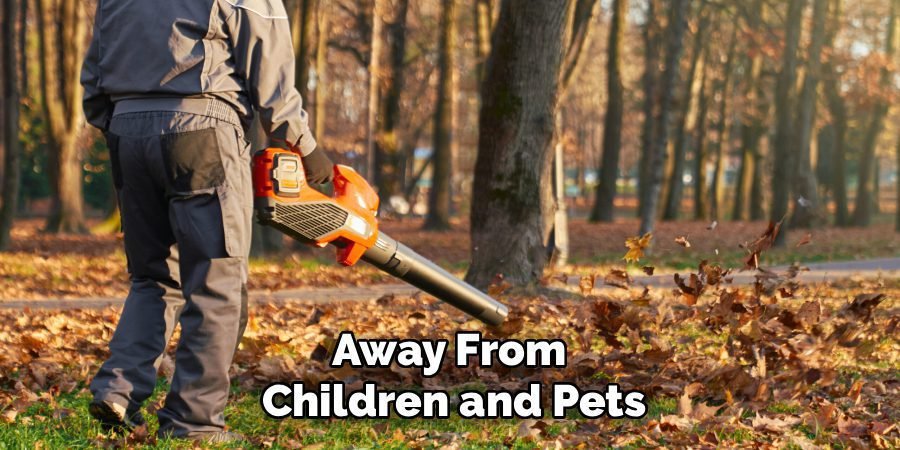
Before you can dispose of a gas-powered leaf blower, you must safely remove all fuel and oil. These fluids are considered household hazardous waste and cannot be thrown in the trash or poured down the drain. To begin, place the leaf blower on a level surface with a designated container underneath to catch the fluids. Carefully open the fuel tank and tip the unit to pour out any remaining gasoline. Next, locate the oil reservoir and drain it into a separate container. Make sure to label both containers clearly and store them in a safe place, away from children and pets, until you can take them to a proper disposal facility.
Step 2: Remove the Battery from Cordless Models
For battery-powered leaf blowers, the first step is to remove the battery pack. Most modern cordless tools use lithium-ion batteries, which contain materials that can be recycled but are also a fire hazard if damaged or disposed of improperly. Never throw these batteries in your household trash or recycling bin. Once you’ve detached the battery from the blower, inspect it for any signs of damage, like swelling or leaking. Store it in a cool, dry place away from flammable materials. Many home improvement stores and electronics retailers have free battery recycling programs, making it convenient to drop off your old power tool batteries.
Step 3: Identify Your Leaf Blower’s Type
Understanding what kind of leaf blower you have is key to finding the right disposal method. There are three main types: gas-powered, corded electric, and battery-powered (cordless). Gas models are treated as small engine equipment and contain hazardous fluids. Corded electric models are simpler, consisting mainly of plastic, metal, and a motor, and are often considered e-waste. Battery-powered blowers are also e-waste, but the battery itself requires separate, special handling. Knowing which type you own will help you communicate effectively with recycling centers and waste management services to ensure it’s processed correctly.
Step 4: Check with Your Local Waste Management Authority
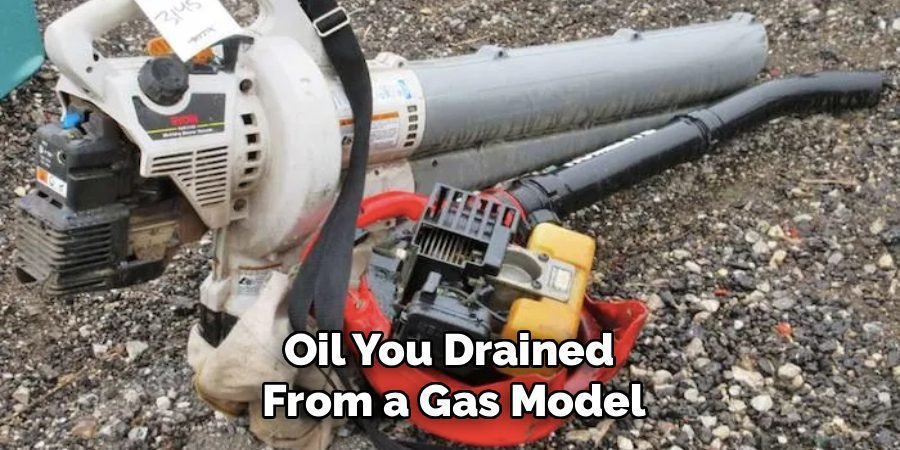
Your city or county’s waste management department is an excellent resource. Visit their website or give them a call to ask about their specific procedures for small appliance or e-waste disposal. Some municipalities offer curbside pickup for bulky items or e-waste on certain days of the year. Others operate designated transfer stations or drop-off sites where residents can bring items like old leaf blowers. They can also provide information on upcoming household hazardous waste collection events, which are perfect for disposing of the gasoline and oil you drained from a gas model.
Step 5: Locate a Local Recycling Center
If your local trash service doesn’t handle small appliances, a dedicated recycling center is your next best option. Search online for “e-waste recycling near me” or “small appliance recycling” to find facilities in your area. Websites like Earth911 allow you to search by item and zip code to find certified recyclers. When you contact a center, specify what type of leaf blower you have (gas or electric) to confirm they can accept it. These facilities are equipped to dismantle the unit, separating plastics, metals, and other components to be repurposed into new products.
Step 6: Inquire at Home Improvement and Garden Stores
Many large home improvement retailers have take-back or recycling programs for old power tools. For example, chains like The Home Depot and Lowe’s often partner with recycling organizations to collect and responsibly dispose of old equipment, especially battery-powered tools. Some may even offer a trade-in discount toward a new purchase when you bring in an old tool. It’s always worth calling your local garden supply or hardware store to ask if they provide this service. This can be one of the most convenient methods, as you can drop off the old unit while shopping for its replacement.
Step 7: How to Dispose of a Leaf Blower by Donating It
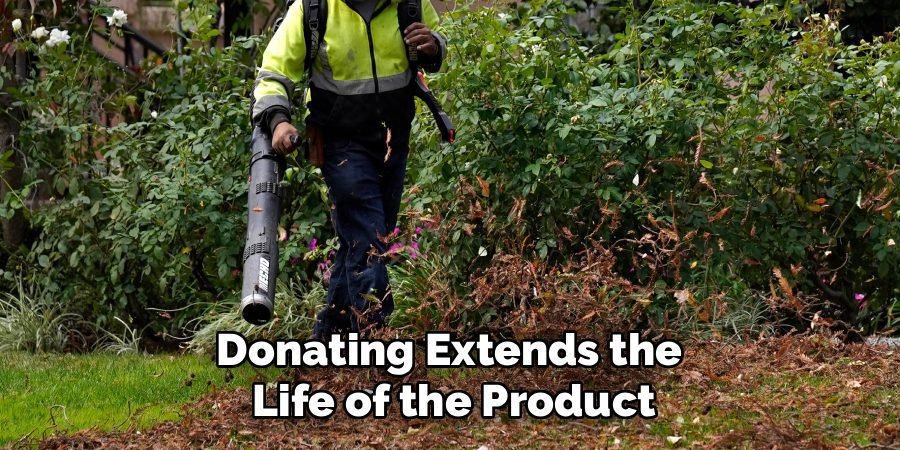
If your leaf blower is still in good working condition but you’ve simply upgraded to a new model, consider donating it. A working tool doesn’t need to be scrapped. Local community gardens, non-profit organizations, or even a neighbor might be grateful for a functional leaf blower. You could also list it for free on platforms like Craigslist, Facebook Marketplace, or Freecycle. Donating extends the life of the product, keeps it out of the waste stream, and helps someone in your community. Just make sure it’s clean and in safe operating condition before passing it on.
Step 8: Prepare the Blower for Drop-Off
Once you have a destination for your old leaf blower, take a moment to prepare it for transport. For corded electric models, neatly wrap the cord around the unit. For gas models, ensure the fluid tanks are completely empty and the caps are screwed on tightly to prevent any residual fumes from escaping. If you are dropping off a cordless model and its battery at the same location, you may be asked to tape over the battery terminals as a safety precaution. This final preparation makes the drop-off process smoother and safer for you and the recycling center staff.
Locate a Certified Recycling Center
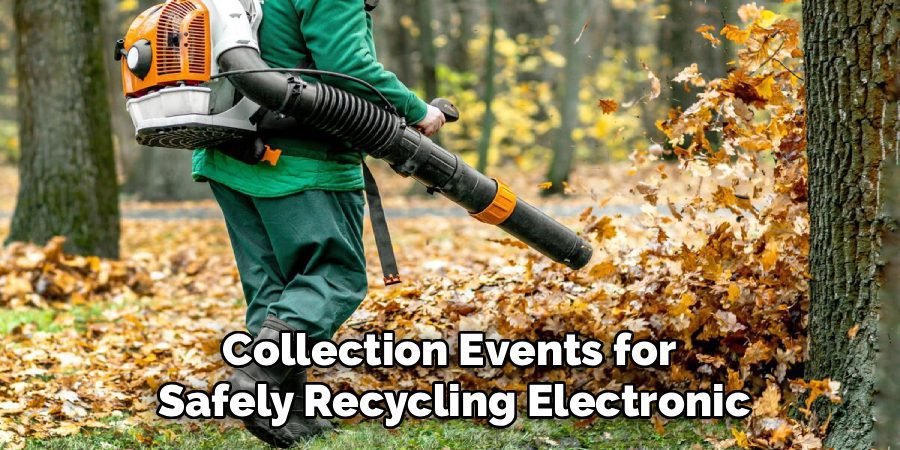
Once your equipment is prepared, the next step is to locate a certified recycling center in your area. Many communities have designated facilities or collection events for safely recycling electronic and gas-powered equipment. You can search online or check with local waste management authorities to find a center near you. Be sure to confirm that the facility accepts the type of equipment you are recycling and inquire about any specific drop-off procedures or requirements. This ensures that your device is handled responsibly and contributes to reducing environmental impact.
Educate Others About Responsible Recycling
Share your knowledge about responsible recycling with friends, family, and your community. Many people are unaware of the proper ways to dispose of electronic and gas-powered equipment, so spreading awareness can make a significant difference. Encourage others to utilize designated recycling facilities and follow eco-friendly practices. By working together, we can minimize waste, prevent harmful materials from polluting the environment, and promote a more sustainable future.
Support Local Sustainability Initiatives
Get involved in local sustainability programs and initiatives in your community. Many organizations and grassroots groups focus on promoting eco-conscious practices, such as clean-up drives, tree-planting events, or educational workshops. By participating in these activities, you not only contribute to a healthier environment but also inspire others to take similar actions. Supporting these initiatives strengthens community bonds and amplifies collective efforts toward a greener planet.
Frequently Asked Questions (FAQ)
Can I Put an Electric Leaf Blower in the Regular Trash?
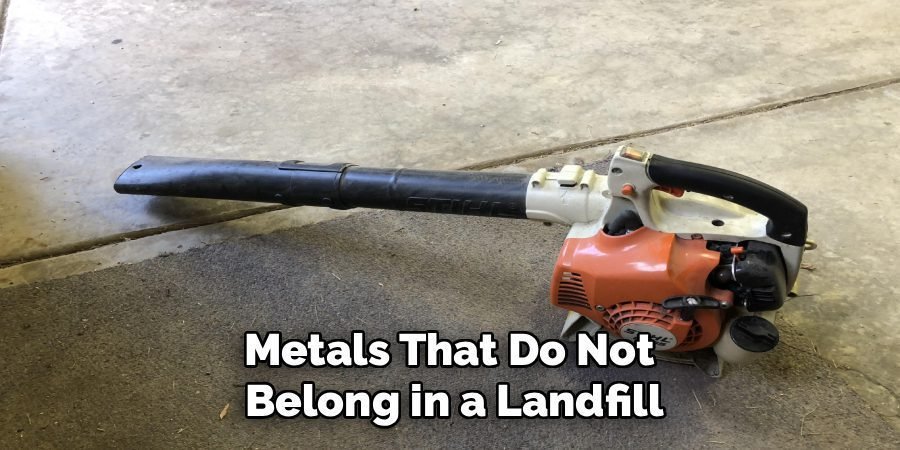
No, you should not put an electric leaf blower in your regular trash bin. These devices are considered electronic waste, or e-waste, because they contain motors, circuitry, and metals that do not belong in a landfill. Tossing them in the trash means valuable materials that could be recycled are lost forever. Instead, take it to a designated e-waste recycling facility or check if your local municipality has a special collection program for small appliances.
What Do I Do with the Old Gas and Oil?
The old gasoline and oil drained from a leaf blower are considered household hazardous waste (HHW). Never pour them down the drain, on the ground, or into a storm sewer. Store the fluids in separate, clearly labeled, sealed containers. Most communities have HHW collection facilities or host periodic collection events where you can drop off these materials for free. Some auto parts stores also accept used motor oil for recycling.
Are There Any Stores That Take Old Leaf Blowers?
Yes, many retailers that sell power tools also offer recycling programs. Large home improvement stores like The Home Depot and Lowe’s often have take-back programs for rechargeable batteries and may accept the tools themselves. It’s a good idea to call your local store ahead of time to confirm their policy. Some brands also sponsor mail-in recycling programs, so check the manufacturer’s website for more information on their sustainability initiatives.
Can a Broken Leaf Blower Be Repaired?
Before deciding on disposal, consider if the leaf blower can be repaired. Many issues, such as a clogged carburetor on a gas model or a faulty switch on an electric one, are fixable. Local small engine repair shops can often diagnose and fix problems for a reasonable cost. Repairing the tool is the most sustainable option, as it extends its life and avoids creating waste altogether. Check for tutorials online for simple fixes you might even be able to do yourself.
How Do I Dispose of a Leaf Blower Battery?
Leaf blower batteries, especially lithium-ion ones, must be recycled properly and never thrown in the trash. They pose a serious fire risk in garbage trucks and landfills. Most home improvement and electronics stores offer free battery recycling drop-off bins. Organizations like Call2Recycle have drop-off locators on their websites to help you find a convenient spot. Before recycling, it’s a good safety practice to tape over the battery’s contact points with clear or electrical tape.
Conclusion
Disposing of an old leaf blower doesn’t have to be a complicated task. By taking a few simple steps—draining fluids, removing batteries, and identifying the right disposal facility—you can ensure your old tool is handled in a way that is safe, legal, and environmentally conscious. Whether you choose to recycle, donate, or use a retailer take-back program, you are making a positive choice to keep hazardous materials and valuable resources out of landfills. The next time you need to figure out how to dispose of a leaf blower, you’ll have the knowledge to do it with confidence.

About Ravuk Barg
B.Sc. Horticulture Science | Certified Master Gardener
Ravuk Barg has spent more than a decade with his hands in the soil and his head full of questions about why some gardens thrive while others struggle. What started as a single raised bed of tomatoes and basil in a modest backyard has grown into a deep, working knowledge of everything from seed germination and soil amendment to companion planting and seasonal pruning.
Over the years, Ravuk has gardened through drought summers, waterlogged springs, and pest invasions that would make most gardeners hang up their trowels for good. Those hard seasons, he’ll tell you, taught him more than any perfect growing year ever could. He writes from that earned experience—covering vegetable growing, ornamental planting, houseplant care, composting, and garden design with equal confidence and curiosity.
Philosophy & Approach
Ravuk’s approach to gardening is rooted in practicality. He favors organic methods not out of dogma, but because they work long-term—resulting in healthier soil, fewer inputs, and stronger plants. He has a particular fondness for heirloom vegetable varieties (the kind with proper flavor), unruly cottage-style flower beds, and the stubborn houseplants that everyone else gave up on.
The Mission: Give readers the honest, experience-backed advice that helps them actually succeed in their gardens—not just the ideal version, but the real one; weeds, failures, and all.
Education & Credentials
-
B.Sc. in Horticulture Science
-
Greenfield Agricultural University
-
Focus: Plant Physiology, Soil Ecology, and Sustainable Crop Production
-
-
Master Gardener Certification
-
Cooperative Extension Service
-
Focus: 200+ hours of hands-on practical training and community garden work
-
Continuing Education
-
Organic Pest Management
-
Native Plant Landscaping
-
Sustainable Crop Production