

Soil pollution is a serious environmental problem that affects millions of acres of land worldwide. When soil is contaminated with harmful chemicals, heavy metals, or toxins, it can harm the health of plants, animals, and humans. Learning how to clean contaminated soil is essential for protecting our environment and making land safe for future use.
Soil contamination occurs when hazardous substances are introduced into the soil. This can happen due to industrial activities, chemical spills, improper waste disposal, or old mining operations. The good news is that there are many effective ways to clean up contaminated soil and restore it to a healthy state.
Understanding Soil Contamination
Before learning how to clean contaminated soil, we need to understand what makes soil dirty. Soil contamination happens when harmful substances mix with clean earth. These pollutants can include heavy metals like lead and mercury, petroleum products, pesticides, and industrial chemicals.
Common sources of soil pollution include factories, gas stations, landfills, and farms where large amounts of chemicals are used. When these substances enter the soil, they can remain there for years, making the land unsafe for growing food or building homes. Testing the soil is the first step in any cleanup process. Scientists collect samples from different areas and test them in a laboratory. This helps them understand what types of pollutants are present and how much cleanup is needed.
10 Effective Methods on How to Clean Contaminated Soil
1. Bioremediation Process
One of the most natural ways to clean up contaminated soil is through bioremediation. This method uses living organisms like bacteria, fungi, and plants to break down harmful chemicals. These tiny helpers eat the pollutants and turn them into harmless substances. The bioremediation process works slowly but safely. Scientists add special microorganisms to dirty soil, providing them with nutrients to help them grow. Over time, these organisms naturally multiply and clean the soil. This method works well for cleaning up oil spills and many organic chemicals.
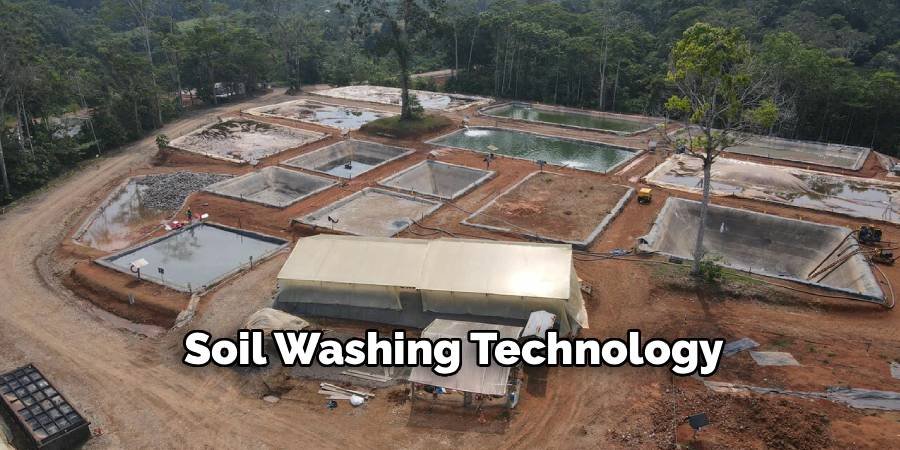
2. Soil Washing Technology
Soil washing is a physical cleaning method that separates contaminants from clean soil. This technique works like washing dirty clothes, but for soil. The contaminated soil is mixed with water and a special cleaning solution. During the washing process, the clean soil particles are separated from the dirty clothes. The clean soil can then be returned to the soil, while the contaminated parts are treated separately. This method is fast and works well for many types of contamination.
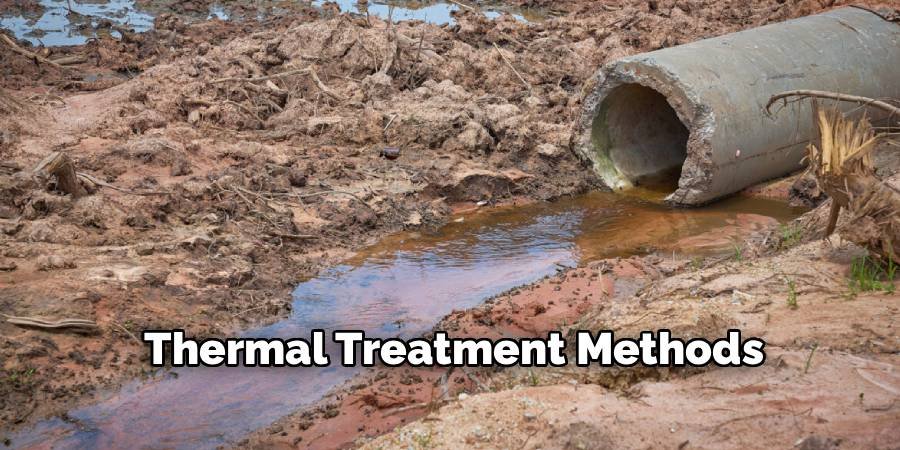
3. Thermal Treatment Methods
Thermal treatment uses heat to remove or destroy contaminants in soil. This method works by heating the contaminated soil to very high temperatures. The heat either burns off the harmful chemicals or vaporizes them into gases that can be captured and treated.
There are several types of thermal treatment, including incineration and thermal absorption. These methods are very effective but can be expensive. They work best for soils that contain organic contaminants that can be destroyed by heat.
4. Chemical Oxidation
Chemical oxidation is a method of soil remediation that uses powerful chemicals to break down pollutants. Special oxidizing agents are mixed with contaminated soil to destroy harmful substances at the molecular level.
This process occurs quickly and can clean the soil without removing it. Chemicals used include hydrogen peroxide, ozone, and permanganate. Chemical oxidation works well for many organic pollutants but must be carefully controlled to avoid creating new problems.
5. Electrochemical Remediation
Electrochemical remediation uses electricity to clean contaminated soil. Electrodes are placed in the soil and an electric current is applied. This electricity helps move the contaminants through the soil so they can be collected and removed. This method works especially well for removing heavy metals from clay soils. The electric field moves the charged particles toward a collection point where they can be captured. This is a precise method that can target specific areas of contamination.
6. Phytoremediation Techniques
Phytoremediation uses plants to naturally clean contaminated soil. Special plants that can absorb pollutants through their roots grow in polluted soil. These plants take up harmful chemicals and store them in their leaves and stems. Some plants can absorb heavy metals, while others can break down organic pollutants. Sunflowers, willow trees, and Indian mustard are commonly used for phytoremediation. This method is slow but environmentally friendly and cost-effective.
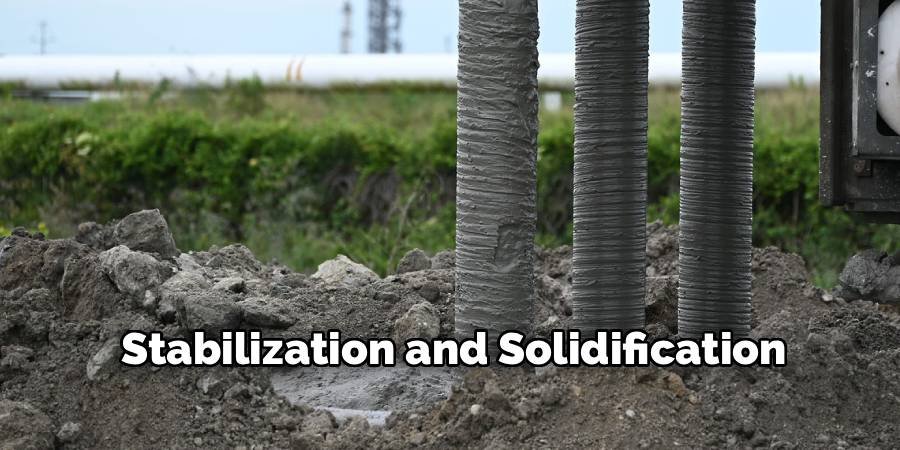
7. Stabilization and Solidification
Stabilization and solidification methods make pollutants less dangerous by trapping them in the soil. Rather than removing the pollution, these techniques prevent it from spreading or causing harm. Cement, lime, or other binding materials are mixed with the contaminated soil. This creates a solid substance that holds the pollutants in place. While the chemicals are still there, they cannot move through the environment or cause harm.
8. Air Sparging Systems
Air sparging involves pumping air into contaminated groundwater and soil below the water table. The injected air helps to remove contaminants that are dissolved in the groundwater or trapped in the pores of the soil. As air bubbles rise through the contaminated area, they carry the contaminants to the surface where they can be captured and treated. This method works well for gasoline, solvents, and other chemicals that can evaporate easily.
9. Permeable Reactive Barriers
Permeable reactive barriers are underground walls that clean contaminated groundwater as it flows through. These barriers are placed in the path of contaminated groundwater so that it can be naturally purified. Barrier materials may include iron filings, activated carbon, or other materials that react with pollutants. As the contaminated water flows through the barrier, harmful chemicals are removed or neutralized. This creates a permanent purification system that operates without electricity or maintenance.
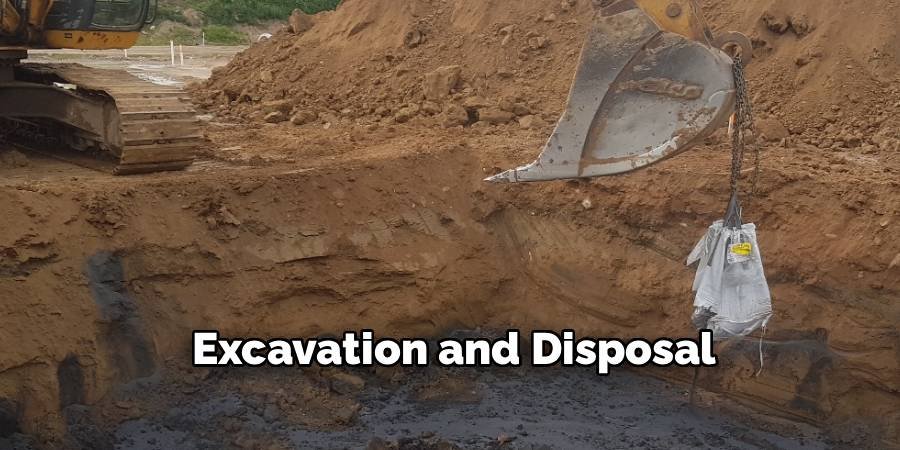
10. Excavation and Disposal
Sometimes the best way to clean up contaminated soil is to excavate and remove it completely. Excavation involves carefully digging up contaminated soil and transferring it to a specialized treatment facility or a safe landfill. Although this method is straightforward and effective, it can be expensive and disruptive. The excavated soil must be carefully handled to prevent the spread of contamination. The removed soil is then replaced with clean soil.
Environmental Remediation Best Practices
Successful soil remediation requires careful planning and monitoring. Before any cleanup project begins, experts must thoroughly study the site. This includes testing the soil and groundwater, identifying all contaminants, and understanding how they move through the environment.
Safety is always a top priority during environmental remediation. Workers must wear protective equipment and follow strict procedures to avoid exposure to harmful chemicals. The surrounding area must also be protected from any contamination that may be spread during cleanup. Monitoring continues throughout the remediation process and even after it is complete. Regular testing ensures that the cleanup is working and that contaminant levels are decreasing. This long-term monitoring helps verify that the site is truly safe for future use.
Choosing the Right Cleanup Method
Choosing the best method for cleaning up contaminated soil depends on a number of factors. The type of contaminant, soil characteristics, location, and budget all influence this decision. Some sites may require a combination of methods to completely clean up.
Fast-acting methods such as excavation or chemical remediation may be necessary if the contamination poses an immediate threat. In less urgent situations, slower but more natural methods such as biological remediation or phytoremediation may be preferred.
Cost is always an important consideration in soil remediation projects. While some methods are expensive up front, they can be more cost-effective in the long run. Environmental experts help property owners choose the most appropriate and affordable cleanup method.
Soil Treatment Regulations
How to clean up contaminated soil is governed by government regulations. These regulations protect public health and the environment by setting acceptable levels of contamination and required cleanup procedures.
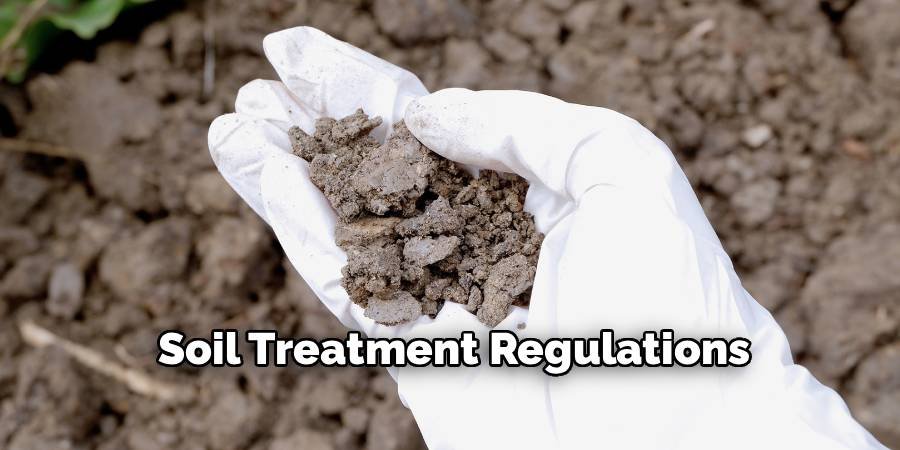
Different countries and regions have their own soil quality standards. Property owners must follow these regulations when cleaning up contaminated land. Failure to comply can result in fines and legal issues. Working with qualified environmental professionals ensures that all regulations are being followed correctly. These experts understand the complex regulations and can guide property owners through the remediation process safely and legally.
Long-term Monitoring and Maintenance
Even after soil remediation is complete, ongoing monitoring is essential. This requires regular testing to ensure that contaminant levels remain low and the cleanup is successful. Some remediation methods require ongoing maintenance to continue to work effectively.
Monitoring programs track changes in soil and groundwater quality over time. If contamination levels begin to increase again, additional remediation may be necessary. This long-term approach ensures that the cleaned sites remain safe for their intended use. Documentation of all monitoring results is important for regulatory compliance and future property transactions. Buyers and regulators need proof that contaminated sites have been properly cleaned and are safe.
Frequently Asked Questions (FAQs)
Q: How long does it take to clean contaminated soil?
Answer: The time required to clean up contaminated soil varies greatly depending on the type and amount of contamination, the cleanup method used, and the site conditions. Simple cleanups can take months, while complex projects can take years.
Q: What are the signs of contaminated soil?
Answer: Signs of soil contamination include unusual odors, discolored soil, dead or unhealthy plants, oily or shiny surfaces, and the presence of drums or containers that may be leaking. However, many contaminants cannot be detected without professional testing.
Q: Can contaminated soil be used for growing food?
Answer: Contaminated soil should never be used for food production until it has been properly tested and cleaned to meet safety standards. Even after remediation, ongoing monitoring may be required to ensure the soil remains safe for farming.
Q: How much does soil remediation cost?
Answer: The cost of soil remediation varies widely depending on the size of the contaminated area, the type of contaminant, the cleanup method used, and the accessibility of the site. Simple projects can cost thousands of dollars, while large industrial cleanups can cost millions of dollars.
Q: Who is responsible for cleaning up contaminated soil?
Answer: The responsibility for cleaning up the soil usually falls on the polluting party. This could be the current property owner, the previous owner, or the company operating the site. Environmental laws help determine who should pay for the remediation.
Conclusion
Learning how to clean contaminated soil is crucial for protecting our environment and public health. The ten effective methods discussed in this guide offer a variety of approaches to soil remediation, from natural bioremediation processes to advanced technological solutions. Each method has its own advantages and is suitable for different types of contamination situations.
Successful soil cleanup requires careful planning, proper method selection, and ongoing monitoring to ensure long-term success. Whether dealing with industrial pollution, chemical spills, or other forms of soil contamination, working with qualified environmental professionals ensures that remediation projects meet all safety and regulatory requirements.
Investing in contaminated soil cleanup pays off by restoring land for productive use, protecting groundwater resources, and creating safer communities. As technology advances, new and more efficient methods for soil remediation will emerge, making it easier and more affordable to restore our damaged lands for future generations.

About Ravuk Barg
B.Sc. Horticulture Science | Certified Master Gardener
Ravuk Barg has spent more than a decade with his hands in the soil and his head full of questions about why some gardens thrive while others struggle. What started as a single raised bed of tomatoes and basil in a modest backyard has grown into a deep, working knowledge of everything from seed germination and soil amendment to companion planting and seasonal pruning.
Over the years, Ravuk has gardened through drought summers, waterlogged springs, and pest invasions that would make most gardeners hang up their trowels for good. Those hard seasons, he’ll tell you, taught him more than any perfect growing year ever could. He writes from that earned experience—covering vegetable growing, ornamental planting, houseplant care, composting, and garden design with equal confidence and curiosity.
Philosophy & Approach
Ravuk’s approach to gardening is rooted in practicality. He favors organic methods not out of dogma, but because they work long-term—resulting in healthier soil, fewer inputs, and stronger plants. He has a particular fondness for heirloom vegetable varieties (the kind with proper flavor), unruly cottage-style flower beds, and the stubborn houseplants that everyone else gave up on.
The Mission: Give readers the honest, experience-backed advice that helps them actually succeed in their gardens—not just the ideal version, but the real one; weeds, failures, and all.
Education & Credentials
-
B.Sc. in Horticulture Science
-
Greenfield Agricultural University
-
Focus: Plant Physiology, Soil Ecology, and Sustainable Crop Production
-
-
Master Gardener Certification
-
Cooperative Extension Service
-
Focus: 200+ hours of hands-on practical training and community garden work
-
Continuing Education
-
Organic Pest Management
-
Native Plant Landscaping
-
Sustainable Crop Production