

A beautiful garden is a place of peace and natural beauty, but functional elements like drain covers can often disrupt the view. These necessary metal or plastic grates, while essential for proper water drainage, are rarely designed with aesthetics in mind. They can stick out like a sore thumb against lush lawns, vibrant flowerbeds, or carefully designed patios.
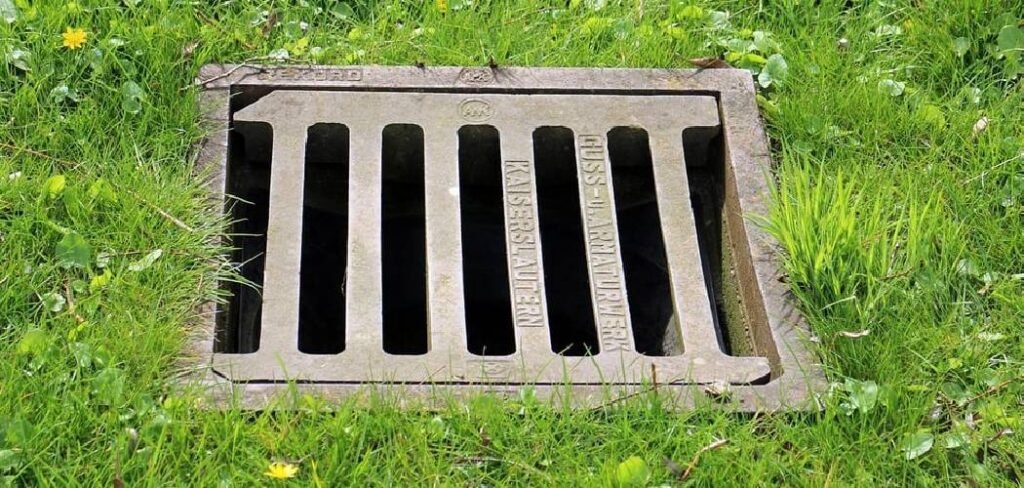
The good news is that you don’t have to live with this eyesore. Learning how to disguise drain covers in garden spaces is a simple and creative project that can dramatically improve the overall look of your outdoor sanctuary. With a few clever tricks and some thoughtful planning, you can seamlessly blend these utility features into your landscape, turning a functional necessity into an attractive, integrated part of your garden’s design.
Why Disguising Drain Covers Matters
Integrating functional elements into a garden’s design is key to creating a cohesive and visually pleasing landscape. Drain covers, while crucial for preventing waterlogging and foundation damage, are industrial in appearance and can detract from the natural, organic feel you work so hard to cultivate. Leaving them exposed can create a jarring visual interruption, breaking the flow of your garden paths, lawns, or patios.
By camouflaging these covers, you elevate the aesthetic quality of your space, ensuring that every element contributes to a unified and intentional design. This small change can have a significant impact, making your garden feel more polished, professional, and truly complete. It’s about transforming a purely practical item into a feature that complements, rather than clashes with, its surroundings.
8 Step-by-Step Guide on How to Disguise Drain Covers in Garden Areas
Step 1: Clean and Prepare the Area
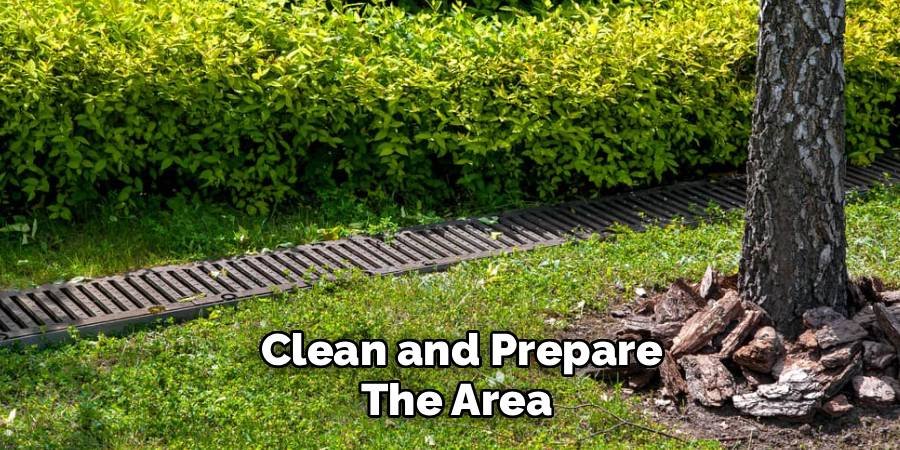
Before you can begin any creative concealment project, it is essential to prepare the drain cover and the surrounding area. Start by thoroughly cleaning the cover itself, removing any built-up dirt, leaves, moss, or rust. A stiff-bristled brush and some soapy water should do the trick. For stubborn rust, a wire brush may be necessary. Ensure the cover is completely dry. Next, clear the immediate vicinity of weeds, overgrown grass, and debris. This preparation creates a clean slate, making it easier to implement your chosen disguise method and ensuring the final result looks neat and professional. It also allows you to accurately assess the size and level of the cover.
Step 2: Utilize Potted Plants Strategically
One of the simplest and most effective ways to hide a drain cover is with potted plants. Choose a variety of pots in different sizes, shapes, and materials to create a visually interesting arrangement. Place a large “hero” pot directly on top of the cover, ensuring it is light enough to be moved easily for access. Surround it with smaller pots to create a natural-looking cluster. This method not only conceals the grate but also adds height, color, and texture to your garden. When selecting plants, consider varieties that have a trailing or cascading habit, as they will soften the edges of the pots and further hide the cover below.
Step 3: Create a Removable Rock Garden
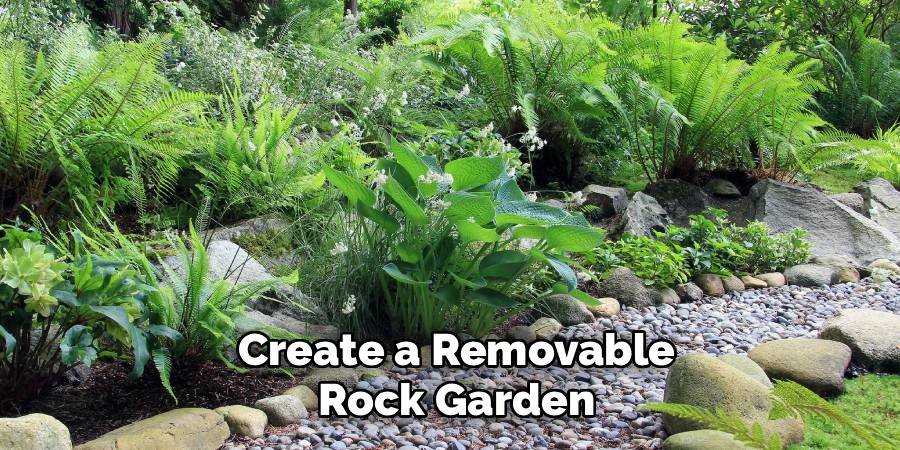
A small, contained rockery can be an excellent and natural-looking solution. To build this, use a shallow tray or a custom-built, bottomless wooden frame that is slightly larger than the drain cover. Fill this container with a mix of gravel, pebbles, and a few larger, decorative stones. You can also tuck in some hardy succulents or alpine plants like sedum or sempervivum, which thrive in shallow, well-drained conditions. This creates a miniature landscape feature that looks entirely intentional. The entire container can be lifted and moved as a single unit whenever you need to access the drain, making it both beautiful and practical.
Step 4: Install a Purpose-Built Drain Cover Disguise
For a seamless and polished look, consider purchasing a purpose-built drain cover disguise. These products are specifically designed to solve this common problem. They often come in the form of decorative planters with false bottoms, hollow artificial rocks, or ornate grates that drop directly over the existing cover. Some are designed to look like small sections of decking or slate paving. These solutions are incredibly convenient because they are lightweight, durable, and instantly effective. They provide immediate concealment while guaranteeing you can access the drain without any fuss, making them a great option for those seeking a quick and reliable fix.
Step 5: Master How to Disguise Drain Covers in Garden Lawns with Turf
If your drain cover is located in the middle of your lawn, the best approach is to make it disappear into the grass. You can achieve this by placing a shallow tray, like a plant pot saucer, on top of the cover. Fill the tray with topsoil and sow it with the same type of grass seed used for the rest of your lawn. Alternatively, you can use a piece of turf cut to size. Water it regularly until it is well-established. This creates a patch of living grass that perfectly matches its surroundings. When you need drain access, you simply lift the tray out.

Step 6: Use Lightweight Garden Ornaments
A well-chosen garden ornament can turn a problem spot into a focal point. Select a feature that complements the style of your garden, such as a birdbath, a sundial, or a durable statue. Ensure the ornament is stable but not excessively heavy, so you can move it when needed. The base of the ornament should be wide enough to completely cover the drain. This technique draws the eye to the decorative feature, effectively making the drain cover beneath it invisible. It’s a clever way to add personality and artistic flair to your garden while solving a practical issue simultaneously.
Step 7: Build a Raised Planter Bed Around It
For a more permanent and integrated solution, consider building a raised planter bed around the drain cover. You can construct the frame from timber sleepers, bricks, or stone blocks, leaving an opening on one side or designing a removable top section for access. Fill the bed with high-quality soil and plant a lush arrangement of flowers, shrubs, or even vegetables. This method fully incorporates the area into your garden’s design. The drain remains accessible but is completely hidden from view beneath a beautiful display of plants, turning a negative space into a productive and attractive feature.
Step 8: Employ Camouflage with Paint
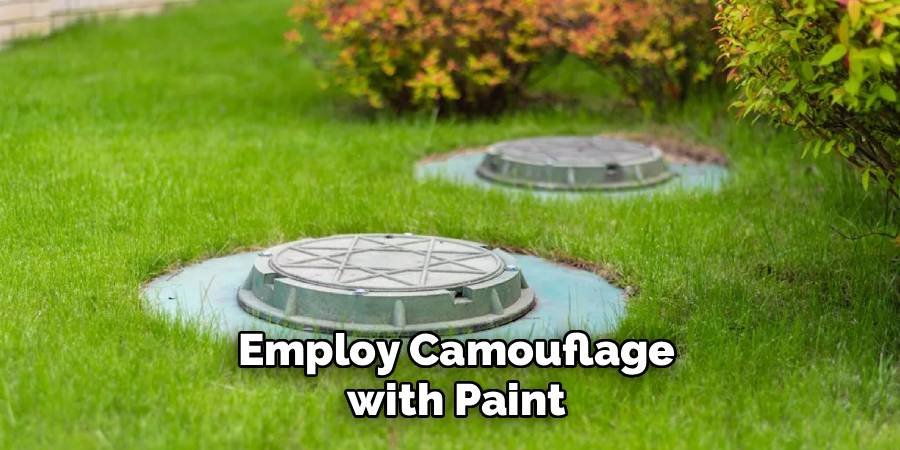
Sometimes, the simplest solution is the most effective. If your drain cover is on a patio, path, or decked area, you can help it blend in with a coat of paint. Choose an exterior metal or plastic paint that closely matches the color of the surrounding surface. For paved areas, you could even paint a faux pattern on the cover to mimic the stones or bricks around it. While this method doesn’t hide the cover completely, it significantly reduces its visual impact by breaking up its solid, industrial shape and helping it recede into the background.
Frequently Asked Questions
What Are the Easiest Ways to Hide a Drain Cover?
The easiest methods are temporary and require no construction. Using a cluster of potted plants is a popular choice because it’s quick, versatile, and adds greenery. You can easily move the pots for access. Another simple solution is to place a lightweight garden ornament, like a birdbath or statue, directly over the cover. Purpose-built drain disguisers, such as hollow artificial rocks or decorative grates, are also incredibly easy as they are ready to use straight out of the box and offer an instant fix.
Can I Put Heavy Objects Directly on a Drain Cover?
It is generally not recommended to place extremely heavy objects directly on a drain cover. While most covers are designed to be durable, an excessive, concentrated weight—like a very large stone statue or a massive, soil-filled ceramic planter—could potentially damage the cover or the frame it sits in. More importantly, the primary concern is access. You must be able to move whatever is on top of the drain cover easily in case of a blockage or for routine inspection. Always opt for objects that you can lift without assistance.
How Do I Hide a Drain Cover That Is on a Slope?
Hiding a drain on a sloped surface requires extra stability. Building a small, level terrace or retaining wall around the cover using stones or timber can create a flat area to place a planter or ornament. Another effective method is to use a large, shallow planter filled with pebbles and alpine plants. The weight of the pebbles will help hold it in place. Ensure any solution you choose is secure and won’t shift or slide down the slope during heavy rain.
Is It Safe to Completely Cover a Drain?
No, you should never completely and permanently seal a drain. The cover must always remain accessible for maintenance and in case of emergencies, like a blockage that could cause flooding. Any method you choose to disguise it must be easily removable. Avoid cementing over it, building a permanent structure on top without an access point, or using any solution that would prevent you from lifting the cover quickly and safely. The key is concealment, not permanent obstruction.
What Plants Are Best for Covering Drains?
When using planters, choose plants that suit the location’s light and moisture levels. For direct concealment, trailing plants are excellent choices as they spill over the edges of pots and soften the look. Good options include:
- Ivy
- Creeping Jenny
- Trailing Lobelia
- Sweet Potato Vine
For a rockery-style cover, hardy succulents like Sedum and Sempervivum are perfect because they are low-maintenance and thrive in shallow soil.
Conclusion
A functional drain cover doesn’t have to compromise the beauty of your garden. With a little creativity, you can easily integrate this necessary feature into your landscape. From strategic plant arrangements and removable rockeries to clever ornaments and custom-built planters, there are solutions to suit every garden style and skill level. By thinking of the cover not as an eyesore but as a canvas for a small-scale design project, you can enhance your garden’s overall harmony. We hope this guide has inspired you to try these methods and shown you how to disguise drain covers in garden spaces, turning a practical problem into a beautiful solution.

About Ravuk Barg
B.Sc. Horticulture Science | Certified Master Gardener
Ravuk Barg has spent more than a decade with his hands in the soil and his head full of questions about why some gardens thrive while others struggle. What started as a single raised bed of tomatoes and basil in a modest backyard has grown into a deep, working knowledge of everything from seed germination and soil amendment to companion planting and seasonal pruning.
Over the years, Ravuk has gardened through drought summers, waterlogged springs, and pest invasions that would make most gardeners hang up their trowels for good. Those hard seasons, he’ll tell you, taught him more than any perfect growing year ever could. He writes from that earned experience—covering vegetable growing, ornamental planting, houseplant care, composting, and garden design with equal confidence and curiosity.
Philosophy & Approach
Ravuk’s approach to gardening is rooted in practicality. He favors organic methods not out of dogma, but because they work long-term—resulting in healthier soil, fewer inputs, and stronger plants. He has a particular fondness for heirloom vegetable varieties (the kind with proper flavor), unruly cottage-style flower beds, and the stubborn houseplants that everyone else gave up on.
The Mission: Give readers the honest, experience-backed advice that helps them actually succeed in their gardens—not just the ideal version, but the real one; weeds, failures, and all.
Education & Credentials
-
B.Sc. in Horticulture Science
-
Greenfield Agricultural University
-
Focus: Plant Physiology, Soil Ecology, and Sustainable Crop Production
-
-
Master Gardener Certification
-
Cooperative Extension Service
-
Focus: 200+ hours of hands-on practical training and community garden work
-
Continuing Education
-
Organic Pest Management
-
Native Plant Landscaping
-
Sustainable Crop Production