

As a plant enthusiast, you provide your green friends with the best light, soil, and nutrients. But have you ever considered the quality of the water you use? Tap water is convenient, but it often contains chlorine, a chemical added to make it safe for human consumption. While this is great for us, it can be less than ideal for our sensitive houseplants. Chlorine can disrupt the delicate balance of beneficial microorganisms in the soil, potentially stressing your plants over time.
Learning how to dechlorinate tap water for plants is a simple yet impactful step you can take to elevate your plant care routine and ensure your collection thrives. This guide will walk you through easy and effective methods to purify your tap water, creating a healthier environment for your leafy companions.
Why Dechlorinating Tap Water Is Important
Municipal water treatment facilities add chlorine and, in some cases, a , to disinfect the water supply and eliminate harmful pathogens. While the concentration is low and safe for people, these chemicals can have unintended consequences for your plants. The primary concern is their effect on the soil microbiome. Healthy soil is a living ecosystem teeming with beneficial bacteria and fungi that help plants absorb nutrients.
Chlorine acts as a disinfectant in the soil just as it does in water, killing off these helpful microbes. This can lead to weaker root systems, reduced nutrient uptake, and overall diminished plant vitality. For particularly sensitive plants, such as orchids, ferns, or carnivorous plants, chlorinated water can even cause leaf burn or stunted growth. By removing these chemicals, you are protecting the soil’s delicate ecosystem and giving your plants a better foundation for robust health.
8 Step-by-Step Guide: How to Dechlorinate Tap Water for Plants
Step 1: Let the Water Sit Out (The Evaporation Method)
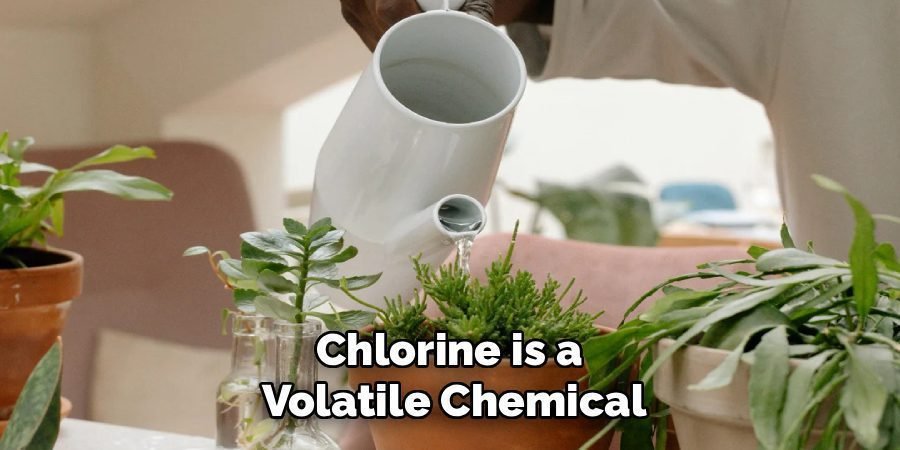
The simplest method for removing chlorine is to let it evaporate naturally. Chlorine is a volatile chemical, meaning it will dissipate into the air when exposed. To do this, fill an open container like a bucket, watering can, or a few wide-mouthed jars with tap water. Leave the container uncovered in a well-ventilated area for at least 24 hours. The increased surface area of a wide container speeds up the process. This technique is effective for chlorine but is much less so for chloramine, which is more stable. Check with your local water utility to see which disinfectant they use.
Step 2: Use an Aquarium Dechlorinator
If you need a faster solution or if your water contains chloramine, an aquarium dechlorinator is an excellent choice. These products are specifically designed to neutralize both chlorine and chloramine instantly, making water safe for aquatic life and, by extension, your plants. You can find these conditioning drops or tablets at any pet store. Simply follow the dosage instructions on the product label, which typically involve adding a few drops per gallon of water. Stir the water briefly, and it will be ready to use immediately for your plants.
Step 3: Try the Boiling Method
Boiling your tap water is another quick way to remove chlorine. Bring a pot of water to a rolling boil for about 15 to 20 minutes. This process rapidly accelerates the dissipation of chlorine into the air. However, similar to the evaporation method, boiling is not very effective at removing the more persistent chloramine. After boiling, you must let the water cool down completely to room temperature before using it on your plants. Watering with hot water would shock and severely damage their root systems. This method is effective but can be energy-intensive.
Step 4: Install a Carbon Water Filter
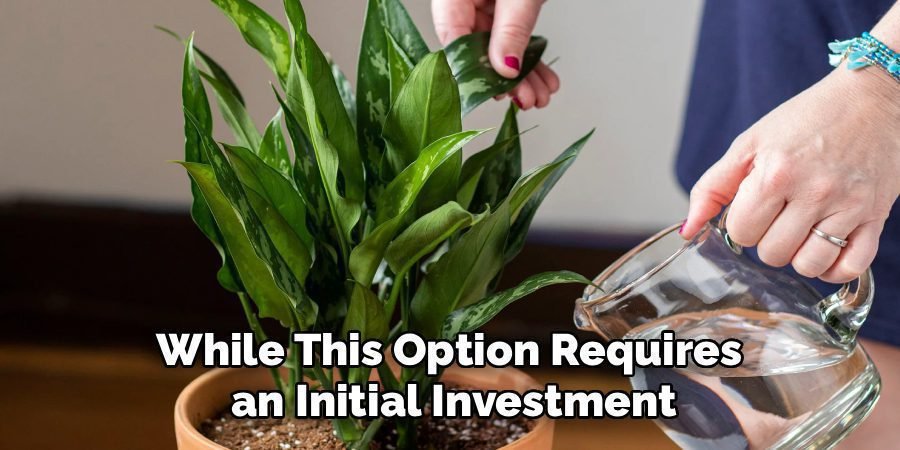
For a long-term and convenient solution, consider using a carbon filter. Activated carbon is highly effective at binding to and removing both chlorine and chloramine, along with other impurities. You can find carbon filters in various forms, from simple pitcher filters to attachments that connect directly to your faucet or garden hose. While this option requires an initial investment, it provides a steady supply of purified water for all your houseplants without any waiting time, making it a very practical choice for those with a large plant collection.
Step 5: Harness the Power of the Sun with UV Light
Exposing water to direct sunlight can also help break down chlorine and, to a lesser extent, chloramine. The ultraviolet (UV) rays from the sun work to degrade these chemical compounds. To use this method, place your open container of water outside in a sunny spot for a full day. This technique combines the benefits of UV degradation with natural evaporation, making it quite effective. It’s a great, cost-free option for sunny days, but it is weather-dependent and requires more time than chemical or filtration methods.
Step 6: Use Vitamin C to Neutralize Chemicals
A surprising but highly effective method for how to dechlorinate tap water for plants involves using Vitamin C. Ascorbic acid, or Vitamin C, rapidly neutralizes both chlorine and chloramine. You can purchase pure ascorbic acid powder or use crushed Vitamin C tablets. A very small amount is needed—about a quarter teaspoon of powder is enough to treat several gallons of water. Just add the Vitamin C to your water, give it a quick stir, and it will be instantly ready for your plants. This is a fast, cheap, and effective method.
Step 7: Aerate the Water with an Air Stone
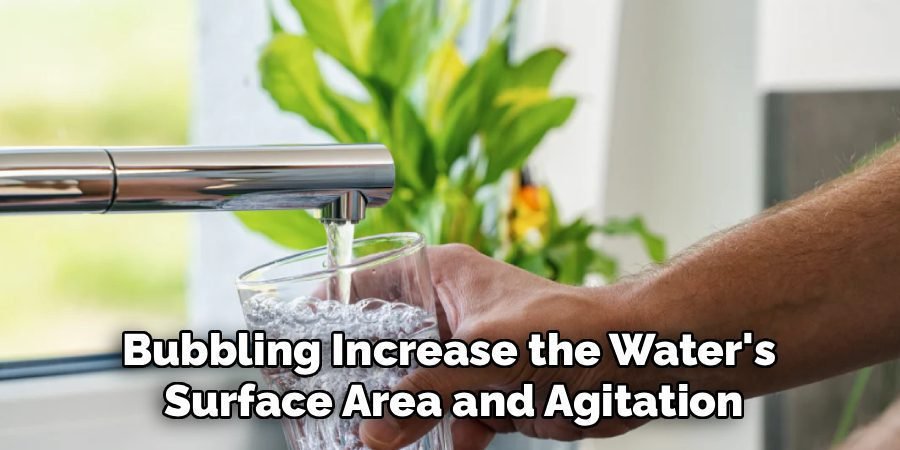
Aeration is another technique that can speed up chlorine evaporation. This method involves using an aquarium air pump with an air stone to bubble air through the water. The constant movement and bubbling increase the water’s surface area and agitation, helping chlorine gas escape more quickly than just letting it sit. You should run the air pump for several hours to effectively remove most of the chlorine. This is a good option if you need dechlorinated water faster than the 24-hour waiting period but don’t want to use chemical additives.
Step 8: Collect and Use Rainwater
Perhaps the most natural solution is to bypass tap water altogether and use rainwater. Rainwater is naturally soft and free of chlorine, chloramine, and other minerals found in treated municipal water. You can collect it easily by placing a barrel or a few large buckets under a downspout. This provides a free and perfectly pH-balanced source of water that your plants will love. Just be sure to cover your rain barrel to prevent mosquitoes from breeding and to keep debris out of your clean water supply.
Common Mistakes to Avoid
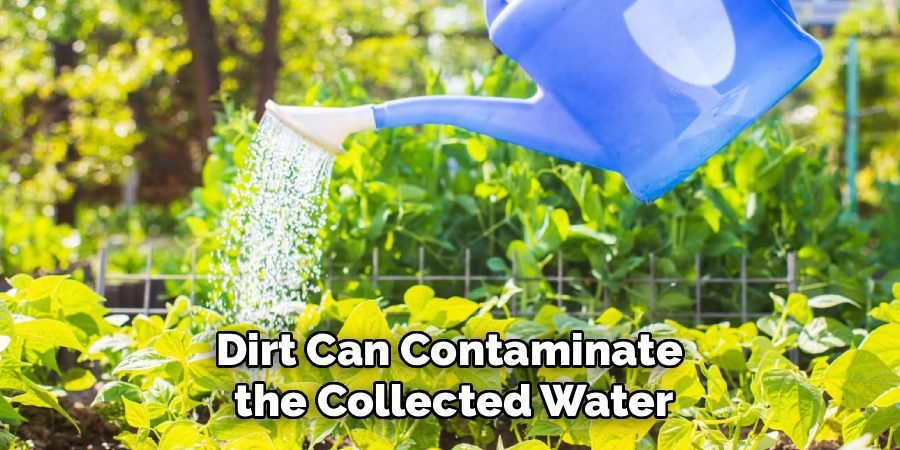
While harvesting and using rainwater is an eco-friendly and effective solution, there are some common mistakes that can reduce its effectiveness or even cause problems. One mistake is failing to clean your gutters regularly, as debris such as leaves and dirt can contaminate the collected water. Another is neglecting to install a proper filter or screen on your rain barrel, which helps keep insects and larger debris out.
Additionally, leaving your rain barrel uncovered not only invites mosquito breeding but also allows algae to grow, especially in sunny climates. Lastly, avoid using rainwater collected from roofs with heavy chemical treatments or old, deteriorating materials, as these can leach harmful substances into the water. By addressing these mistakes, you can ensure your rainwater system remains efficient and safe for use.
Frequently Asked Questions (FAQ)
How Long Does It Take for Chlorine to Evaporate From Tap Water?
Chlorine will typically evaporate from an open container of tap water within 24 hours. The speed of evaporation depends on factors like the water’s surface area, temperature, and air circulation. Using a wide, shallow container will speed up the process compared to a narrow, deep one. Leaving the water in a sunny or well-ventilated spot can also reduce the time needed. However, this method is not effective for removing chloramine, which is a more stable compound used in some water treatment systems.
Does Boiling Water Remove Chlorine and Chloramine?
Boiling water is an effective way to remove chlorine. A rolling boil for about 15 minutes will cause the chlorine gas to dissipate into the air. Unfortunately, this method is not very effective for removing chloramine. Because chloramine is more stable, it can take over an hour of vigorous boiling to remove it, which is not a practical or energy-efficient approach for most home gardeners. For chloramine, it is better to use a carbon filter or a chemical neutralizer like Vitamin C or aquarium drops.
Is It Necessary to Dechlorinate Water for All Plants?
While most common, hardy houseplants can tolerate chlorinated tap water without obvious issues, it is not ideal for their long-term health. Dechlorination becomes more important for sensitive plants like orchids, calatheas, carnivorous plants, and many ferns, which can show signs of stress like brown leaf tips or stunted growth from the chemicals. Furthermore, if you are nurturing a living soil ecosystem with beneficial microbes, dechlorinating water is always a good practice to protect that delicate environment. It’s a simple step that benefits the entire soil food web.
Can I Use Bottled Water Instead of Dechlorinating Tap Water?
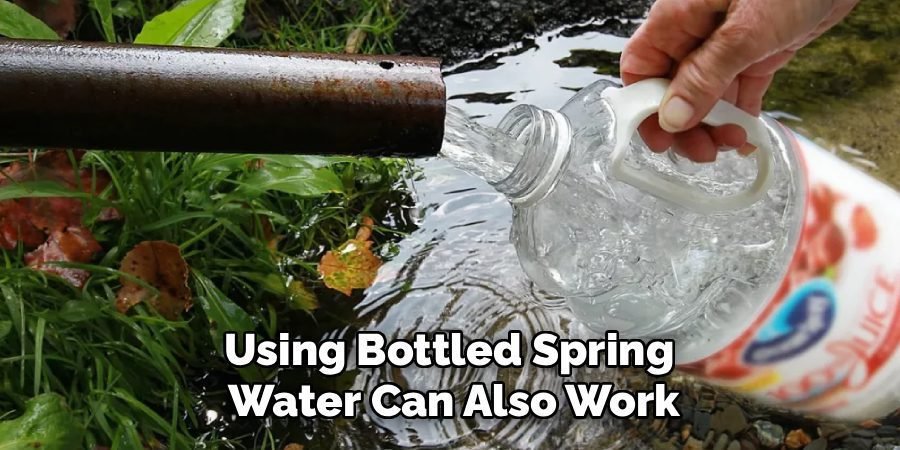
Yes, you can use bottled water for your plants, but it comes with several considerations. Distilled water is a great choice because it is completely free of chlorine, minerals, and other additives. However, because it lacks all minerals, you may need to supplement with a balanced fertilizer more regularly. Using bottled spring water can also work, but it is a much more expensive and less environmentally friendly option than treating your own tap water. For most gardeners, dechlorinating tap water is the more sustainable and cost-effective choice.
What Is the Difference Between Chlorine and Chloramine?
Chlorine is a chemical element used as a primary disinfectant in water treatment. It is highly volatile and dissipates into the air relatively quickly. Chloramine is a compound made by combining chlorine with ammonia. It is more stable and longer-lasting than chlorine, which is why some water utilities use it to ensure water remains disinfected as it travels through long pipe systems. Because of its stability, chloramine does not evaporate from water and requires different methods, such as a carbon filter or a chemical neutralizer, for removal.
Conclusion
Taking the extra step to provide your plants with clean, dechlorinated water can make a significant difference in their overall health and vitality. Whether you choose to let water sit out, use a filter, or collect fresh rainwater, you are investing in the well-being of the delicate soil ecosystem that supports your plants. The methods are simple, accessible, and suitable for any level of gardener. Now that you know how to dechlorinate tap water for plants, you can easily incorporate this practice into your care routine. Your plants will reward you with lusher foliage, stronger roots, and more vibrant growth.

About Ravuk Barg
B.Sc. Horticulture Science | Certified Master Gardener
Ravuk Barg has spent more than a decade with his hands in the soil and his head full of questions about why some gardens thrive while others struggle. What started as a single raised bed of tomatoes and basil in a modest backyard has grown into a deep, working knowledge of everything from seed germination and soil amendment to companion planting and seasonal pruning.
Over the years, Ravuk has gardened through drought summers, waterlogged springs, and pest invasions that would make most gardeners hang up their trowels for good. Those hard seasons, he’ll tell you, taught him more than any perfect growing year ever could. He writes from that earned experience—covering vegetable growing, ornamental planting, houseplant care, composting, and garden design with equal confidence and curiosity.
Philosophy & Approach
Ravuk’s approach to gardening is rooted in practicality. He favors organic methods not out of dogma, but because they work long-term—resulting in healthier soil, fewer inputs, and stronger plants. He has a particular fondness for heirloom vegetable varieties (the kind with proper flavor), unruly cottage-style flower beds, and the stubborn houseplants that everyone else gave up on.
The Mission: Give readers the honest, experience-backed advice that helps them actually succeed in their gardens—not just the ideal version, but the real one; weeds, failures, and all.
Education & Credentials
-
B.Sc. in Horticulture Science
-
Greenfield Agricultural University
-
Focus: Plant Physiology, Soil Ecology, and Sustainable Crop Production
-
-
Master Gardener Certification
-
Cooperative Extension Service
-
Focus: 200+ hours of hands-on practical training and community garden work
-
Continuing Education
-
Organic Pest Management
-
Native Plant Landscaping
-
Sustainable Crop Production