

Do you see small dirt piles all over your beautiful green lawn? These are ant hills, and they can make your yard look messy. Many homeowners face this problem every year. Ant hills in lawns are not just ugly to look at – they can also damage your grass and make it hard to mow.
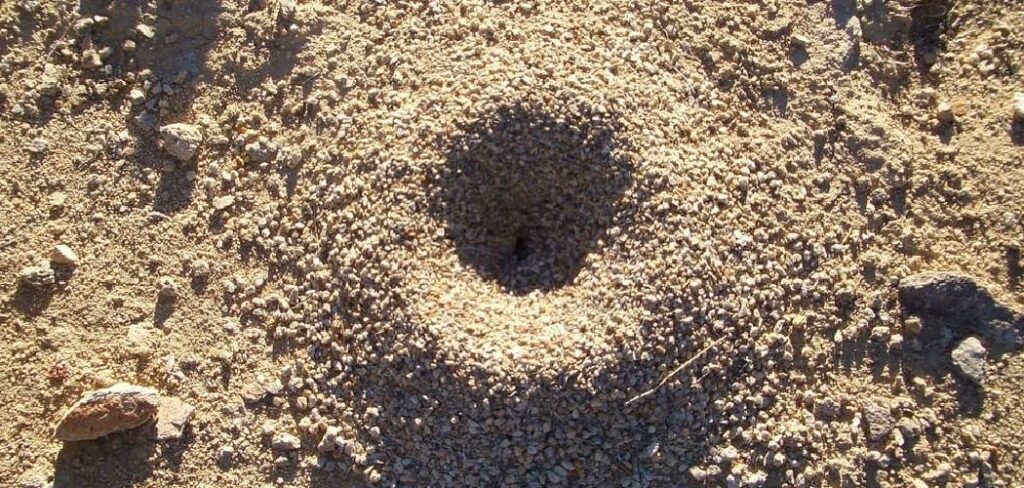
Ants build these hills when they dig tunnels underground. They bring the dirt up to the surface, creating small mounds. While ants can be helpful in nature, too many ant hills can ruin the look of your lawn. The good news is that you can learn how to deal with ant hills in lawns using simple and safe methods. In this guide, we will show you 8 easy steps to get rid of ant hills and keep them from coming back. These methods are safe for your family, pets, and the environment. You don’t need to be an expert to follow these steps. Anyone can do it with the right knowledge and tools.
8 Easy Step by Step How To Deal with Ant Hills in Lawns
Step 1: Find All the Ant Hills in Your Lawn
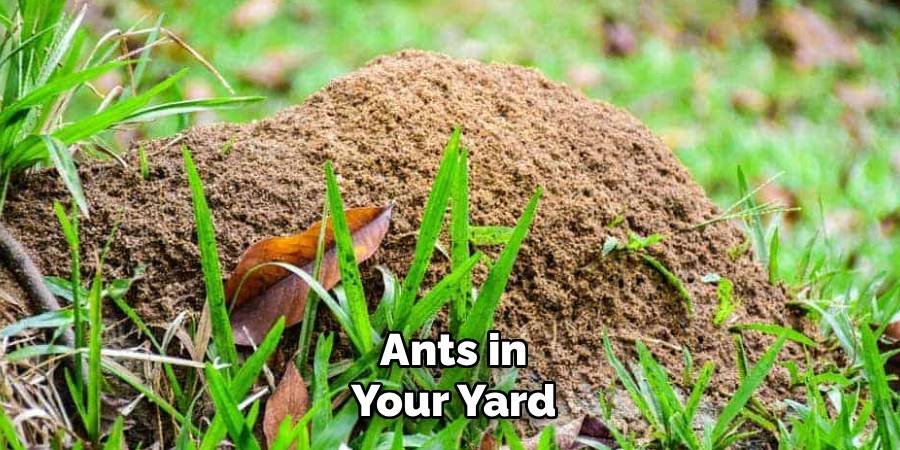
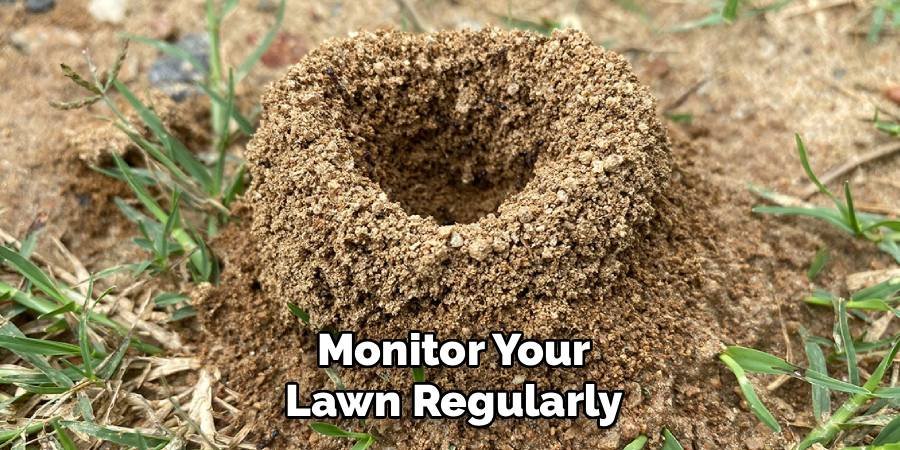
The first step to deal with ant hills in lawns is to find where they are. Walk around your yard in the morning or evening when ants are most active. Look for small dirt mounds that look like tiny volcanoes. These hills are usually 2 to 6 inches wide. Check areas near trees, flower beds, and places where the grass is thin. Ants like to build their homes in these spots because the soil is easier to dig. Also look for trails of ants walking in lines. These trails will lead you to more ant hills.
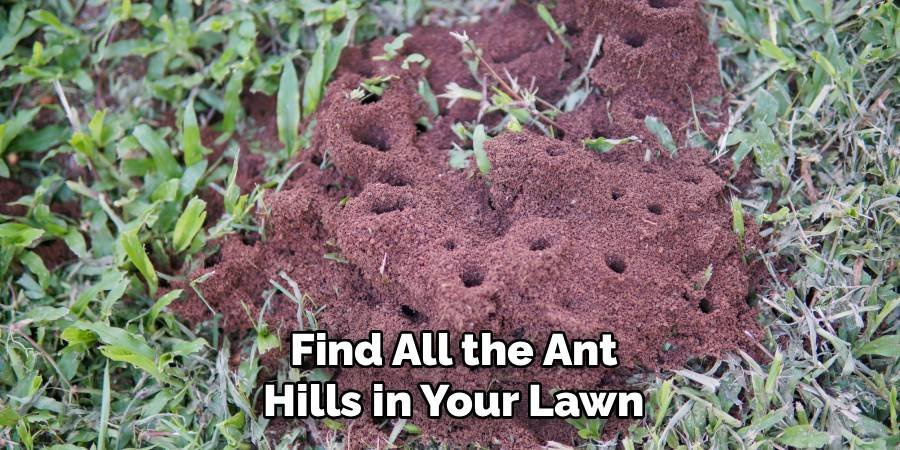
Mark each ant hill you find with a small flag or stick. This will help you remember where they are when you start treating them. Count how many ant hills you have. If you find more than 10 hills, you might have a big ant problem that needs extra attention. Take pictures of the ant hills with your phone. This will help you track your progress as you work to remove them. Some ant hills might be hard to see, so checking your lawn every few days is a good idea.
Step 2: Learn About the Types of Ants in Your Yard
Different types of ants build different kinds of hills. Knowing what type of ants you have will help you choose the best way to get rid of them. The most common lawn ants are field ants, pavement ants, and fire ants. Field ants make large dirt mounds and don’t usually bite people. Pavement ants make smaller hills and like to live near sidewalks and driveways. Fire ants make hard, dome-shaped hills and can give painful bites. Be very careful around fire ant hills.
Watch the ants for a few minutes to see how they behave. Are they aggressive? Do they bite when you get close? What color are they? This information will help you pick the safest removal method. If you’re not sure what type of ants you have, take a picture and ask at your local garden store. The workers there can help you identify the ants and suggest the best treatment options.
Step 3: Use Natural Methods to Remove Small Ant Hills
For small ant hills, natural methods work well and are safe for your family and pets. One easy method is to pour boiling water directly on the ant hill. The hot water will kill the ants and collapse their tunnels. Another natural option is to sprinkle diatomaceous earth around the ant hills. This powder is made from tiny sea creatures and is safe for humans but deadly to ants. The powder cuts the ants’ bodies and dries them out.
You can also use white vinegar mixed with water. Spray this mixture on the ant hills and the trails where ants walk. Ants hate the smell of vinegar and will look for a new place to live. Cinnamon, coffee grounds, and cayenne pepper also work well. Sprinkle these around ant hills to make the ants go away. These spices don’t hurt the ants, but they don’t like the strong smells.
Step 4: Apply Ant Baits for Larger Infestations
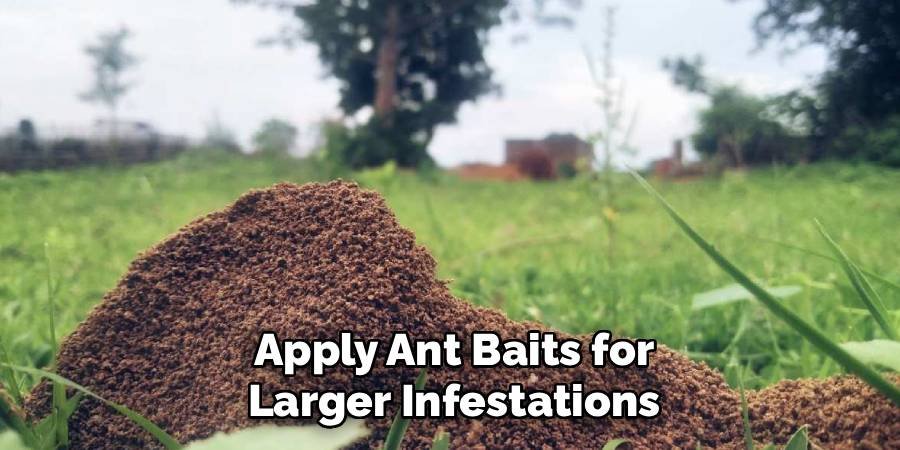
When you have many ant hills or natural methods don’t work, ant baits are very effective. Ant baits contain poison that ants take back to their colony. This kills the whole ant family, including the queen ant. Place ant bait stations near the ant hills, but not directly on top of them. Put the baits along ant trails where you see ants walking. The worker ants will find the bait and carry it back to feed the other ants.
Be patient when using ant baits. It can take 1 to 2 weeks to see results. Don’t use sprays or other treatments while using baits, as this will scare the ants away from the poison. Always read the label on ant baits carefully. Keep them away from children and pets. Some baits come in child-proof containers, which are the safest option for families.
Step 5: Level the Ant Hills and Repair Your Lawn
After the ants are gone, you need to fix the damage they caused to your lawn. Use a rake to spread out the dirt from the ant hills evenly across your yard. This will fill in low spots and make your lawn smooth again. If the ant hills killed your grass, you might need to plant new seeds. Choose grass seed that matches the rest of your lawn. Water the new seeds regularly until the grass grows thick and green. For large bare spots, consider laying new sod instead of planting seeds. Sod will give you instant results and prevent weeds from growing in the empty spaces.
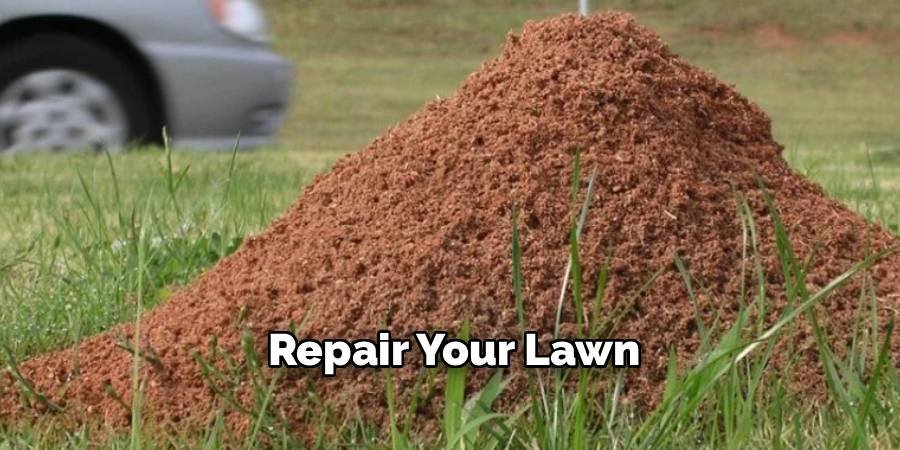
Add a thin layer of topsoil over the leveled areas. This will help new grass grow better and make your lawn look even. Water the repaired areas gently to avoid washing away the new soil.
Step 6: Prevent Ants from Coming Back
Preventing new ant hills is easier than removing them after they appear. Keep your lawn healthy by watering it regularly and fertilizing it twice a year. Thick, healthy grass makes it harder for ants to dig their tunnels.
Remove things that attract ants to your yard. Clean up fallen fruit from trees, fix leaky sprinklers, and don’t leave pet food outside. Ants need water and food, so removing these will make them look elsewhere. Trim tree branches and shrubs away from your house. Ants use these as highways to reach your lawn and home. Keep a 3-foot space between plants and your house walls.
Apply a preventive ant treatment around your lawn’s edges in early spring. This creates a barrier that stops ants from moving into your yard from neighboring properties.
Step 7: Monitor Your Lawn Regularly
Check your lawn for new ant hills at least once a week during warm weather. Early detection makes removal much easier. Look for small dirt piles, especially after rain when ants are more active. Keep a lawn journal to track when and where you find ant hills. This information will help you understand patterns and prevent future problems. Note what treatments you used and how well they worked.
Take monthly photos of your lawn from the same spots. Compare these pictures to see if your ant control methods are working. This will also help you spot new problems early. If you see new ant activity, treat it right away. Don’t wait for the problem to get bigger. One small ant hill is much easier to handle than ten large ones.
Step 8: Know When to Call Professional Help
Sometimes ant problems are too big to handle yourself. Call a professional pest control company if you have fire ants, which can be dangerous. Also call for help if you have tried multiple methods and the ants keep coming back. Professional exterminators have stronger treatments that work faster than home methods. They also know how to identify different ant species and use the right treatment for each type.
Get quotes from at least three different companies before choosing one. Ask about their guarantee and what happens if the ants come back. A good company will return to retreat your lawn for free if needed. Professional treatment usually costs between $100 and $300, depending on the size of your lawn and how bad the ant problem is. This might seem expensive, but it can save you time and frustration.
Frequently Asked Questions (FAQs)
Q1: How long does it take to get rid of ant hills in lawns completely?
Answer: The time to remove ant hills depends on the method you use and how many ants you have. Natural methods like boiling water work immediately but might need several applications. Ant baits take 1-2 weeks to kill the whole colony but are more effective long-term. Most homeowners see good results within 2-4 weeks of consistent treatment.
Q2: Are ant hills harmful to my grass and lawn health?
Answer: Yes, ant hills can damage your lawn in several ways. The dirt mounds can smother grass and create bare patches. Ant tunnels can damage grass roots and make the soil loose. Large ant colonies can also change the soil pH, making it harder for grass to grow. However, small numbers of ants can actually help your lawn by eating harmful insects.
Q3: What is the safest way to remove ant hills if I have pets and children?
Answer: The safest methods for families with pets and children are natural approaches. Boiling water, diatomaceous earth, and vinegar solutions are non-toxic options. If using ant baits, choose ones in tamper-proof containers and place them where pets and children cannot reach them. Always read product labels and follow safety instructions carefully.
Q4: Why do ants keep building hills in the same spots in my lawn?
Answer: Ants return to the same areas because these spots have ideal conditions for their colonies. These areas might have moist soil, easy access to food sources, or protection from wind and rain. The soil might also be easier to dig, or there could be old ant scent trails that attract new colonies. To prevent this, change the conditions that attract ants to these spots.
Q5: Can I prevent ant hills without using chemicals or pesticides?
Answer: Yes, you can prevent ant hills naturally by maintaining a healthy lawn, removing food and water sources, and using natural deterrents. Keep your grass thick and healthy, clean up fallen fruit and pet food, fix water leaks, and sprinkle natural repellents like cinnamon or coffee grounds around your lawn edges. Regular maintenance and early detection are key to natural ant hill prevention.
Conclusion
Learning how to deal with ant hills in lawns doesn’t have to be difficult or expensive. With the right approach, you can remove existing ant hills and prevent new ones from appearing. The key is to start early, be consistent with your treatments, and maintain a healthy lawn that naturally resists ant infestations. Remember that some ants can actually benefit your lawn by eating harmful insects and aerating the soil. The goal is to control their numbers, not eliminate every single ant. Use natural methods first, and only move to stronger treatments if necessary.
Regular monitoring and prevention are your best tools for keeping ant hills away. A few minutes of checking your lawn each week can save you hours of work later. Keep your grass healthy, remove attractants, and treat new ant activity quickly. By following these 8 steps and using the prevention tips, you can enjoy a beautiful, ant-hill-free lawn all season long. Your yard will look better, be easier to maintain, and provide a great space for your family to enjoy outdoor activities.

About Ravuk Barg
B.Sc. Horticulture Science | Certified Master Gardener
Ravuk Barg has spent more than a decade with his hands in the soil and his head full of questions about why some gardens thrive while others struggle. What started as a single raised bed of tomatoes and basil in a modest backyard has grown into a deep, working knowledge of everything from seed germination and soil amendment to companion planting and seasonal pruning.
Over the years, Ravuk has gardened through drought summers, waterlogged springs, and pest invasions that would make most gardeners hang up their trowels for good. Those hard seasons, he’ll tell you, taught him more than any perfect growing year ever could. He writes from that earned experience—covering vegetable growing, ornamental planting, houseplant care, composting, and garden design with equal confidence and curiosity.
Philosophy & Approach
Ravuk’s approach to gardening is rooted in practicality. He favors organic methods not out of dogma, but because they work long-term—resulting in healthier soil, fewer inputs, and stronger plants. He has a particular fondness for heirloom vegetable varieties (the kind with proper flavor), unruly cottage-style flower beds, and the stubborn houseplants that everyone else gave up on.
The Mission: Give readers the honest, experience-backed advice that helps them actually succeed in their gardens—not just the ideal version, but the real one; weeds, failures, and all.
Education & Credentials
-
B.Sc. in Horticulture Science
-
Greenfield Agricultural University
-
Focus: Plant Physiology, Soil Ecology, and Sustainable Crop Production
-
-
Master Gardener Certification
-
Cooperative Extension Service
-
Focus: 200+ hours of hands-on practical training and community garden work
-
Continuing Education
-
Organic Pest Management
-
Native Plant Landscaping
-
Sustainable Crop Production