

As a proud lemon tree owner, you enjoy the rewards of fragrant blossoms and homegrown citrus. But as winter approaches, the threat of frost and freezing temperatures can be a major concern. Citrus trees, native to warmer climates, are particularly vulnerable to cold damage, which can harm their foliage, branches, and even the entire plant. Protecting your investment is crucial for its survival and continued fruit production. This guide will walk you through the essential process of how to cover lemon tree for winter, ensuring your vibrant tree remains healthy and ready to thrive when spring returns.
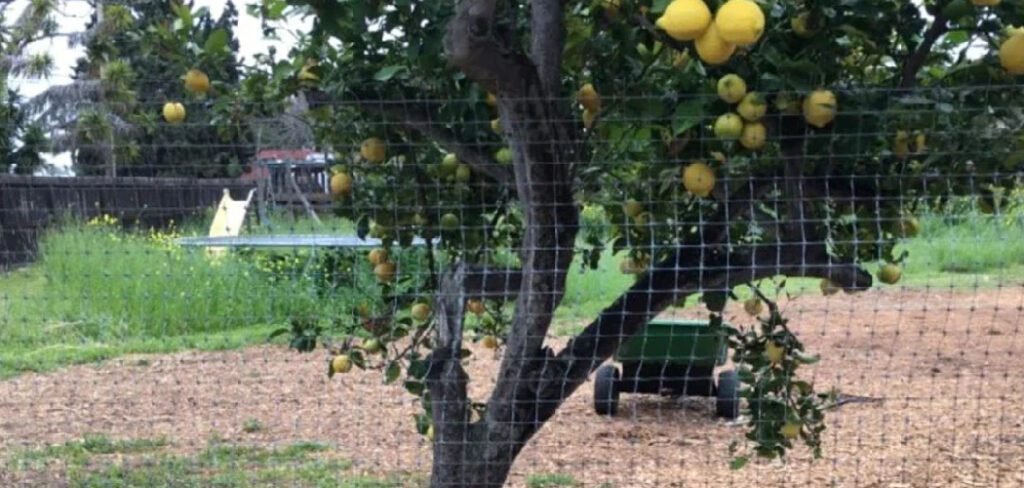
With a few simple materials and a bit of preparation, you can give your lemon tree the protection it needs to withstand the cold.
Why Winter Protection for Your Lemon Tree is Essential
Protecting your lemon tree from the cold is not just a suggestion; it’s a necessity for its long-term health, especially for younger trees or those planted in regions with harsh winters. Lemon trees are subtropical, meaning they are not built to withstand prolonged periods of freezing weather. When temperatures drop below freezing, ice crystals can form within the plant’s cells, causing them to rupture. This leads to blackened leaves, damaged branches (dieback), and in severe cases, the death of the tree. A sudden, hard freeze can be particularly devastating.
By providing proper winter cover, you create a microclimate around the tree that traps warmth from the ground, shielding it from frost and icy winds and ensuring it survives to produce fruit for years to come.
8 Step-by-Step Guide on How to Cover Lemon Tree for Winter
Step 1: Water Your Tree Thoroughly
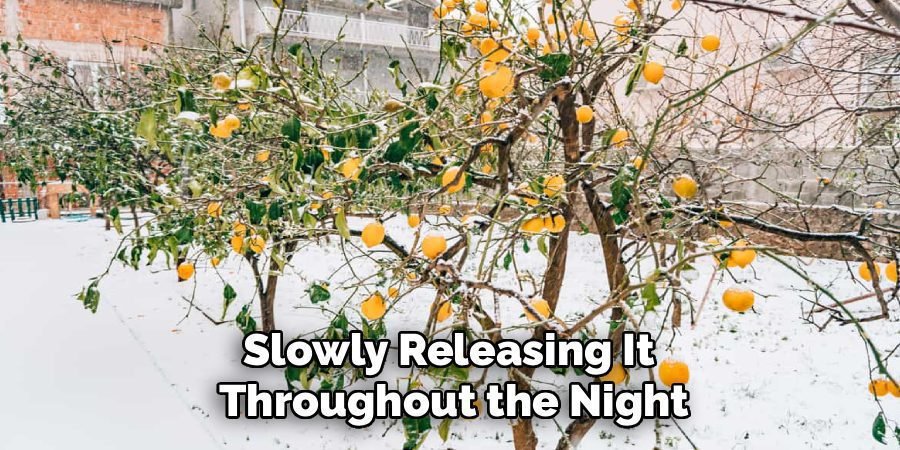
Before the first anticipated freeze, it is vital to water your lemon tree deeply. Well-hydrated plants are more resilient to cold stress than dry ones. The water in the soil acts as an insulator, absorbing heat during the day and slowly releasing it throughout the night. This process helps keep the root zone several degrees warmer than the air temperature, providing a critical buffer against frost. Aim to saturate the soil around the base of the tree, extending out to the dripline (the area directly under the outermost branches).
Step 2: Choose the Right Location
If your lemon tree is in a pot, its location is your first line of defense. Move the container to a sheltered spot before the first frost is forecasted. The ideal place is against a south-facing or west-facing wall of your home, which absorbs solar radiation during the day and radiates heat back at night. Placing it under an eave or overhang also provides protection from frost settling directly on the leaves. For in-ground trees, you obviously can’t move them, making the subsequent covering steps even more critical for their survival.
Step 3: Gather Your Insulating Materials
Selecting the right materials is key to successful winter protection. You will need a frost blanket, burlap, or even an old bedsheet. The key is to use a breathable fabric that allows moisture and air to escape, preventing condensation and potential fungal growth. Avoid using plastic tarps or sheets that touch the foliage directly. Plastic is a poor insulator and can trap moisture against the leaves, which will freeze and cause more damage than no cover at all. You will also need stakes, clamps, or twine to create a supportive frame.
Step 4: Install a Frame Around the Tree
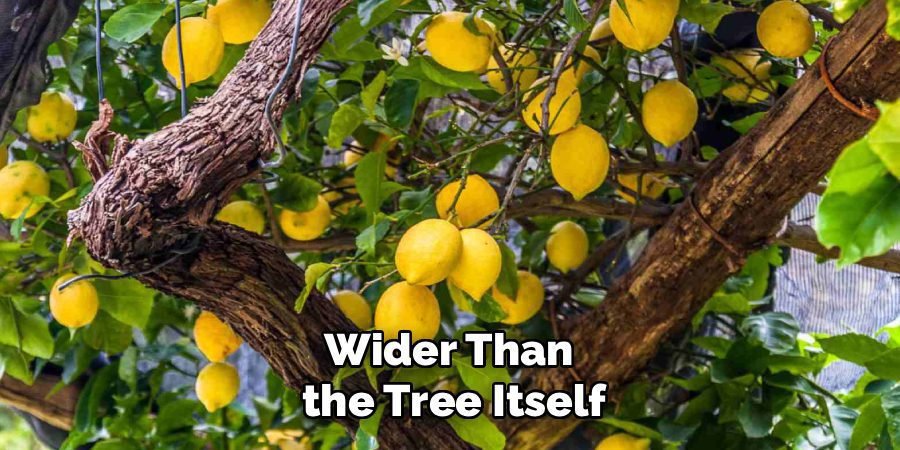
Before draping any covering, install a frame around your lemon tree. This is a crucial step because it prevents the cover from touching the tree’s foliage. Any part of the plant in direct contact with a frost-covered cloth can suffer cold damage. You can use wooden stakes, bamboo poles, or a tomato cage to create a simple tent-like structure that is slightly taller and wider than the tree itself. This framework will support the weight of the cover and create an insulating pocket of air around the plant.
Step 5: How to Cover Your Lemon Tree Before Sunset
The best time to cover your tree is in the late afternoon, before the sun sets and temperatures begin to drop. This allows you to trap the residual warmth from the day’s sun and the ground’s radiant heat underneath the cover. Drape your chosen fabric over the frame you constructed, ensuring it reaches all the way to the ground. This seals in the warmer air, creating a protective microenvironment. Leaving gaps can allow the warm air to escape and cold drafts to enter, defeating the purpose of the cover.
Step 6: Secure the Cover to the Ground
Once the cover is draped over the frame, you must secure its edges to the ground. This prevents wind from blowing it off and stops the trapped warm air from escaping. You can use bricks, rocks, landscape pins, or soil to weigh down the bottom of the fabric. Make sure the cover is sealed on all sides, creating a complete enclosure. A secure cover will effectively shield your lemon tree from biting winds and frost, which are two of the biggest threats during a cold winter night.
Step 7: Add Supplemental Heat (Optional)
For nights when a particularly hard freeze is expected (temperatures well below 28°F), you may want to add a supplemental heat source. A simple and safe option is to place a string of old-fashioned (non-LED) C7 or C9 Christmas lights inside the enclosure, wrapping them around the lower trunk and branches. These incandescent bulbs generate a small amount of heat that can raise the temperature under the cover by several degrees. Be sure to use outdoor-rated extension cords and lights, and never let bulbs touch the fabric or foliage directly.
Step 8: Uncover the Tree in the Morning
It is just as important to uncover your lemon tree in the morning as it is to cover it at night. Once temperatures have risen safely above freezing, remove the cover to allow the tree to receive sunlight and air circulation. Leaving the cover on during a sunny day can cause the temperature inside to rise too quickly, potentially cooking the plant. It also prevents pollination and encourages fungal diseases. Make a habit of removing the cover each morning and replacing it each evening during a cold spell.

Frequently Asked Questions (FAQ)
At What Temperature Should I Cover My Lemon Tree?
You should cover your lemon tree when temperatures are expected to dip below 32°F (0°C). However, it is wise to be proactive and cover it if the forecast predicts temperatures in the mid-30s, as frost can form even when the air temperature is slightly above freezing. Young trees are particularly vulnerable and may need protection sooner. Always monitor your local weather forecast during the late fall and winter months to stay ahead of potential cold snaps and give your tree the protection it needs to survive.
Can I Use a Plastic Sheet to Cover My Lemon Tree?
It is strongly advised not to use a plastic sheet that comes into direct contact with the foliage. Plastic is a poor insulator and does not breathe. It traps moisture against the leaves, which will freeze and cause severe damage. Furthermore, any part of the leaf touching the plastic will become colder than the surrounding air. If plastic is your only option, ensure you use it over a frame that prevents any contact with the tree, and remove it first thing in the morning to prevent overheating and moisture buildup.
How Long Can I Leave My Lemon Tree Covered?
You should only leave your lemon tree covered overnight or during periods when the temperature remains below freezing. It is crucial to uncover the tree every morning once the danger of frost has passed. This allows the plant to access sunlight for photosynthesis and promotes essential air circulation, which helps prevent fungal diseases. Leaving a tree covered for multiple days in a row can lead to heat buildup, moisture issues, and a lack of light, causing more harm than good.

Should I Mulch Around My Lemon Tree in Winter?
Yes, applying a thick layer of mulch around the base of your lemon tree is an excellent way to provide extra winter protection. A 3- to 4-inch layer of organic mulch, such as straw, pine bark, or shredded leaves, helps insulate the soil and protect the root system from freezing. Be sure to pull the mulch back a few inches from the trunk itself to prevent moisture buildup against the bark, which can lead to rot. Mulching complements covering by keeping the roots warm.
What Are the Signs of Cold Damage on a Lemon Tree?
The most common signs of cold damage on a lemon tree include wilted or drooping leaves that may turn black or brown and feel brittle to the touch. In more severe cases, you may see dieback, where the tips of branches turn dark and dry out. Split bark on the trunk or main branches is another sign of a hard freeze. If you see damage, wait until all danger of frost has passed in the spring before pruning away the affected parts to avoid stimulating new growth too early.
Conclusion
Protecting your lemon tree from winter’s chill is a straightforward task that pays huge dividends. By understanding the risks of cold exposure and taking proactive steps, you can ensure your tree survives and thrives. The process involves watering well, choosing a sheltered spot if possible, and using a breathable cover over a frame to trap ground heat. Remember to secure the cover nightly and remove it each morning to give your tree the sunlight and air it needs. Mastering how to cover lemon tree for winter is a skill that will empower you to keep your citrus healthy, vibrant, and ready for a fruitful spring.

About Ravuk Barg
B.Sc. Horticulture Science | Certified Master Gardener
Ravuk Barg has spent more than a decade with his hands in the soil and his head full of questions about why some gardens thrive while others struggle. What started as a single raised bed of tomatoes and basil in a modest backyard has grown into a deep, working knowledge of everything from seed germination and soil amendment to companion planting and seasonal pruning.
Over the years, Ravuk has gardened through drought summers, waterlogged springs, and pest invasions that would make most gardeners hang up their trowels for good. Those hard seasons, he’ll tell you, taught him more than any perfect growing year ever could. He writes from that earned experience—covering vegetable growing, ornamental planting, houseplant care, composting, and garden design with equal confidence and curiosity.
Philosophy & Approach
Ravuk’s approach to gardening is rooted in practicality. He favors organic methods not out of dogma, but because they work long-term—resulting in healthier soil, fewer inputs, and stronger plants. He has a particular fondness for heirloom vegetable varieties (the kind with proper flavor), unruly cottage-style flower beds, and the stubborn houseplants that everyone else gave up on.
The Mission: Give readers the honest, experience-backed advice that helps them actually succeed in their gardens—not just the ideal version, but the real one; weeds, failures, and all.
Education & Credentials
-
B.Sc. in Horticulture Science
-
Greenfield Agricultural University
-
Focus: Plant Physiology, Soil Ecology, and Sustainable Crop Production
-
-
Master Gardener Certification
-
Cooperative Extension Service
-
Focus: 200+ hours of hands-on practical training and community garden work
-
Continuing Education
-
Organic Pest Management
-
Native Plant Landscaping
-
Sustainable Crop Production