

Discovering a cluster of deer droppings on your otherwise pristine lawn can be a frustrating experience. While deer are beautiful animals to observe, the mess they leave behind is less than desirable. For homeowners and garden enthusiasts, figuring out how to clean deer poop from lawn areas is a common challenge. This task is not just about aesthetics; it’s also about maintaining a healthy and safe outdoor space for your family and pets.
Fortunately, removing these pellets is a straightforward process that requires just a few simple tools and a little bit of effort. This guide will walk you through everything you need to know, from gathering your supplies to restoring your grass to its former glory.
Why Cleaning Deer Poop Is Important
Allowing deer droppings to accumulate on your lawn might seem harmless, but it can lead to several problems. First, deer feces can contain bacteria and parasites, such as E. coli and giardia, which pose a health risk to humans and pets who come into contact with them. If you have children who play in the yard or a dog that likes to explore, removing the waste promptly is a crucial safety measure.
Beyond the health concerns, deer poop can also damage your grass. The high nitrogen content in the droppings can act like a concentrated fertilizer, leading to “lawn burn”—yellow or brown patches where the grass has been scorched and killed.
Over time, these unsightly spots can become difficult to repair. Finally, the presence of feces can attract insects and other pests to your yard, creating a secondary problem that you will need to manage. Regularly cleaning the area keeps your lawn looking its best and ensures it remains a healthy environment for everyone to enjoy.
8 Step Methods Guide: How to Clean Deer Poop From Lawn Areas
Step 1: Gather Your Supplies
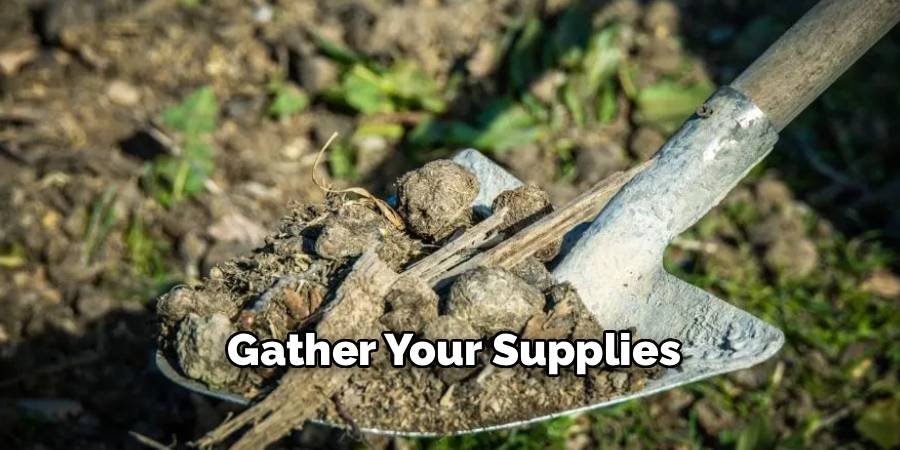
Before you begin, it’s important to gather all the necessary tools to make the job safe and easy. You will need a sturdy pair of waterproof gloves to protect your hands from direct contact with the waste. A shovel, rake, or a pooper scooper will be your primary tool for collecting the droppings. For disposal, have a durable trash bag or a bucket ready. It’s also a good idea to have a hose with a spray nozzle nearby for rinsing the area and your tools after you’re finished. Having everything in one place ensures you can work without interruption.
Step 2: Put on Protective Gear
Safety should always be your top priority. Before you touch any tools or get near the deer droppings, put on your waterproof gloves. This creates a barrier between your skin and any potential pathogens in the feces. If you are sensitive to smells or have allergies, you might also consider wearing a face mask. This is especially helpful on dry, windy days when dust and particles could become airborne. Protecting yourself is a non-negotiable step that prevents the spread of germs and ensures you can clean your lawn without any health risks.
Step 3: Collect the Droppings
With your protective gear on, it’s time to collect the deer pellets. Use your shovel, rake, or pooper scooper to gather the droppings into a pile. Deer poop often consists of small, hard pellets, which can sometimes scatter. A flat-edged shovel or a wide rake can be particularly effective for scraping them off the grass and consolidating them. Work methodically across the affected area, ensuring you collect as much of the visible waste as possible. Place the collected droppings directly into your trash bag or bucket to contain them.
Step 4: Dispose of the Waste Properly
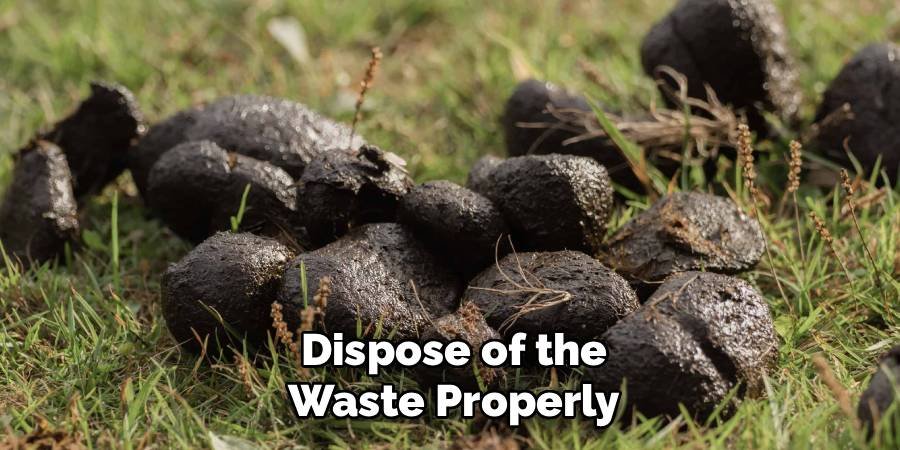
Once you have collected all the deer poop, you need to dispose of it correctly. Securely tie the trash bag and place it in your regular outdoor garbage bin for collection. Do not add deer feces to your compost pile, as the internal temperature of most home compost systems is not high enough to kill harmful bacteria and parasites. This could contaminate your compost and spread pathogens to your garden when you use it. Proper disposal is key to preventing the spread of disease and keeping your property hygienic.
Step 5: Rinse the Affected Area
After removing the solid waste, use a garden hose with a spray nozzle to thoroughly rinse the patch of lawn where the droppings were located. A strong stream of water will help dilute any residual urine and break down any small particles of feces left behind. This step is important for washing away lingering contaminants and reducing the risk of lawn burn from concentrated nitrogen. Spray the area for a minute or two, allowing the water to soak into the soil and cleanse the grass blades.
Step 6: Disinfect the Area (Optional)
For added peace of mind, especially if you have children or pets, you may want to disinfect the area. You can create a simple, lawn-safe disinfectant by mixing one part white vinegar with ten parts water in a spray bottle. Lightly mist the solution over the rinsed grass. The vinegar’s acidity helps neutralize bacteria without harming your lawn. Allow the solution to air dry. This step provides an extra layer of protection against any remaining germs, making the area safer for your family to enjoy.
Step 7: How to Clean Deer Poop From Lawn
Inspect the area for any signs of lawn burn, which appears as yellow or brown patches. If the grass looks damaged, you may need to do some minor repairs. Gently rake the affected spot to remove any dead grass. Then, generously water the patch over the next few days to help dilute any remaining nitrogen in the soil. For severely damaged spots, you might need to sprinkle some grass seed and a thin layer of topsoil to encourage new growth and help your lawn return to its lush, green state.
Step 8: Clean Your Tools
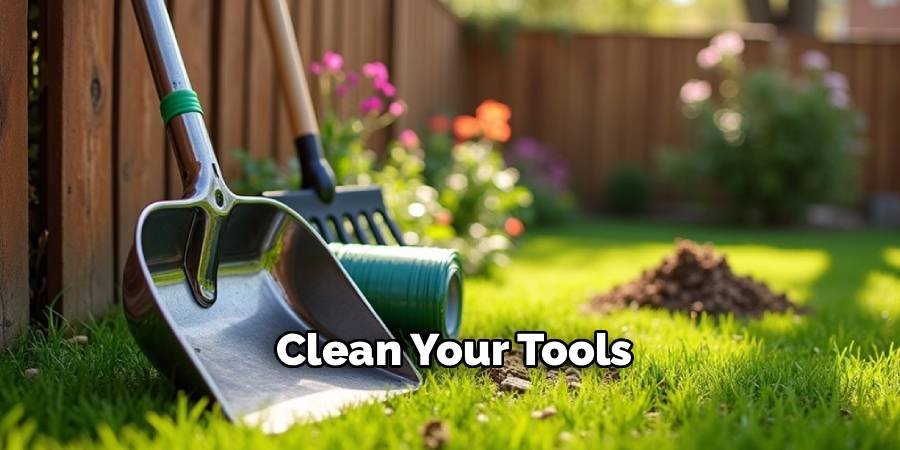
The final task in learning how to clean deer poop from lawn surfaces is sanitizing your equipment. After you’ve finished, it’s crucial to clean the tools you used. Use your hose to rinse off the shovel, rake, and any other items that came into contact with the waste. For a more thorough cleaning, wash them with soap and water or spray them with a disinfectant solution. Let your tools air dry completely in the sun before storing them away. This prevents cross-contamination and ensures they are ready for their next use.
Common Mistakes to Avoid
When cleaning deer poop from your lawn, there are several mistakes that can make the process less effective or even potentially harmful. One common mistake is failing to wear gloves while handling the waste, which increases the risk of coming into contact with harmful bacteria or parasites. Another frequent error is forgetting to disinfect the area after removing the droppings; this step is essential for reducing odor and preventing the spread of disease.
Additionally, attempting to use a lawnmower to clear the droppings instead of manually removing them can spread the waste across your yard, worsening the problem. Lastly, neglecting to sanitize your tools and equipment can lead to cross-contamination and reintroduce bacteria into previously clean spaces. By avoiding these pitfalls, you can ensure a cleaner, safer, and more effective cleaning process.
Frequently Asked Questions
Is Deer Poop Good for Your Lawn as Fertilizer?
While deer manure contains nitrogen, it is not recommended as a direct fertilizer for your lawn. The nitrogen is too concentrated and can cause “lawn burn,” killing the grass in patches. Furthermore, fresh deer droppings can carry harmful bacteria and parasites. It’s much safer to use commercially produced, composted manure or standard lawn fertilizers that are formulated to release nutrients slowly and safely.
Can My Dog Get Sick From Deer Poop?
Yes, your dog can get sick from ingesting or coming into contact with deer poop. Deer feces can harbor parasites like Giardia and tapeworms, as well as bacteria such as E. coli and Salmonella. If your dog eats deer droppings, it can lead to gastrointestinal upset, including diarrhea and vomiting. It is best to clean up any deer waste from your yard promptly to protect your pets.
How Can I Keep Deer Off My Lawn?
Preventing deer from entering your yard is the most effective way to avoid this issue. Some effective methods include:
- Fencing: A fence that is at least 8 feet tall is the most reliable barrier.
- Repellents: Commercial or homemade repellents that use strong smells (like rotten eggs, garlic, or soap) can deter deer.
- Scare Tactics: Motion-activated sprinklers or lights can startle deer and encourage them to leave.
- Planting Deer-Resistant Plants: Choosing plants that deer find unappealing, such as lavender, rosemary, or ornamental grasses, can make your yard less attractive to them.
What Does Deer Poop Look Like?
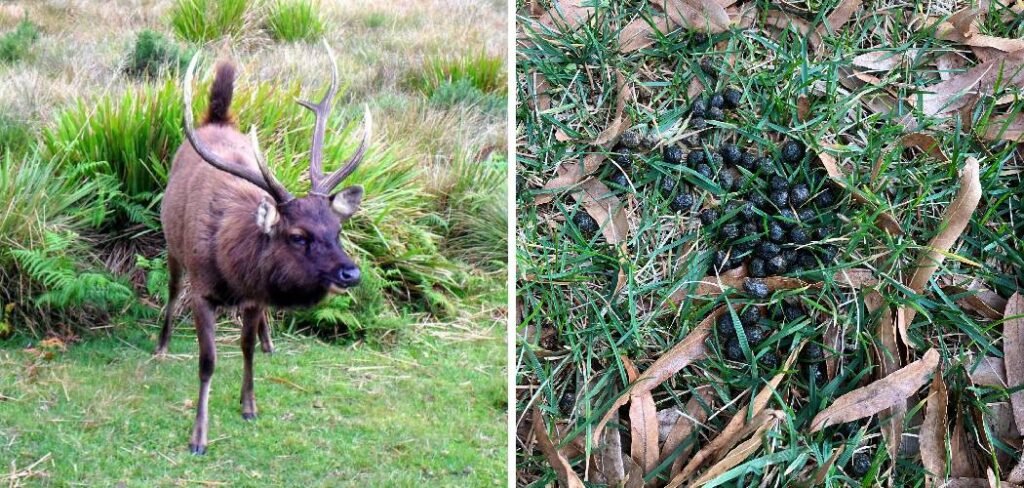
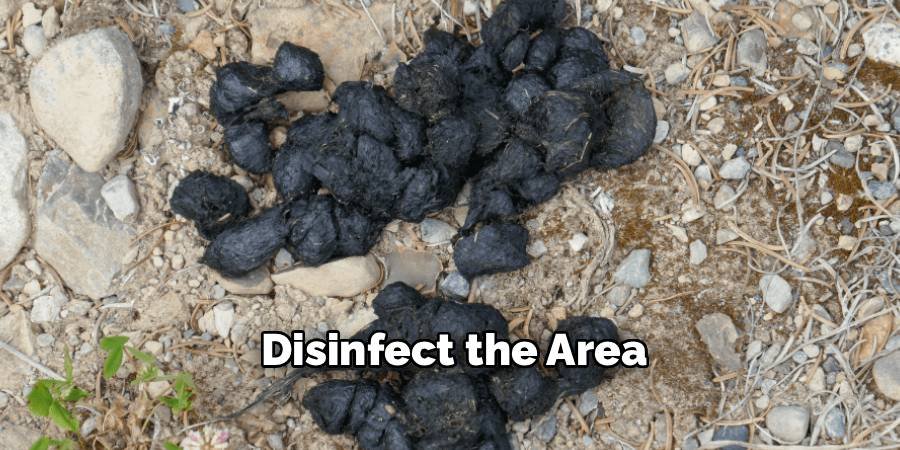
Deer poop typically consists of small, round, or oval-shaped pellets. They are usually dark brown or black and often found in piles. The appearance can vary slightly depending on the deer’s recent diet. When they have been eating moist vegetation like grass and clover, the pellets might clump together in a single mass. When their diet consists of more woody browse, the pellets are usually harder and more distinct.
How Often Should I Clean Deer Droppings From My Yard?
It is best to clean up deer droppings as soon as you notice them. Prompt removal minimizes the health risks to your family and pets and reduces the chance of lawn damage. If deer visit your property frequently, a weekly walk-through of your yard to check for and clean up any waste is a good practice. Regular maintenance keeps your lawn healthy, safe, and looking its best.
Conclusion
Dealing with deer droppings is an unavoidable part of living near wildlife, but it doesn’t have to be a major chore. By following these steps, you can effectively and safely manage the cleanup. Remember to prioritize safety by wearing gloves, collect and dispose of the waste properly, and rinse the area to prevent damage to your grass. With a little routine maintenance, you can keep your lawn healthy, beautiful, and ready for all your outdoor activities. Now that you know how to clean deer poop from lawn areas, you are well-equipped to handle the task with confidence.

About Ravuk Barg
B.Sc. Horticulture Science | Certified Master Gardener
Ravuk Barg has spent more than a decade with his hands in the soil and his head full of questions about why some gardens thrive while others struggle. What started as a single raised bed of tomatoes and basil in a modest backyard has grown into a deep, working knowledge of everything from seed germination and soil amendment to companion planting and seasonal pruning.
Over the years, Ravuk has gardened through drought summers, waterlogged springs, and pest invasions that would make most gardeners hang up their trowels for good. Those hard seasons, he’ll tell you, taught him more than any perfect growing year ever could. He writes from that earned experience—covering vegetable growing, ornamental planting, houseplant care, composting, and garden design with equal confidence and curiosity.
Philosophy & Approach
Ravuk’s approach to gardening is rooted in practicality. He favors organic methods not out of dogma, but because they work long-term—resulting in healthier soil, fewer inputs, and stronger plants. He has a particular fondness for heirloom vegetable varieties (the kind with proper flavor), unruly cottage-style flower beds, and the stubborn houseplants that everyone else gave up on.
The Mission: Give readers the honest, experience-backed advice that helps them actually succeed in their gardens—not just the ideal version, but the real one; weeds, failures, and all.
Education & Credentials
-
B.Sc. in Horticulture Science
-
Greenfield Agricultural University
-
Focus: Plant Physiology, Soil Ecology, and Sustainable Crop Production
-
-
Master Gardener Certification
-
Cooperative Extension Service
-
Focus: 200+ hours of hands-on practical training and community garden work
-
Continuing Education
-
Organic Pest Management
-
Native Plant Landscaping
-
Sustainable Crop Production