

Taking care of your lawn mower is very important if you want a beautiful yard. One of the most important things you need to do is check the oil in your lawn mower. Many people forget to do this, but it can save you a lot of money and trouble later.
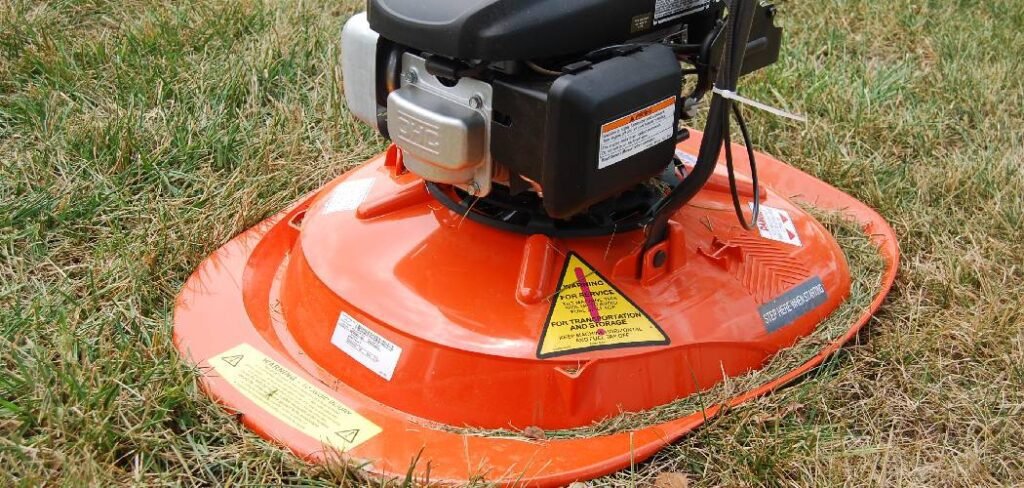
When you know how to check lawn mower oil, you can keep your mower working well for many years. Oil helps the engine parts move smoothly and stay cool. Without enough oil, your mower engine can break and cost a lot of money to fix. This guide will teach you everything you need to know about checking your lawn mower oil. We will show you 10 different ways to do it, answer common questions, and help you take better care of your mower.
Why Checking Lawn Mower Oil is Important
Your lawn mower engine has many moving parts that rub against each other. Oil acts like a slippery coating that helps these parts move without getting damaged. When there is not enough oil, the parts can get very hot and break.
Checking your mower oil regularly can help you:
- Keep your engine running smoothly
- Save money on repairs
- Make your mower last longer
- Cut grass better
- Avoid unexpected breakdowns
Most lawn mower problems happen because people don’t check their oil often enough. It only takes a few minutes to check, but it can save you hundreds of dollars in repair costs.
10 Effective Methods on How to Check Lawn Mower Oil
Method 1: Using the Dipstick
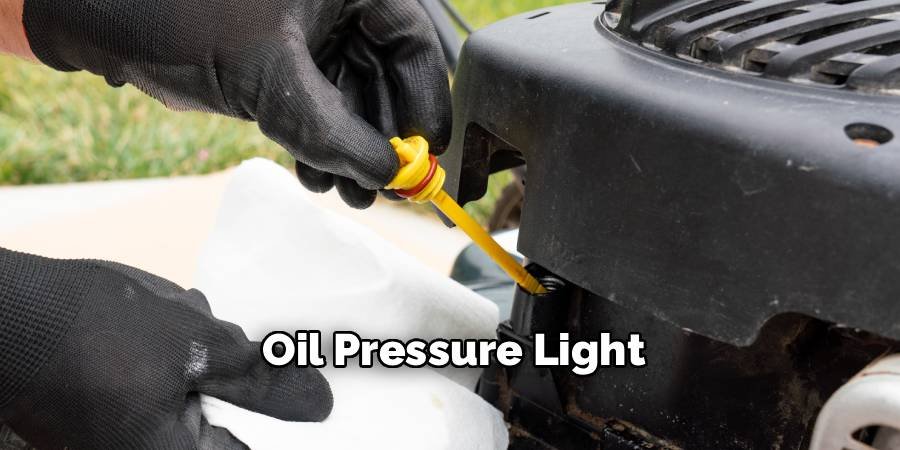
The dipstick is the most common way to check lawn mower oil. This thin metal stick goes into the oil tank and shows you how much oil is inside.
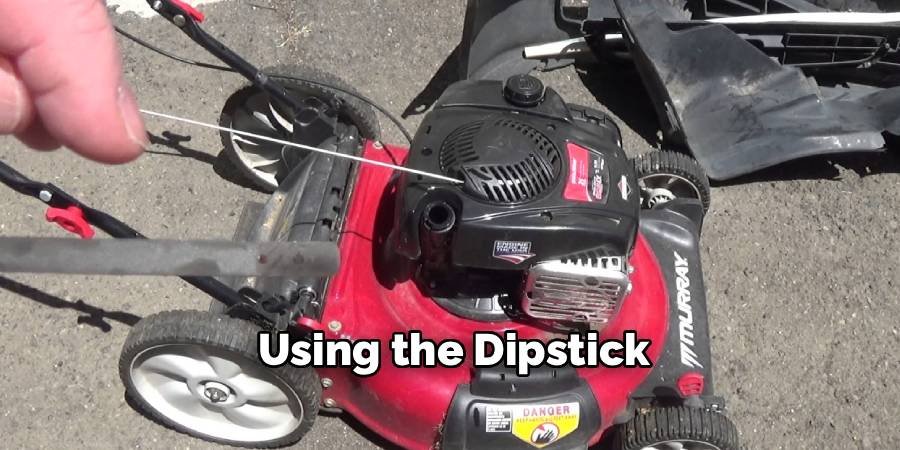
First, make sure your mower is on flat ground and the engine is cool. Take out the dipstick by pulling it straight up. Clean it with a rag or paper towel. Put the dipstick back into the hole all the way down, then pull it out again. Look at the oil level on the stick. There should be marks that show “full” and “add oil.”
Method 2: Oil Level Window Check
Some newer lawn mowers have a small window on the side where you can see the oil level. This makes checking very easy because you don’t need to remove anything. Park your mower on level ground and look at the window. You should see oil inside, and there might be marks showing the right level. If the oil looks very dark or you can’t see much oil, it’s time to add more or change it completely.
Method 3: Oil Cap Inspection
On some mowers, the oil cap itself shows the oil level. These caps have a built-in dipstick that you can’t remove separately. Turn off your mower and let it cool down. Unscrew the oil cap and look at the bottom part. There should be oil on the stick part of the cap. Clean it off, put the cap back on tightly, then take it off again to see the oil level.
Method 4: Digital Oil Monitor
Newer, expensive mowers sometimes have digital displays that show oil levels. These are very accurate and easy to read. Turn on your mower’s display panel and look for oil information. The screen might show a percentage, like “Oil Level 75%” or use symbols like oil drop icons. If the display shows low oil or warning lights, add oil right away.
Method 5: Oil Drain Plug Check
You can also check oil by looking at the drain plug underneath your mower. This method works well when you’re changing the oil.
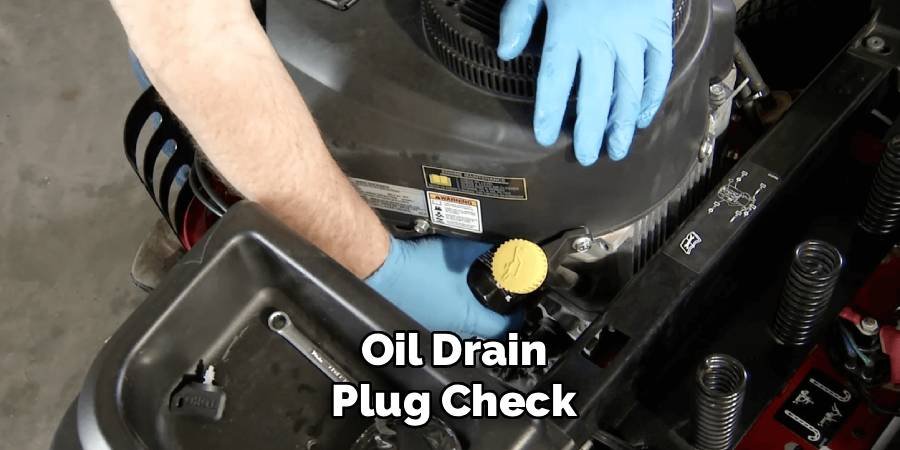
Tip your mower carefully (spark plug side up) or use a ramp to see underneath. Look for the drain plug – it’s usually a bolt at the bottom of the engine. If oil drips out when you slightly loosen it, you have enough oil. If nothing comes out, you need to add more oil.
Method 6: Engine Sound Method
Experienced users can sometimes tell oil levels by listening to the engine. Low oil makes different sounds than normal oil levels. Start your mower and listen carefully. If the engine sounds louder than usual, makes knocking noises, or seems to struggle more than normal, it might be low on oil. This method isn’t perfect, so always double-check with other methods.
Method 7: Oil Pressure Light
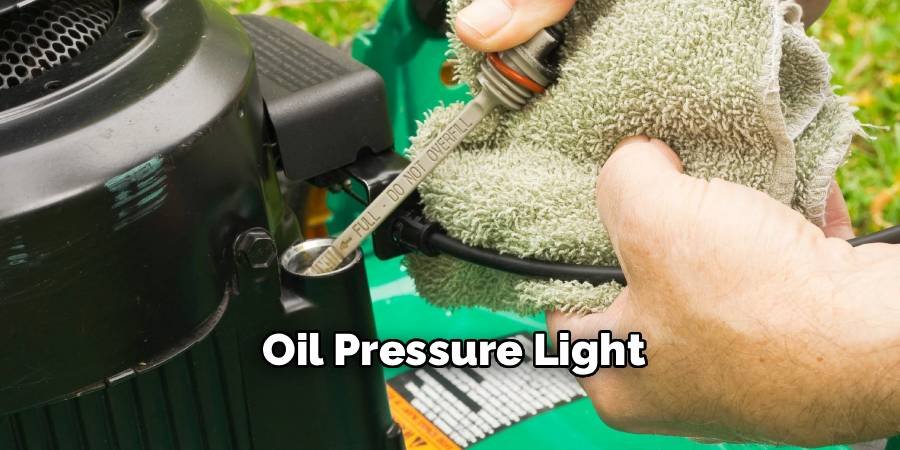
Some mowers have oil pressure warning lights on the dashboard or control panel. These lights turn on when oil is too low. Check your mower’s control area for any warning lights. Red lights usually mean danger, while yellow lights mean caution. If you see an oil-related warning light, stop using the mower immediately and check the oil level properly.
Method 8: Tilt Method for Small Mowers
For small, lightweight mowers, you can sometimes check oil by carefully tilting the mower and looking into the oil fill hole. Make sure the spark plug is facing up when you tilt the mower. Remove the oil cap and use a flashlight to look inside. You should see oil near the bottom of the hole. Be very careful not to tip oil out of the hole or get dirt inside the engine.
Method 9: Oil Change Schedule Method
Keeping track of when you last changed or checked your oil helps you know when to check again. Most mowers need oil checks every 5-10 hours of use. Write down the date and hours on your mower when you last checked the oil. Set a reminder on your phone or calendar to check it again. This prevents you from forgetting and helps you develop good habits.
Method 10: Professional Inspection
If you’re not comfortable checking oil yourself, you can take your mower to a repair shop or ask someone experienced to show you how. Many lawn mower shops offer free quick checks during busy season. They can show you exactly where everything is on your specific mower model and give you tips for your particular machine. This is especially helpful for new mower owners.
Safety Tips When Checking Oil
Always follow these safety rules when working with your lawn mower:
- Turn off the engine and let it cool for at least 30 minutes before checking oil
- Remove the spark plug wire to prevent accidental starting
- Work on level ground so you get accurate readings
- Keep your face away from the oil fill hole to avoid breathing fumes
- Wash your hands thoroughly after handling oil
- Don’t smoke or use open flames near gasoline engines
- Wear safety glasses if oil might splash
When to Add Oil vs. When to Change Oil
Knowing the difference between adding oil and changing oil is important. Add oil when the level is low but the oil still looks clean. Change the oil completely when it looks very dark, thick, or has been in the mower for a long time. Fresh oil should look amber or honey-colored and flow easily. Old oil looks black, feels thick, or has particles floating in it. Most mowers need complete oil changes every 25-50 hours of use or once per season.
Common Oil Problems
Watch out for these common oil issues:
Oil that looks milky or foamy – This usually means water got into the oil, possibly from condensation or a damaged seal. Change the oil immediately.
Metal particles in oil – Small metal pieces mean engine parts are wearing out. This is serious and might need professional repair.
Oil that smells like gasoline – Gas might be leaking into the oil system. Stop using the mower and get professional help.
No oil on the dipstick – Your mower is completely out of oil. Add oil immediately before starting the engine again.
Frequently Asked Questions (FAQs)
Q1: How often should I check lawn mower oil?
You should check your lawn mower oil before every 5th use or at least once a month during mowing season. For new mowers, check more often during the first few uses. Heavy use mowers need checking every 2-3 uses. Always check oil at the beginning of each mowing season and before storing your mower for winter.
Q2: What happens if I run my mower without enough oil?
Running a mower without enough oil can cause serious engine damage. The moving parts will create too much friction and heat, which can warp metal parts, seize the engine, or even cause parts to break completely. This type of damage is usually very expensive to repair and might require a complete engine replacement.
Q3: Can I use car oil in my lawn mower?
You can use some car oils in lawn mowers, but it’s better to use oil made specifically for small engines. Car oil is designed for different conditions than lawn mower engines face. Small engine oil is made to handle the higher temperatures and different operating conditions of lawn mowers. Check your owner’s manual for the right oil type and viscosity.
Q4: Why does my mower oil look black so quickly?
Lawn mower oil turns black faster than car oil because small engines work harder and run hotter. They also don’t have the same filtration systems as cars. Dust, grass clippings, and debris can also make oil dirty faster. Black oil isn’t always bad, but very thick or chunky black oil should be changed immediately.
Q5: How much oil should I add if the level is low?
Add small amounts of oil at a time, usually about 1-2 ounces, then check the level again. Most lawn mower engines hold between 15-20 ounces of oil total. It’s better to add too little and check again than to overfill. Overfilling can cause the engine to smoke, run poorly, or even damage seals and gaskets.
Conclusion
Learning how to check lawn mower oil is one of the most important skills every lawn mower owner should know. Regular oil checks keep your mower running smoothly, prevent expensive repairs, and help your equipment last many years longer. The 10 methods we covered give you different ways to monitor your oil level, from simple dipstick checks to modern digital displays. Remember that safety always comes first – never check oil on a hot engine, and always work on level ground for accurate readings.
Make oil checking part of your regular lawn care routine. Set reminders on your phone, keep a maintenance log, or check oil every few times you mow. These simple steps will save you money and frustration while keeping your lawn looking great all season long. Taking care of your lawn mower oil is easy once you know how to do it properly. Start practicing these methods today, and you’ll have a reliable mower that starts easily and cuts grass beautifully for years to come.

About Ravuk Barg
B.Sc. Horticulture Science | Certified Master Gardener
Ravuk Barg has spent more than a decade with his hands in the soil and his head full of questions about why some gardens thrive while others struggle. What started as a single raised bed of tomatoes and basil in a modest backyard has grown into a deep, working knowledge of everything from seed germination and soil amendment to companion planting and seasonal pruning.
Over the years, Ravuk has gardened through drought summers, waterlogged springs, and pest invasions that would make most gardeners hang up their trowels for good. Those hard seasons, he’ll tell you, taught him more than any perfect growing year ever could. He writes from that earned experience—covering vegetable growing, ornamental planting, houseplant care, composting, and garden design with equal confidence and curiosity.
Philosophy & Approach
Ravuk’s approach to gardening is rooted in practicality. He favors organic methods not out of dogma, but because they work long-term—resulting in healthier soil, fewer inputs, and stronger plants. He has a particular fondness for heirloom vegetable varieties (the kind with proper flavor), unruly cottage-style flower beds, and the stubborn houseplants that everyone else gave up on.
The Mission: Give readers the honest, experience-backed advice that helps them actually succeed in their gardens—not just the ideal version, but the real one; weeds, failures, and all.
Education & Credentials
-
B.Sc. in Horticulture Science
-
Greenfield Agricultural University
-
Focus: Plant Physiology, Soil Ecology, and Sustainable Crop Production
-
-
Master Gardener Certification
-
Cooperative Extension Service
-
Focus: 200+ hours of hands-on practical training and community garden work
-
Continuing Education
-
Organic Pest Management
-
Native Plant Landscaping
-
Sustainable Crop Production