

As the days grow shorter and a chill fills the air, you might notice your houseplants need a little extra attention. Air plants, or Tillandsia, are no exception. These unique, soil-free wonders have specific needs that change with the seasons. While they are relatively low-maintenance, the dry, cool conditions of winter can pose challenges. Understanding how to care for air plants in winter is key to ensuring they not only survive but thrive until spring returns. This guide will walk you through everything you need to know to keep your airy companions healthy and vibrant all season long.
Why Winter Care for Air Plants is Different
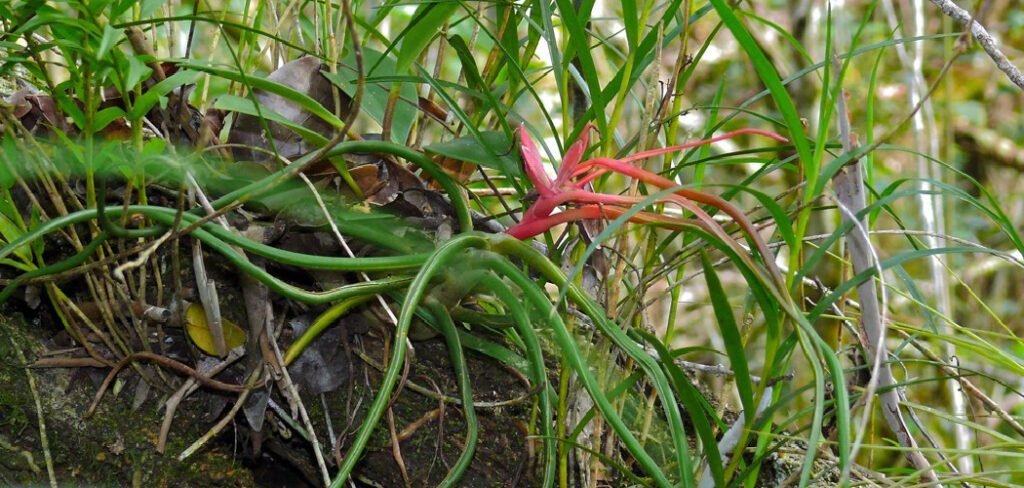
Air plants originate from the warm, humid climates of the southern United States, Mexico, and Central and South America. Their natural environment is quite different from the typical indoor conditions of a home during winter. Central heating systems create a much drier atmosphere, which can quickly dehydrate these epiphytes that absorb moisture through their leaves. Additionally, the reduced daylight hours mean less natural light, impacting their ability to photosynthesize and grow. Adjusting your care routine to counteract these environmental shifts is crucial for their well-being.
8 Step Methods Guide on How to Care for Air Plants in Winter
Step 1: Adjust Your Watering Schedule
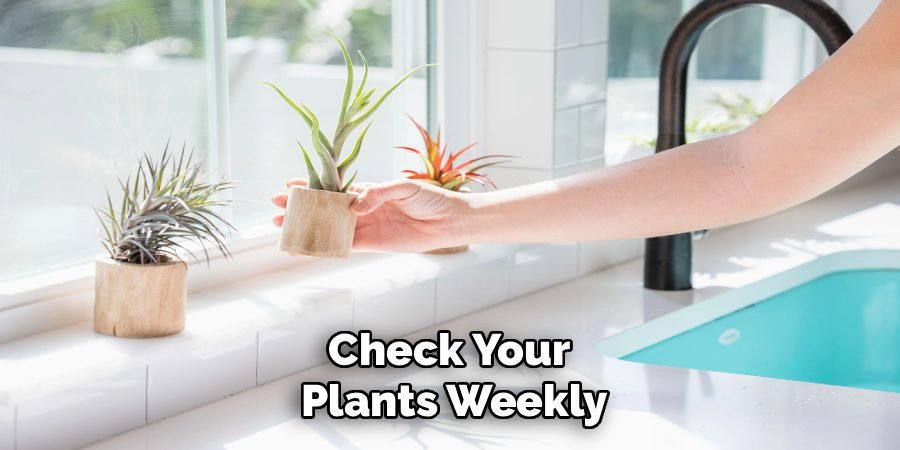
During winter, you’ll likely need to modify how often you water your air plants. While indoor air is drier, the plants’ metabolic processes slow down due to lower light and cooler temperatures. Overwatering can be a significant risk, leading to rot. Instead of sticking to a rigid summer schedule, check your plants weekly. A good rule of thumb is to soak them for 20-30 minutes every two to three weeks, rather than weekly. Always let them dry completely before returning them to their display to prevent fungal issues.
Step 2: Ensure Thorough Drying
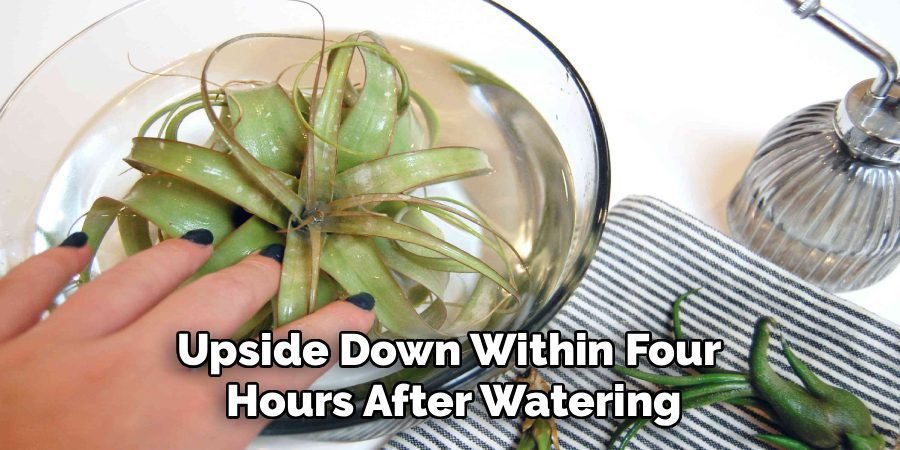
After watering, proper drying is more important than ever in the cooler months. Air circulation is often lower in closed-up winter homes, which means it takes longer for plants to dry. After a soak, gently shake off any excess water and place the air plant upside down on a towel in a well-ventilated area for at least four hours. This prevents water from collecting at the base of the leaves, which is a primary cause of rot. A small fan on a low setting can help speed up the process if your home is particularly still.
Step 3: Find the Brightest Spot
Winter brings shorter days and weaker sunlight. To compensate, move your air plants to the brightest location in your home. A south- or west-facing window is ideal, as it will provide the most available indirect sunlight. Be mindful not to place them so close to the glass that they get too cold, especially overnight. If your home lacks sufficient natural light, consider supplementing with a full-spectrum grow light for 8-10 hours a day to keep your Tillandsia happy and photosynthesizing properly.
Step 4: Manage Humidity Levels
Central heating systems are notorious for creating desert-like conditions indoors. Since air plants absorb moisture from the air, this dry environment can be stressful for them. To increase humidity, you can mist your plants lightly a few times a week between soakings. Another great method is to group plants together, as they will create a small pocket of higher humidity. Placing them near a humidifier or in a naturally more humid room like a bathroom (if it has enough light) can also be very beneficial.
Step 5: Protect from Cold Drafts and Heat Sources
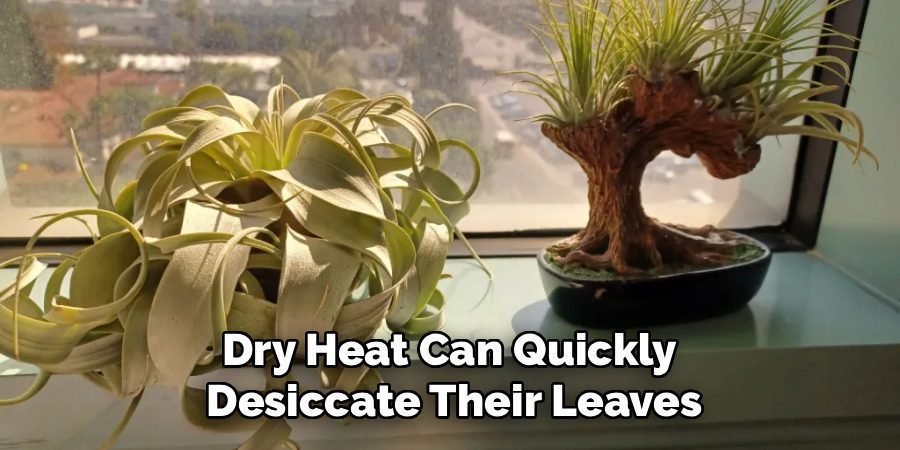
Extreme temperature fluctuations are stressful for air plants. Keep them away from cold drafts coming from windows, doors, or vents. Sudden drops in temperature can shock the plant. Similarly, avoid placing them directly next to heat sources like radiators, fireplaces, or heating vents. The intense, dry heat can quickly desiccate their leaves, causing them to dry out beyond recovery. A stable, consistent temperature between 50 and 90 degrees Fahrenheit is the goal for healthy plants. This stability is a key part of learning how to care for air plants in winter.
Step 6: Hold Off on Fertilizing
Air plants, like many houseplants, enter a period of dormancy or slow growth during the winter. Because they are not actively growing, they do not require the extra nutrients that fertilizer provides. Fertilizing during this rest period can do more harm than good, as the unused nutrients can build up and burn the plant’s leaves. It is best to pause any fertilizing routine at the end of fall and resume in the spring when you notice signs of new growth.
Step 7: Watch for Signs of Distress
Pay close attention to your plants’ appearance, as they will give you clues about their health. Curled or tightly closed leaves often indicate dehydration, signaling that the plant needs a good, long soak. Conversely, dark or mushy bases are a classic sign of rot from overwatering or inadequate drying. Brown or crispy leaf tips can also point to a lack of humidity. Regularly inspecting your plants allows you to catch these issues early and adjust your care routine before the problem becomes severe.
Step 8: Prune and Tidy Up
Winter is a good time for a little light grooming. You can safely trim off any dried or dead leaf tips using a clean, sharp pair of scissors. Cut at an angle to create a more natural look. You can also remove any lower leaves that have completely dried out. This not only improves the plant’s appearance but also helps redirect its energy toward healthier parts of the plant. This simple maintenance ensures your air plant looks its best while it rests through the colder months.
Water Sparingly
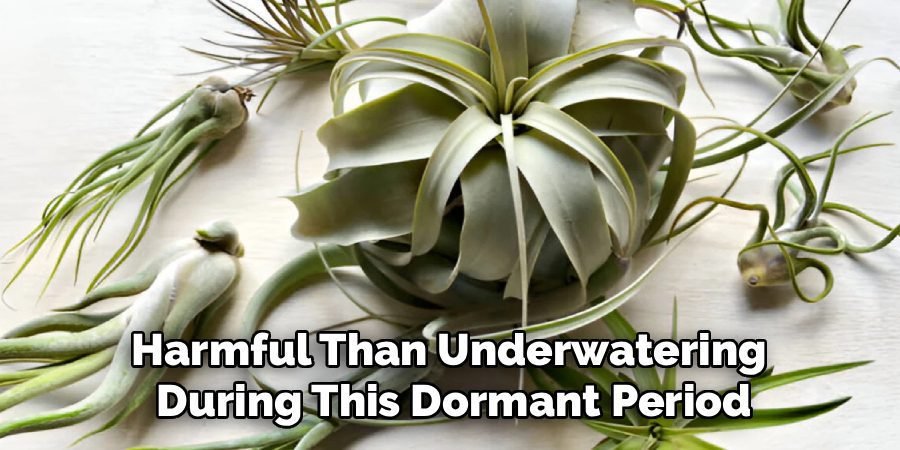
During the winter months, air plants require less water due to reduced growth activity. Mist your plants lightly once a week or soak them briefly every two weeks, depending on your home’s humidity and temperature. Always ensure they dry completely within a few hours to avoid rot. Overwatering can be more harmful than underwatering during this dormant period, so it’s important to adjust your care routine accordingly.
Frequently Asked Questions (FAQ)
Should I Mist My Air Plants More in Winter?
While indoor air is drier, misting should be done with caution. Misting can provide a temporary humidity boost, which is helpful. You can lightly mist your plants every 2-3 days, but it does not replace a thorough watering session. Ensure the plants can dry quickly after misting to avoid potential rot, especially in rooms with poor air circulation. It’s often better to focus on a consistent soaking schedule and other methods to raise ambient humidity, like using a humidifier or creating a pebble tray.
Can Air Plants Survive Outside in the Winter?
For most regions, air plants cannot survive outside during winter. They are not frost-tolerant and will be severely damaged or killed by freezing temperatures. If your air plants have been living outdoors during the warmer months, you must bring them inside before the first frost. They thrive in temperatures above 50°F. Once indoors, place them in a location where they receive bright, indirect light and are protected from cold drafts.
Why Are My Air Plant’s Leaves Turning Brown at the Tips?
Brown, crispy leaf tips are a common sign of underwatering or low humidity. During winter, the dry air from central heating is often the culprit. To fix this, you can increase the frequency of your soakings slightly or extend the soaking time to 30-40 minutes. You can also supplement with regular misting or place a humidifier nearby. Trimming off the brown tips with sharp scissors will improve the plant’s appearance, but addressing the underlying moisture issue is key to preventing it from continuing.
How Do I Know if I’m Overwatering My Air Plant?
Overwatering is the most common reason for an air plant’s demise. The primary sign of overwatering is rot, which typically starts at the base of the plant. The base will turn dark brown or black and feel soft and mushy. The inner leaves may fall out easily when gently tugged. Unfortunately, rot is usually irreversible. To avoid it, always ensure your plant dries completely and upside down within four hours after watering. Reduce watering frequency during the winter to accommodate their slower growth.
Do Air Plants Need a Grow Light in the Winter?
A grow light can be a great tool for air plant care during the winter, especially if you live in an area with very short or overcast days. Air plants need bright, indirect light to photosynthesize. If you cannot provide enough natural light from a window, a full-spectrum LED or fluorescent grow light is an excellent alternative. Position the light about 6 to 12 inches away from the plants and leave it on for about 8-10 hours per day to supplement the limited natural daylight.
Conclusion
Keeping your air plants in top condition through the colder months doesn’t have to be complicated. By making a few simple adjustments to your routine, you can easily navigate the challenges of lower light and drier air. Paying attention to watering, ensuring they dry completely, providing adequate light, and protecting them from temperature extremes are the most important steps. Now that you know how to care for air plants in winter, you are well-equipped to provide a stable and healthy environment for your Tillandsia, ensuring they emerge in the spring ready for a new season of growth.

About Ravuk Barg
B.Sc. Horticulture Science | Certified Master Gardener
Ravuk Barg has spent more than a decade with his hands in the soil and his head full of questions about why some gardens thrive while others struggle. What started as a single raised bed of tomatoes and basil in a modest backyard has grown into a deep, working knowledge of everything from seed germination and soil amendment to companion planting and seasonal pruning.
Over the years, Ravuk has gardened through drought summers, waterlogged springs, and pest invasions that would make most gardeners hang up their trowels for good. Those hard seasons, he’ll tell you, taught him more than any perfect growing year ever could. He writes from that earned experience—covering vegetable growing, ornamental planting, houseplant care, composting, and garden design with equal confidence and curiosity.
Philosophy & Approach
Ravuk’s approach to gardening is rooted in practicality. He favors organic methods not out of dogma, but because they work long-term—resulting in healthier soil, fewer inputs, and stronger plants. He has a particular fondness for heirloom vegetable varieties (the kind with proper flavor), unruly cottage-style flower beds, and the stubborn houseplants that everyone else gave up on.
The Mission: Give readers the honest, experience-backed advice that helps them actually succeed in their gardens—not just the ideal version, but the real one; weeds, failures, and all.
Education & Credentials
-
B.Sc. in Horticulture Science
-
Greenfield Agricultural University
-
Focus: Plant Physiology, Soil Ecology, and Sustainable Crop Production
-
-
Master Gardener Certification
-
Cooperative Extension Service
-
Focus: 200+ hours of hands-on practical training and community garden work
-
Continuing Education
-
Organic Pest Management
-
Native Plant Landscaping
-
Sustainable Crop Production