

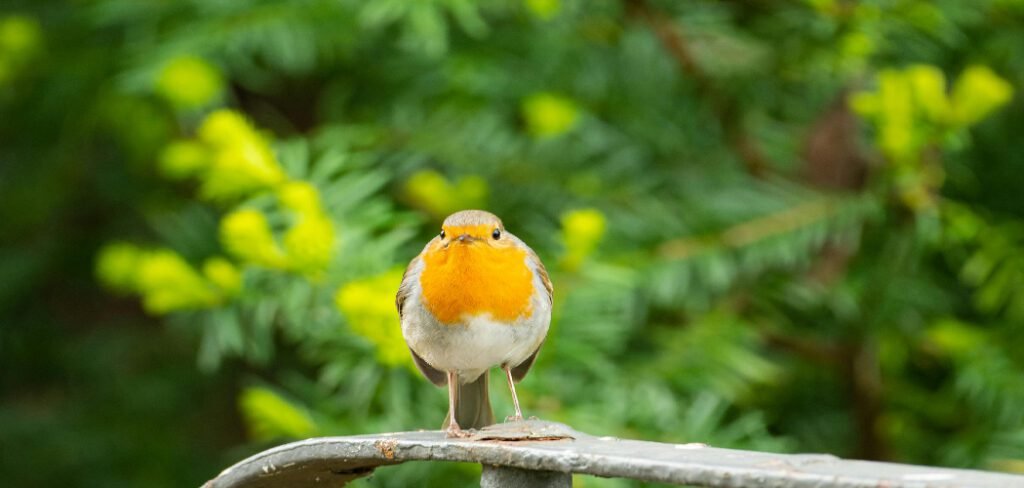
The American Robin, with its cheerful song and bright orange breast, is a beloved sight in many backyards. These birds are not just pretty visitors; they are also excellent helpers, feasting on insects and grubs that can damage your plants. For many gardeners and nature lovers, creating a welcoming space for these feathered friends is a rewarding experience. It connects you more deeply with the local ecosystem and brings daily moments of joy. If you’re wondering how to attract robins to your garden, you’ve come to the right place. This guide will walk you through simple, effective steps to turn your yard into a robin paradise.
Why You Should Attract Robins to Your Garden
Inviting robins into your garden offers more than just the pleasure of watching them. These birds are natural pest controllers, diligently searching for insects, snails, and grubs that might otherwise harm your plants. Their presence indicates a healthy, balanced ecosystem right in your backyard. Furthermore, their melodic song is one of the first signs of spring, bringing a sense of life and renewal. Learning how to attract robins to your garden is a wonderful way to support local wildlife while creating a more vibrant and ecologically sound outdoor space for you and your family to enjoy.
8 Step Methods Guide on How to Attract Robins to Your Garden
Step 1: Provide a Reliable Water Source
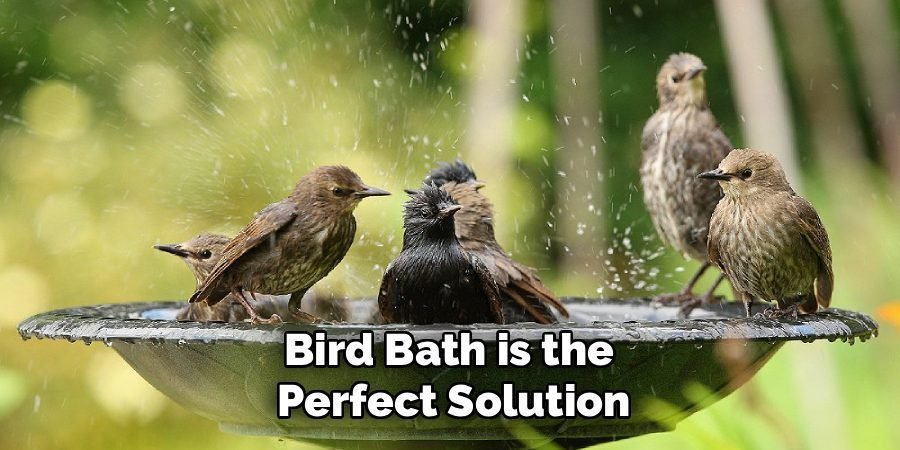
Robins, like all birds, need a consistent source of fresh water for drinking and bathing. A bird bath is the perfect solution. Choose a shallow basin, no more than two to three inches deep, with a rough surface for good grip. Robins prefer ground-level baths, which mimic natural puddles. Place it in a relatively open area so they can watch for predators, but close enough to a tree or shrub for a quick escape. Remember to clean the bath and change the water every couple of days to prevent algae growth and keep it appealing.
Step 2: Offer Their Favorite Foods
While robins are famous for pulling earthworms from lawns, their diet is quite varied. To attract them, offer a buffet of their preferred foods. They love fruits and berries, so planting native berry-producing shrubs like dogwood, serviceberry, or holly is a fantastic long-term strategy. For a more immediate offering, you can place mealworms (live or dried), suet cakes, or chopped apples and berries on a ground-level platform feeder. Spreading these treats near shrubbery can make the robins feel safer while they eat, encouraging them to return.
Step 3: Maintain an Open Lawn Space
Robins are ground foragers, and they need open, grassy areas to hunt for their primary food source: earthworms and insects. A well-maintained lawn provides the perfect hunting ground. Avoid using pesticides and herbicides on your grass, as these chemicals can harm the robins and eliminate their food supply. Keeping the grass cut to a moderate length makes it easier for them to spot and pull up worms. A healthy, natural lawn is one of the most effective ways to invite robins to stop by for a meal.
Step 4: Create Safe Nesting Areas
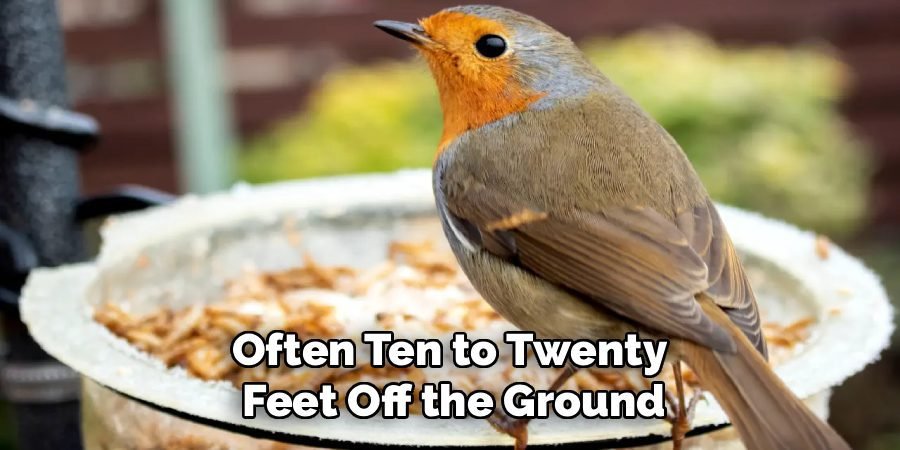
When robins feel secure, they may choose your garden to build a nest and raise a family. They typically build their cup-shaped nests on a sturdy branch in a tree or dense shrub, often ten to twenty feet off the ground. Robins also appreciate ledges on man-made structures. You can encourage nesting by providing a small nesting platform in a sheltered location, such as under an eave or in a protected corner of a porch. Ensure the area is safe from common predators like cats by keeping it relatively high and clear of easy access points.
Step 5: Plant Native Trees and Shrubs
Native plants are essential for creating a robin-friendly habitat. They provide natural food sources, shelter from predators, and ideal nesting sites. Consider planting a mix of small trees and dense shrubs that offer protection and produce berries. Serviceberry, chokecherry, and winterberry are excellent choices that provide food at different times of the year. Layering your garden with different plant heights—from ground cover to tall trees—creates a dynamic environment that mimics a natural woodland edge, which robins find particularly attractive.
Step 6: Leave Some Leaf Litter
Don’t be too tidy with your garden cleanup, especially in the fall. A layer of fallen leaves under trees and in garden beds creates a rich, moist environment perfect for the insects, spiders, and worms that robins love to eat. As robins hop along the ground, they will energetically toss leaves aside in search of a meal. This practice of leaving the leaves not only provides a natural foraging area for birds but also enriches your soil as the leaves decompose, creating a win-win for your entire garden ecosystem.
Step 7: Build a Brush Pile
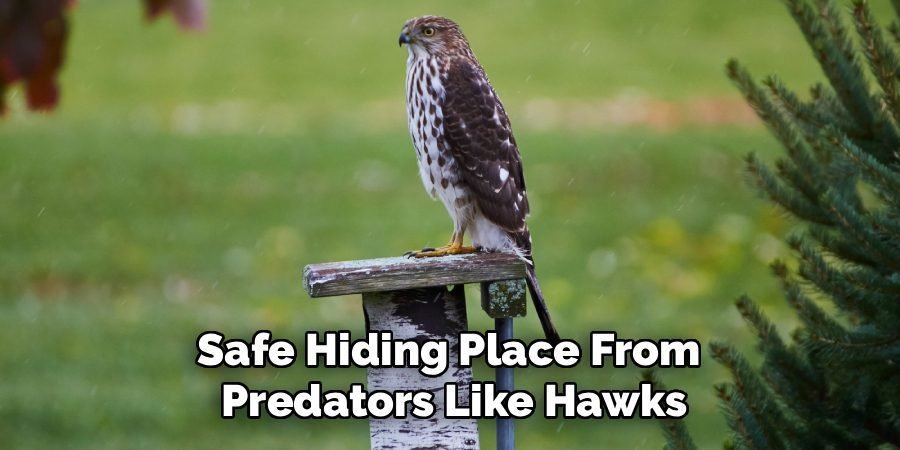
A simple brush pile can be an invaluable resource for robins and other backyard wildlife. Construct one by loosely stacking fallen branches, twigs, and old Christmas tree boughs in a quiet corner of your yard. This structure offers immediate shelter from harsh weather and a safe hiding place from predators like hawks. It also provides a protected spot for foraging, as insects and other small creatures will make their homes within the pile. A brush pile is a low-effort, high-impact feature for making birds feel secure.
Step 8: Avoid Using Chemicals
A chemical-free garden is a healthy garden for birds. Pesticides, insecticides, and herbicides can be directly toxic to robins if ingested. They also eliminate the insects and worms that robins depend on for food, effectively turning your garden into a food desert. Embrace organic gardening practices to manage pests and weeds. A healthy, balanced ecosystem will naturally keep most pest populations in check, and you’ll have the added benefit of knowing your yard is a safe and nourishing place for all its inhabitants.
Provide Fresh Water Sources
Birds, including robins, need fresh water for drinking and bathing. Consider adding a birdbath, shallow dish, or small fountain to your garden to give them easy access to water. Be sure to keep the water clean by regularly emptying, rinsing, and refilling it to prevent the spread of diseases. Placing the water source near bushes or trees can provide birds with a quick escape if they sense danger, ensuring they feel secure while hydrating or preening.
Frequently Asked Questions (FAQ)
What Time of Day Are Robins Most Active?
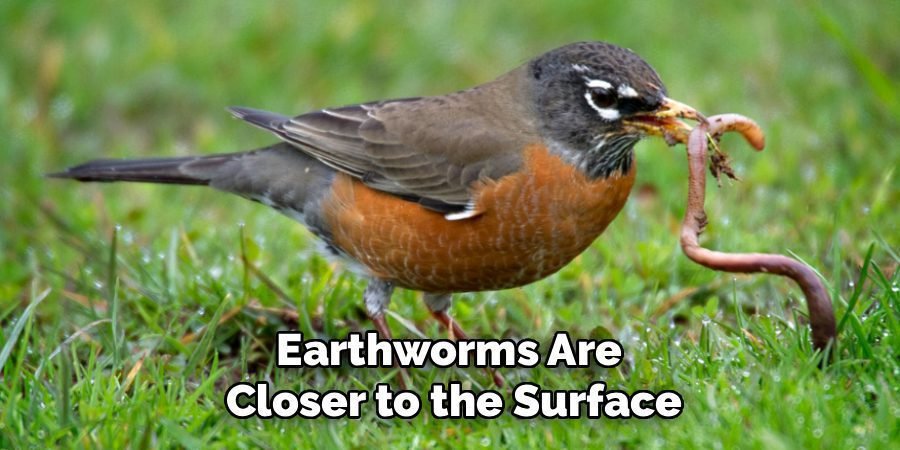
Robins are diurnal, meaning they are most active during the day. You will often see them foraging in the early morning and late afternoon when the ground is moist and earthworms are closer to the surface. Their famous “cheer-up, cheerily” song is also most prominent at dawn, often being the first bird song you hear as the sun rises. Observing your garden during these times will give you the best chance of spotting these active birds.
Will Robins Use a Birdhouse?
No, robins will not use an enclosed birdhouse. As members of the thrush family, they build their nests in the open. Their nests are cup-shaped and constructed with mud, grass, and twigs. They prefer to build on a solid, sheltered surface with a good view, such as a sturdy tree branch, a dense shrub, or a man-made ledge. If you want to provide a nesting spot, a nesting shelf or platform is a much better option than a traditional birdhouse.
What Is the Best Food to Put Out for Robins?
While robins love earthworms, offering live or dried mealworms is one of the most effective ways to attract them to a feeder. They are also drawn to fruits and berries. You can put out chopped apples, raisins, blueberries, and suet with berries mixed in. Place these foods on a ground feeder or a low platform tray, as robins are most comfortable foraging on or near the ground. Avoid offering bread, as it provides very little nutritional value for them.
How Can I Protect Robins From Cats?
Outdoor cats are a significant threat to ground-feeding birds like robins. The best way to protect them is to keep cats indoors. If you have a cat, consider building an outdoor “catio” to allow them safe access to the outdoors without harming wildlife. If neighborhood cats are the issue, you can use motion-activated sprinklers to deter them from entering your yard. Placing feeders and bird baths away from dense shrubbery where cats can hide can also give robins a better chance to escape.
Why Have the Robins Disappeared From My Garden?
Robins are migratory in many parts of North America, so their presence can be seasonal. They may leave during the hot, dry parts of summer when worms are harder to find or migrate south for the winter in colder climates. If your robins disappear, it could also be due to a lack of food or water, or the presence of a predator. Ensure your bird bath is full and clean, and try offering supplementary foods like mealworms to encourage them to stay.
Conclusion
Creating a welcoming environment for robins is a simple and deeply gratifying project for any gardener. By providing the core essentials of food, water, and shelter, you can transform your yard into a bustling haven for these iconic birds. From maintaining a patch of lawn to offering berries and a shallow bird bath, each small step contributes to a healthier ecosystem. You’ll not only enjoy their beautiful songs and lively antics but also benefit from their natural pest control services. Now that you know how to attract robins to your garden, you can start making these simple changes and watch as your outdoor space comes to life.

About Ravuk Barg
B.Sc. Horticulture Science | Certified Master Gardener
Ravuk Barg has spent more than a decade with his hands in the soil and his head full of questions about why some gardens thrive while others struggle. What started as a single raised bed of tomatoes and basil in a modest backyard has grown into a deep, working knowledge of everything from seed germination and soil amendment to companion planting and seasonal pruning.
Over the years, Ravuk has gardened through drought summers, waterlogged springs, and pest invasions that would make most gardeners hang up their trowels for good. Those hard seasons, he’ll tell you, taught him more than any perfect growing year ever could. He writes from that earned experience—covering vegetable growing, ornamental planting, houseplant care, composting, and garden design with equal confidence and curiosity.
Philosophy & Approach
Ravuk’s approach to gardening is rooted in practicality. He favors organic methods not out of dogma, but because they work long-term—resulting in healthier soil, fewer inputs, and stronger plants. He has a particular fondness for heirloom vegetable varieties (the kind with proper flavor), unruly cottage-style flower beds, and the stubborn houseplants that everyone else gave up on.
The Mission: Give readers the honest, experience-backed advice that helps them actually succeed in their gardens—not just the ideal version, but the real one; weeds, failures, and all.
Education & Credentials
-
B.Sc. in Horticulture Science
-
Greenfield Agricultural University
-
Focus: Plant Physiology, Soil Ecology, and Sustainable Crop Production
-
-
Master Gardener Certification
-
Cooperative Extension Service
-
Focus: 200+ hours of hands-on practical training and community garden work
-
Continuing Education
-
Organic Pest Management
-
Native Plant Landscaping
-
Sustainable Crop Production