

Bumble bees are amazing helpers for your garden. These fuzzy, friendly pollinators make your flowers bloom better and help your vegetables grow bigger. Learning how to attract bumble bees to your garden is one of the best things you can do for your plants and the environment.
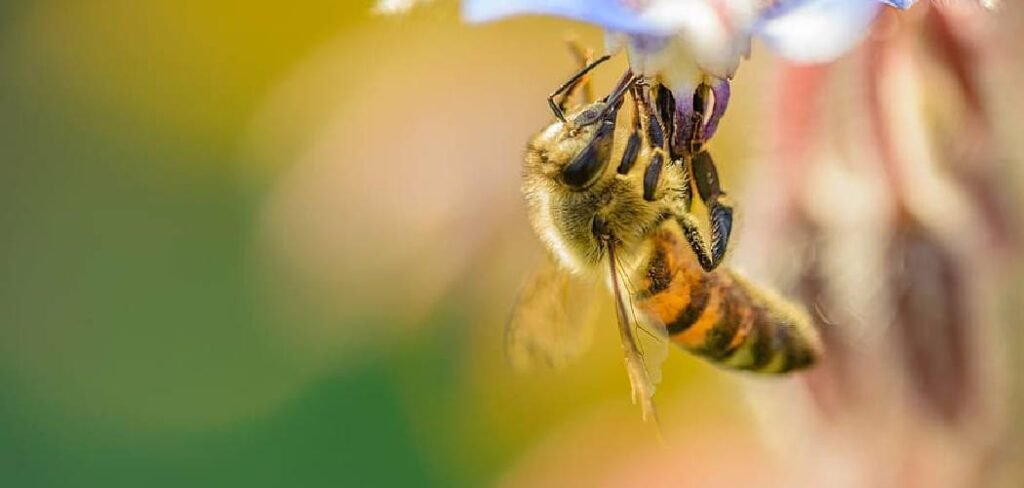
Many gardens today lack the essentials bumblebees need to survive. Without these important pollinators, plants struggle to produce fruit and seeds. The good news is, creating a bumblebee paradise in your backyard is easier than you might think. You don’t need any special skills or expensive equipment – just the right plants and a few simple changes. Bumblebees are different from honey bees. They are larger, bushier, and can fly in colder weather. They don’t make honey either, but they are very good at pollinating many types of plants. A bumblebee can visit up to 5,000 flowers in a day!
Why Bumble Bees Are Important for Your Garden
Understanding why these bees matter helps you see why learning how to attract bumble bees to your garden is so important. Bumble bees are super pollinators that help with:
- Fruit production – tomatoes, berries, and fruit trees need bumble bee pollination
- Vegetable growth – peppers, eggplants, and squash rely on these busy workers
- Flower reproduction – many garden flowers depend on bumble bees for seeds
- Food chain support – bumble bees feed birds and other wildlife
- Ecosystem balance – they help wild plants survive and spread
Without bumble bees, your garden would produce much less food. Some plants can’t make fruits or seeds at all without bee pollination. This is why creating a bee-friendly space benefits everyone.
Signs of a Healthy Bumble Bee Population
When you successfully learn how to attract bumble bees to your garden, you’ll notice these positive changes:
- More fruits and vegetables in your harvest
- Bigger, more colorful flowers throughout the growing season
- Increased bird activity as they feed on the extra seeds and insects
- Better plant health and stronger growth
- A buzzing, lively atmosphere in your garden during warm days
You’ll also see many different types of bumblebees. Some are yellow and black, others are orange and black, and some have white undersides. Each species has its favorite flowers and nesting preferences.
10 Effective Methods to Attract Bumble Bees to Your Garden
1. Plant Native Flowering Plants
Native plants are the best way to attract bumblebees because they evolved together. These plants provide exactly what native bees need for food and shelter. Studies have shown that native plants support 4 times more bee species than non-native species. Choose plants that bloom at different times throughout the growing season. Spring flowers like wild lupine and serviceberry provide early food for bees when they wake up. Summer favorites include bee balm, black-eyed Susan, and purple coneflower. Fall flowers like asters and goldenrod help bees prepare for winter.
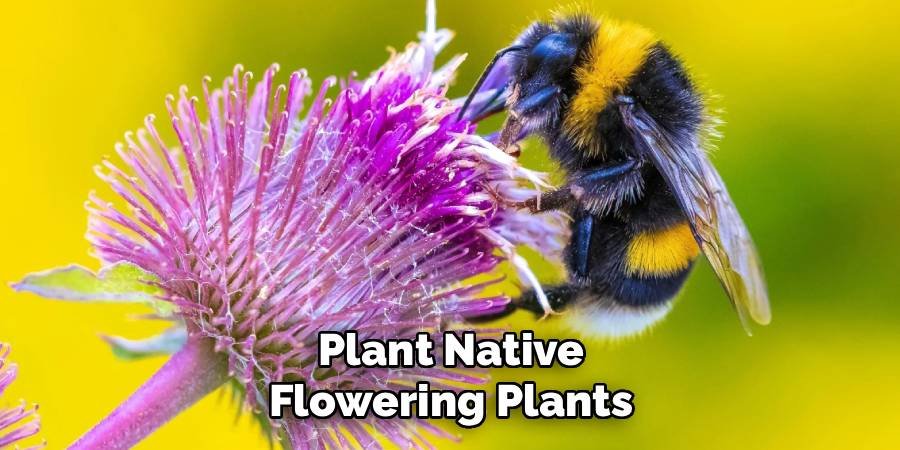
Plant flowers of the same type in groups of 3-5. This makes it easier for bees to find them and collect more pollen in one trip. Native plants also require less water and fertilizer, making your garden more sustainable.
2. Create Continuous Bloom Seasons
Bumble bees need flowers from early spring until late fall. Planning your garden to have something blooming all season long is crucial for how to attract bumble bees to your garden successfully.
Spring bloomers:Crocus, wild cherry, redbud and dandelion (well, dandelions are great for weeds!)
Summer flowers: Lavender, sunflowers, zinnias, and herbs like oregano and thyme
Fall options: Sedum, asters, and late-blooming wildflowers
Keep a garden journal to track when each plant blooms. This will help you identify gaps in flower availability and plan better for the following year. Aim for at least 3 different blooms at any given time during the growing season.
3. Provide Natural Nesting Sites
Unlike honey bees that live in hives, bumble bees nest in the ground or in small cavities. Creating good nesting spots is essential when learning how to attract bumble bees to your garden. Keep parts of your yard clear of weeds and brush. Bumblebee queens like to nest in old mouse holes, under brush piles, or in tall grass. Use fallen branches and leaves to create a brush pile in a quiet corner of your home. You can also make artificial nesting boxes using wooden boxes filled with natural materials like moss, dried grass, and cotton balls. Place these boxes in a shady area protected from rain and wind.
4. Eliminate Pesticide Use
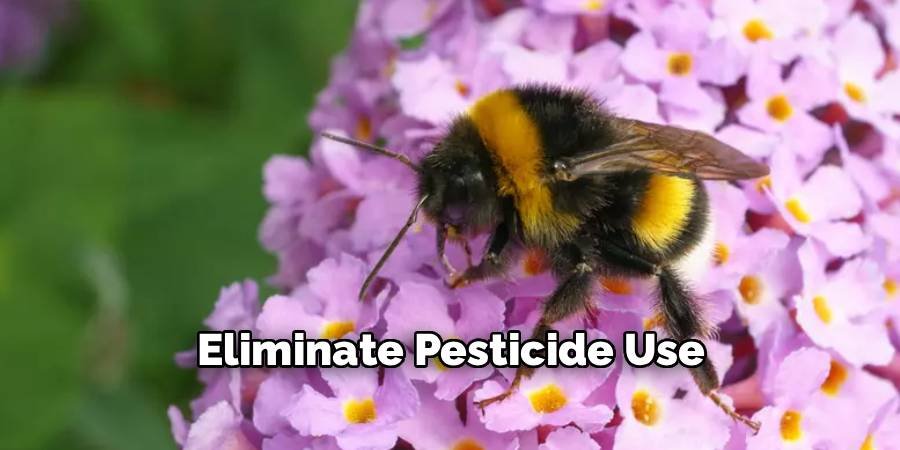
Even though pesticides are formulated for other insects, they kill bumblebees. Many common garden chemicals remain on plants for weeks, poisoning bees that visit flowers long after they are applied.
Switch to organic pest control methods like:
- Encouraging beneficial insects that eat garden pests
- Using companion planting to naturally repel harmful bugs
- Hand-picking larger pests like caterpillars and beetles
- Spraying soapy water on soft-bodied insects like aphids
If you must use pest control, choose products labeled bee-safe and apply them in the evening when bees are less active. Always read labels carefully and follow all safety instructions.
5. Plant Herbs and Vegetables That Bees Love
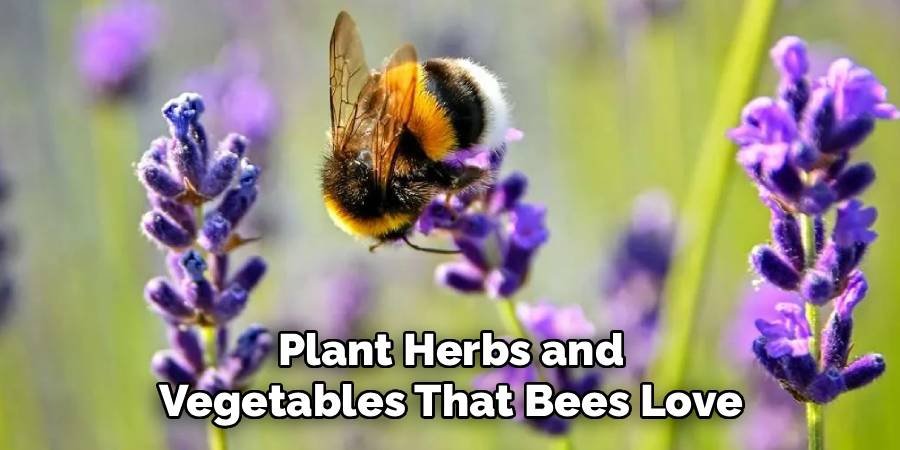
Many herbs and vegetables produce flowers that are favored by bumblebees. This is a great way to attract pollinators while producing food for your family.
Bee-favorite herbs: Basil, oregano, thyme, rosemary, sage, and mint – all three of these plants produce small flowers that bees pollinate. Some plants bloom without all the leaves being cut off.
Vegetable flowers: Squash, cucumber, and bean flowers provide excellent food sources. Tomato flowers are especially important because only bumblebees can pollinate them properly through “buzzer pollination.”
Plant them in a sunny spot near your main flower garden. The combination of herbs, vegetables, and flowers creates a varied buffet that helps keep bees coming back all season long.
6. Build a Bee-Friendly Water Source
Bumblebees need clean, shallow water to drink and cool their nests. Traditional bird baths are often too deep and dangerous for the bees.
Create safe water sources by:
- Adding stones or cork pieces to bird baths so bees can land safely
- Using shallow dishes filled with pebbles and water
- Installing dripping water features that create small puddles
- Maintaining small mud puddles in your garden (bees use mud for nest building)
Change the water every few days to prevent mosquito breeding. Place the water source near flowering plants, but not directly below where bees could accidentally fall in.
7. Design Sheltered Garden Spaces
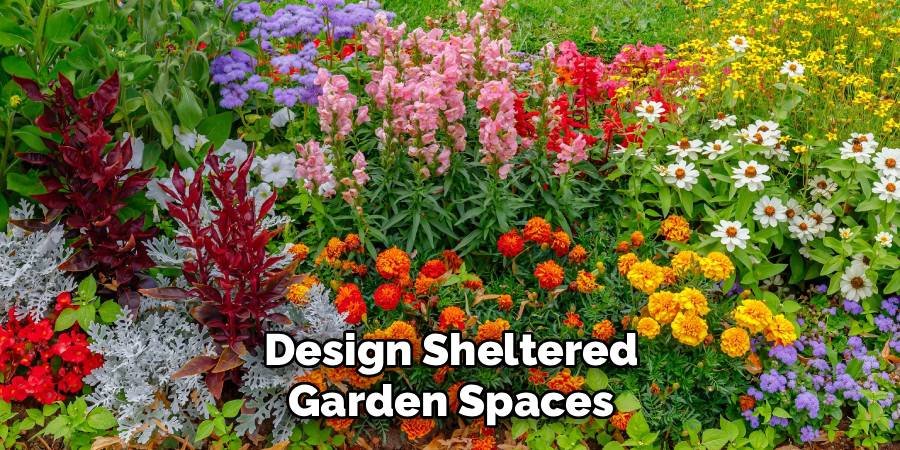
Bumblebees need protection from strong winds and heavy rain. Creating shelter in your garden can help them work more efficiently and stay safe in bad weather. Plant tall flowers and shrubs for natural wind protection. Dense vegetation also provides a place to hide during storms. Consider these shelter-creating plants:
- Tall sunflowers along garden edges
- Dense shrubs like elderberry and spicebush
- Ornamental grasses that create cozy microclimates
Avoid using too much landscape fabric or mulch. Bumble bees need access to bare soil to build their nests and collect mud.
8. Choose Single-Petal Flowers Over Doubles
When choosing flowers, opt for simple, single-petal varieties rather than fancy two-petal ones. Two-petal flowers often have so many petals that bees can’t reach the pollen and nectar inside.
Great single-petal choices: Cosmos, black-eyed Susans, native asters, and simple marigolds Avoid these doubles: Double impatiens, double petunias, and heavily bred roses. Single flowers produce more pollen and honey because the plant’s energy is spent on reproduction rather than on extra petals. This makes them much more valuable for bees to feed on.
9. Maintain Year-Round Garden Structure
Learning how to attract bumblebees to your garden means thinking about all seasons, not just summer. Leave some tree branches and seed heads standing through the winter. They provide overwintering sites for beneficial insects and food for birds. Don’t over-clean your garden in the fall. Leaf litter and plant debris create hiding places for queen bees that need to survive the winter. They will emerge in the spring to establish new colonies in your bee-friendly space. Manure piles also attract bumblebees. The decaying materials create warm places that queen bees use for winter shelter.
10. Create Flower Corridors and Mass Plantings
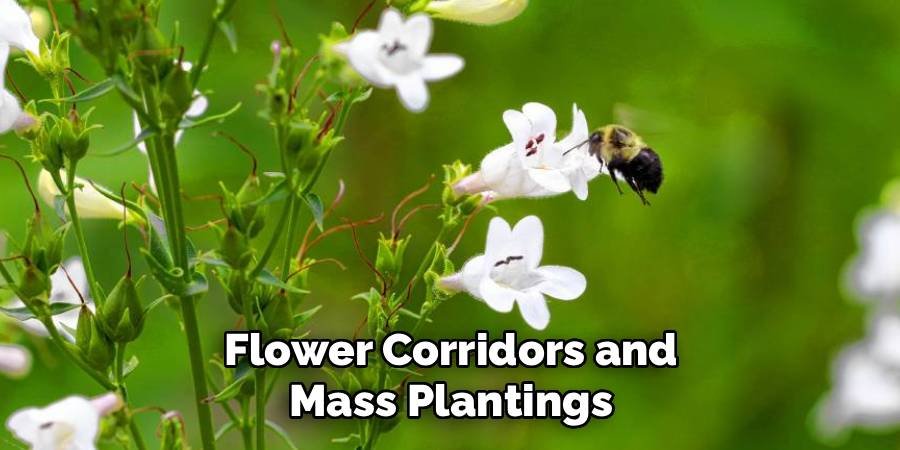
Plant flowers in large groups rather than scattering single plants around your yard. Bumblebees are more likely to find and use flower patches that are at least 3 feet wide. Connect different flower areas with “corridors” of bee-friendly plants. This helps bees navigate your landscape safely and discover all the resources you provide. Consider your neighbors, too. Work together to create neighborhood-wide pollinator corridors. Even small yards can contribute to larger bumblebee habitats when thoughtfully connected.
Common Mistakes to Avoid
When learning how to attract bumble bees to your garden, avoid these common problems:
- Planting only summer flowers and forgetting about spring and fall blooms
- Using too much mulch that prevents ground-nesting
- Choosing exotic plants over native species
- Applying fertilizers and pesticides without considering bee safety
- Cleaning up the garden too thoroughly and removing nesting sites
Success comes from thinking like a bumble bee and providing everything they need throughout their entire life cycle.
Best Plants for Different Garden Conditions
Sunny areas: Purple coneflower, bee balm, lavender, salvia, and native asters
Partial shade: Wild ginger, coral bells, astilbe, and native columbine
Wet areas: Cardinal flower, blue flag iris, and swamp milkweed
Dry areas: Sedum, prairie dropseed, and native bunch grasses
Small spaces: Herbs in containers, window box wildflowers, and hanging baskets with trailing flowers
Match plants to your specific growing conditions for best success in attracting and supporting bumble bee populations.
Frequently Asked Questions (FAQs)
Q: When is the best time to start attracting bumble bees to my garden? Answer: Spring is the ideal time to start implementing strategies to attract bees to your garden. Plant flowers and build nests in early spring, before bee activity peaks. However, you can make improvements at any time during the growing season.
Q: How long does it take to see bumble bees after planting bee-friendly flowers? Answer: If you plant the right flowers during active bee season, you will see bumblebees within a few days. However, it takes 1-2 full growing seasons to build a strong, year-round bee population as bees discover and rely on your garden resources.
Q: Do bumble bees sting, and are they dangerous to children and pets? Answer: Bumble bees are very gentle and rarely sting unless directly attacked or threatened. They are much less aggressive than wasps or hornets. Their sting is less painful than that of a honey bee and they can sting multiple times without dying.
Q: What’s the difference between bumble bees and carpenter bees? Answer: Bumble bees are ubiquitous and live in social colonies. Carpenter bees are shiny and black in color, have less fur, and are solitary. Both are good pollinators, but carpenter bees can damage wooden structures by digging holes for their nests.
Q: Can I attract bumble bees in containers and small gardens? Answer: Absolutely! Container gardens work well for attracting bees. Use large tubs with bee-friendly herbs and flowers. Even balcony gardens can support these pollinators with the right plant selection and proper care.
Conclusion
Learning how to attract bumble bees to your garden creates a win-win situation for both you and these amazing pollinators. By providing native plants, nesting sites, clean water, and a pesticide-free environment, you can enjoy increased yields and more beautiful flowers as bee populations decline.
Remember that success takes time and patience. Start with a few key changes, such as planting native flowers and eliminating pesticides. Gradually add more bee-friendly features as you learn what works best in your specific location and conditions. The effort you put into attracting bumble bees will pay off for years to come. Your garden will be more productive, more beautiful, and more vibrant for future generations to enjoy. You will also be doing your part to help these essential creatures thrive.

About Ravuk Barg
B.Sc. Horticulture Science | Certified Master Gardener
Ravuk Barg has spent more than a decade with his hands in the soil and his head full of questions about why some gardens thrive while others struggle. What started as a single raised bed of tomatoes and basil in a modest backyard has grown into a deep, working knowledge of everything from seed germination and soil amendment to companion planting and seasonal pruning.
Over the years, Ravuk has gardened through drought summers, waterlogged springs, and pest invasions that would make most gardeners hang up their trowels for good. Those hard seasons, he’ll tell you, taught him more than any perfect growing year ever could. He writes from that earned experience—covering vegetable growing, ornamental planting, houseplant care, composting, and garden design with equal confidence and curiosity.
Philosophy & Approach
Ravuk’s approach to gardening is rooted in practicality. He favors organic methods not out of dogma, but because they work long-term—resulting in healthier soil, fewer inputs, and stronger plants. He has a particular fondness for heirloom vegetable varieties (the kind with proper flavor), unruly cottage-style flower beds, and the stubborn houseplants that everyone else gave up on.
The Mission: Give readers the honest, experience-backed advice that helps them actually succeed in their gardens—not just the ideal version, but the real one; weeds, failures, and all.
Education & Credentials
-
B.Sc. in Horticulture Science
-
Greenfield Agricultural University
-
Focus: Plant Physiology, Soil Ecology, and Sustainable Crop Production
-
-
Master Gardener Certification
-
Cooperative Extension Service
-
Focus: 200+ hours of hands-on practical training and community garden work
-
Continuing Education
-
Organic Pest Management
-
Native Plant Landscaping
-
Sustainable Crop Production