

Achieving a vibrant, green lawn that’s the envy of the neighborhood is a goal for many homeowners. While regular watering and mowing are essential, providing the right nutrients is the secret to unlocking your lawn’s full potential. Ammonium sulfate is a powerful, fast-acting fertilizer that delivers a significant boost of nitrogen and sulfur, two key elements for lush grass growth.
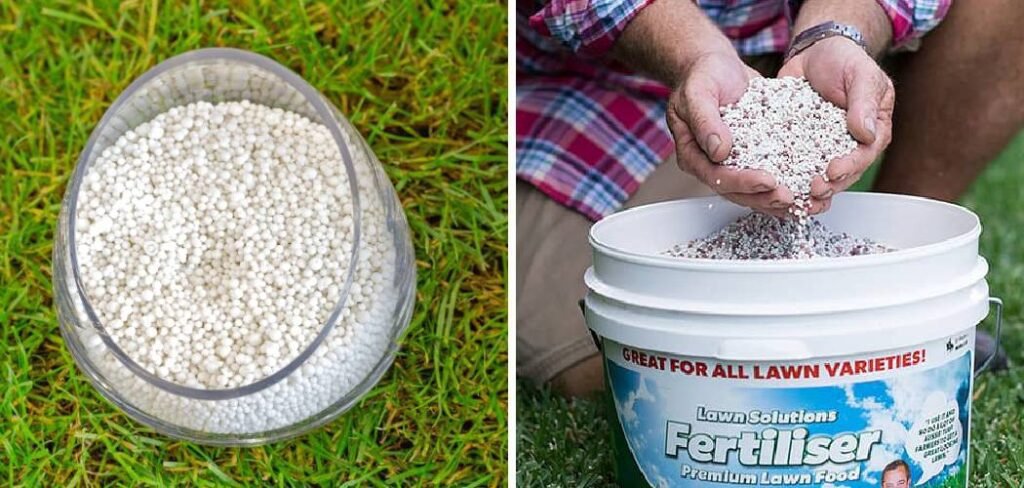
If you’re wondering how to apply ammonium sulfate to lawn correctly, you’ve come to the right place. This guide will walk you through a simple, safe process to ensure you get professional results without damaging your turf, making lawn care easier than ever.
Why Fertilize with Ammonium Sulfate?
You might be asking why you should choose ammonium sulfate over other fertilizers. The answer lies in its unique composition and rapid action. This fertilizer is particularly rich in nitrogen, the single most important nutrient for promoting the deep green color and vigorous growth we all desire in a lawn. Unlike slow-release options, the nitrogen in ammonium sulfate is readily available for your grass to absorb, meaning you can see visible results in a very short time.
Additionally, it provides sulfur, an often-overlooked nutrient that is vital for protein synthesis and enzyme function within the plant. A sulfur deficiency can lead to yellowing leaves and stunted growth. For lawns with alkaline soil, ammonium sulfate offers another benefit: it has a slight acidifying effect, which can help bring the soil pH into a more optimal range for nutrient uptake by the grass roots. This makes it an excellent choice for a quick green-up and for correcting specific soil deficiencies.
8 Easy Steps Guide on How to Apply Ammonium sulfate to Lawn
Step 1: Read the Product Label Carefully
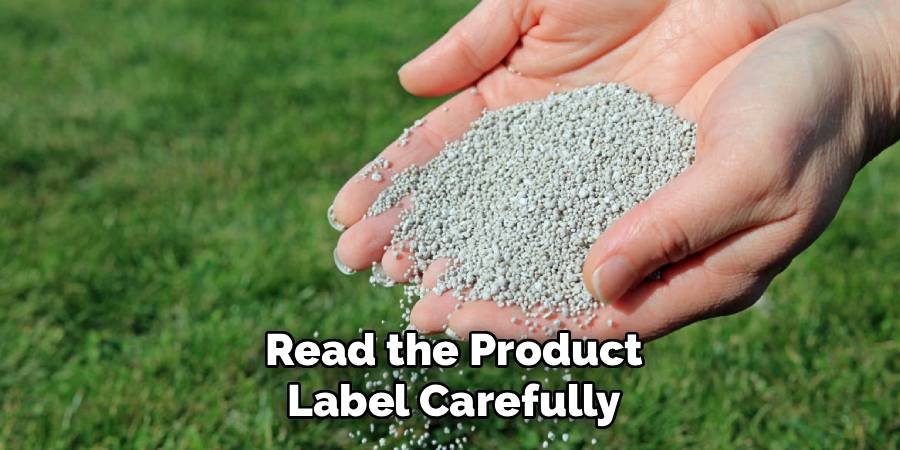
Before you do anything else, take the time to thoroughly read the instructions on your ammonium sulfate product bag. Different brands may have slightly different concentrations and recommended application rates. The label is your most important resource, providing specific guidance on how much product to use per 1,000 square feet of lawn. It will also offer crucial safety information, such as recommendations to wear gloves and eye protection. Ignoring the label can lead to over-application, which can severely damage or even kill your grass, so this step is non-negotiable for a healthy lawn.
Step 2: Calculate Your Lawn’s Square Footage
To apply the correct amount of fertilizer, you must know the size of the area you are treating. Measure the length and width of each rectangular section of your lawn and multiply those numbers to get the square footage. For irregularly shaped areas, break them down into smaller, manageable shapes like rectangles and triangles, calculate their individual areas, and add them together. Having an accurate measurement is fundamental. It prevents you from wasting product and, more importantly, protects your lawn from the negative effects of applying too much fertilizer.
Step 3: Calibrate Your Spreader
Whether you are using a broadcast (rotary) or drop spreader, calibration is key to ensuring even distribution. Your fertilizer bag will likely suggest a specific setting for various spreader models. If your model isn’t listed, you can perform a simple calibration test. Mark out a small, 100-square-foot area and place the recommended amount of fertilizer for that area into your empty spreader. Apply the fertilizer to the test area and adjust the setting until the spreader is empty when you’ve covered the entire space. This small effort prevents streaky, uneven results.
Step 4: Time Your Application Correctly
Timing is everything in lawn care. The best time to apply ammonium sulfate is during the active growing season for your grass type—typically spring and early fall. Avoid applying it during the peak heat of a summer day or when your lawn is dormant, as the grass won’t be able to use the nutrients effectively. Furthermore, plan your application for a calm day with no wind to prevent the granules from blowing onto unwanted areas like driveways or garden beds. Applying the fertilizer to a dry lawn before a light watering is the ideal sequence.

Step 5: How to Apply Ammonium Sulfate to Lawn Evenly
Now it’s time to apply the fertilizer. Begin by pouring the pre-measured amount of ammonium sulfate for your entire lawn into the spreader. Start by applying a “header strip” around the perimeter of your lawn. Then, move back and forth across the lawn in straight, slightly overlapping passes, similar to how you would mow. Walk at a steady, consistent pace to ensure uniform coverage. For a broadcast spreader, make sure the wheel tracks overlap by a few inches to avoid stripes. This methodical approach is the core of how to apply ammonium sulfate to lawn for a flawless finish.
Step 6: Water the Lawn Thoroughly
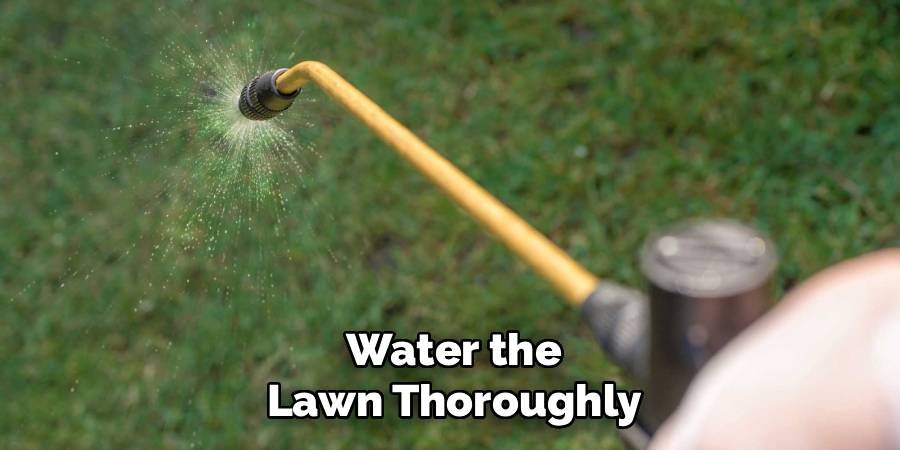
Immediately after you finish spreading the fertilizer, you must water your lawn. This step is critical for several reasons. First, watering washes the ammonium sulfate granules off the grass blades and down into the soil where the roots can access them. This prevents the fertilizer from scorching the leaves. Second, water activates the fertilizer, dissolving the granules and starting the process of nutrient release into the soil. Aim for about a half-inch of water across the entire lawn. You can use a sprinkler or rely on forecasted light-to-moderate rainfall.
Step 7: Clean Up Your Equipment and Spilled Product
Proper cleanup is the final step. Thoroughly wash your spreader with a hose to remove any remaining fertilizer residue, which can be corrosive and damage the equipment over time. Be sure to let it dry completely before storing it. It is also very important to sweep up any granules that may have spilled onto sidewalks, patios, or driveways. Fertilizer contains salts and minerals that can stain concrete surfaces if left to dissolve. Sweeping them back onto the lawn ensures no product is wasted and your hardscapes remain clean.

Maintenance Tips for Your Lawn Spreader
Proper maintenance of your lawn spreader is key to ensuring its longevity and performance. Begin by inspecting it regularly for any signs of wear or damage, such as rusted parts or malfunctioning mechanisms. Lubricate moving components like wheels and levers to keep them operating smoothly. If your spreader has adjustable settings, periodically check and recalibrate them to guarantee accurate fertilizer distribution. Storing the spreader in a dry, sheltered location will also help prevent rust and damage from environmental exposure. By dedicating time to maintenance, you can avoid costly repairs and maintain a healthy, vibrant lawn.
Common Mistakes to Avoid
Proper use of a fertilizer spreader is essential for achieving an even, healthy lawn, but there are common mistakes that can undermine your efforts. One frequent error is overloading the spreader, which can result in uneven application or damage to the equipment. Another mistake is failing to calibrate the spreader before each use, leading to inaccurate distribution and potential over-fertilization in some areas.
Additionally, neglecting to clean the spreader after use can cause residue buildup, reducing performance and increasing the risk of mechanical issues. Avoid using the spreader on windy days as this can lead to fertilizer being carried away, affecting the precision of your application and potentially harming nearby plants. By staying aware of these common pitfalls, you can optimize your results and ensure your lawn care routine is as effective as possible.
Frequently Asked Questions (FAQ)
How Often Can I Apply Ammonium Sulfate to My Lawn?
For most lawns, applying ammonium sulfate 2-3 times per year during the active growing season is sufficient. A typical schedule would be one application in the spring to encourage a quick green-up and another in the early fall to help the lawn recover from summer stress and prepare for winter. Always leave at least 6-8 weeks between applications to avoid overwhelming the grass with nitrogen.
What Are the Signs of Over-Fertilizing with Ammonium Sulfate?
Over-fertilizing can cause “fertilizer burn,” which appears as yellow or brown stripes or patches of dead grass. You might also notice unusually rapid, weak blade growth that makes the lawn look leggy. If you suspect you’ve applied too much, water the area deeply and frequently for several days to help flush the excess salts from the root zone.
Can I Mix Ammonium Sulfate with Other Fertilizers or Weed Killer?
It is generally not recommended to mix ammonium sulfate with other lawn products unless the product labels specifically state they are compatible.
- Mixing Fertilizers: Combining it with another high-nitrogen fertilizer can easily lead to over-application and lawn burn.
- Weed & Feed: Some products combine fertilizer with herbicides, but creating your own mix can result in uneven application, potentially harming your lawn or rendering the herbicide ineffective.
Is Ammonium Sulfate Safe for Pets and Children?
When applied correctly and watered in thoroughly, the lawn should be safe for pets and children once it is completely dry. However, the undiluted granules can be harmful if ingested. Keep pets and children off the lawn during application and until after it has been watered in and the grass blades are dry to the touch. Always store the unused product in a sealed bag or container out of their reach.
When Will I See Results After Applying Ammonium Sulfate?
Ammonium sulfate is a fast-acting fertilizer. Thanks to its water-soluble nitrogen, you can expect to see a noticeable improvement in your lawn’s color and growth within just 3 to 7 days, assuming proper watering and favorable weather conditions. The grass should appear greener, thicker, and more vibrant.
Conclusion
Giving your lawn the nutrients it needs is a rewarding part of home maintenance, and using ammonium sulfate is a fantastic way to get quick, noticeable results. By following the steps outlined here—from reading the label and calibrating your spreader to applying evenly and watering it in—you can avoid common pitfalls and ensure a safe, effective application. Don’t be intimidated by the process; with a little preparation, you can confidently master how to apply ammonium sulfate to lawn. Your reward will be a healthy, lush, and beautifully green yard that you can be proud of all season long.

About Ravuk Barg
B.Sc. Horticulture Science | Certified Master Gardener
Ravuk Barg has spent more than a decade with his hands in the soil and his head full of questions about why some gardens thrive while others struggle. What started as a single raised bed of tomatoes and basil in a modest backyard has grown into a deep, working knowledge of everything from seed germination and soil amendment to companion planting and seasonal pruning.
Over the years, Ravuk has gardened through drought summers, waterlogged springs, and pest invasions that would make most gardeners hang up their trowels for good. Those hard seasons, he’ll tell you, taught him more than any perfect growing year ever could. He writes from that earned experience—covering vegetable growing, ornamental planting, houseplant care, composting, and garden design with equal confidence and curiosity.
Philosophy & Approach
Ravuk’s approach to gardening is rooted in practicality. He favors organic methods not out of dogma, but because they work long-term—resulting in healthier soil, fewer inputs, and stronger plants. He has a particular fondness for heirloom vegetable varieties (the kind with proper flavor), unruly cottage-style flower beds, and the stubborn houseplants that everyone else gave up on.
The Mission: Give readers the honest, experience-backed advice that helps them actually succeed in their gardens—not just the ideal version, but the real one; weeds, failures, and all.
Education & Credentials
-
B.Sc. in Horticulture Science
-
Greenfield Agricultural University
-
Focus: Plant Physiology, Soil Ecology, and Sustainable Crop Production
-
-
Master Gardener Certification
-
Cooperative Extension Service
-
Focus: 200+ hours of hands-on practical training and community garden work
-
Continuing Education
-
Organic Pest Management
-
Native Plant Landscaping
-
Sustainable Crop Production