

Water is essential for healthy plant growth, but too much of a good thing can become harmful. How is over irrigation damaging to soil? This question becomes increasingly important as gardeners and farmers struggle with waterlogged fields and declining crop yields. Over irrigation creates a cascade of problems that affect soil structure, nutrient availability, and plant health.
When soil receives more water than it can properly drain or absorb, the delicate balance of air, water, and nutrients gets disrupted. Plants need oxygen in their root zones to thrive, but waterlogged conditions push out this vital air. The result is stressed plants, compromised soil biology, and long-term damage that can take years to reverse.
Understanding the science behind over irrigation helps you make better watering decisions. Soil isn’t just dirt—it’s a complex ecosystem teeming with beneficial microorganisms, earthworms, and organic matter. These components work together to create the perfect environment for plant roots. When we flood this system with excessive water, we’re essentially suffocating the very life that makes soil fertile.
This article will explore the hidden dangers of over irrigation and provide practical solutions for maintaining healthy soil moisture levels. You’ll learn to recognize the warning signs, understand the underlying mechanisms of soil damage, and implement proven strategies that protect your soil’s long-term health.
Why You Need to Understand Over Irrigation Damage
Recognizing over irrigation damage saves both time and money in your gardening or farming endeavors. Plants struggling in waterlogged soil often show symptoms that mimic nutrient deficiencies, leading to costly fertilizer applications that won’t solve the root problem.
Over irrigation creates expensive long-term consequences. Damaged soil structure can take months or even years to restore naturally. The cost of soil amendments, drainage improvements, and plant replacement quickly adds up when irrigation practices go unchecked.
Proper soil moisture management also supports environmental sustainability. Excessive watering wastes precious water resources and contributes to nutrient runoff that pollutes nearby water sources. Understanding these impacts helps you become a more responsible land steward.
Most importantly, healthy soil moisture levels create thriving plant ecosystems. When soil drains properly while retaining adequate moisture, plants develop stronger root systems, show better disease resistance, and produce higher yields.
8 Step-by-Step Guide: How Is Over Irrigation Damaging to Soil
Step 1: Test Your Soil’s Drainage Capacity
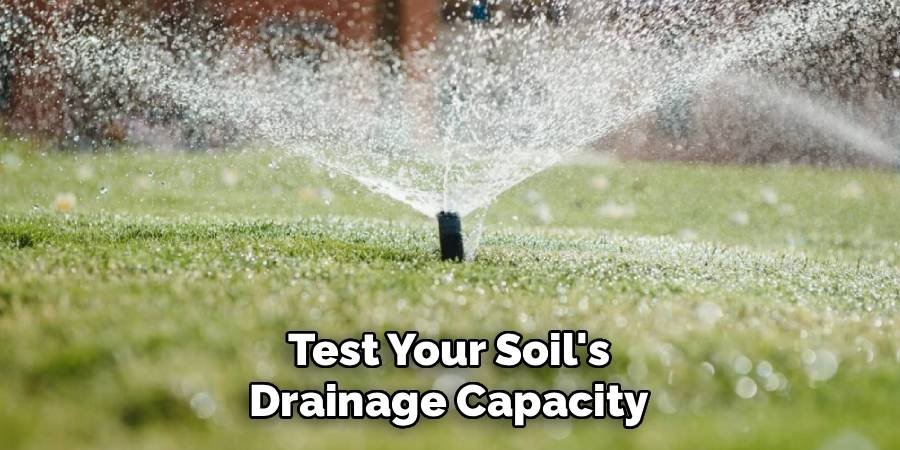
To begin addressing over irrigation, you need to evaluate your soil’s drainage capacity. Start by digging a hole approximately 12 inches deep and 6 inches wide in the area you want to test. Fill the hole with water and allow it to drain completely. Once drained, refill the hole with water and measure how long it takes for the water to drain again. Ideally, the water should drain at a rate of 1 to 2 inches per hour.
If it’s significantly slower, your soil may have poor drainage, which can lead to waterlogging and plant stress. Conversely, if it’s too fast, your soil might lack the ability to retain enough moisture for plants, indicating sandy or overly porous conditions. This test provides a foundation for identifying the adjustments needed to achieve optimal soil health.
Step 2: Monitor Soil Moisture at Different Depths
Accurately evaluating soil moisture at various depths is crucial for understanding how water moves through your soil profile. Use a soil probe or auger to extract samples at increments, such as 6, 12, and 18 inches, to analyze moisture retention at each level. This process will help identify whether the topsoil or subsoil layers are holding sufficient water or if deeper layers remain dry. Monitoring soil moisture at different depths can also reveal compaction issues or poor drainage zones. Record your findings regularly to establish trends and adjust your watering practices accordingly for deeper and more even moisture distribution.
Step 3: Observe Plant Symptoms of Waterlogged Conditions
Monitoring your plants for signs of waterlogging is crucial to maintaining their health. Symptoms of waterlogged conditions often include yellowing leaves, wilting despite moist soil, or the presence of an unpleasant odor from the root zone. Plants may also exhibit stunted growth, brown root tips, or leaf drop if overwatering persists. Regularly check the base of plants for soggy soil and ensure proper drainage in the growing area to prevent prolonged saturation. Addressing waterlogged conditions promptly reduces the risk of root rot and other related issues, helping your plants thrive.
Step 4: Check for Soil Compaction Issues
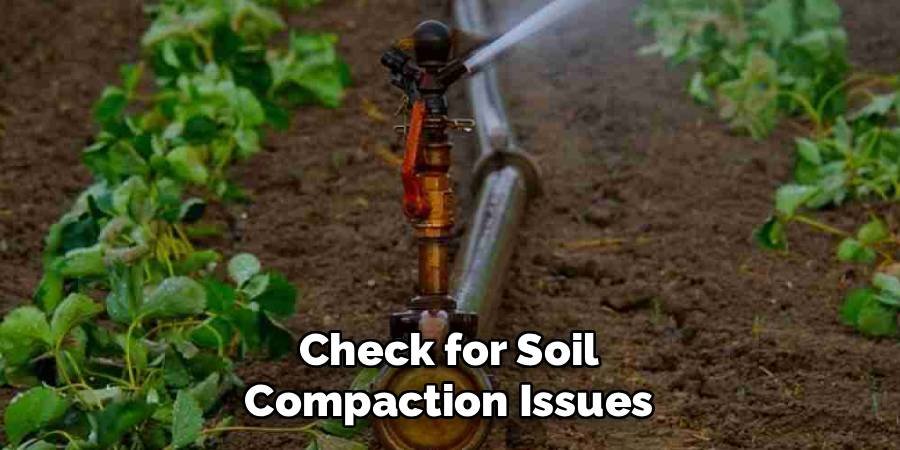
Compacted soil can significantly hinder plant growth by restricting root development and reducing water infiltration. To check for soil compaction, use a soil probe or dig a small hole to assess the texture and density of the soil. Healthy soil should be loose and crumbly, allowing roots to spread easily and water to penetrate deeply. If the soil feels dense or hard, it may need to be aerated or amended with organic matter, such as compost, to improve its structure. Addressing compaction issues is essential for ensuring that plants can access the nutrients and moisture they need to thrive.
Step 5: Assess Your Irrigation System’s Distribution Pattern
Evaluating how evenly your irrigation system distributes water is crucial for efficient water use and healthy plant growth. Uneven distribution can lead to areas of overwatering or underwatering, exacerbating soil compaction or stressing plants. To assess the distribution pattern, perform a simple catch-can test by placing identical containers at various points within the irrigation zone. Run the system for a set period and measure the water collected in each container. This will highlight any inconsistencies in coverage. Addressing issues such as clogged nozzles, improper pressure, or misaligned sprinklers can significantly improve uniformity and reduce water waste.
Step 6: Measure Your Irrigation Frequency and Duration
To ensure the efficiency of your irrigation system, it’s important to measure how often and how long you are watering each area. Overwatering can lead to waterlogged soil and increase the risk of plant diseases, while underwatering can stress plants and impede their growth. Begin by assessing the specific needs of your plants and soil type, as different plants and soil compositions require varying amounts of water.
Use tools like a soil moisture meter or schedule test runs to observe how deeply water penetrates the ground. Aim for deep, infrequent watering rather than shallow, frequent watering to encourage strong root development. Adjust irrigation frequency and duration seasonally to align with changing weather conditions and plant growth cycles.
Step 7: Identify Soil Type and Amendment Needs
Understanding your soil type is essential for optimizing plant health and irrigation efficiency. Conduct a soil test to determine texture, structure, pH levels, and nutrient content. Common soil types include sandy, clay, silt, and loam, each requiring different approaches to water retention and drainage.
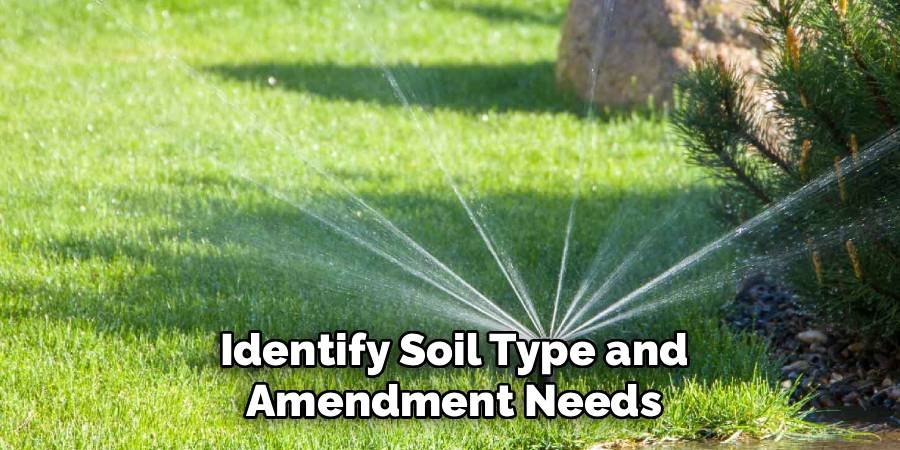
For example, sandy soils drain quickly and may need organic matter to improve moisture retention, while clay soils benefit from aeration and the addition of materials that enhance drainage. Based on the test results, apply appropriate soil amendments such as compost, gypsum, or lime to address deficiencies and improve soil structure. Regular soil assessments ensure your plants receive the necessary conditions for healthy growth.
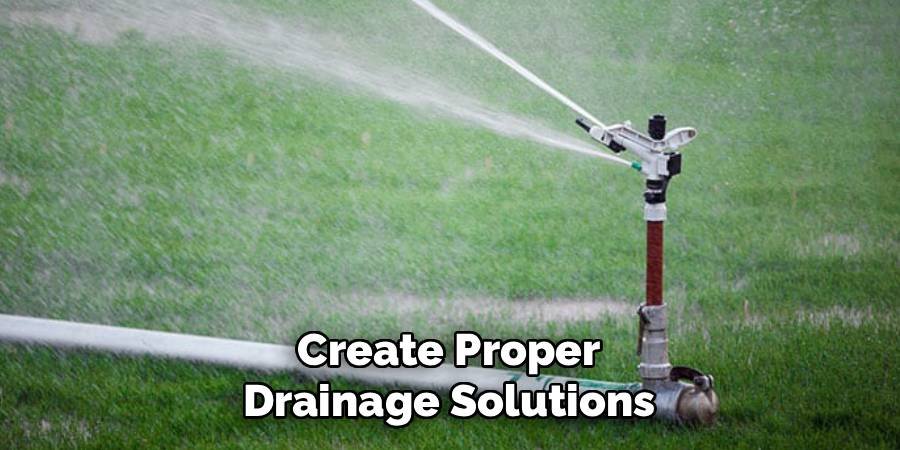
Step 8: Create Proper Drainage Solutions
Effective drainage solutions are crucial to prevent waterlogging and ensure excess water is diverted away from plant root zones. Start by assessing the natural slope of the land to identify potential areas where water tends to accumulate. Installing drainage systems, such as perforated pipes, gravel trenches, or French drains, can help redirect water and improve soil conditions.
Additionally, consider incorporating raised beds or contouring techniques in areas prone to poor drainage. Proper drainage not only protects plants from root rot but also helps maintain a balanced soil structure, promoting overall plant health and sustainable water management.
Maintaining Your Improved Soil Drainage
Regular maintenance keeps your drainage improvements working effectively over time. Clean debris from drainage outlets, french drains, and surface channels at least twice yearly to prevent blockages that can recreate waterlogging problems.
Monitor soil amendments and refresh them as needed. Organic matter breaks down over time, requiring periodic additions of compost or other organic materials to maintain improved soil structure and drainage characteristics.
Test your irrigation system seasonally for proper function and coverage. Replace worn sprinkler heads, clear clogged emitters, and adjust timer settings based on changing plant needs and weather patterns throughout the growing season.
Common Mistakes to Avoid
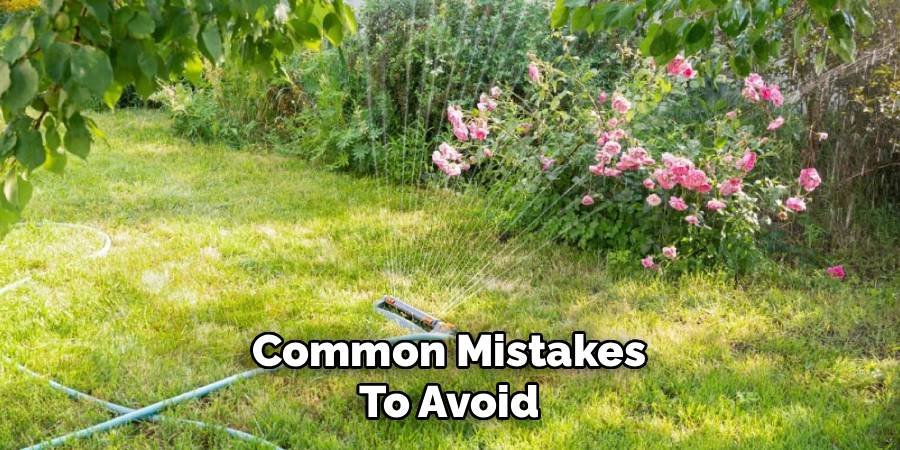
Don’t assume that wilting plants always need more water. Check soil moisture levels before adding irrigation, as waterlogged roots often cause wilting symptoms that irrigation will only worsen.
Avoid adding sand to clay soil without other amendments. Pure sand mixed with clay creates a concrete-like mixture that drains poorly and becomes extremely difficult to work with or improve.
Never ignore persistent standing water or consistently soggy soil conditions. These problems rarely resolve on their own and typically worsen over time without active intervention and management changes.
FAQ Frequently Asked Questions
How Quickly Can Over Irrigation Damage Soil Structure?
Soil structure damage from over irrigation can begin within weeks of consistent waterlogging, with significant degradation occurring within a single growing season under severe conditions.
Can Over-Irrigated Soil Be Restored To Full Health?
Yes, over-irrigated soil can recover completely with proper drainage, organic matter additions, and careful moisture management, though restoration may take 1-3 growing seasons depending on damage severity.
What’s the Difference Between Over Irrigation and Poor Drainage?
Over irrigation involves applying too much water too frequently, while poor drainage refers to soil’s inability to move water efficiently, though both conditions often occur together and create similar symptoms.
How Do I Know if My Automatic Irrigation System Is Over Watering?
Monitor soil moisture levels independently of your irrigation schedule, check for standing water or constantly soggy conditions, and observe plants for symptoms of waterlogged stress rather than drought stress.
Should I Stop All Irrigation if I Suspect Over Watering Damage?
Gradually reduce irrigation frequency while monitoring plant response and soil moisture levels, as completely stopping irrigation may cause additional stress to plants already struggling with compromised root systems from waterlogged conditions.
Conclusion
Understanding how is over irrigation damaging to soil empowers you to make better watering decisions that protect your growing environment. The complex relationship between water, soil, and plant health requires careful balance, but the rewards of proper moisture management are substantial. Healthy soil structure, thriving beneficial organisms, and robust plant growth all result from irrigation practices that respect soil’s natural limitations.
The ten-step approach outlined in this guide provides a systematic method for identifying and correcting over irrigation problems before they cause permanent damage. Regular monitoring, proper system maintenance, and attention to soil health indicators help you catch problems early when they’re still easily correctable.
Remember that soil health improvements take time, but the investment pays dividends in reduced maintenance, better plant performance, and improved growing conditions. Your garden and the beneficial organisms that call your soil home will thank you for the careful attention to proper moisture management that sustains their long-term health and productivity.

About Ravuk Barg
B.Sc. Horticulture Science | Certified Master Gardener
Ravuk Barg has spent more than a decade with his hands in the soil and his head full of questions about why some gardens thrive while others struggle. What started as a single raised bed of tomatoes and basil in a modest backyard has grown into a deep, working knowledge of everything from seed germination and soil amendment to companion planting and seasonal pruning.
Over the years, Ravuk has gardened through drought summers, waterlogged springs, and pest invasions that would make most gardeners hang up their trowels for good. Those hard seasons, he’ll tell you, taught him more than any perfect growing year ever could. He writes from that earned experience—covering vegetable growing, ornamental planting, houseplant care, composting, and garden design with equal confidence and curiosity.
Philosophy & Approach
Ravuk’s approach to gardening is rooted in practicality. He favors organic methods not out of dogma, but because they work long-term—resulting in healthier soil, fewer inputs, and stronger plants. He has a particular fondness for heirloom vegetable varieties (the kind with proper flavor), unruly cottage-style flower beds, and the stubborn houseplants that everyone else gave up on.
The Mission: Give readers the honest, experience-backed advice that helps them actually succeed in their gardens—not just the ideal version, but the real one; weeds, failures, and all.
Education & Credentials
-
B.Sc. in Horticulture Science
-
Greenfield Agricultural University
-
Focus: Plant Physiology, Soil Ecology, and Sustainable Crop Production
-
-
Master Gardener Certification
-
Cooperative Extension Service
-
Focus: 200+ hours of hands-on practical training and community garden work
-
Continuing Education
-
Organic Pest Management
-
Native Plant Landscaping
-
Sustainable Crop Production