

Greenhouses are magical spaces for gardeners, but they operate quite differently during the summer. Temperatures soar, and managing the balance between heat and airflow becomes crucial to maintain plant health. But how exactly How does a greenhouse work in summer, and why do they remain so effective even in peak heat? Let’s break it down.
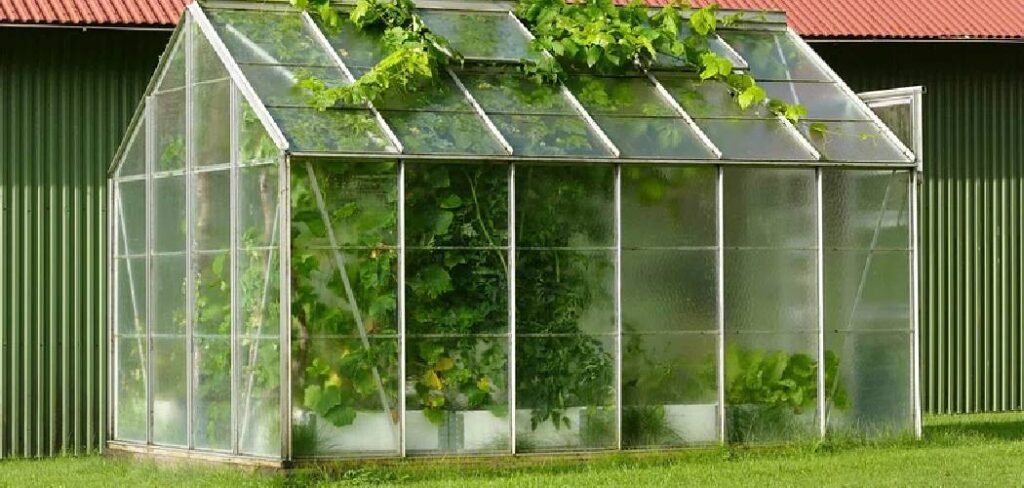
At its core, a greenhouse captures sunlight and converts it into heat, creating a warm, stable environment for plants. Even in summer, it works as a controlled environment that locks in sunlight, regulating growing conditions and extending the growing season. However, as the days lengthen and temperatures rise, cooling mechanisms like ventilation, shading, and moisture management are key to preventing plants from overheating.
Whether you’re new to greenhouse gardening or looking to optimize your summer routine, understanding how a greenhouse operates during the hottest months will help you grow thriving plants all year round. Here, we’ll explore why greenhouses are vital to gardeners, walk through a 12-step guide for summer greenhouse operation, and look at tips for maintaining your setup.
Why You Need a Greenhouse in Summer
A greenhouse isn’t just a cold-weather tool—it’s invaluable in summer. While outdoor conditions can be unpredictable, a greenhouse offers stability. During heatwaves, it protects plants from excessive exposure to direct sunlight and wind that could dry them out.
Greenhouses also allow gardeners to grow tropical or heat-loving plants that thrive in warmer, controlled environments. By managing airflow, humidity, and shading, you create a productive growing space optimized for summer demands. This ensures your plants stay strong and healthy—even when outdoor conditions aren’t ideal.
10 Methods Guide on How Does a Greenhouse Work in Summer
Operating a greenhouse in summer relies on understanding how heat, airflow, and moisture work together. Here’s your in-depth, step-by-step guide to ensuring your greenhouse functions effectively in the hottest months.
Step 1: Ventilation Is Key
Proper ventilation is the backbone of summer greenhouse management. Hot air can quickly build up, making it stifling for plants. Open roof vents, side windows, or install motorized venting systems to usher out excess heat and allow fresh air circulation.
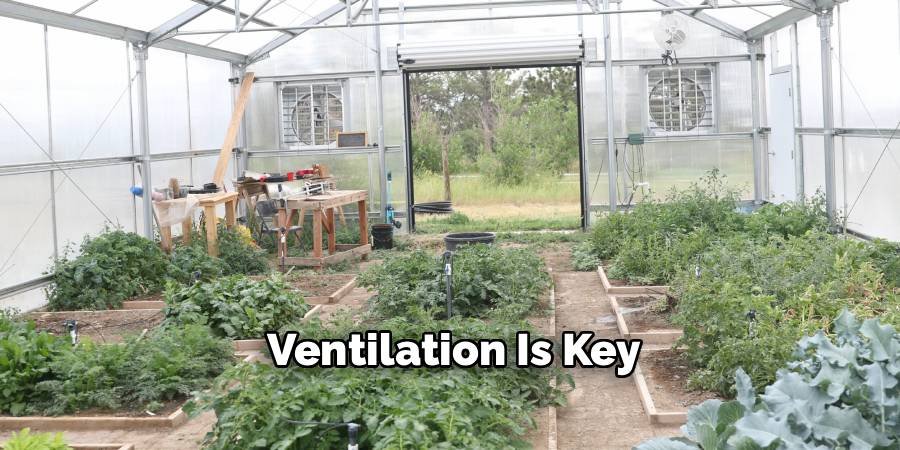
Cooling fans can also maintain an even temperature. For instance, exhaust fans effectively pull hot air out, while intake vents bring in cooler external air. This constant exchange mimics a natural breeze and prevents overheating, which is essential for healthy plant photosynthesis.
Step 2: Invest in Shading Systems
Sunlight is essential, but too much can scorch leaves and stunt growth. Use shading cloths or greenhouse paint to diffuse intense sunlight. Shading cloths come in different densities, so you can select one that matches the lighting needs of specific plants.
Automated shading systems are useful for adapting to changing light conditions during the day. For a more cost-effective option, you might use hanging materials like white plastic sheeting, which reflects light while keeping the greenhouse sufficiently bright.
Step 3: Master Temperature Control
While it’s normal for a greenhouse to be warmer than the outside environment, temperatures above 85–90°F consistently can harm plants. While ventilation and shading help, you may need added cooling tools, such as evaporative coolers or misting systems, to maintain optimal conditions.
Position thermometers in multiple locations throughout the greenhouse to monitor temperature fluctuation. With these readings, you can tweak shading, fans, or window openings to create microclimates for sensitive plants.
Step 4: Humidity Management for Balance
High temperatures in a greenhouse often lead to rapid evaporation, which affects humidity levels. Too little humidity can dry out plants, while excessive moisture encourages mold and fungal growth. Strike the perfect balance by adding watering stations or misting systems.
For high-humidity crops, place trays filled with water beneath the plants to increase ambient moisture levels. For drier conditions, ensure plenty of ventilation so excess humidity doesn’t compromise leaves and stems.
Step 5: Set Up Strategic Plant Placement
Position plants according to their temperature and sunlight needs. Taller plants can provide shade for smaller species when grouped thoughtfully. Tropical plants that love heat thrive closest to sunny windows, while shade-preferring ones should be kept in cooler corners.
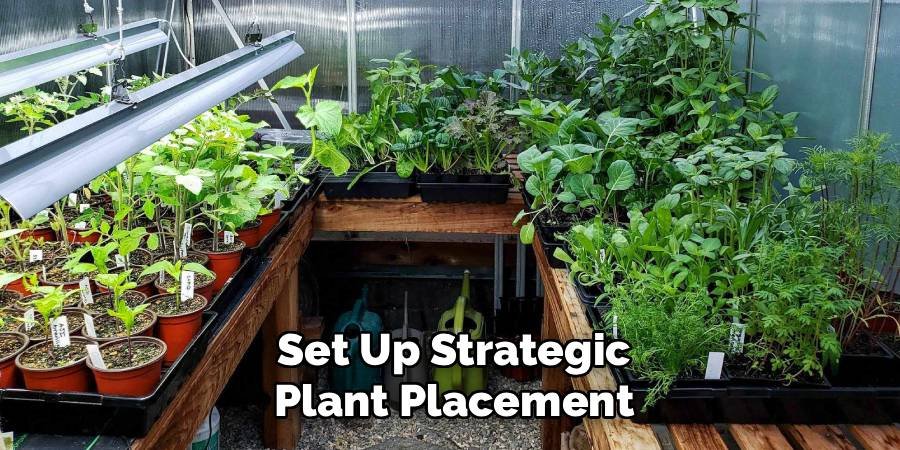
Rotating plant arrangements as seasons progress keeps foliage in healthy lighting zones. This step also makes it simpler to introduce seasonal crops as older plants mature and are harvested.
Step 6: Use Heat-Tolerant Plants
Introducing heat-tolerant or heat-loving plants to your summer greenhouse takes advantage of seasonal conditions. For example, tomatoes, cucumbers, and peppers thrive in warm environments with consistent care.
Planting heat-resistant varieties reduces maintenance since these species naturally handle high temperatures. On the other hand, avoid temperature-sensitive greens like lettuce unless additional cooling measures are in place.
Step 7: Automate Irrigation Systems
Watering becomes more frequent in summer, which is why automated systems save time while maximizing efficiency. Drip irrigation, in particular, delivers water directly to roots, minimizing waste. Automating schedules ensures consistency and avoids overwatering, which could lead to root rot.
Regularly inspect your watering systems during operation to ensure proper functioning and coverage across all plants for healthy hydration.
Step 8: Incorporate Mulching
Mulching helps manage both soil temperature and moisture retention. Organic materials like straw or bark form a protective layer on top of the soil, reducing water evaporation and keeping roots cool.
Mulch also combats weed growth, which often accelerates in summer due to warmer conditions. Dense cover blocks light from reaching weed seeds, limiting their spread.
Step 9: Clean Regularly
Summer pests and diseases spread rapidly, especially in moist environments. Prevent infestations by maintaining a strict cleaning routine. Remove fallen leaves, wash pots, and disinfect tools frequently to eliminate hiding spots for bugs or spores.
Inspect plants often for any signs of pest damage or disease, treating issues immediately before they take hold of your greenhouse.
Step 10: Rotate Crops
Crop rotation isn’t just for outdoor gardens; it’s equally vital in greenhouses. Growing different crops in specific areas each season prevents soil nutrient depletion and minimizes pest build-up from plant-specific infestations.
Rotating leafy greens with fruiting plants, for example, maintains overall soil health and reduces stress on individual plant varieties.
Pest Barriers and Traps
Physical barriers help keep pests like aphids or whiteflies at bay. For instance, installing insect netting over air vents forms an effective shield. Sticky traps placed throughout the greenhouse catch flying insects before they become a larger problem.
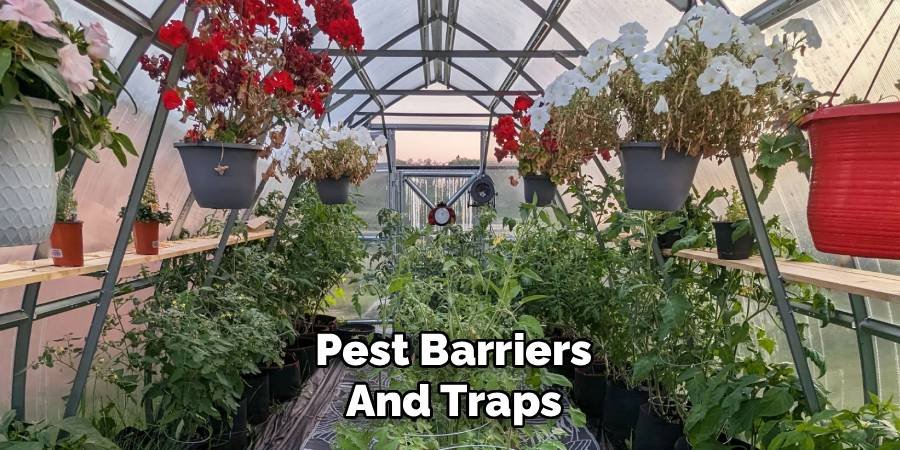
Encourage natural predators like ladybugs or praying mantises, which feast on harmful pests without harming your plants.
Monitor and Adjust Daily
A greenhouse in summer requires hands-on management. Take daily readings of temperature, humidity, and soil moisture conditions to see if adjustments are necessary. Something as simple as opening a vent slightly more can make a significant difference to plant health.
Using tools like hygrometers or connected smart systems helps you stay ahead of any shifting greenhouse conditions.
Maintaining Your Summer Greenhouse
Routine maintenance is core to a thriving greenhouse during summer. Check vents, fan systems, and shading frequently to ensure optimal performance. Replace damaged irrigation lines or reseal any cracks to maintain structural integrity.
Small efforts like these prevent inefficiency or heat build-up, giving plants an environment where they can flourish.
Common Mistakes to Avoid
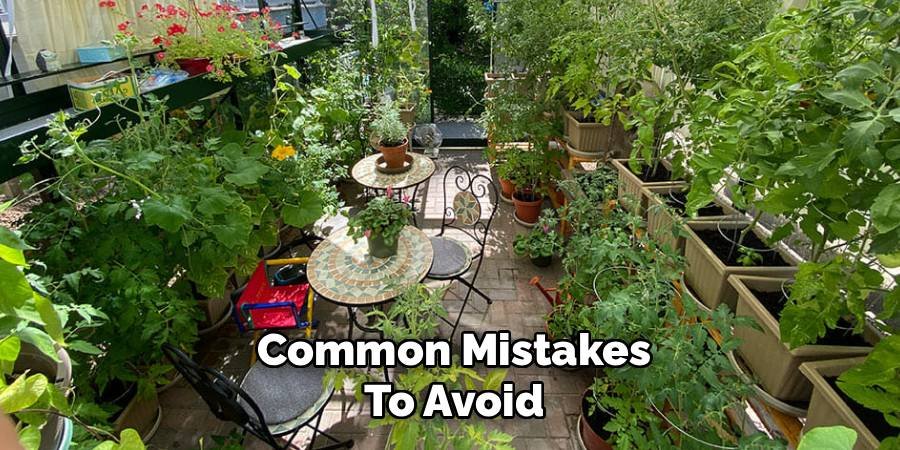
Many greenhouse gardeners unknowingly fall into traps during summer. Overwatering is a frequent error—plants may need more moisture, but excess water leaves roots susceptible to rot. Additionally, failing to provide proper shading can lead to sunscald on plants, which stunts their growth. Ensure vents aren’t left permanently closed, as stagnant air also weakens plants.
A proactive approach prevents these mistakes and keeps your gardening efforts on track.
FAQ
How hot is too hot in a greenhouse?
Temperatures above 90°F can stress plants. Use ventilation, shading, and cooling measures to prevent overheating and maintain an ideal range between 75–85°F.
What plants are best for a summer greenhouse?
Heat-tolerant vegetables like tomatoes, cucumbers, and eggplants thrive in greenhouses during summer. Herbs like basil and thyme also enjoy the warmth.
Do greenhouses need shading in summer?
Yes, shading reduces excessive sunlight, preventing leaves from burning. Materials like shade cloth or greenhouse paint are useful for managing light intensity.
How often should plants be watered in summer greenhouses?
Frequency depends on plant type and soil dryness. Most plants need watering 1–2 times daily, but automated irrigation systems provide more precise watering schedules.
Can humidity levels get too high in summer?
Yes, high humidity fosters mold growth. Use proper ventilation and maintain a balance between moisture and airflow to ensure healthy conditions.
Conclusion
Understanding how does a greenhouse work in summer is key to creating a thriving growing environment during the hottest months. By focusing on ventilation, shading, and irrigation, you can transform potential challenges into opportunities for growth.
With a little care and the right techniques, your plants will flourish—and your greenhouse will become a productive sanctuary, even at the peak of summer heat. Keep nurturing your setup, and both you and your garden will enjoy its rewards.
Taking the time to monitor and make adjustments in your greenhouse will pay off in the long run. Regularly inspect your plants for signs of heat stress, pest issues, or watering needs, and respond promptly to address any concerns. Incorporate tools like thermostats and moisture meters to maintain optimal conditions with precision. Remember, consistency and attention to detail are the cornerstones of successful gardening, ensuring your greenhouse remains a healthy and productive space throughout the seasons.

About Ravuk Barg
B.Sc. Horticulture Science | Certified Master Gardener
Ravuk Barg has spent more than a decade with his hands in the soil and his head full of questions about why some gardens thrive while others struggle. What started as a single raised bed of tomatoes and basil in a modest backyard has grown into a deep, working knowledge of everything from seed germination and soil amendment to companion planting and seasonal pruning.
Over the years, Ravuk has gardened through drought summers, waterlogged springs, and pest invasions that would make most gardeners hang up their trowels for good. Those hard seasons, he’ll tell you, taught him more than any perfect growing year ever could. He writes from that earned experience—covering vegetable growing, ornamental planting, houseplant care, composting, and garden design with equal confidence and curiosity.
Philosophy & Approach
Ravuk’s approach to gardening is rooted in practicality. He favors organic methods not out of dogma, but because they work long-term—resulting in healthier soil, fewer inputs, and stronger plants. He has a particular fondness for heirloom vegetable varieties (the kind with proper flavor), unruly cottage-style flower beds, and the stubborn houseplants that everyone else gave up on.
The Mission: Give readers the honest, experience-backed advice that helps them actually succeed in their gardens—not just the ideal version, but the real one; weeds, failures, and all.
Education & Credentials
-
B.Sc. in Horticulture Science
-
Greenfield Agricultural University
-
Focus: Plant Physiology, Soil Ecology, and Sustainable Crop Production
-
-
Master Gardener Certification
-
Cooperative Extension Service
-
Focus: 200+ hours of hands-on practical training and community garden work
-
Continuing Education
-
Organic Pest Management
-
Native Plant Landscaping
-
Sustainable Crop Production