

Waking up to find your pristine lawn transformed into what looks like a battlefield can be incredibly frustrating. If you’re asking yourself “how do I stop raccoons from tearing up my lawn,” you’re not alone. These masked bandits are notorious for their destructive nighttime raids, leaving behind torn sod, scattered debris, and expensive damage that can take months to repair.
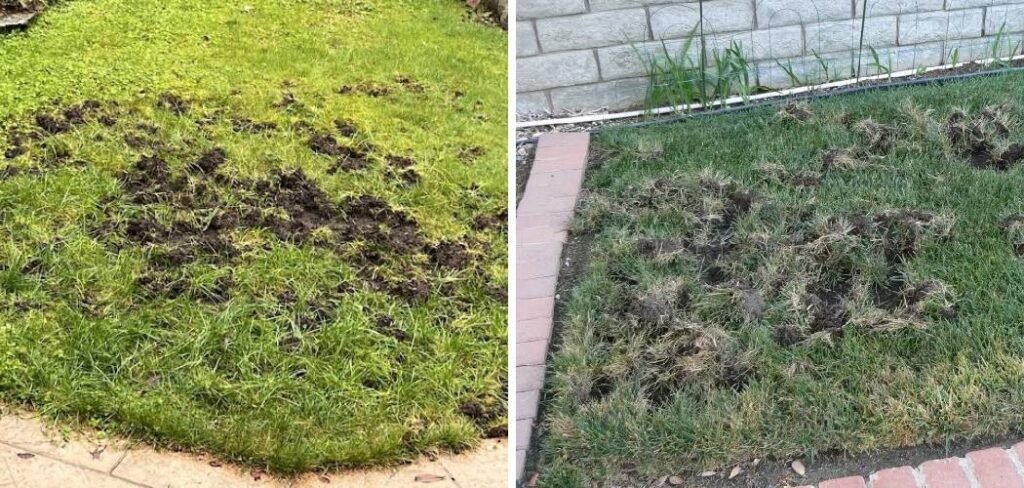
Raccoons dig up lawns primarily to search for grubs, earthworms, and other tasty insects living beneath the surface. Their powerful claws and persistent nature make them formidable lawn destroyers, especially during late summer and fall when they’re preparing for winter.
The good news is that raccoon damage is completely preventable with the right strategies. Understanding their behavior patterns and implementing targeted deterrents can save you hundreds of dollars in lawn restoration costs while preserving your outdoor space’s beauty.
Why You Need to Act Quickly
Raccoon lawn damage escalates rapidly if left unchecked. What starts as small patches of disturbed soil quickly spreads across your entire yard as these intelligent creatures learn that your property offers an easy food source.
The financial impact adds up fast. Professional lawn restoration can cost between $500 to $2,000 depending on the damage extent. Raccoons also attract other wildlife, creating a domino effect of destruction that affects neighboring properties.
Beyond monetary concerns, torn-up lawns create safety hazards with uneven surfaces and loose soil. Children and pets can easily trip or injure themselves on damaged terrain, making immediate action essential for household safety.
10 Step-by-Step Guide on How Do I Stop Raccoons from Tearing Up My Lawn
Step 1: Remove Their Food Source
The most effective long-term solution starts with eliminating what attracts raccoons to your lawn in the first place. Apply beneficial nematodes to your soil to naturally control grub populations without harmful chemicals. These microscopic organisms target lawn-damaging insects while remaining completely safe for pets, children, and beneficial wildlife.
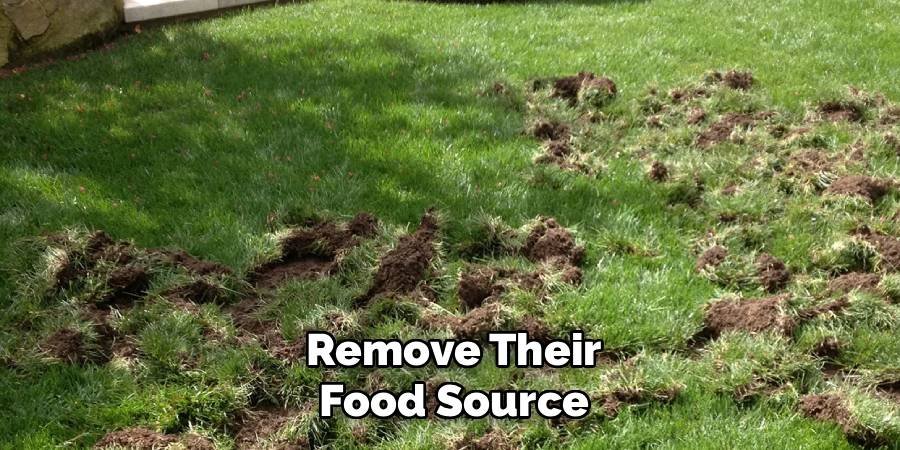
Water your lawn deeply but less frequently to discourage grub development. Overwatered soil creates ideal breeding conditions for the insects raccoons crave. Consider switching to grub-resistant grass varieties if you’re planning lawn renovations.
Step 2: Install Motion-Activated Sprinklers
Motion-activated sprinklers provide an excellent first line of defense against nocturnal raccoon visitors. These devices detect movement and release sudden bursts of water, startling raccoons without causing harm. Position sprinklers strategically around damaged areas and common entry points.
Modern motion sprinklers offer adjustable sensitivity settings and coverage patterns, allowing you to customize protection based on your yard’s specific layout. Most models run on batteries and connect easily to standard garden hoses, making installation straightforward for any homeowner.
Step 3: Apply Natural Deterrent Scents
Raccoons rely heavily on their sense of smell to navigate and locate food sources. Create homemade deterrent sprays using ingredients like cayenne pepper, garlic powder, and peppermint oil mixed with water. Spray this solution generously across affected lawn areas, reapplying after rain or heavy watering.
Commercial predator urine products, particularly from coyotes or foxes, can also effectively discourage raccoon activity. These natural scents trigger raccoons’ instinctual fear responses, encouraging them to seek food elsewhere. Refresh scent applications weekly for optimal effectiveness.
Step 4: Secure Garbage and Compost Areas
Raccoons are opportunistic feeders who will explore any property offering multiple food sources. Invest in tight-fitting lids for garbage cans and consider bungee cords for additional security. Store trash containers in garages or sheds when possible, especially on collection days.
Move compost bins away from lawn areas and ensure they’re properly covered. Avoid composting meat scraps, dairy products, or sweet fruits that particularly attract raccoons. A clean property with limited food access makes your lawn less appealing to these persistent visitors.
Step 5: Create Physical Barriers
Temporary fencing around damaged lawn sections gives grass time to recover while preventing further raccoon access. Use lightweight mesh or chicken wire staked securely into the ground. Remove barriers once grass has reestablished and other deterrent methods are fully active.
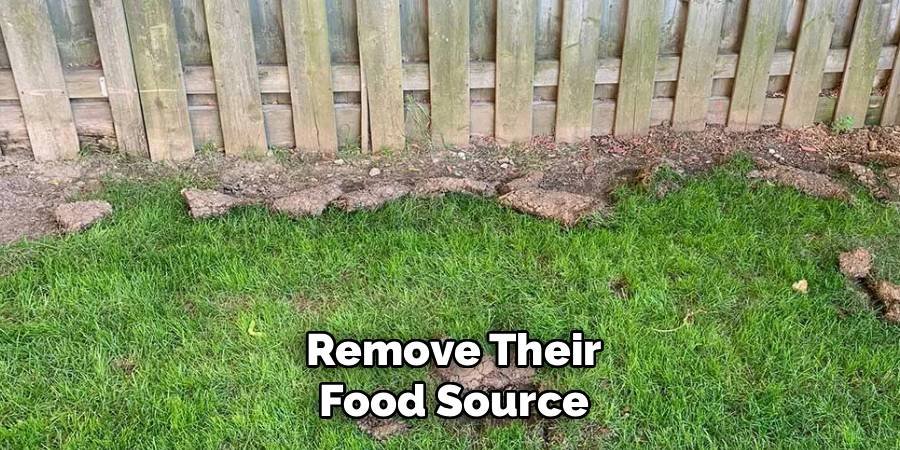
For long-term protection, consider installing underground barriers made from hardware cloth. Bury wire mesh 2-3 inches below the surface in high-traffic areas. This method prevents digging without affecting lawn mower operation or normal foot traffic.
Step 6: Improve Outdoor Lighting
Raccoons prefer operating under cover of darkness and typically avoid well-lit areas. Install solar-powered spotlights or LED flood lights around your property’s perimeter, focusing on lawn areas and potential entry points. Motion-activated lighting provides energy-efficient protection while startling nocturnal visitors.
Strategic lighting placement also enhances your home’s security and curb appeal. Choose fixtures designed for outdoor use and position them to eliminate dark corners where raccoons might feel comfortable approaching your lawn.
Step 7: Remove Shelter Opportunities
Raccoons need nearby shelter for resting between feeding sessions. Trim low-hanging tree branches, clear brush piles, and seal access points under decks, sheds, or porches. Reducing available hiding spots forces raccoons to travel farther for food, making your property less convenient.

Stack firewood away from the house and eliminate debris piles that could serve as temporary shelters. Regular property maintenance creates an environment that feels exposed and unsafe to raccoons seeking comfortable feeding territories.
Step 8: Use Ultrasonic Deterrent Devices
Electronic ultrasonic repellers emit high-frequency sounds that irritate raccoons without disturbing most household pets or humans. Place these battery-operated devices around lawn perimeters and areas showing frequent damage signs. Many models include flashing LED lights for added deterrent effect.
Rotate device locations weekly to prevent raccoons from becoming accustomed to static sound patterns. Combine ultrasonic repellers with other deterrent methods for comprehensive protection that addresses multiple raccoon senses simultaneously.
Step 9: Apply Granular Repellents
Commercial granular repellents designed specifically for raccoons provide long-lasting protection when applied correctly. These products typically contain ingredients like garlic, predator scents, and other natural deterrents that create an unwelcoming environment for lawn-damaging wildlife.
Follow manufacturer instructions carefully regarding application rates and timing. Most granular repellents require reapplication every 30-45 days or after heavy rainfall. Apply during dry weather conditions for optimal soil penetration and effectiveness.
Step 10: Monitor and Adjust Strategies
Successful raccoon deterrence requires ongoing observation and strategy refinement. Check your lawn daily for new damage signs and adjust deterrent placement based on raccoon behavior patterns. Keep a simple log noting which methods seem most effective for your specific situation.
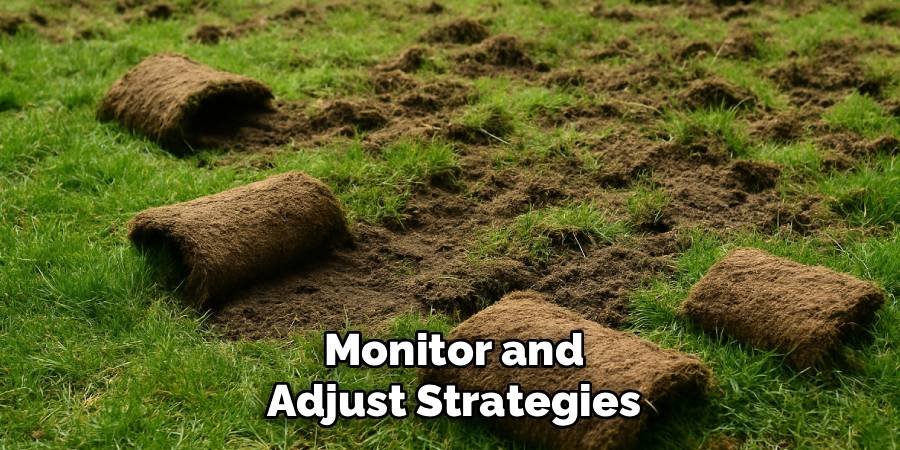
Raccoons are intelligent animals that adapt to deterrent strategies over time. Rotate between different scents, lighting patterns, and barrier types to maintain effectiveness. Persistence and flexibility are key to achieving long-term success in protecting your lawn investment.
Maintaining Your Raccoon-Free Lawn
Preventing future raccoon damage requires consistent maintenance of your deterrent systems. Replace motion sprinkler batteries regularly and clean sensors to ensure reliable operation. Refresh scent-based deterrents according to manufacturer recommendations, especially during peak raccoon activity seasons.
Continue monitoring grub populations through regular soil inspections. Apply beneficial nematodes annually as a preventive measure, even after raccoon activity decreases. A proactive approach costs less than reactive lawn repairs.
Keep detailed records of what works best for your property. This information proves invaluable for adjusting strategies and helps if you need professional pest control assistance.
Common Mistakes to Avoid
Many homeowners make the error of focusing solely on repairing lawn damage without addressing root causes. Simply reseeding torn areas without eliminating food sources guarantees future raccoon visits and repeated destruction.
Another frequent mistake involves using harmful chemicals or aggressive deterrent methods. Poison baits endanger pets, children, and beneficial wildlife while potentially violating local regulations. Stick to humane, environmentally safe deterrent strategies.
Don’t expect immediate results from any single method. Effective raccoon control requires patience and consistent application of multiple strategies working together over several weeks.
FAQ
How long does it take to stop raccoons from damaging my lawn?
Most homeowners see significant reduction in raccoon activity within 2-4 weeks of implementing comprehensive deterrent strategies. Complete elimination may take 6-8 weeks as raccoons establish new feeding patterns away from your property.
Will raccoons return after I’ve successfully deterred them?
Raccoons may attempt to return, especially during food-scarce periods or if you discontinue deterrent maintenance. Consistent application of multiple deterrent methods and ongoing property maintenance prevent most return visits from becoming successful.
Are there any deterrent methods that could harm my pets?
Motion-activated sprinklers, natural scent deterrents, and granular repellents are safe for pets when used according to manufacturer instructions. Avoid ultrasonic devices if you have sensitive pets, and never use poison baits or harmful chemicals.
What’s the best time of year to implement raccoon deterrents?
Begin deterrent strategies in early spring before raccoon activity peaks. Late summer and fall represent the most destructive periods as raccoons prepare for winter, making prevention more effective than reactive measures.
How much should I expect to spend on raccoon deterrents?
Basic deterrent strategies cost between $50-200 initially, with minimal ongoing expenses for maintenance. This investment is significantly less than professional lawn restoration costs, which can reach $2,000 for extensive damage repair.
Conclusion
Learning how do I stop raccoons from tearing up my lawn doesn’t have to be an overwhelming challenge when you approach it systematically. By combining immediate damage prevention with long-term habitat modification, you can successfully protect your lawn investment while maintaining a beautiful outdoor space.
The key lies in understanding raccoon behavior and implementing multiple deterrent strategies that address their need for food, shelter, and security. Motion-activated sprinklers, natural deterrents, and proper property maintenance work together to create an environment that raccoons find unwelcoming.
Remember that persistence pays off in raccoon control efforts. While you might not see immediate results, consistent application of these proven strategies will gradually shift raccoon feeding patterns away from your property.
Your lawn represents a significant investment in your home’s value and your family’s outdoor enjoyment. Taking proactive steps to prevent raccoon damage protects this investment while creating a safer, more beautiful environment for everyone to enjoy. With patience and the right approach, you’ll soon have a raccoon-free lawn that stays pristine throughout the seasons.

About Ravuk Barg
B.Sc. Horticulture Science | Certified Master Gardener
Ravuk Barg has spent more than a decade with his hands in the soil and his head full of questions about why some gardens thrive while others struggle. What started as a single raised bed of tomatoes and basil in a modest backyard has grown into a deep, working knowledge of everything from seed germination and soil amendment to companion planting and seasonal pruning.
Over the years, Ravuk has gardened through drought summers, waterlogged springs, and pest invasions that would make most gardeners hang up their trowels for good. Those hard seasons, he’ll tell you, taught him more than any perfect growing year ever could. He writes from that earned experience—covering vegetable growing, ornamental planting, houseplant care, composting, and garden design with equal confidence and curiosity.
Philosophy & Approach
Ravuk’s approach to gardening is rooted in practicality. He favors organic methods not out of dogma, but because they work long-term—resulting in healthier soil, fewer inputs, and stronger plants. He has a particular fondness for heirloom vegetable varieties (the kind with proper flavor), unruly cottage-style flower beds, and the stubborn houseplants that everyone else gave up on.
The Mission: Give readers the honest, experience-backed advice that helps them actually succeed in their gardens—not just the ideal version, but the real one; weeds, failures, and all.
Education & Credentials
-
B.Sc. in Horticulture Science
-
Greenfield Agricultural University
-
Focus: Plant Physiology, Soil Ecology, and Sustainable Crop Production
-
-
Master Gardener Certification
-
Cooperative Extension Service
-
Focus: 200+ hours of hands-on practical training and community garden work
-
Continuing Education
-
Organic Pest Management
-
Native Plant Landscaping
-
Sustainable Crop Production