

Horse manure is one of the best natural fertilizers for your garden. Many gardeners love using it because it helps plants grow strong and healthy. If you want to know how to use horse manure in garden spaces, you’re in the right place. This guide will teach you everything you need to know about using horse manure safely and effectively.
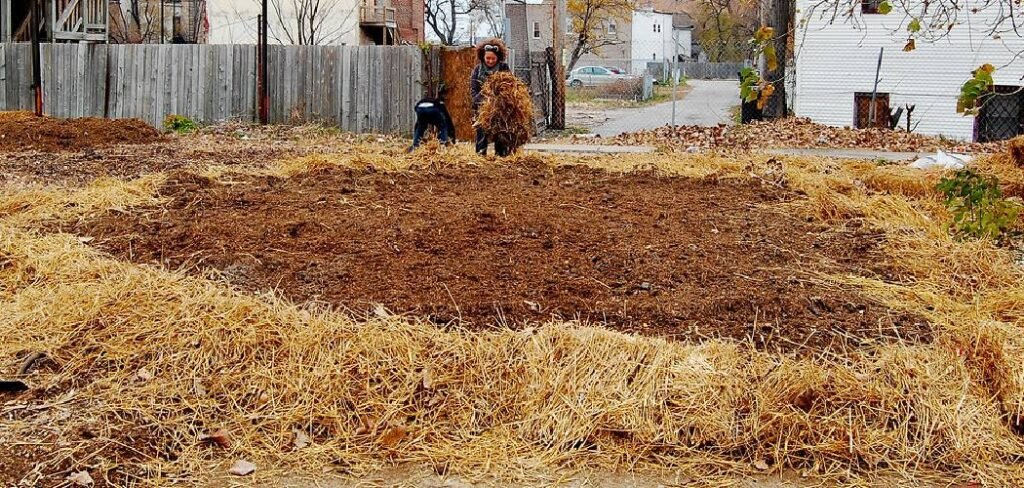
Horse manure contains many nutrients that plants need. It has nitrogen, phosphorus, and potassium. These are the three main nutrients that help plants grow well. When you add horse manure to your garden, you’re giving your plants a natural boost that chemical fertilizers can’t match.
Why Horse Manure is Great for Gardens
Horse manure offers many benefits for your garden soil. First, it improves soil structure by making heavy clay soil lighter and helping sandy soil hold water better. The organic matter in horse manure feeds beneficial bacteria and worms in your soil.
Fresh horse manure contains about 0.7% nitrogen, 0.3% phosphorus, and 0.6% potassium. While these numbers might seem small, horse manure also adds organic matter that slowly releases nutrients over time. This means your plants get fed for months, not just days.
Horse manure also helps your soil hold water better. Good soil needs to drain well but also keep some moisture for plant roots. The organic matter in composted horse manure creates tiny spaces in soil that hold both air and water.
How to Get Good Horse Manure
Not all horse manure is the same quality. The best horse manure comes from horses that eat good hay and grain. Avoid manure from horses that have been given antibiotics recently, as these can harm soil bacteria.
Fresh horse manure is very hot, meaning it can burn plants if used right away. You need to compost it first or let it age for at least six months. Well-aged horse manure looks dark brown and doesn’t smell strong.
Look for horse manure that doesn’t contain too much bedding. Wood shavings and straw are okay, but avoid manure with lots of sawdust. Sawdust takes nitrogen from soil as it breaks down, which can hurt your plants.
10 Effective Method on How to Use Horse Manure in Garden
1. Composting Horse Manure Method
Composting is the best way to use horse manure in garden beds. Start by making a pile that’s at least 3 feet wide and 3 feet tall. Mix the horse manure with brown materials like dried leaves, straw, or shredded paper. Use three parts brown materials to one part horse manure.
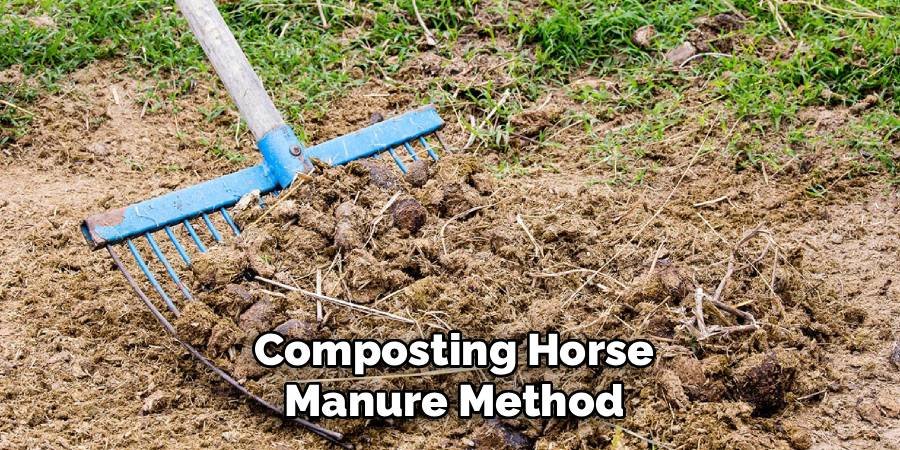
Turn your compost pile every two weeks with a pitchfork or shovel. This adds air that helps good bacteria break down the materials. Water the pile if it gets too dry. It should feel like a damp sponge. Your compost will be ready in 3-6 months. Good compost looks dark and crumbly like soil. It should smell earthy, not like manure. You can use finished compost right away without worrying about burning your plants.
2. Direct Application Method
You can apply aged horse manure directly to your garden beds in fall or early spring. The manure should be at least 6-12 months old before using this method. Spread a 2-4 inch layer over your garden beds.
Work the aged manure into the top 6 inches of soil with a garden fork or tiller. Don’t put fresh manure directly on soil where you’ll plant within 4 months. This can cause foodborne illness if you’re growing vegetables.
This method works great for flower beds and areas where you won’t plant food crops right away. The manure will continue breaking down and feeding your soil throughout the growing season.
3. Liquid Fertilizer Method
You can make liquid fertilizer from aged horse manure. This is perfect for feeding container plants and giving established plants a quick boost. Fill a bucket with aged horse manure and add water until the bucket is full.
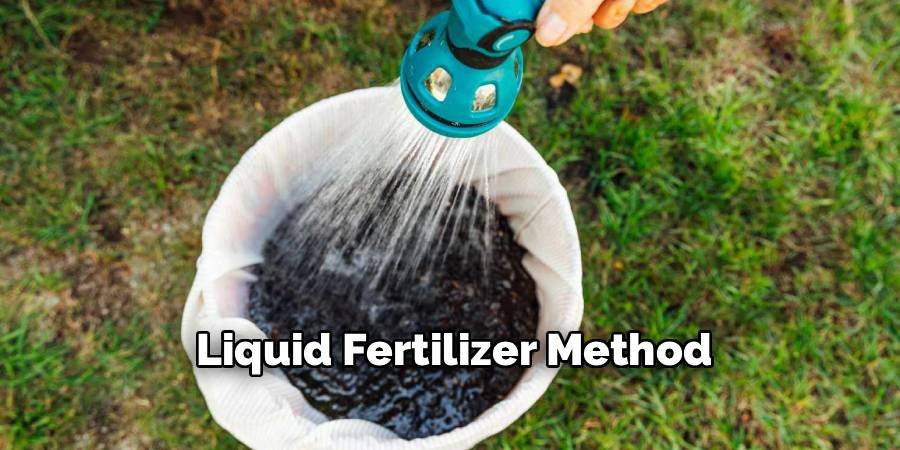
Let this mixture sit for one week, stirring it every day. The water will turn brown as nutrients dissolve. Strain out the solid pieces using cheesecloth or an old t-shirt. Dilute this liquid fertilizer with water before using it. Mix one part manure tea with three parts clean water. Pour this around your plants once a month during the growing season.
4. Mulching Method
Aged horse manure makes excellent mulch around trees and shrubs. Apply a 2-3 inch layer around plants, keeping it 6 inches away from tree trunks and plant stems. This prevents pest and disease problems.
Manure mulch feeds plants slowly as it breaks down. It also keeps weeds from growing and helps soil stay moist. Replace the mulch each spring with fresh aged manure.
This method works especially well for fruit trees, roses, and perennial flowers. These plants benefit from the slow release of nutrients that manure mulch provides.
5. Raised Bed Method
When building new raised beds, horse manure can be part of your soil mix. Use composted horse manure, not fresh. Mix one part composted horse manure with two parts topsoil and one part compost from other sources.
This creates rich, well-draining soil that plants love. The different types of organic matter work together to create the perfect growing environment. Your plants will grow faster and produce more flowers or vegetables.
Fill your raised beds with this mixture in fall if possible. This gives everything time to settle and blend together before spring planting season.
6. Side-Dressing Method
Side-dressing means adding fertilizer around plants while they’re growing. Use aged horse manure for this method, never fresh manure. Apply a thin layer of aged manure around plants, staying 4 inches away from stems.
This method works great for heavy feeding plants like tomatoes, corn, and squash. These plants use lots of nutrients and benefit from extra feeding during the growing season.
Apply aged manure side-dressing once a month during the active growing season. Water the area well after applying to help nutrients reach plant roots.
7. Fall Application Method
Fall is the perfect time to add horse manure to your garden. You can use fresher manure in fall because it has time to break down over winter. Spread a 2-4 inch layer over garden beds after harvest.
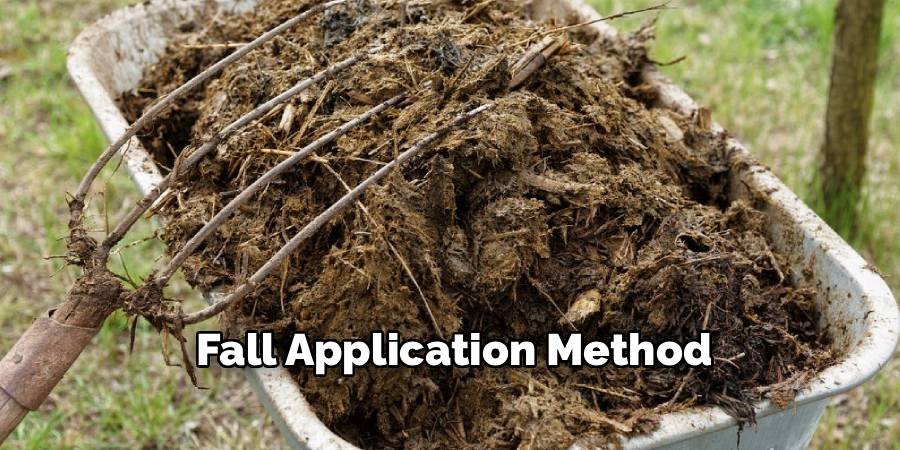
Don’t work fall-applied manure into the soil right away. Let it sit on top over winter. Rain and snow will help it break down naturally. Earthworms and soil microbes will work it into the soil for you. In spring, you’ll have rich, dark soil that’s perfect for planting. This method is less work than composting and gives excellent results.
8. Container Gardening Method
Horse manure can improve potting soil for container gardens. Mix composted horse manure with regular potting soil at a ratio of 1:4. This means one part manure to four parts potting soil.
Never use fresh horse manure in containers. It will burn plant roots and can cause plants to die. Only use well-composted manure that’s at least one year old.
This mixture provides slow-release nutrition for container plants. You’ll need to fertilize less often when your potting soil contains composted horse manure.
9. Lawn Improvement Method
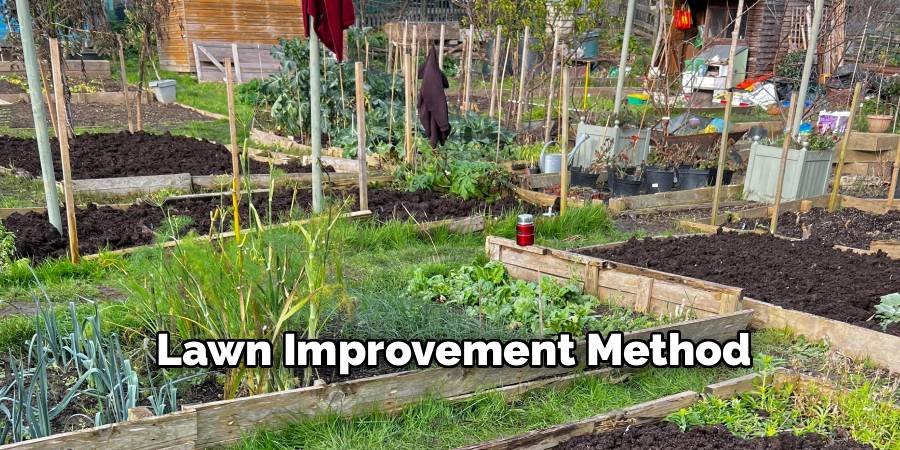
You can use aged horse manure to improve your lawn soil. Spread a thin layer (no more than 1/4 inch) over grass areas in early spring or fall. Use a rake to work it down to soil level.
This method helps grass grow thicker and more green. The organic matter improves soil structure and helps grass roots go deeper. Your lawn will be more drought-resistant and need less fertilizer.
Don’t use too much manure on lawns or it can burn the grass. A little bit goes a long way for lawn improvement.
10. Soil Amendment Method
Use horse manure as a general soil amendment before planting new garden beds. Work aged manure into poor soil to improve its structure and fertility. This is especially helpful for clay soil or sandy soil.
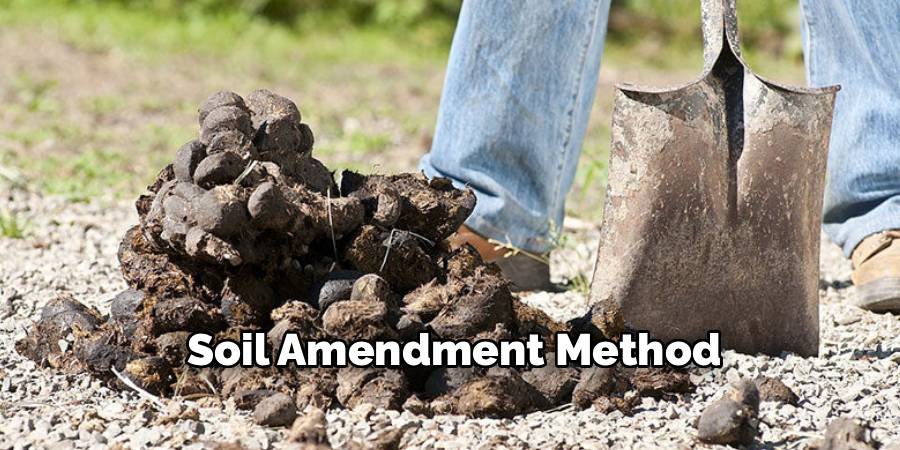
For clay soil, add 2-4 inches of aged horse manure and work it in 8-10 inches deep. This helps clay soil drain better and makes it easier for roots to grow.
For sandy soil, horse manure helps hold water and nutrients that would otherwise wash away. Mix in 2-3 inches of aged manure to help sandy soil hold more water.
Common Mistakes to Avoid
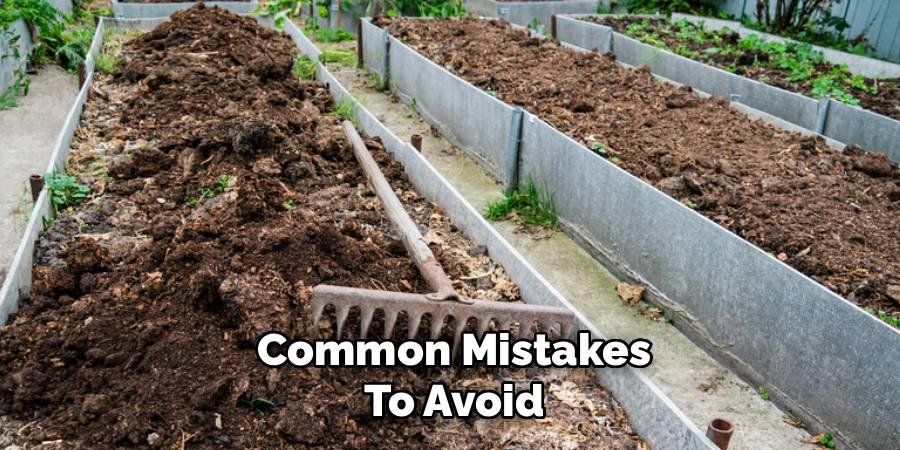
The biggest mistake is using fresh horse manure directly on plants. Fresh manure is too strong and will burn plant roots. Always compost fresh manure or let it age for at least 6 months. Don’t use too much horse manure. More isn’t always better. Too much manure can make soil too rich, causing plants to grow lots of leaves but few flowers or fruits. Avoid mixing horse manure with soil that’s too wet. Wait until soil is moist but not muddy before working in manure. Working wet soil can create hard clumps that hurt root growth.
FAQs
How long should horse manure age before using it in the garden?
Horse manure should age for at least 6-12 months before using it directly in the garden. Fresh manure is too strong and can burn plants. Properly aged manure will be dark brown, crumbly, and smell earthy rather than strong. If you want to use it sooner, compost it properly with brown materials like leaves or straw for 3-4 months.
Can I use horse manure directly from the stable on my vegetables?
No, you should never use fresh horse manure directly on vegetables. Fresh manure contains harmful bacteria that can cause food poisoning. You must wait at least 120 days between applying fresh manure and harvesting vegetables you eat raw. For cooked vegetables, wait 90 days. Always use aged or composted manure for food crops.
How much horse manure should I use in my garden?
Use 2-4 inches of aged horse manure spread over your garden beds. For container plants, mix 1 part composted horse manure with 4 parts potting soil. Don’t use too much – excess manure can burn plants and create nutrient imbalances. Start with less and add more if needed.
What’s the difference between composted and aged horse manure?
Aged horse manure is simply old manure that has been left to break down naturally over 6-12 months. Composted horse manure has been actively managed in a compost pile with proper turning, moisture, and brown materials mixed in. Composting is faster (3-4 months) and creates a more balanced product than aging alone.
Is horse manure better than cow manure for gardens?
Horse manure and cow manure are both excellent for gardens, but they have different qualities. Horse manure breaks down faster and has slightly more nitrogen than cow manure. Cow manure is usually more aged when you get it and contains fewer weed seeds. Both work well – choose based on what’s available in your area.
Conclusion
Learning how to use horse manure in garden spaces can transform your soil and help your plants thrive. This natural fertilizer provides essential nutrients while improving soil structure and water retention. The 10 methods we’ve covered give you many options for incorporating horse manure into your gardening routine.
Remember that patience is key when using horse manure. Always allow fresh manure to age or compost properly before application. This prevents plant damage and ensures food safety. Start with smaller amounts and increase as you see how your plants respond. Whether you choose to compost horse manure, apply it directly as mulch, or create liquid fertilizer, your garden will benefit from this rich organic amendment. Your plants will grow stronger, your soil will become more fertile, and you’ll enjoy better harvests year after year. With proper application and timing, horse manure can become one of your most valuable gardening tools for creating a healthy, productive garden.

About Ravuk Barg
B.Sc. Horticulture Science | Certified Master Gardener
Ravuk Barg has spent more than a decade with his hands in the soil and his head full of questions about why some gardens thrive while others struggle. What started as a single raised bed of tomatoes and basil in a modest backyard has grown into a deep, working knowledge of everything from seed germination and soil amendment to companion planting and seasonal pruning.
Over the years, Ravuk has gardened through drought summers, waterlogged springs, and pest invasions that would make most gardeners hang up their trowels for good. Those hard seasons, he’ll tell you, taught him more than any perfect growing year ever could. He writes from that earned experience—covering vegetable growing, ornamental planting, houseplant care, composting, and garden design with equal confidence and curiosity.
Philosophy & Approach
Ravuk’s approach to gardening is rooted in practicality. He favors organic methods not out of dogma, but because they work long-term—resulting in healthier soil, fewer inputs, and stronger plants. He has a particular fondness for heirloom vegetable varieties (the kind with proper flavor), unruly cottage-style flower beds, and the stubborn houseplants that everyone else gave up on.
The Mission: Give readers the honest, experience-backed advice that helps them actually succeed in their gardens—not just the ideal version, but the real one; weeds, failures, and all.
Education & Credentials
-
B.Sc. in Horticulture Science
-
Greenfield Agricultural University
-
Focus: Plant Physiology, Soil Ecology, and Sustainable Crop Production
-
-
Master Gardener Certification
-
Cooperative Extension Service
-
Focus: 200+ hours of hands-on practical training and community garden work
-
Continuing Education
-
Organic Pest Management
-
Native Plant Landscaping
-
Sustainable Crop Production