

Bringing a new plant home is always exciting, but keeping it healthy can sometimes feel like a puzzle. Many common houseplants, especially tropical varieties, thrive in high-humidity environments that our homes often lack.
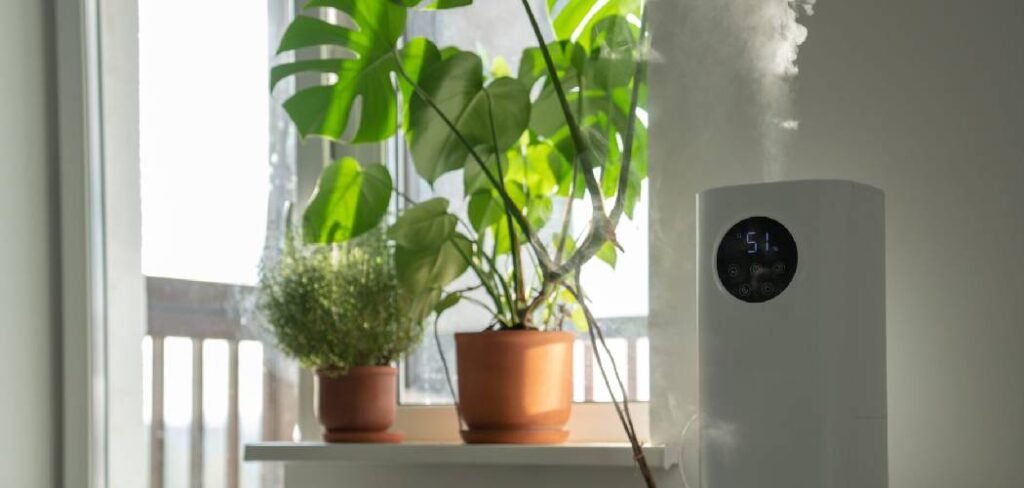
Low humidity can lead to brown leaf tips, slow growth, and pest problems. Fortunately, there’s a simple solution. This guide will walk you through exactly how to use a humidifier for plants, ensuring your green friends get the moisture they need to flourish and transform your space into a vibrant indoor jungle.
Why Humidity Matters for Your Houseplants
Just like sunlight and water, humidity is a crucial element for plant health. Many popular houseplants originate from tropical or subtropical regions where the air is naturally moist. When we bring them into our homes, which often have dry air due to heating and air conditioning, these plants can struggle. Proper humidity levels help plants perform vital functions like photosynthesis more efficiently. It also keeps their leaves supple, prevents them from drying out, and can even make them less susceptible to pests like spider mites, which thrive in dry conditions.
8 Step-by-Step Guide on How to Use a Humidifier for Plants
Step 1: Choose the Right Humidifier
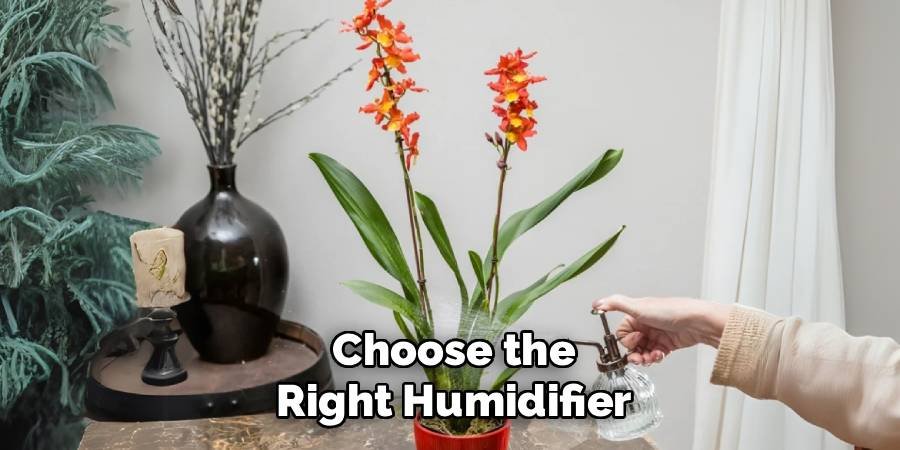
First, select a humidifier that suits your space and plant collection. Cool mist humidifiers are generally the safest and most popular choice for plants, as they don’t involve hot water that could potentially harm curious pets or children. Consider the tank size—a larger tank means less frequent refilling. Also, look for features like an adjustable mist output and a built-in hygrometer, which measures humidity levels, to give you more control over the environment.
Step 2: Find the Perfect Placement
Where you place your humidifier is key. Position it at least a few feet away from your plants. Placing it too close can cause water droplets to collect on the leaves, which may lead to fungal issues or rot. The goal is to raise the ambient humidity around the plants, not to spray them directly. Placing the unit on a small table or stand can help the mist disperse more effectively throughout the room and reach your plants evenly.
Step 3: Group Your Plants Together
Create a microclimate by grouping plants with similar humidity needs together. When plants are clustered, they release moisture through a process called transpiration, naturally raising the humidity in their immediate vicinity. Placing your humidifier near this group will amplify the effect, creating a humid pocket where your tropicals, ferns, and other moisture-loving plants can thrive. This is an efficient way to manage your indoor garden’s climate.
Step 4: Use Distilled or Filtered Water
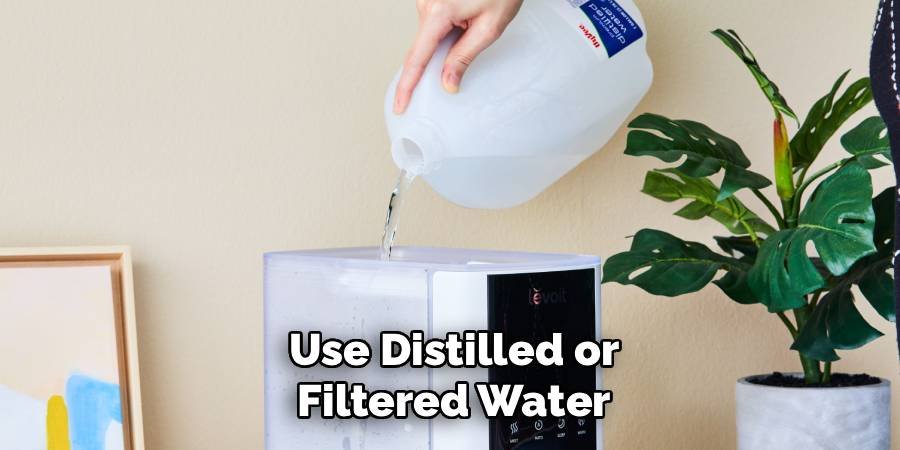
The type of water you use in your humidifier matters. Tap water often contains minerals that can be released into the air as a fine white dust. This dust can settle on your plants’ leaves, potentially blocking their pores and hindering photosynthesis. To avoid this, it’s best to use distilled or filtered water. This will not only keep your plants healthier but also extend the life of your humidifier by preventing mineral buildup.
Step 5: Determine the Ideal Humidity Level
Most tropical houseplants prefer humidity levels between 40% and 60%. Some, like calatheas and prayer plants, might enjoy even higher levels. To find the sweet spot, you’ll need a hygrometer, a small device that measures ambient humidity. Many humidifiers have one built-in, but you can also buy an inexpensive standalone one. Place the hygrometer near your plants to get an accurate reading and adjust your humidifier’s output accordingly.
Step 6: Set a Consistent Schedule
Consistency is crucial for plant health. Running your humidifier on a regular schedule helps prevent drastic fluctuations in humidity that can stress your plants. Many people find it effective to run the humidifier during the day when plants are actively photosynthesizing and turn it off at night. Some humidifiers come with programmable timers, which makes maintaining a consistent schedule effortless and helps you master how to use a humidifier for plants effectively.
Step 7: Ensure Good Air Circulation
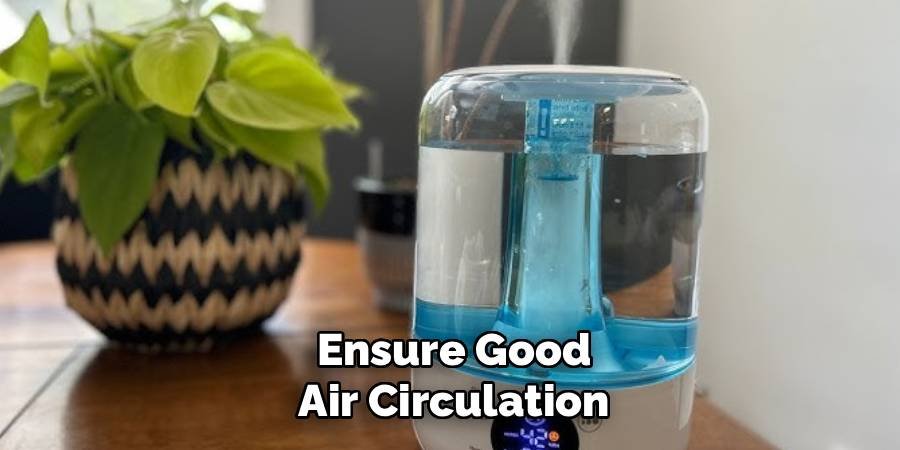
While high humidity is beneficial, stagnant, moist air is not. Poor air circulation combined with high humidity can create an environment where mold and fungal diseases thrive. To prevent this, ensure your room has adequate airflow. You can achieve this by opening a window for a short period each day or using a small, gentle fan on a low setting, pointed away from the plants, to keep the air moving.
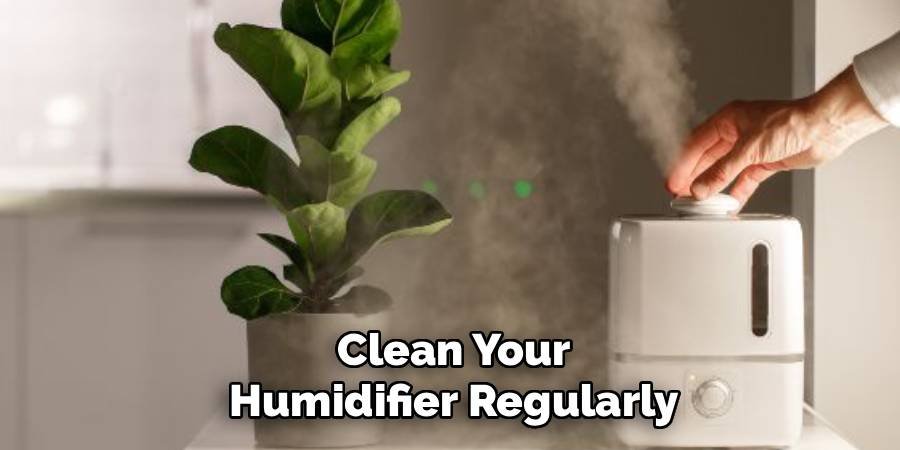
Step 8: Clean Your Humidifier Regularly
A clean humidifier is a healthy humidifier. Standing water can become a breeding ground for bacteria and mold, which can then be dispersed into the air and harm both you and your plants. Follow the manufacturer’s instructions for cleaning, which typically involves rinsing the tank daily and deep cleaning it weekly with a solution of water and vinegar. This simple maintenance routine is essential for keeping your indoor air and plants healthy.
Maintenance
Proper maintenance is key to ensuring your humidifier operates efficiently and safely over time. Regularly check the filters and replace them as needed, as clogged or dirty filters can reduce performance and spread contaminants. Always empty and refill the water tank with fresh water daily to prevent the buildup of mineral deposits and bacteria. For ultrasonic or evaporative humidifiers, descaling the unit every couple of weeks is crucial to remove any mineral residues. By incorporating these maintenance habits, you can extend the lifespan of your humidifier and enjoy clean, healthy air.
Common Mistakes to Avoid
When using a humidifier, there are several common mistakes to steer clear of to ensure optimal performance and safety. One frequent error is neglecting to clean the unit regularly, which can lead to the growth of mold and bacteria. Over-humidifying a room is another mistake, as excessive moisture can encourage the development of dust mites and mold, potentially harming indoor air quality.
Additionally, using tap water instead of distilled or demineralized water can cause mineral buildup, leading to white dust and potential damage to the humidifier. Avoid placing the humidifier directly on wooden surfaces or near electronic devices, as excess moisture can cause damage. By being mindful of these pitfalls, you can maximize your humidifier’s effectiveness and maintain a healthier living environment.
Frequently Asked Questions (FAQ)
Can I Run a Humidifier 24/7 for My Plants?
While you can, it’s often not necessary. Running a humidifier for a few hours each day, especially during daylight, is usually sufficient to maintain the desired 40-60% humidity level for most houseplants. Running it constantly may lead to overly damp conditions, which can encourage fungal growth. Using a hygrometer to monitor levels is the best way to determine the right schedule. Some modern humidifiers have a “set it and forget it” function that automatically turns on and off to maintain a target humidity.
What’s the Difference Between a Cool Mist and Warm Mist Humidifier for Plants?
Both types increase air moisture, but cool mist humidifiers are generally preferred for plants.
- Cool Mist: These use ultrasonic vibrations or a fan to disperse a room-temperature mist. They are safer around pets and children and tend to be more energy-efficient.
- Warm Mist: These boil water to create steam. While effective, the heat can be a safety concern, and they use more electricity. For most plant-care scenarios, a cool mist humidifier is the ideal choice.
How Far Away Should the Humidifier Be From My Plants?
A good rule of thumb is to place the humidifier about 3 to 6 feet away from your plants. The goal is to increase the overall humidity in the air surrounding the plants, not to wet their leaves directly. If you notice water droplets accumulating on the foliage, the humidifier is too close. Placing it on a stool or small table can also help the mist circulate more evenly through the air.
Can a Humidifier Attract Pests?
A humidifier itself doesn’t attract pests, but the environment it creates can. High humidity without proper air circulation can make your plants more susceptible to fungal diseases and certain pests that thrive in damp, stagnant conditions. However, a humidifier can also deter pests like spider mites, which prefer dry environments. The key is balance: maintain good airflow by using a small fan or opening a window periodically to keep the air fresh.
Do Succulents and Cacti Need a Humidifier?
No, most succulents and cacti do not need a humidifier. These plants are native to arid, desert environments and are adapted to thrive in dry air. Increasing the humidity around them can actually be harmful, leading to problems like fungal infections and root rot. It’s best to keep these desert-dwellers in a separate room from your tropical, humidity-loving plants.
Conclusion
Elevating the humidity in your home is one of the most effective ways to help your houseplants thrive. By choosing the right device, finding the perfect placement, and maintaining a consistent cleaning schedule, you can easily replicate the moist, tropical conditions your plants love. Don’t be intimidated by the process; it’s a simple adjustment that yields beautiful results. Now that you know how to use a humidifier for plants, you are well-equipped to create a healthier, more vibrant indoor garden.

About Ravuk Barg
B.Sc. Horticulture Science | Certified Master Gardener
Ravuk Barg has spent more than a decade with his hands in the soil and his head full of questions about why some gardens thrive while others struggle. What started as a single raised bed of tomatoes and basil in a modest backyard has grown into a deep, working knowledge of everything from seed germination and soil amendment to companion planting and seasonal pruning.
Over the years, Ravuk has gardened through drought summers, waterlogged springs, and pest invasions that would make most gardeners hang up their trowels for good. Those hard seasons, he’ll tell you, taught him more than any perfect growing year ever could. He writes from that earned experience—covering vegetable growing, ornamental planting, houseplant care, composting, and garden design with equal confidence and curiosity.
Philosophy & Approach
Ravuk’s approach to gardening is rooted in practicality. He favors organic methods not out of dogma, but because they work long-term—resulting in healthier soil, fewer inputs, and stronger plants. He has a particular fondness for heirloom vegetable varieties (the kind with proper flavor), unruly cottage-style flower beds, and the stubborn houseplants that everyone else gave up on.
The Mission: Give readers the honest, experience-backed advice that helps them actually succeed in their gardens—not just the ideal version, but the real one; weeds, failures, and all.
Education & Credentials
-
B.Sc. in Horticulture Science
-
Greenfield Agricultural University
-
Focus: Plant Physiology, Soil Ecology, and Sustainable Crop Production
-
-
Master Gardener Certification
-
Cooperative Extension Service
-
Focus: 200+ hours of hands-on practical training and community garden work
-
Continuing Education
-
Organic Pest Management
-
Native Plant Landscaping
-
Sustainable Crop Production