

Discovering a strange, web-like substance across your beautiful garden mulch can be alarming. This is often slime mold, a type of fungus that, while usually harmless to plants, can be an eyesore. For gardeners who take pride in their landscape’s appearance, knowing how to treat white mold in mulch is an essential skill. This growth, sometimes called “dog vomit fungus,” thrives in damp, shady conditions and feeds on decaying organic matter.
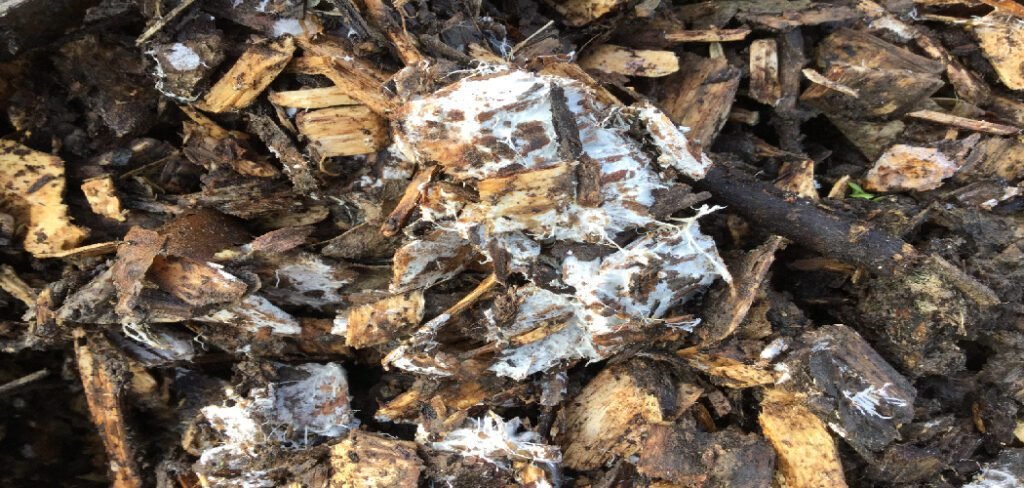
While it may look unpleasant, the good news is that managing it is straightforward. This guide will walk you through simple, effective methods to remove the mold and prevent it from returning, helping you restore your garden beds to their pristine condition.
What is White Mold in Mulch?
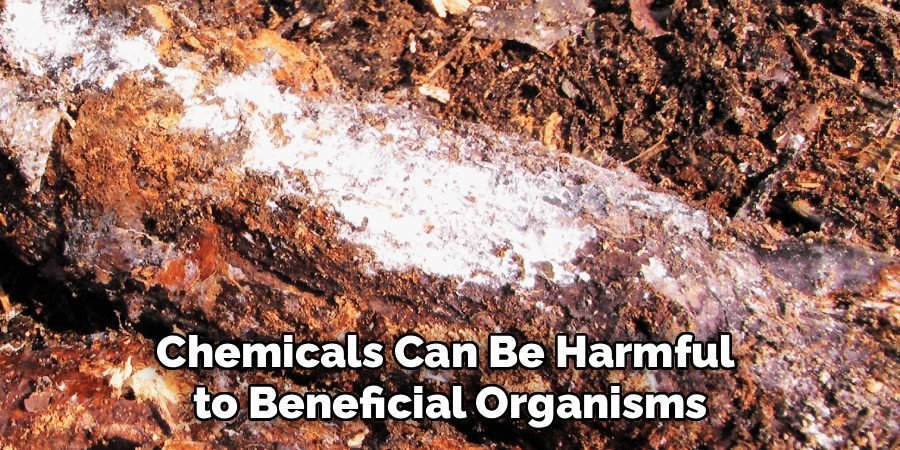
Before diving into treatment, it’s helpful to understand what you’re dealing with. The white, yellowish, or sometimes orange substance you see is not a true mold but a slime mold. Specifically, it’s often Fuligo septica. These are fascinating, primitive organisms that function like fungi but move like amoebas. They appear when conditions are just right—typically during warm, wet periods. The slime mold feeds on bacteria and microorganisms within the mulch, not on your living plants.
Its appearance is part of a natural decomposition process. While it’s not directly harmful, a thick layer can temporarily block water and air from reaching plant roots, and most gardeners simply don’t like how it looks.
8 Step-by-Step Guide on How to Treat White Mold in Mulch
Step 1: Assess the Situation
First, take a moment to examine the extent of the slime mold growth. Is it a small, isolated patch, or has it spread across a large area of your mulched beds? Note the color and texture; it often starts as a bright, slimy patch and dries into a powdery, crusty substance. This initial assessment will help you decide on the best course of action. For minor cases, a simple disruption might be enough, but widespread growth may require more thorough removal. Also, check the surrounding plants to ensure they are not being smothered, although this is rare.
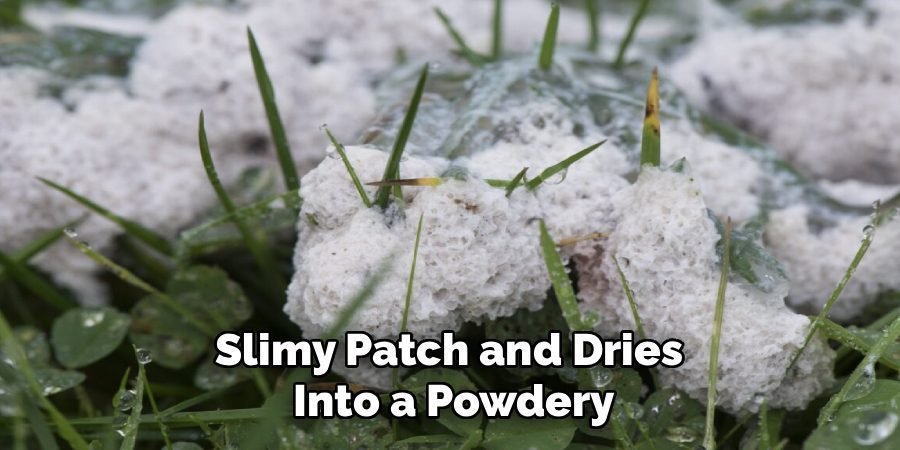
Step 2: Break Up the Mold
Your first line of defense is physical disruption. Using a garden rake, trowel, or a gloved hand, gently break up the visible slime mold. The goal is to disturb its structure and expose it to air and sunlight, which are its natural enemies. Raking the affected mulch will also help aerate the top layer, making the environment less hospitable for future growth. This simple action is often enough to stop the mold in its tracks, causing it to dry out and disappear within a few days without the need for any chemical treatments.
Step 3: Physically Remove the Mold
If breaking up the mold isn’t enough or if you want it gone immediately, your next option is physical removal. Use a shovel or a sturdy spade to scoop up the affected mulch along with the slime mold. Be sure to collect all visible parts of the growth. Place the contaminated mulch into a garbage bag for disposal with your household waste. Do not add it to your compost pile, as the spores can survive and potentially spread to other areas of your garden when you use the finished compost. This is an effective way to handle stubborn patches.
Step 4: Increase Sun Exposure
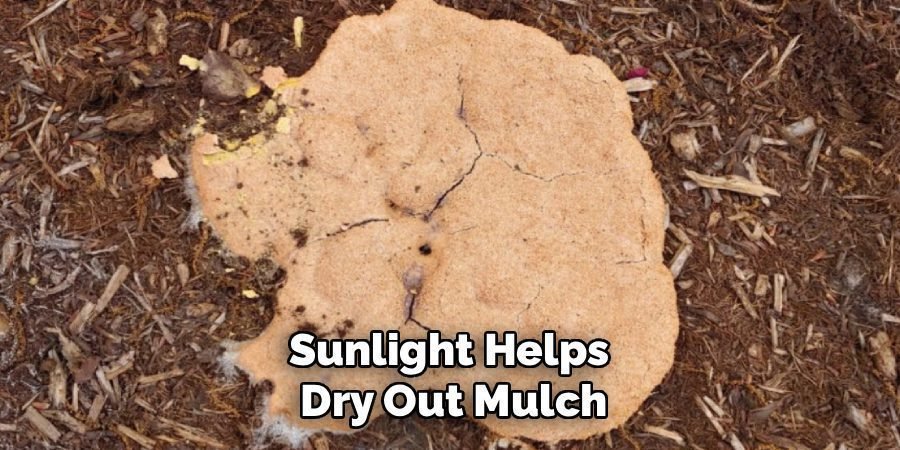
Slime mold thrives in shady, damp environments. A crucial step in both treatment and prevention is to increase the amount of sunlight that reaches your mulched areas. If possible, trim back overhanging tree branches or overgrown shrubs that are casting excessive shade on the garden beds. More direct sunlight will help the mulch dry out faster after rain or watering, creating an environment where slime mold cannot flourish. This natural approach is one of the most effective long-term strategies for keeping your mulch free from unwanted fungal growth.
Step 5: Improve Air Circulation
Just as sunlight helps dry out mulch, so does good air circulation. Poor airflow traps moisture at the surface of the mulch, creating the perfect breeding ground for slime mold. After removing any visible mold, take time to improve ventilation around your plants and garden beds. You can achieve this by thinning out densely packed plants, which allows more air to move freely. Regularly raking the mulch also helps, as it prevents compaction and allows the surface to breathe. Better airflow is a simple yet powerful tool for preventing fungal issues.
Step 6: Adjust Your Watering Habits
Overwatering is a primary contributor to mold and fungus problems in the garden. When mulch is constantly saturated, it provides an ideal habitat for slime mold. To combat this, adjust your watering schedule. Water your plants deeply but less frequently, allowing the top layer of mulch to dry out completely between sessions. When you do water, aim for the base of the plants rather than spraying the entire surface of the mulch bed. This targeted approach ensures your plants get the moisture they need without creating overly damp conditions for mold.
Step 7: How to Treat White Mold in Mulch with Vinegar
For a natural fungicidal treatment, a simple vinegar solution can be effective. Mix one part white vinegar with three parts water in a spray bottle. Before applying, test the solution on a small, inconspicuous area to ensure it doesn’t discolor your mulch. Once you’ve confirmed it’s safe, lightly spray the affected areas. The acidity of the vinegar helps to kill the slime mold and its spores. Use this solution sparingly, as excessive vinegar can harm nearby plants by altering the soil pH. This method is best for small, persistent patches.
Step 8: Refresh with a Thin Layer of New Mulch
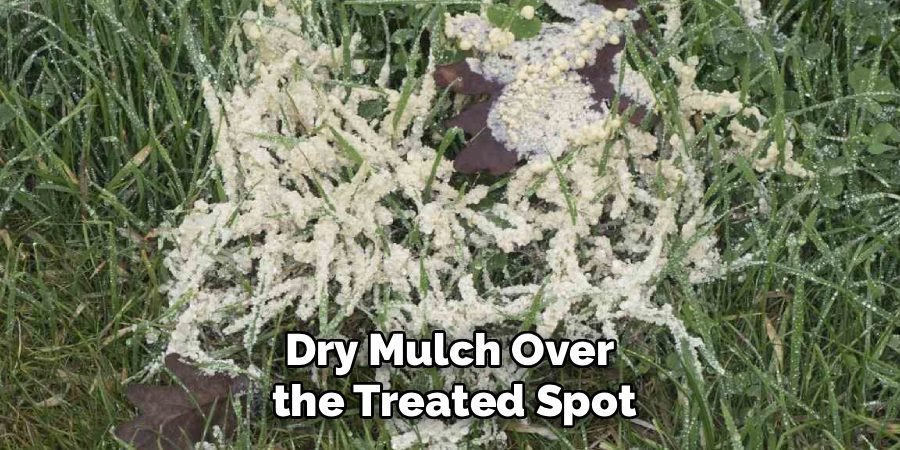
After you have removed the slime mold and addressed the underlying environmental conditions, you can refresh the area. Apply a thin layer of new, dry mulch over the treated spot. This will improve the appearance of your garden bed and help create a drier surface layer. Avoid applying a thick new layer, as this can trap moisture and recreate the very conditions that allowed the mold to grow in the first place. A light top-dressing is all that is needed to restore a uniform, clean look to your landscape.
Maintenance Tips
Proper garden maintenance is key to preventing future occurrences of slime mold and ensuring a vibrant landscape. Regularly inspect your mulch for signs of excessive moisture buildup or fungal growth. If possible, turn the mulch periodically to promote airflow and prevent compaction. Adequate irrigation is also essential—water your garden only as needed and avoid overwatering, which can create overly damp conditions. Finally, keep an eye on weather patterns and adjust your gardening practices to match environmental changes, maintaining a healthy, balanced ecosystem for your plants.
Common Mistakes to Avoid
When dealing with slime mold, there are a few common mistakes that can hinder your efforts or even exacerbate the problem. One frequent error is overwatering your garden or landscape. Excess moisture creates the perfect environment for slime mold to thrive, so always ensure you’re watering appropriately for your plants’ needs. Another mistake is applying too much mulch after attempting to remove slime mold.
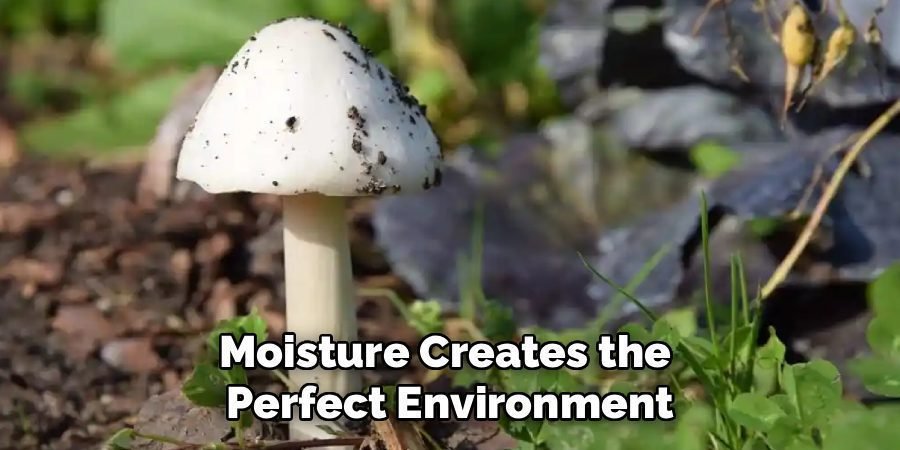
A thick layer of mulch can seal in moisture, encouraging the issue to return. Additionally, using harsh chemical treatments unnecessarily can harm beneficial organisms in your soil without effectively addressing slime mold. Stick to natural remedies and proper garden maintenance techniques to ensure lasting results.
Frequently Asked Questions (FAQ)
Is White Mold in Mulch Harmful to My Plants?
Generally, the white slime mold found in mulch is not harmful to your plants. It is a saprophytic fungus, which means it feeds on decaying organic matter—in this case, the wood chips in your mulch. It does not feed on living plant tissue. However, if the mold growth becomes very thick and dense, it can form a water-repellent crust that may temporarily block water and air from reaching the soil and your plant’s roots. Simply breaking it up is usually enough to resolve this.
Can I Prevent White Mold from Growing in My Mulch?
Yes, prevention is key. You can significantly reduce the chances of slime mold appearing by controlling moisture and improving aeration. Rake your mulch periodically to break up clumps and allow air to circulate. Avoid overwatering and let the top layer of mulch dry out between waterings. Increasing sunlight exposure by trimming back shady branches can also help. Finally, avoid applying mulch in overly thick layers; a depth of two to three inches is sufficient for most garden beds.
Should I Use a Fungicide to Kill the Mold?
Chemical fungicides are typically not necessary or recommended for treating slime mold in mulch. This type of mold is often resistant to fungicides, and the chemicals can be harmful to beneficial organisms in your soil and potentially to your plants. Physical removal and cultural controls—like improving air circulation and sunlight—are far more effective and safer for your garden’s ecosystem. Natural solutions, such as a diluted vinegar spray, are a better alternative for persistent spots if you feel a treatment is needed.
What Is the “Dog Vomit” Fungus?
“Dog vomit fungus” is a common, descriptive nickname for the slime mold Fuligo septica. It gets this unappealing name from its initial appearance as a bright yellow, slimy, scrambled-egg-like mass that looks as if an animal has been sick in the garden. As it matures, it dries out and turns into a brownish, powdery substance that releases spores. Despite its name and appearance, it is a harmless and natural part of the decomposition process in a healthy garden environment.
Will the White Mold Come Back?
It is possible for slime mold to return, as its spores are common in the environment. If the conditions that allowed it to grow in the first place—excess moisture, shade, and poor air circulation—persist, you may see it reappear. However, by consistently following the preventive measures outlined in this guide, such as raking the mulch, watering correctly, and ensuring good sunlight exposure, you can make your garden a much less inviting place for mold and significantly reduce the likelihood of its return.
Conclusion
Dealing with white mold in your garden beds doesn’t have to be a daunting task. By understanding that this slime mold is a natural, mostly harmless organism, you can approach it with confidence. The key is to disrupt its growth by raking or removing it and then altering the environment to make it less hospitable. Improving sunlight, adjusting your watering habits, and ensuring good air circulation are the most effective long-term solutions. Now that you know how to treat white mold in mulch, you are well-equipped to keep your garden looking its best and maintain a healthy, balanced landscape.

About Ravuk Barg
B.Sc. Horticulture Science | Certified Master Gardener
Ravuk Barg has spent more than a decade with his hands in the soil and his head full of questions about why some gardens thrive while others struggle. What started as a single raised bed of tomatoes and basil in a modest backyard has grown into a deep, working knowledge of everything from seed germination and soil amendment to companion planting and seasonal pruning.
Over the years, Ravuk has gardened through drought summers, waterlogged springs, and pest invasions that would make most gardeners hang up their trowels for good. Those hard seasons, he’ll tell you, taught him more than any perfect growing year ever could. He writes from that earned experience—covering vegetable growing, ornamental planting, houseplant care, composting, and garden design with equal confidence and curiosity.
Philosophy & Approach
Ravuk’s approach to gardening is rooted in practicality. He favors organic methods not out of dogma, but because they work long-term—resulting in healthier soil, fewer inputs, and stronger plants. He has a particular fondness for heirloom vegetable varieties (the kind with proper flavor), unruly cottage-style flower beds, and the stubborn houseplants that everyone else gave up on.
The Mission: Give readers the honest, experience-backed advice that helps them actually succeed in their gardens—not just the ideal version, but the real one; weeds, failures, and all.
Education & Credentials
-
B.Sc. in Horticulture Science
-
Greenfield Agricultural University
-
Focus: Plant Physiology, Soil Ecology, and Sustainable Crop Production
-
-
Master Gardener Certification
-
Cooperative Extension Service
-
Focus: 200+ hours of hands-on practical training and community garden work
-
Continuing Education
-
Organic Pest Management
-
Native Plant Landscaping
-
Sustainable Crop Production