

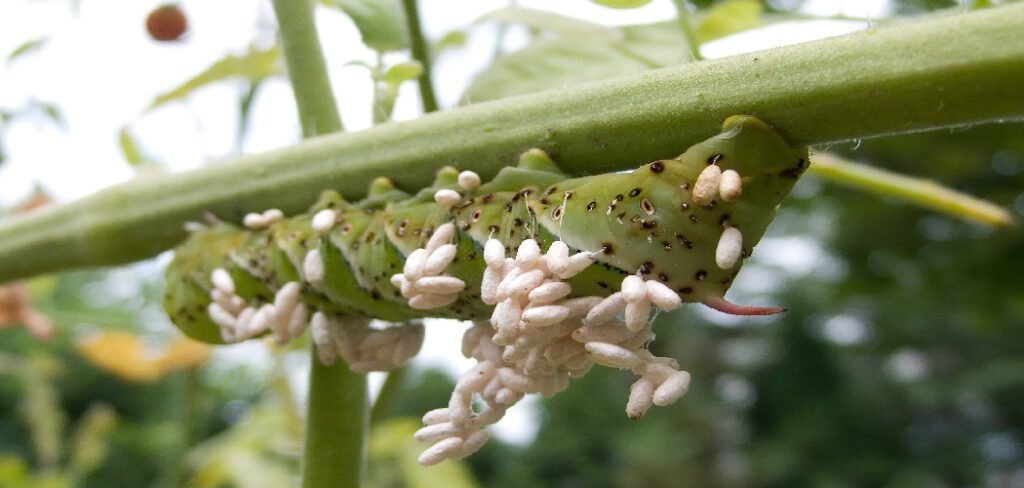
Welcome to the world of raising hornworms! While many gardeners know them as pests, these fascinating caterpillars are also a superb source of nutrition for reptiles, amphibians, and other insect-eating pets. They are packed with moisture and nutrients, making them a healthy treat. But keeping them alive and thriving requires specific care. This guide will walk you through everything you need to know about how to take care of hornworms, from setting up their habitat to ensuring they have the right food. Our goal is to make the process simple and successful for you, ensuring your pets get the best possible feeders.
Why Raise Hornworms?
You might wonder why anyone would want to care for what is often considered a garden nuisance. The answer is simple: unparalleled nutrition for your pets. Hornworms, the larval stage of the sphinx moth, are soft-bodied, easy for reptiles to digest, and have a high calcium-to-phosphorus ratio. Their bright green color also stimulates a natural feeding response in many picky eaters. By raising them yourself, you control their diet and ensure they are gut-loaded with wholesome nutrients, providing a healthier, more enriching meal for your beloved animals than many store-bought alternatives.
Step-by-Step Guide How to Take Care of Hornworms
Step 1: Prepare the Enclosure
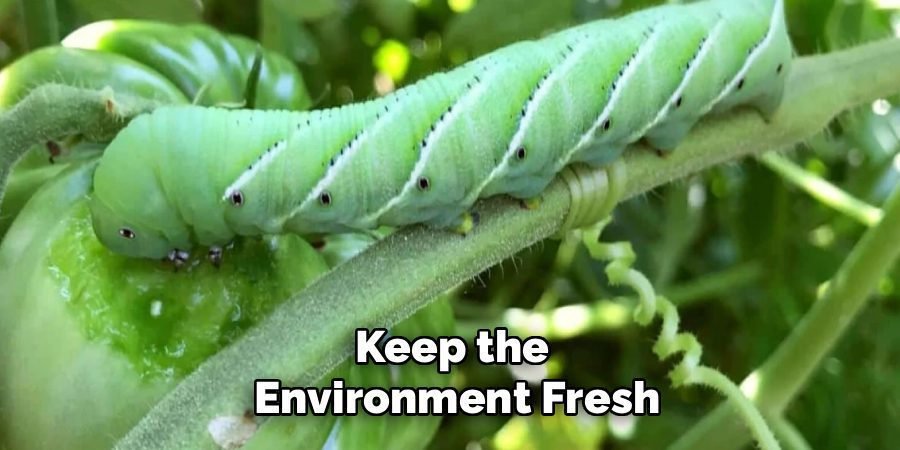
First, you need a suitable home for your hornworms. A small plastic container or a critter keeper with adequate ventilation works perfectly. The enclosure should be clean and dry before you introduce the caterpillars. Good airflow is critical to prevent mold growth, which can be harmful. Many hornworm kits come with a small cup that includes a lid with air holes, but if you are using your own container, be sure to add several small perforations to the lid to allow for proper air exchange and keep the environment fresh.
Step 2: Set the Correct Temperature
Hornworms thrive in a specific temperature range. Keep their enclosure in a warm area, ideally between 75 and 85 degrees Fahrenheit (24-29°C). Maintaining this temperature is essential for their growth and metabolism. If your home is cooler, you might consider placing the container in a warmer room or using a low-wattage heat mat nearby, but be careful not to overheat them. Avoid placing the enclosure in direct sunlight, as this can cause temperatures to spike dangerously high, which can be lethal for the caterpillars.
Step 3: Provide the Right Food
Your hornworms will arrive with a specialized food source, a gelatinous chow packed with all the nutrients they need. This hornworm diet is specifically formulated for their health and growth. There is no need to provide supplemental vegetables like tomatoes or peppers, as this can introduce pesticides and is less nutritious than their prepared food. Simply place the hornworms directly onto the surface of the chow. They will begin eating almost immediately. Ensure there is enough food for them to grow to your desired size.
Step 4: Keep the Habitat Clean
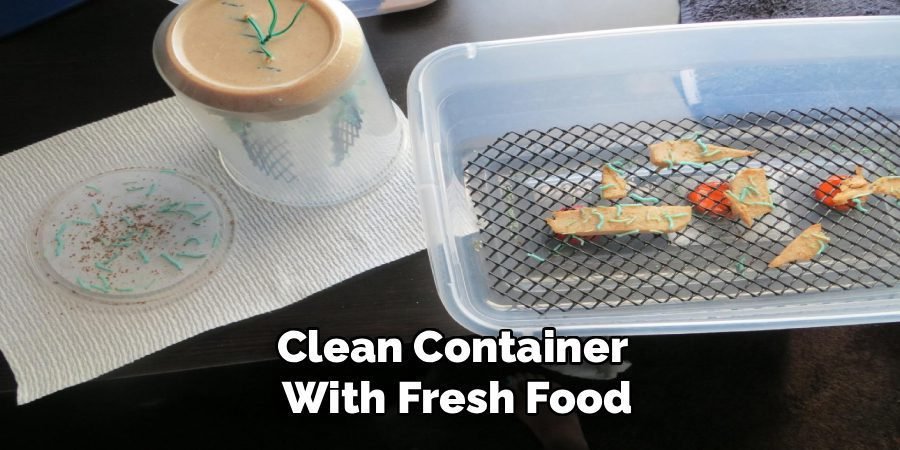
A clean environment is crucial for preventing disease and mold. You will need to remove hornworm droppings, also known as frass, every day or two. These look like small black or dark green balls. Use a pair of tweezers or a small spoon to gently scoop them out. Keeping the enclosure free of waste helps maintain air quality and prevents the food from becoming contaminated. A clean habitat directly contributes to the health of your hornworms and, by extension, the pet you are feeding them to.
Step 5: Handle Hornworms with Care
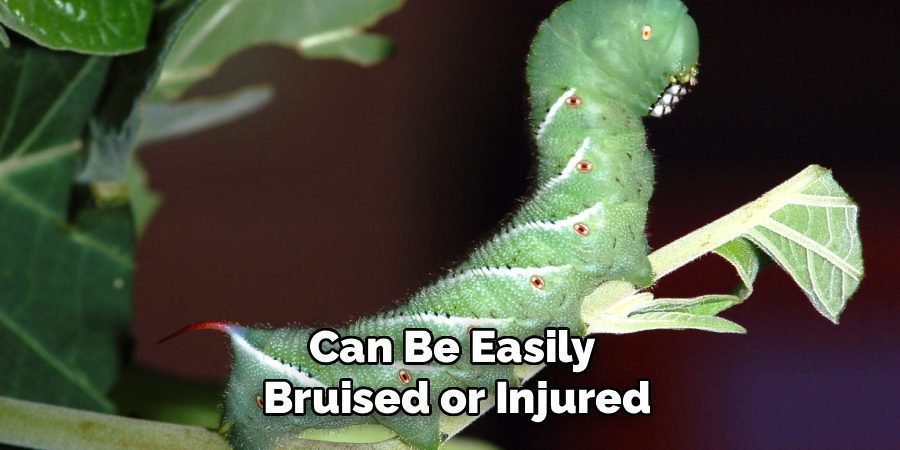
When you need to move or handle the hornworms, be gentle. Their bodies are soft and can be easily bruised or injured. It’s best to let them crawl onto a small twig or piece of cardboard rather than picking them up directly. If you must pick them up, coax them gently from the side. Never pull them off a surface they are clinging to, as this can tear their delicate prolegs. Careful handling ensures they remain healthy and stress-free until it is time to offer them as food.
Step 6: How to Take Care of Hornworms by Managing Growth
Hornworms grow incredibly fast, sometimes doubling in size overnight. Their growth rate is directly influenced by temperature. If you want to slow their growth to keep them at a smaller, more manageable size for a longer period, you can move their enclosure to a cooler location, around 55-65°F (13-18°C). A wine cooler or a cool basement works well. This temperature reduction will slow their metabolism and extend the time they remain in the larval stage before pupating into moths.
Step 7: Gut-Load Before Feeding
To maximize the nutritional benefit for your pet, you should gut-load your hornworms about 12 to 24 hours before feeding them off. While their standard chow is nutritious, gut-loading enhances their value further. You can offer them commercially available gut-loading formulas or nutrient-rich vegetables like dark leafy greens (collards, mustard greens) or carrots. This process ensures the hornworms are filled with extra vitamins and minerals, which are then passed directly to your pet upon consumption, boosting their overall health and vitality.
Know When They Are Ready
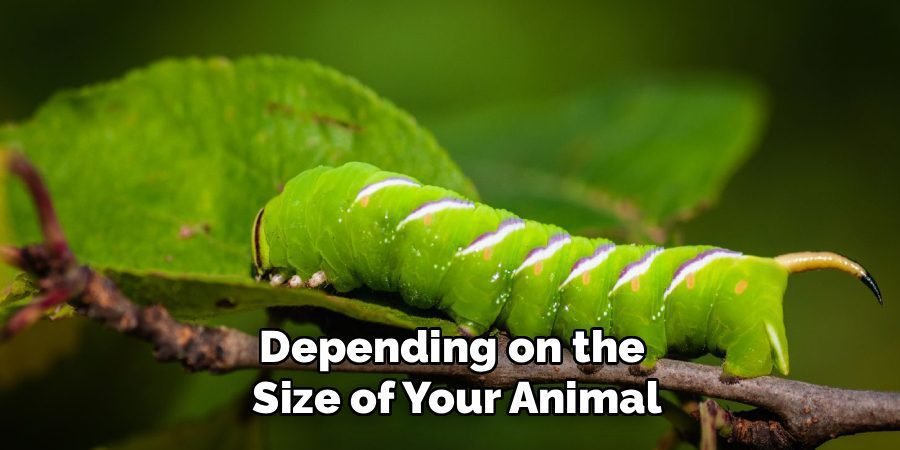
Hornworms are ready to be fed to your pets at almost any size, depending on the size of your animal. For smaller pets, you may want to use them when they are young and small. For larger reptiles like bearded dragons or chameleons, you can let them grow to their maximum size of three to four inches. Once they reach this size, they will soon begin to pupate. You’ll know they are nearing this stage when they stop eating and start wandering around the container, looking for a place to burrow.
Maintenance
Properly maintaining hornworms ensures they remain healthy and nutritious for your pets. Keep them in a well-ventilated container at room temperature, ideally between 75-85°F, to promote steady growth. Use the provided hornworm chow or fresh mulberry leaves as a food source, as this helps support their nutritional value. It’s important to clean their container regularly by removing waste and uneaten food to prevent mold or bacteria growth. Additionally, avoid over-handling the hornworms, as this can stress them and potentially harm their delicate bodies. With proper care, you’ll have a reliable and healthy feeder source for your pets.
Frequently Asked Questions (FAQ)
How Long Do Hornworms Live?
The lifespan of a hornworm in its larval (caterpillar) stage is relatively short, typically lasting about two to three weeks under optimal conditions. Their rapid growth is fueled by constant eating. After this period, they will enter the pupal stage, which lasts for another two weeks, before emerging as a sphinx moth. If you want to prolong the larval stage, you can slow their growth by keeping them at a cooler temperature, which can extend their life as a caterpillar for an extra week or two.
Can I Feed My Hornworms Tomato Leaves?
While hornworms are famous for eating tomato plants in the wild, it is not recommended to feed them tomato leaves when raising them as feeders. Wild hornworms build up toxins from the nightshade family of plants (which includes tomatoes) as a defense mechanism. These toxins can be harmful to your pets. It is much safer to stick to the specially formulated hornworm chow they come with or to gut-load them with safe, nutrient-dense vegetables like collard greens, mustard greens, or carrots before feeding.
Why Is My Hornworm Turning a Different Color?
If you notice your hornworm changing from its typical bright green to a more turquoise or yellowish hue, it is likely preparing to pupate. This color change is a natural part of its life cycle. It will also stop eating and become more active, searching for a place to burrow and transform into a pupa. At this point, it is best to feed it to your pet quickly, as it will soon become immobile and start forming its chrysalis, making it less appealing as a food source.
What Should I Do if Mold Grows in the Container?
Mold is a common issue that arises from high humidity and poor ventilation. If you spot a small amount of mold, you can try to remove it along with the surrounding food immediately. However, if the mold is widespread, it is safest to transfer the hornworms to a new, clean container with fresh food. Mold can be toxic to hornworms and, subsequently, to your pets. To prevent it, ensure the container has plenty of air holes and remove frass (droppings) regularly to keep the environment clean and dry.
Are Hornworms Good for All Reptiles?
Hornworms are an excellent supplemental feeder for a wide variety of insectivorous and omnivorous reptiles, including bearded dragons, leopard geckos, chameleons, and monitors. Their high moisture content makes them great for hydration, and their soft bodies are easy to digest. However, due to their high water and low fat content, they should be offered as part of a varied diet, not as a primary staple. Always feed size-appropriate hornworms to your pet to prevent any risk of choking.
Conclusion
Caring for hornworms is a simple yet rewarding process that provides a significant nutritional boost for your pets. By following these steps—from creating a clean, warm habitat to providing the right food and managing their growth—you can successfully raise a batch of healthy feeders. This guide has shown you how to take care of hornworms effectively, ensuring your reptiles and amphibians receive a delicious, hydrating, and nutrient-packed treat. Now you have the knowledge to confidently raise these fascinating creatures and enhance your pet’s diet.

About Ravuk Barg
B.Sc. Horticulture Science | Certified Master Gardener
Ravuk Barg has spent more than a decade with his hands in the soil and his head full of questions about why some gardens thrive while others struggle. What started as a single raised bed of tomatoes and basil in a modest backyard has grown into a deep, working knowledge of everything from seed germination and soil amendment to companion planting and seasonal pruning.
Over the years, Ravuk has gardened through drought summers, waterlogged springs, and pest invasions that would make most gardeners hang up their trowels for good. Those hard seasons, he’ll tell you, taught him more than any perfect growing year ever could. He writes from that earned experience—covering vegetable growing, ornamental planting, houseplant care, composting, and garden design with equal confidence and curiosity.
Philosophy & Approach
Ravuk’s approach to gardening is rooted in practicality. He favors organic methods not out of dogma, but because they work long-term—resulting in healthier soil, fewer inputs, and stronger plants. He has a particular fondness for heirloom vegetable varieties (the kind with proper flavor), unruly cottage-style flower beds, and the stubborn houseplants that everyone else gave up on.
The Mission: Give readers the honest, experience-backed advice that helps them actually succeed in their gardens—not just the ideal version, but the real one; weeds, failures, and all.
Education & Credentials
-
B.Sc. in Horticulture Science
-
Greenfield Agricultural University
-
Focus: Plant Physiology, Soil Ecology, and Sustainable Crop Production
-
-
Master Gardener Certification
-
Cooperative Extension Service
-
Focus: 200+ hours of hands-on practical training and community garden work
-
Continuing Education
-
Organic Pest Management
-
Native Plant Landscaping
-
Sustainable Crop Production