

Raised garden beds are a fantastic way to grow vegetables, herbs, and flowers, offering better drainage and control over your soil. However, these wooden structures are constantly exposed to moisture, making them susceptible to decay. Learning how to stop raised beds rotting is essential for protecting your investment and ensuring your garden thrives for years to come. A rotting frame not only looks unsightly but can also compromise the structural integrity of your bed, potentially collapsing and spilling your precious soil and plants.
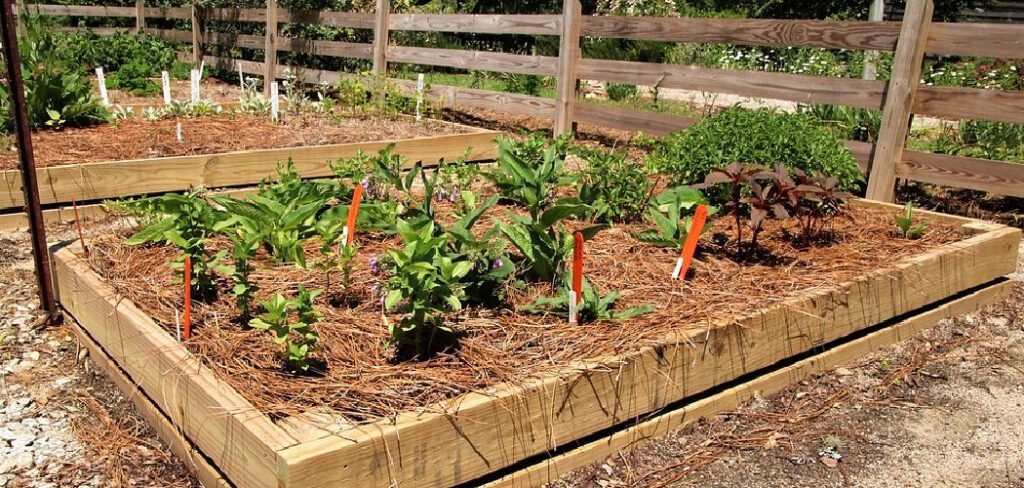
This guide will provide you with practical, easy-to-follow steps to extend the life of your raised beds, saving you time, money, and frustration.
Why Preventing Rot in Your Raised Beds Matters
Protecting your raised garden beds from rot is more than just a matter of appearance; it’s about ensuring the longevity and health of your entire gardening setup. When wood begins to decay, it weakens significantly. A compromised frame can break apart under the weight of soil, water, and mature plants, leading to a messy and costly collapse. Furthermore, the fungi and bacteria that cause wood to rot can sometimes create an environment that isn’t ideal for healthy plant growth.
By taking preventative measures, you ensure your beds remain strong and functional season after season, providing a stable and reliable foundation for your garden to flourish.
8 Step-by-Step Guide on How to Stop Raised Beds Rotting
Step 1: Choose a Rot-Resistant Wood
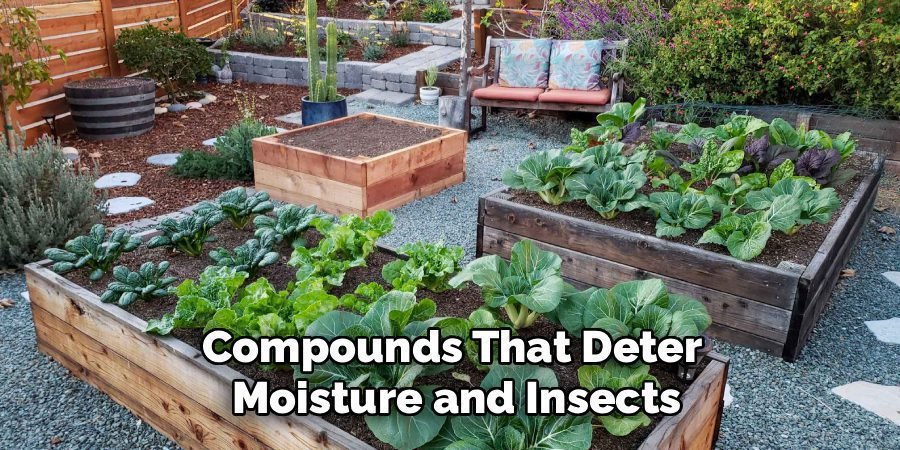
Your first line of defense is selecting the right material. Naturally rot-resistant woods like cedar, redwood, or black locust are excellent choices. These woods contain natural oils and compounds that deter moisture and insects, significantly slowing the decay process. While they may have a higher upfront cost compared to standard pine or fir, their longevity often makes them a more economical choice over the long term. Investing in quality wood from the start saves you the effort of rebuilding your beds every few years and provides a durable foundation for your garden.
Step 2: Avoid Using Chemically Treated Wood
While it may seem tempting to use pressure-treated lumber for its impressive resistance to rot and insects, it is best avoided for garden beds where you plan to grow edibles. The chemicals used to treat the wood, such as chromated copper arsenate (CCA), can leach into the soil over time. These substances can then be absorbed by your plants, posing potential health risks. Always opt for untreated, naturally resistant woods or safe alternatives to ensure the food you grow is healthy and free from harmful contaminants.
Step 3: Ensure Proper Drainage in the Bed
Good drainage is crucial for preventing water from sitting against the wooden frame of your raised bed. Start by siting your bed in a well-draining area of your yard. Before adding your soil, lay down a 3- to 4-inch layer of coarse materials like gravel, small rocks, or even broken terracotta pots at the bottom. This layer creates a reservoir for excess water to collect away from the soil and the wood, allowing it to slowly seep into the ground beneath. This simple step prevents the soil from becoming waterlogged and reduces constant moisture contact with the boards.
Step 4: Line the Interior Walls
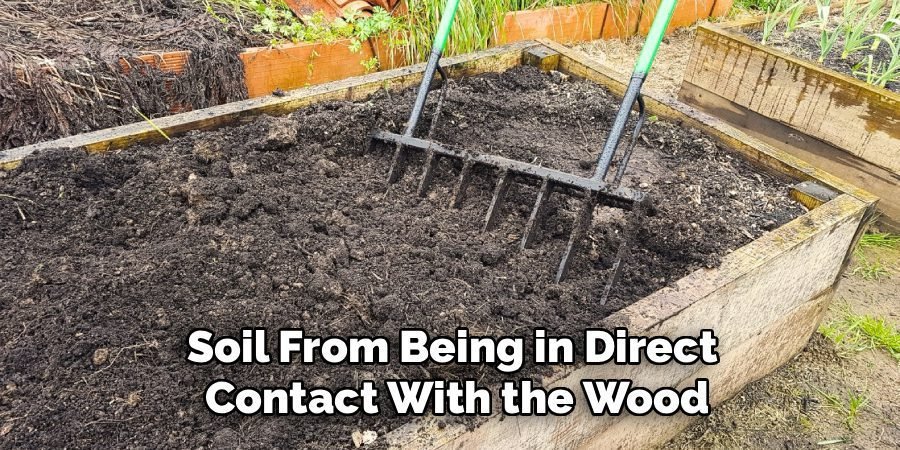
Lining the inside of your raised bed creates a physical barrier between the damp soil and the wood. Heavy-duty plastic sheeting is a popular and effective option. Staple the plastic along the interior walls, leaving the bottom of the bed open to allow for drainage. This barrier prevents moisture from the soil from being in direct contact with the wood, which is one of the primary causes of rot. This is a simple but highly effective technique for anyone wondering how to stop raised beds rotting from the inside out.
Step 5: Treat the Wood with a Safe Sealant
Applying a food-safe sealant to the wood provides an extra layer of protection against the elements. Look for products made from natural oils, such as raw linseed oil, tung oil, or a specialized waterproof wood sealer designed for outdoor use. Apply a generous coat to all surfaces of the wood—inside and out—before you assemble the bed. Pay special attention to the cut ends, as this is where wood is most vulnerable to absorbing moisture. Reapplying the sealant every one or two years can significantly extend the life of your bed.
Step 6: Elevate the Bed Off the Ground
Direct contact with the ground is a major source of moisture that accelerates rot. Placing your raised bed on a base of gravel, concrete blocks, or patio pavers can create a capillary break, preventing moisture from wicking up from the soil into the wooden frame. This elevation also promotes airflow underneath the structure, helping the wood dry out more quickly after rain. Even a small air gap between the bottom of the bed and the ground can make a substantial difference in preserving the wood.
Step 7: Promote Air Circulation Around the Exterior
Just as airflow underneath the bed is important, so is airflow around its exterior walls. Avoid piling mulch, leaves, or soil against the outside of the bed, as this traps moisture and creates a perfect environment for rot and pests. Try to maintain a clear perimeter around your raised beds. Periodically clearing away any encroaching weeds or debris will help the exterior wood surfaces dry efficiently after watering or rainfall, which is a key part of how to stop raised beds rotting effectively.
Step 8: Install Corner Brackets for Reinforcement
The corners of a raised bed are high-stress points that are particularly prone to weakening from moisture. Installing metal corner brackets not only reinforces the joints but can also help keep the wood slightly separated, allowing for better air circulation. These brackets provide structural support, preventing the boards from bowing or separating as the wood expands and contracts with changes in moisture and temperature. This added stability helps maintain the integrity of the bed, even if some minor decay begins to occur over time.
Maintenance
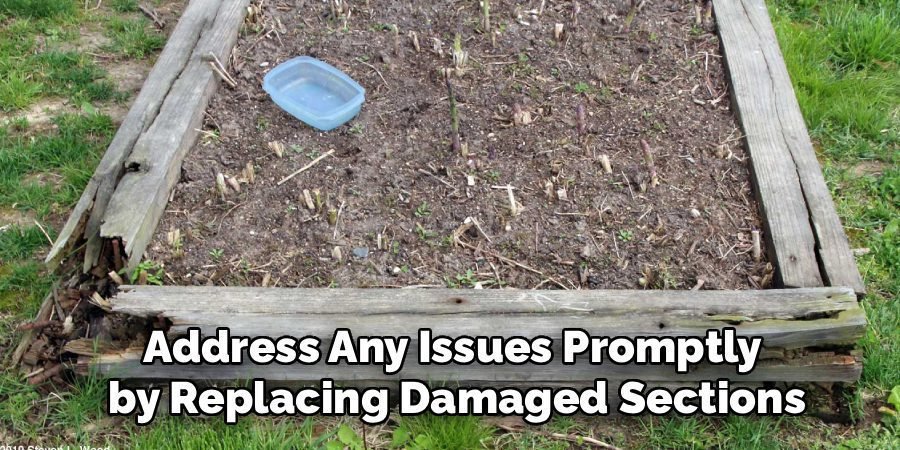
Proper maintenance of your raised garden bed is essential to ensure its longevity and functionality. Start by regularly inspecting the wood for signs of decay, such as soft spots, discoloration, or cracks, and address any issues promptly by replacing damaged sections. Applying a fresh coat of non-toxic wood sealant annually can protect the wood from moisture and ultraviolet damage, further prolonging its lifespan. Additionally, it’s important to check the corner brackets and screws periodically to make sure they remain secure and free from rust.
Keeping the soil level consistent and avoiding overwatering will also help minimize unnecessary strain on the bed. With consistent care, your raised garden bed can remain a thriving and durable foundation for your plants for many years.
Common Mistakes to Avoid
When constructing garden beds, several common mistakes can impact their longevity and effectiveness. One of the most frequent errors is using untreated or non-durable wood for the frame, which can quickly succumb to rot and decay when exposed to moisture over time. Another mistake is neglecting proper drainage, leading to water accumulation that can weaken the structure and harm plant roots. Additionally, failing to secure the joints adequately can result in instability, causing the frame to bow or collapse under pressure. Lastly, skipping routine maintenance, such as inspecting for signs of rot or reinforcing weak spots, can allow minor issues to escalate into significant problems.
By addressing these pitfalls during the planning and building stages, you can create a sturdy and long-lasting garden bed.
Frequently Asked Questions (FAQ)
What Is the Best Material for a Raised Garden Bed to Prevent Rot?
Cedar is widely considered the best wood for raised garden beds due to its natural resistance to rot and insects. It contains oils that act as a preservative, allowing it to last for 10-15 years or more without treatment. Redwood is another excellent, long-lasting choice. For a more budget-friendly option, Douglas fir can be used, but it will benefit greatly from a food-safe waterproof sealant to extend its lifespan.
Can I Use Plastic Lining to Protect My Wooden Raised Bed?
Yes, lining the interior walls of your wooden raised bed with heavy-duty plastic sheeting is a very effective way to prevent rot. This creates a waterproof barrier between the damp soil and the wood. When installing the liner, be sure to staple it securely to the inside of the frame but leave the bottom of the bed open. This ensures that water can still drain freely into the ground, preventing the bed from becoming waterlogged.
How Often Should I Reapply a Sealant to My Raised Beds?
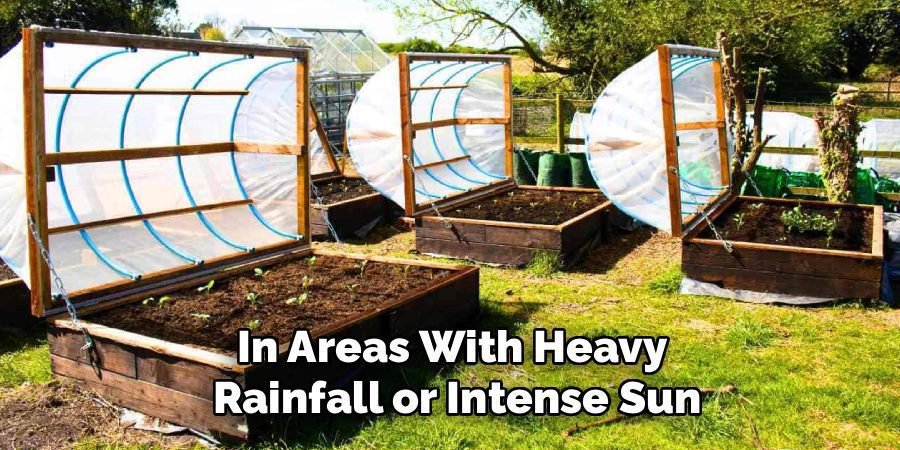
For best results, you should reapply a food-safe sealant, like raw linseed or tung oil, every one to two years. The frequency depends on your climate and the bed’s exposure to sun and rain. In areas with heavy rainfall or intense sun, an annual application is a good idea. Before reapplying, lightly sand the wood surface to remove any weathered fibers and ensure the new coat of oil can penetrate effectively.
Are There Any Non-Wood Alternatives That Don’t Rot?
Absolutely. If you want to avoid wood altogether, galvanized steel, stone, and composite materials are excellent rot-proof alternatives. Galvanized steel beds are durable, lightweight, and heat up quickly in the spring. Stone or concrete block beds are incredibly long-lasting and offer a classic look. Composite beds, made from a mix of recycled plastic and wood fibers, provide the appearance of wood without the risk of decay.
What Should I Do if My Raised Bed Is Already Starting to Rot?
If you notice rot on an existing bed, you may be able to repair it. First, remove the affected soil and scrape away the soft, decayed wood until you reach solid timber. Allow the area to dry out completely, then treat it with a wood hardener. For more extensive damage, you may need to replace the entire rotted board. Once repaired, applying a waterproof sealant and improving drainage can help prevent further decay.
Conclusion
Building a garden you can enjoy for many seasons starts with a strong foundation. By taking the right preventative steps, you can easily protect your raised beds from the damaging effects of moisture and decay. From choosing rot-resistant wood and ensuring proper drainage to applying a safe sealant and encouraging airflow, each action contributes to a more durable and long-lasting structure. Now that you know how to stop raised beds rotting, you can confidently build and maintain a garden that will remain productive and beautiful for years to come.

About Ravuk Barg
B.Sc. Horticulture Science | Certified Master Gardener
Ravuk Barg has spent more than a decade with his hands in the soil and his head full of questions about why some gardens thrive while others struggle. What started as a single raised bed of tomatoes and basil in a modest backyard has grown into a deep, working knowledge of everything from seed germination and soil amendment to companion planting and seasonal pruning.
Over the years, Ravuk has gardened through drought summers, waterlogged springs, and pest invasions that would make most gardeners hang up their trowels for good. Those hard seasons, he’ll tell you, taught him more than any perfect growing year ever could. He writes from that earned experience—covering vegetable growing, ornamental planting, houseplant care, composting, and garden design with equal confidence and curiosity.
Philosophy & Approach
Ravuk’s approach to gardening is rooted in practicality. He favors organic methods not out of dogma, but because they work long-term—resulting in healthier soil, fewer inputs, and stronger plants. He has a particular fondness for heirloom vegetable varieties (the kind with proper flavor), unruly cottage-style flower beds, and the stubborn houseplants that everyone else gave up on.
The Mission: Give readers the honest, experience-backed advice that helps them actually succeed in their gardens—not just the ideal version, but the real one; weeds, failures, and all.
Education & Credentials
-
B.Sc. in Horticulture Science
-
Greenfield Agricultural University
-
Focus: Plant Physiology, Soil Ecology, and Sustainable Crop Production
-
-
Master Gardener Certification
-
Cooperative Extension Service
-
Focus: 200+ hours of hands-on practical training and community garden work
-
Continuing Education
-
Organic Pest Management
-
Native Plant Landscaping
-
Sustainable Crop Production