

Meta Description: Learn how to save plants from heat with proven methods. Discover watering techniques, shade solutions, and heat protection tips to keep your garden healthy during hot weather.
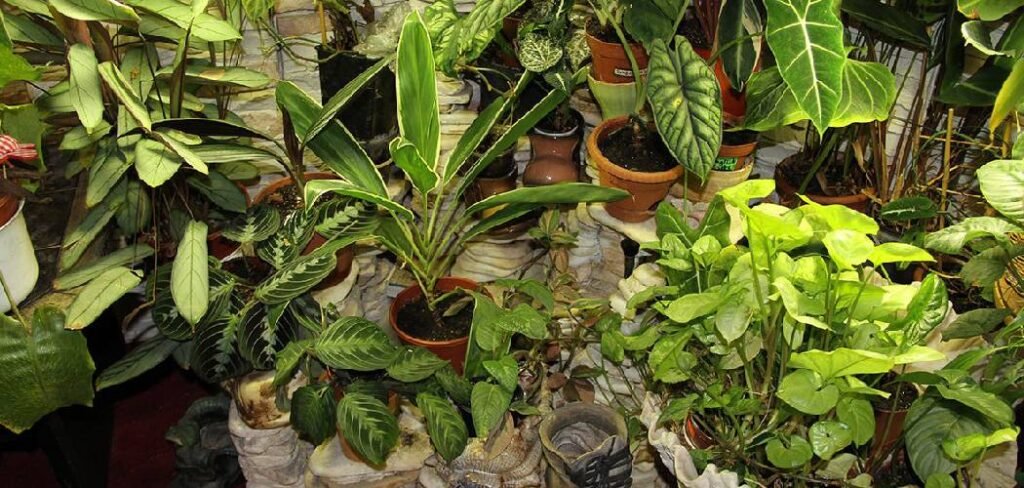
Summer heat can be tough on plants. When temperatures rise, your green friends need extra care to stay alive and healthy. Many gardeners worry about their plants during hot weather. The good news is that you can protect your plants from extreme heat with simple methods.
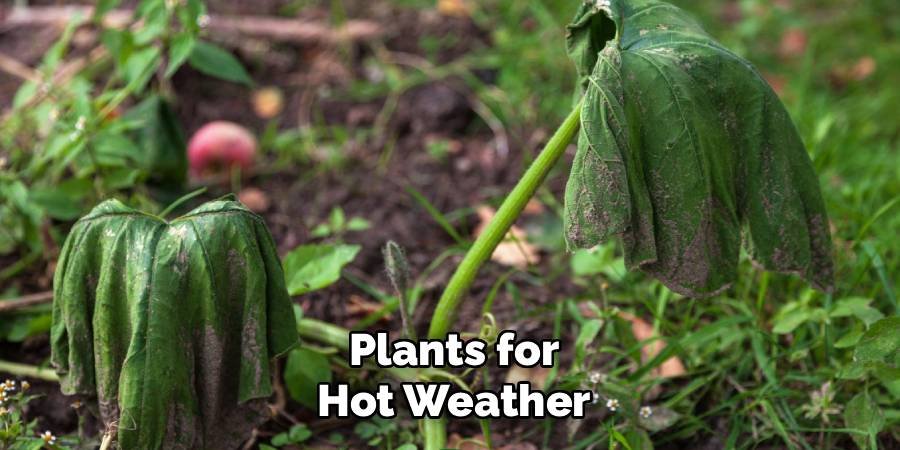
Heat stress happens when plants cannot cool themselves properly. Just like humans sweat to stay cool, plants lose water through their leaves. When it gets too hot, plants lose water faster than they can take it in. This causes wilting, brown leaves, and sometimes plant death.
Why Plants Suffer in Hot Weather
Plants face many problems when temperatures get very high. The main issue is water loss through their leaves. This process is called transpiration. When air is hot and dry, plants lose water much faster than normal. Hot soil also hurts plant roots. When soil gets too warm, roots cannot absorb water and nutrients properly. This makes it harder for plants to get what they need to survive. High temperatures can also damage plant cells and stop important processes like photosynthesis.
Direct sunlight during the hottest part of the day can burn plant leaves. This creates brown or yellow spots that look like burns. Once leaves are damaged by heat, they cannot make food for the plant anymore. Wind combined with heat makes things worse. Hot, dry winds pull even more moisture from plants. This double stress of heat and wind can quickly kill sensitive plants.
5 Step by Step Guide on How to Save Plants from Heat
Step 1: Water Plants at the Right Time
The best time to water plants is early morning, between 5 AM and 8 AM. At this time, temperatures are cooler and water can soak into the soil properly. Plants have all day to absorb the water before heat stress begins. Evening watering is the second-best choice. Water plants after 6 PM when the sun is less strong. This gives plants time to drink water before the next hot day begins. Never water plants in the middle of the day when the sun is strongest.
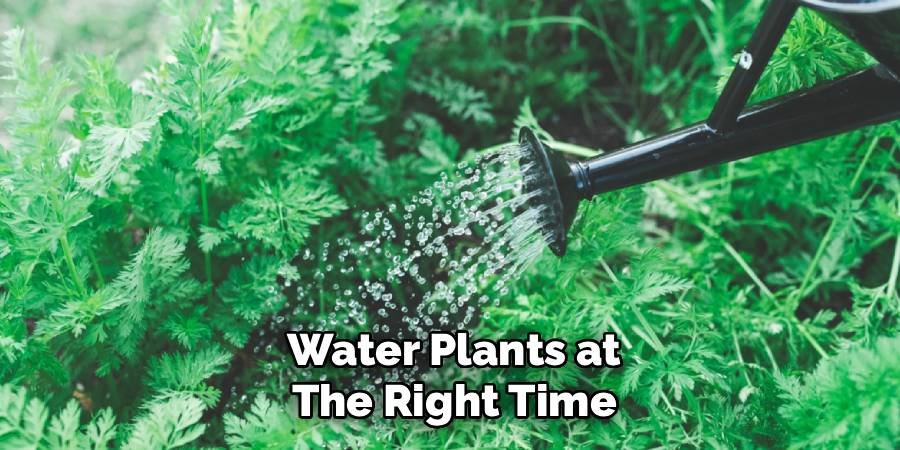
Deep watering is better than frequent shallow watering. Give plants a good drink that reaches the roots rather than just wetting the surface. This encourages roots to grow deeper where soil stays cooler and holds more moisture.
Check soil moisture by putting your finger two inches deep into the earth. If it feels dry, your plants need water. Different plants need different amounts of water, so learn what each type prefers.
Step 2: Create Shade for Your Plants
Shade cloth is one of the best ways to protect plants from intense sun. You can buy shade cloth that blocks 30% to 70% of sunlight. Choose the right percentage based on your plant types. Vegetables usually need 30-50% shade, while delicate flowers might need 70%.
Temporary shade can be made with old sheets, umbrellas, or cardboard. Set these up during the hottest part of the day, usually between 10 AM and 4 PM. Make sure air can still flow around plants even when they are shaded.
Plant taller plants near shorter ones to create natural shade. Sunflowers, corn, or tall tomatoes can protect smaller plants like lettuce or herbs. This companion planting method works very well in vegetable gardens.
Move potted plants to shadier spots during heat waves. Place them under trees, on covered porches, or next to buildings that block afternoon sun. This is easier than creating shade structures for plants in the ground.
Step 3: Mulch Around Plants
Mulch is like a blanket for plant roots. It keeps soil cool and holds moisture longer. Organic mulches like wood chips, straw, or shredded leaves work best. Spread mulch 2-3 inches thick around plants, but keep it away from plant stems.
Different mulch materials have different benefits. Straw is great for vegetable gardens and breaks down to feed soil. Wood chips last longer and look neat in flower beds. Grass clippings are free but need to be thin layers so they do not get moldy.
Light-colored mulches reflect heat better than dark ones. Consider using light wood chips or straw instead of dark bark mulch during very hot weather. This small change can make a big difference in soil temperature.
Replace mulch when it gets thin or breaks down completely. Fresh mulch works better at keeping soil cool and moist. This is especially important before hot summer months begin.
Step 4: Improve Air Circulation
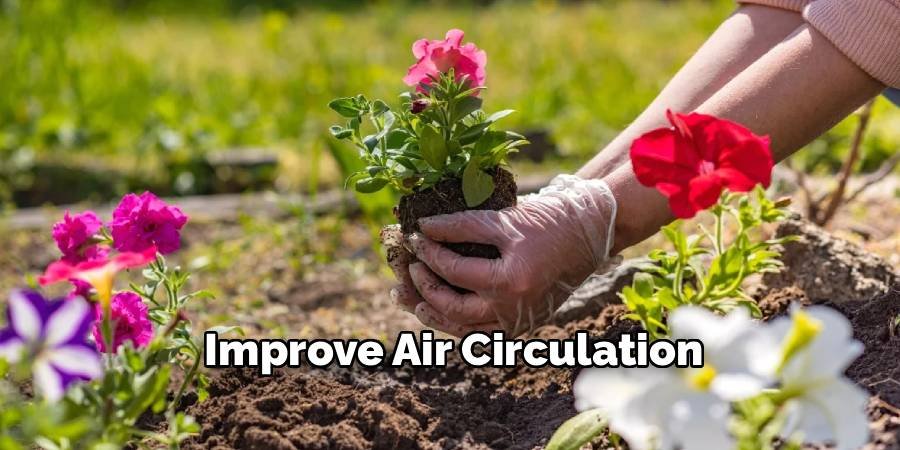
Good air flow helps plants stay cooler by moving hot air away from leaves. Trim dense growth to allow air to move through plants. Remove dead or damaged branches that block airflow.
Space plants properly when planting. Crowded plants trap hot air and compete for water. Follow spacing guidelines on plant tags or seed packets. This prevents heat stress and reduces disease problems.
Use fans in greenhouses or covered growing areas. Small battery-powered fans can create breeze around potted plants. This moving air helps plants cool themselves more effectively.
Avoid windbreaks that trap hot air around plants. While protection from strong winds is good, some air movement is necessary for plant health during hot weather.
Step 5: Adjust Fertilizing Schedule
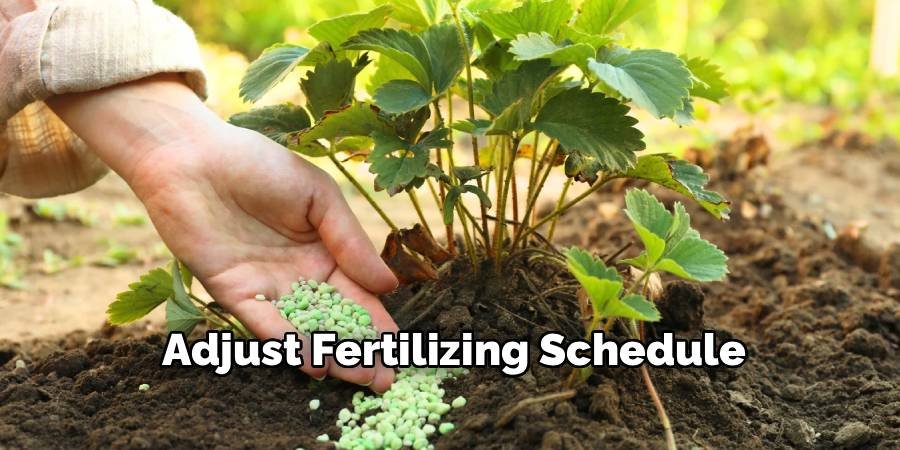
Stop feeding plants with high-nitrogen fertilizers during heat waves. These fertilizers encourage new growth that is tender and easily damaged by heat. Wait until temperatures cool down before resuming regular feeding.
Use organic fertilizers that release nutrients slowly. Compost and well-aged manure feed plants gently without forcing rapid growth. This creates stronger plants that handle heat stress better.
Focus on potassium-rich fertilizers during hot weather. Potassium helps plants manage water better and builds heat resistance. Banana peels, wood ash, or commercial potassium fertilizers can help.
Water-soluble fertilizers should be diluted more during hot weather. Strong fertilizer solutions can burn plant roots when combined with heat stress. Use half the recommended strength or skip feeding until cooler weather returns.
Additional Heat Protection Methods
Container plants need special attention during hot weather. Pots heat up faster than ground soil and dry out quickly. Use larger containers that hold more soil and water. Light-colored pots reflect heat better than dark ones.
Group potted plants together to create humidity around them. As water evaporates from soil, it creates cooler air around nearby plants. This microclimate effect can reduce heat stress significantly.
Install drip irrigation or soaker hoses for consistent watering. These systems deliver water directly to plant roots without wasting water through evaporation. They can run on timers to water plants at the best times.
Create windbreaks to protect plants from hot, dry winds. Use screens, fences, or tall plants to block harsh winds while still allowing some air circulation. This reduces water loss and heat stress.
Best Plants for Hot Weather
Heat-tolerant vegetables include tomatoes, peppers, eggplants, and okra. These plants originally come from hot climates and handle high temperatures well. Choose varieties bred specifically for hot weather resistance.
Drought-resistant flowers like marigolds, zinnias, and sunflowers bloom beautifully in hot weather. These plants have deep roots or waxy leaves that help them conserve water during heat waves.
Native plants are always the best choice for your local climate. They have evolved to handle local weather conditions including heat and drought. Research which plants are native to your area.
Herbs like rosemary, thyme, and oregano love hot weather. These Mediterranean plants actually perform better in heat than in cool, wet conditions. They are perfect for hot, sunny garden spots.
Frequently Asked Questions
Q1: How often should I water plants during a heat wave? During extreme heat, most plants need water every day, especially container plants. Check soil moisture daily and water when the top inch feels dry. Deep watering every other day is better than shallow daily watering for ground plants.
Q2: Can I use ice cubes to cool down hot plants? Ice cubes can shock plant roots with cold water. Instead, use cool (not cold) water for watering. If you want to cool plants quickly, mist their leaves with cool water in early morning or evening.
Q3: Should I bring potted plants indoors during heat waves? Yes, if you have space and adequate light indoors. Move sensitive plants to air-conditioned spaces during extreme heat. Make sure they get enough light near windows or use grow lights.
Q4: Why are my plant leaves turning brown despite regular watering? Brown leaves during hot weather usually mean heat scorch, not lack of water. Even well-watered plants can suffer leaf damage from intense sun. Provide shade and increase humidity around plants.
Q5: Is it better to water plants with cold or warm water during heat? Use room temperature or slightly cool water. Very cold water can shock roots, while hot water from hoses sitting in sun can burn plants. Let water sit in shade for a few minutes before using if it feels hot.
Conclusion
Protecting plants from heat requires planning and daily attention during hot weather. The key methods include proper watering timing, creating shade, using mulch, and improving air circulation. Start with these basic steps and add more protection as needed based on your plant types and local climate conditions.
Remember that prevention is better than treatment when it comes to heat stress. Set up protection systems before heat waves arrive rather than waiting until plants show damage. Consistent care during hot weather keeps plants healthy and productive throughout the growing season.
With these proven methods, you can successfully save plants from heat and maintain a thriving garden even during the hottest summer days. Every plant species has different needs, so observe your plants closely and adjust your care routine accordingly for the best results.

About Ravuk Barg
B.Sc. Horticulture Science | Certified Master Gardener
Ravuk Barg has spent more than a decade with his hands in the soil and his head full of questions about why some gardens thrive while others struggle. What started as a single raised bed of tomatoes and basil in a modest backyard has grown into a deep, working knowledge of everything from seed germination and soil amendment to companion planting and seasonal pruning.
Over the years, Ravuk has gardened through drought summers, waterlogged springs, and pest invasions that would make most gardeners hang up their trowels for good. Those hard seasons, he’ll tell you, taught him more than any perfect growing year ever could. He writes from that earned experience—covering vegetable growing, ornamental planting, houseplant care, composting, and garden design with equal confidence and curiosity.
Philosophy & Approach
Ravuk’s approach to gardening is rooted in practicality. He favors organic methods not out of dogma, but because they work long-term—resulting in healthier soil, fewer inputs, and stronger plants. He has a particular fondness for heirloom vegetable varieties (the kind with proper flavor), unruly cottage-style flower beds, and the stubborn houseplants that everyone else gave up on.
The Mission: Give readers the honest, experience-backed advice that helps them actually succeed in their gardens—not just the ideal version, but the real one; weeds, failures, and all.
Education & Credentials
-
B.Sc. in Horticulture Science
-
Greenfield Agricultural University
-
Focus: Plant Physiology, Soil Ecology, and Sustainable Crop Production
-
-
Master Gardener Certification
-
Cooperative Extension Service
-
Focus: 200+ hours of hands-on practical training and community garden work
-
Continuing Education
-
Organic Pest Management
-
Native Plant Landscaping
-
Sustainable Crop Production