

Seeing your once-lush lawn taken over by crabgrass can be disheartening for any homeowner. This aggressive weed spreads quickly, leaving behind unsightly bare patches when it dies off in the fall. The good news is that you can reclaim your yard and restore it to its former glory.
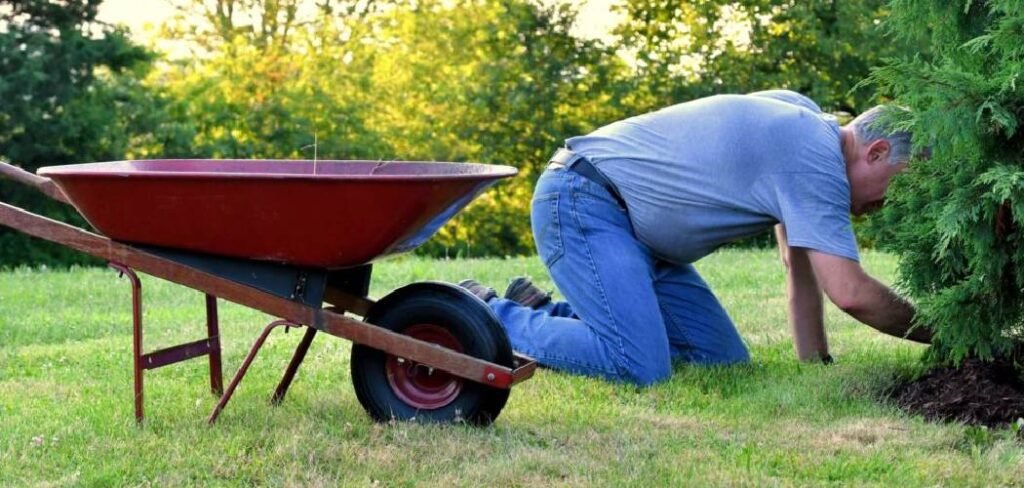
Learning how to reseed a lawn with crabgrass damage is a straightforward process that involves removing the dead weeds, preparing the soil, and planting new grass seed. With a bit of effort and the right timing, you can transform those brown spots into a thick, healthy carpet of green. This guide will walk you through every step, making it easy for even beginner gardeners to achieve professional-looking results and enjoy a beautiful lawn once again.
Why You Must Reseed After Crabgrass
Crabgrass is an annual weed, which means it completes its life cycle in a single year and dies off with the first hard frost. While this might seem like a good thing, the problem is what it leaves behind. Crabgrass outcompetes desirable turfgrass for sunlight, water, and nutrients. As it spreads, it smothers the grass around it. When the crabgrass dies, it leaves large, barren areas of soil. These empty patches are prime real estate for new weeds to take root the following spring. Reseeding fills in these gaps with healthy grass, creating a dense turf that naturally crowds out and prevents future weed invasions. Taking this step is crucial for the long-term health and beauty of your lawn.
7 Step-by-Step Guide on How to Reseed a Lawn with Crabgrass
Step 1: Time Your Project Correctly
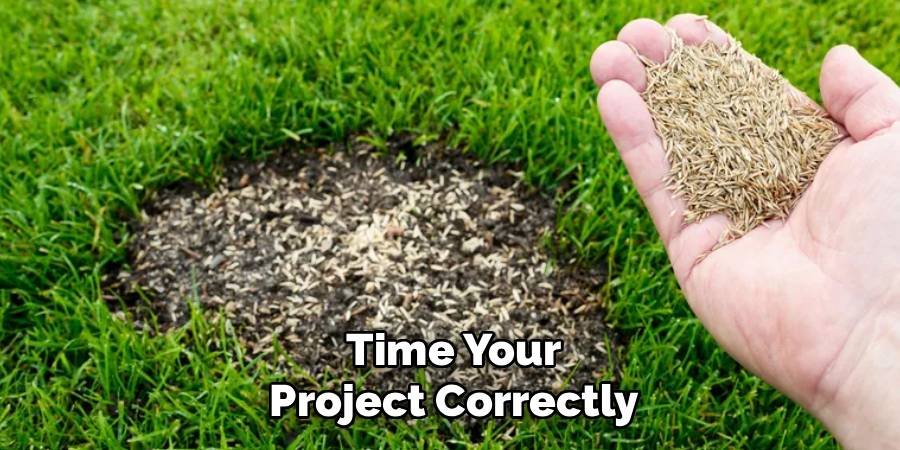
The success of your reseeding project heavily depends on timing. The best time to plant new grass seed is in the late summer or early fall. During this period, the soil is still warm from the summer sun, which encourages quick germination. At the same time, the cooling air temperatures reduce stress on the new grass seedlings. This combination provides the ideal growing conditions for cool-season grasses like fescue, ryegrass, and Kentucky bluegrass. Seeding in the fall also gives your new grass several months to establish a strong root system before it has to compete with the next season’s crabgrass.
Step 2: Remove the Dead Crabgrass
Before you can plant new seed, you must clear out the dead crabgrass and other debris. A sturdy garden rake or a dethatching rake is the perfect tool for this job. Vigorously rake the affected areas to pull up the dead weeds, thatch, and any other loose material. Your goal is to expose the bare soil underneath. This step is essential because grass seed needs direct contact with the soil to germinate properly. Be thorough and remove as much of the dead plant matter as possible. For larger areas, you might consider renting a power rake to make the job quicker and easier.
Step 3: Aerate the Soil
After years of crabgrass growth, the soil in the bare patches is likely compacted. Compacted soil restricts air, water, and nutrient flow to the grass roots, making it difficult for new seeds to thrive. Aeration is the process of creating small holes in the soil to alleviate this compaction. You can use a simple manual core aerator for small patches or rent a mechanical one for larger lawns. This process will dramatically improve the soil structure, creating a much healthier environment for your new grass seedlings to establish deep, strong roots and grow into a resilient turf.
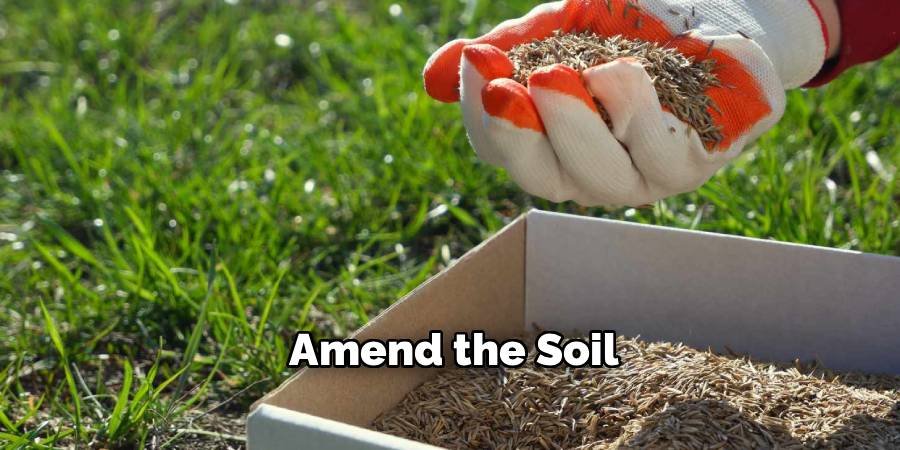
Step 4: Amend the Soil
With the ground cleared and aerated, the next step is to improve the soil quality. Most lawn soils can benefit from the addition of organic matter. Spread a thin layer, about a quarter-inch thick, of high-quality compost or topsoil over the bare areas. Use a rake to gently work it into the top inch of the existing soil. This amendment will enrich the soil with vital nutrients, improve its ability to hold moisture, and create a soft, welcoming bed for the new grass seed. This step provides your new lawn with the foundation it needs for long-term health and vigor.
Step 5: Select the Right Grass Seed
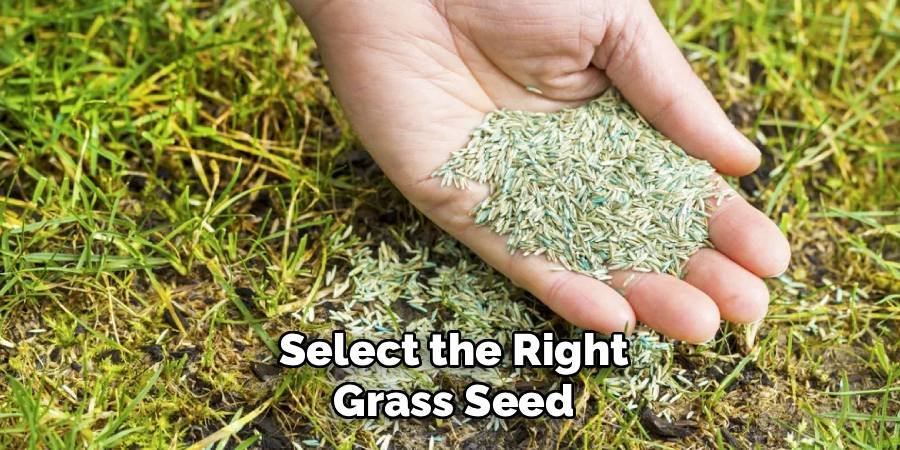
Choosing the right grass seed is critical for success. Look for a high-quality seed blend that is well-suited to your local climate and the amount of sunlight your lawn receives. Most lawns in transitional and northern climates do best with a mix of cool-season grasses, such as tall fescue, Kentucky bluegrass, and perennial ryegrass. These blends are known for their durability and ability to create a dense, attractive turf. Read the packaging carefully to understand the specific characteristics of the seed mix and ensure it matches the conditions of your yard.
Step 6: Spread the Seed and Starter Fertilizer
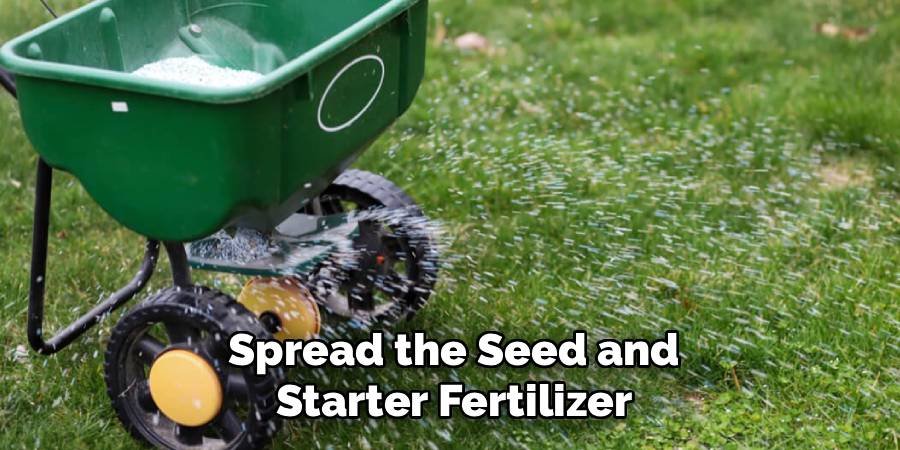
Now it’s time to sow the seeds of your new lawn. You can spread the seed by hand for very small patches, but a broadcast or drop spreader will provide much more even coverage for larger areas. Apply the seed according to the rate recommended on the product label. Immediately after seeding, apply a starter fertilizer. This type of fertilizer is specially formulated with a high phosphorus content, which is essential for promoting strong root development in new grass seedlings. Following this step in your journey of how to reseed a lawn with crabgrass gives your new turf the best possible start.
Step 7: How to Water Your New Lawn After Reseeding
Proper watering is arguably the most important step in establishing a new lawn. The newly seeded area must be kept consistently moist until the grass is well-established. Water lightly two to three times a day for the first couple of weeks to ensure the top inch of soil never dries out. This constant moisture is crucial for germination. Once the seedlings have sprouted and begun to grow, you can gradually reduce the frequency of watering while increasing the duration. This encourages the roots to grow deeper into the soil, building a more drought-tolerant lawn for the future.
Frequently Asked Questions (FAQ)
Can I Just Throw Grass Seed on Top of Dead Crabgrass?
No, this is not an effective method. Grass seed requires direct contact with soil to germinate and establish roots. Throwing seed over a layer of dead crabgrass, thatch, or other debris will prevent it from reaching the soil. This leads to very poor germination rates and wasted effort. For the best results, you must first completely remove the dead crabgrass and prepare the soil bed before seeding.
What Is the Best Time of Year to Kill Crabgrass and Reseed?
The ideal time to reseed is in the late summer or early fall. Crabgrass is an annual weed that will die naturally after the first frost. By waiting until early fall, you can easily remove the dead weeds and reseed in optimal conditions for cool-season grass growth. If you use a post-emergent herbicide to kill crabgrass during the summer, be sure to read the product label carefully, as many products require a waiting period before you can safely plant new seed.
How Long Does It Take for New Grass to Grow After Reseeding?
The time it takes for new grass to grow depends on the type of seed you use and the conditions.
- Perennial Ryegrass: Often germinates in just 5-7 days.
- Tall Fescue: Typically sprouts in 7-14 days.
- Kentucky Bluegrass: Is the slowest, often taking 14-30 days to germinate.
You should see the first signs of green within one to two weeks, and the lawn should start to look filled in after about a month.
When Can I Mow the New Grass for the First Time?
Wait until the new grass seedlings have reached a height of at least 3 to 4 inches before you mow for the first time. Mowing too early can stress the young plants and pull them out of the soil. When you do mow, make sure your mower blade is sharp to ensure a clean cut, and never remove more than one-third of the grass blade height at a time.
How Do I Prevent Crabgrass from Coming Back Next Year?
Prevention is key. The best defense against future crabgrass is a thick, healthy lawn that leaves no room for weeds to grow. Additionally, applying a pre-emergent herbicide in the early spring is highly effective. This product creates a barrier in the soil that prevents crabgrass seeds from germinating. Applying it when soil temperatures consistently reach 55°F will stop the next generation of crabgrass before it ever starts.
Conclusion
Reclaiming your lawn from a crabgrass invasion is an achievable goal that pays dividends in curb appeal and personal satisfaction. By following these steps—from timing your project and preparing the soil to choosing the right seed and watering correctly—you can effectively repair the damage. The process not only restores the bare patches but also builds a stronger, more resilient turf that is better equipped to resist future weed problems. Now that you understand how to reseed a lawn with crabgrass damage, you have the knowledge to transform your yard and enjoy a beautiful, dense carpet of green for years to come.

About Ravuk Barg
B.Sc. Horticulture Science | Certified Master Gardener
Ravuk Barg has spent more than a decade with his hands in the soil and his head full of questions about why some gardens thrive while others struggle. What started as a single raised bed of tomatoes and basil in a modest backyard has grown into a deep, working knowledge of everything from seed germination and soil amendment to companion planting and seasonal pruning.
Over the years, Ravuk has gardened through drought summers, waterlogged springs, and pest invasions that would make most gardeners hang up their trowels for good. Those hard seasons, he’ll tell you, taught him more than any perfect growing year ever could. He writes from that earned experience—covering vegetable growing, ornamental planting, houseplant care, composting, and garden design with equal confidence and curiosity.
Philosophy & Approach
Ravuk’s approach to gardening is rooted in practicality. He favors organic methods not out of dogma, but because they work long-term—resulting in healthier soil, fewer inputs, and stronger plants. He has a particular fondness for heirloom vegetable varieties (the kind with proper flavor), unruly cottage-style flower beds, and the stubborn houseplants that everyone else gave up on.
The Mission: Give readers the honest, experience-backed advice that helps them actually succeed in their gardens—not just the ideal version, but the real one; weeds, failures, and all.
Education & Credentials
-
B.Sc. in Horticulture Science
-
Greenfield Agricultural University
-
Focus: Plant Physiology, Soil Ecology, and Sustainable Crop Production
-
-
Master Gardener Certification
-
Cooperative Extension Service
-
Focus: 200+ hours of hands-on practical training and community garden work
-
Continuing Education
-
Organic Pest Management
-
Native Plant Landscaping
-
Sustainable Crop Production